
Best Seed Saving Techniques for Home Gardeners
We independently select all products and services. If you click through links we provide, Plant Native may earn a commission with no extra cost to you. As an Amazon Associate I earn from qualifying purchases.
Last updated: August 20, 2026
Seed saving is a crucial aspect of gardening that ensures a steady supply of quality seeds for the next planting season. Whether you are a seasoned gardener or a beginner, saving seeds is an easy and cost-effective way to grow your favorite plants year after year. In this article, we will explore the best seed saving techniques that will help you preserve the genetic diversity of your plants and save money in the long run.
When it comes to seed saving, the first step is to choose healthy and mature plants that produce high-quality seeds. You should also consider the pollination method of your plants, as some plants are self-pollinating, while others require cross-pollination. This will determine the type of seed saving technique you should use.
One critical thing to consider when saving seeds is the storage conditions. Proper storage is essential to maintain the viability of your seeds. Factors such as temperature, humidity, and light can affect the germination rate of your seeds. Therefore, it is crucial to store your seeds in a cool, dry, and dark place.
In this article, we spent countless hours researching and testing various seed saving techniques to identify the ones that are effective and easy to use. We will provide you with step-by-step instructions on how to save seeds from different types of plants, including vegetables, herbs, and flowers. By the end of this article, you will have a better understanding of the best seed saving techniques and how to apply them to your garden.
Best Seed Saving Techniques
We understand the importance of preserving the biodiversity of plants and ensuring their survival for future generations. That’s why we have compiled a list of the best seed saving techniques that will help you save and store your seeds for a longer period of time. Whether you’re a seasoned gardener or just starting, these techniques will help you get the most out of your seeds. Here are our top picks for the best seed saving techniques.
Our top pick
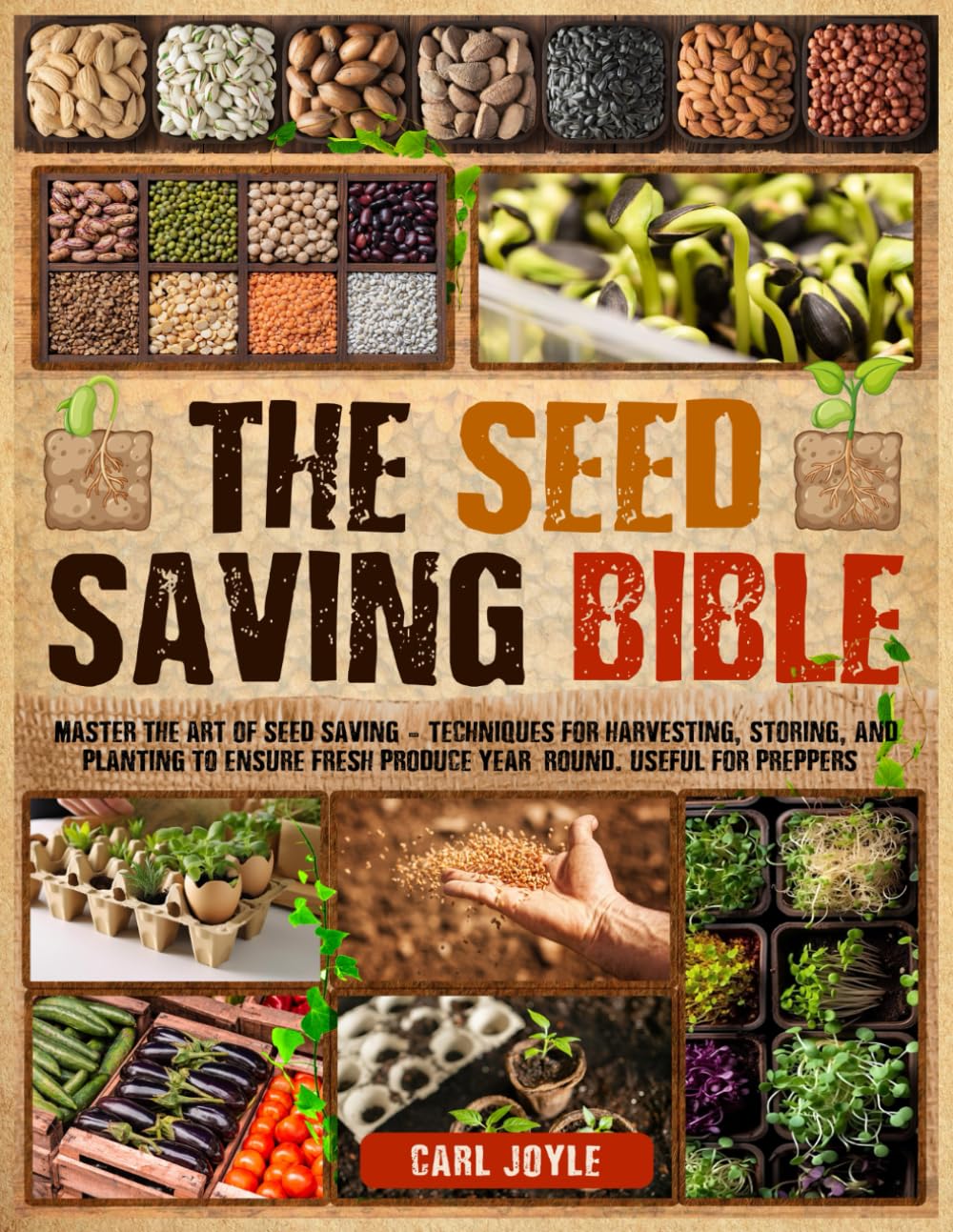
- The book covers a wide range of topics related to seed saving, making it a comprehensive guide for beginners and experienced gardeners alike.
- The book is written in an easy-to-understand language, making it accessible to everyone.
- The book includes helpful illustrations and diagrams that make it easy to follow along with the instructions.
Cons
- The book doesn’t include actual pictures of various seeds, which may be disappointing for some readers.
- The book may be too basic for experienced seed savers who are looking for more advanced techniques.
- The book is relatively short, with only 121 pages, which may make some readers feel like they didn’t get their money’s worth.
One of the things we love about this book is that it’s written in a way that’s easy to understand, even for those who are new to seed saving. If you’re looking to save seeds from your garden and ensure fresh produce year-round, we highly recommend this book. When you weigh all the factors, this one rises above the rest.
Best runner-up
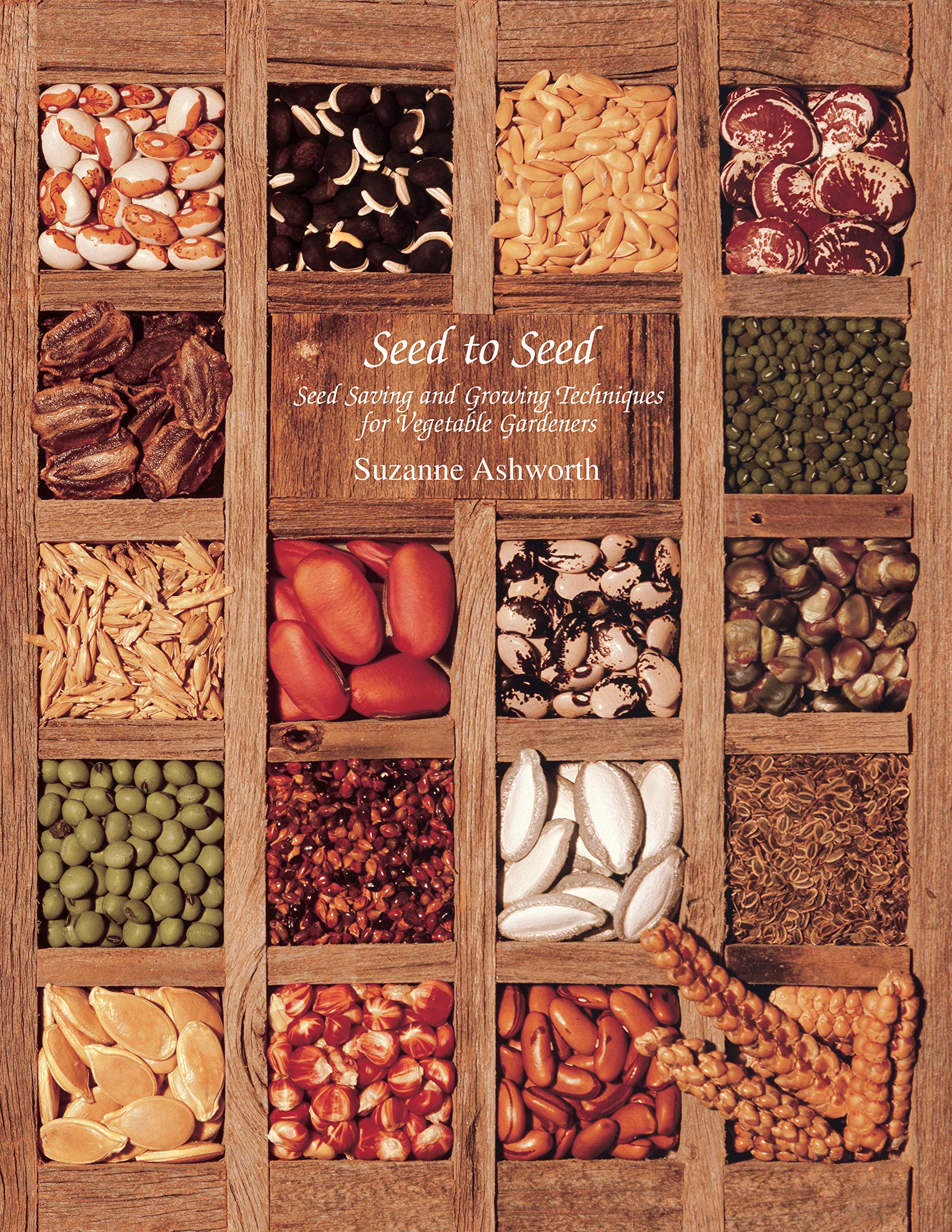
- Provides specific techniques for saving the seeds of 160 different vegetables
- Detailed information about each vegetable, including its botanical classification, flower structure, and means of pollination
- Thoroughly researched and tested techniques for the home garden
Cons
- Some readers may find the book text-heavy and old-fashioned black and white photos
- More reference charts and greater outlines/formatting would have been appreciated
- The book is relatively expensive
The author has grown seed crops of every vegetable featured in the book, and has thoroughly researched and tested all of the techniques she recommends for the home garden. Overall, if you plan to save seeds, you need the information in this book. It fits neatly into tight spots without sacrificing performance.
Best budget option
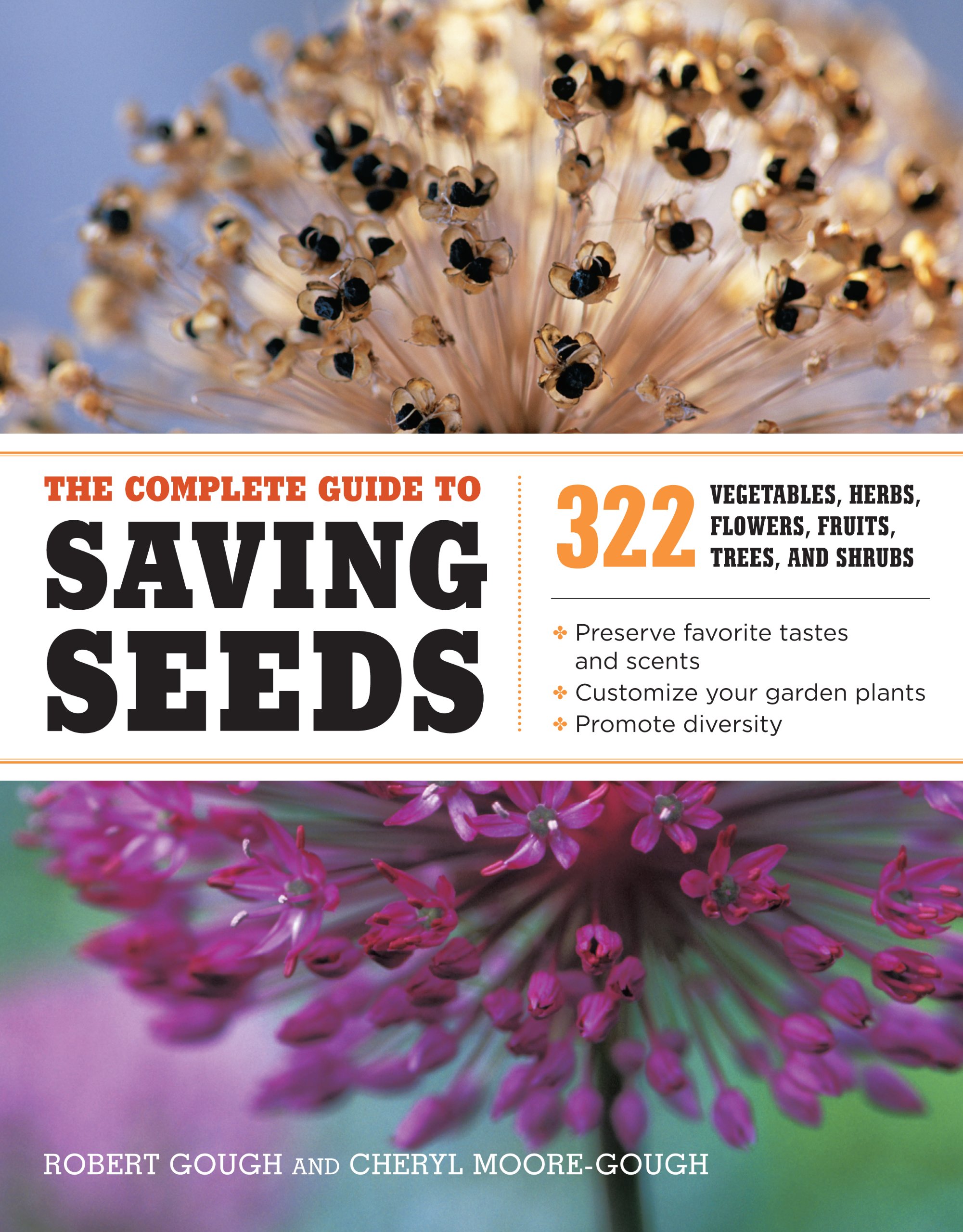
- Provides simple instructions for the whole seed-saving process
- Covers a wide variety of plants
- Helps preserve genetic diversity and cut costs
Cons
- May be overwhelming for beginners
- Some information may be repetitive
- Could benefit from more visuals
We found the book to be a great resource for anyone looking to save seeds and extend the life of their favorite plants. Overall, if you’re looking for a comprehensive guide to seed saving, we highly recommend The Complete Guide to Saving Seeds: 322 Vegetables, Herbs, Fruits, Flowers, Trees, and Shrubs. For this particular need, it’s the clear frontrunner.
Best premium choice
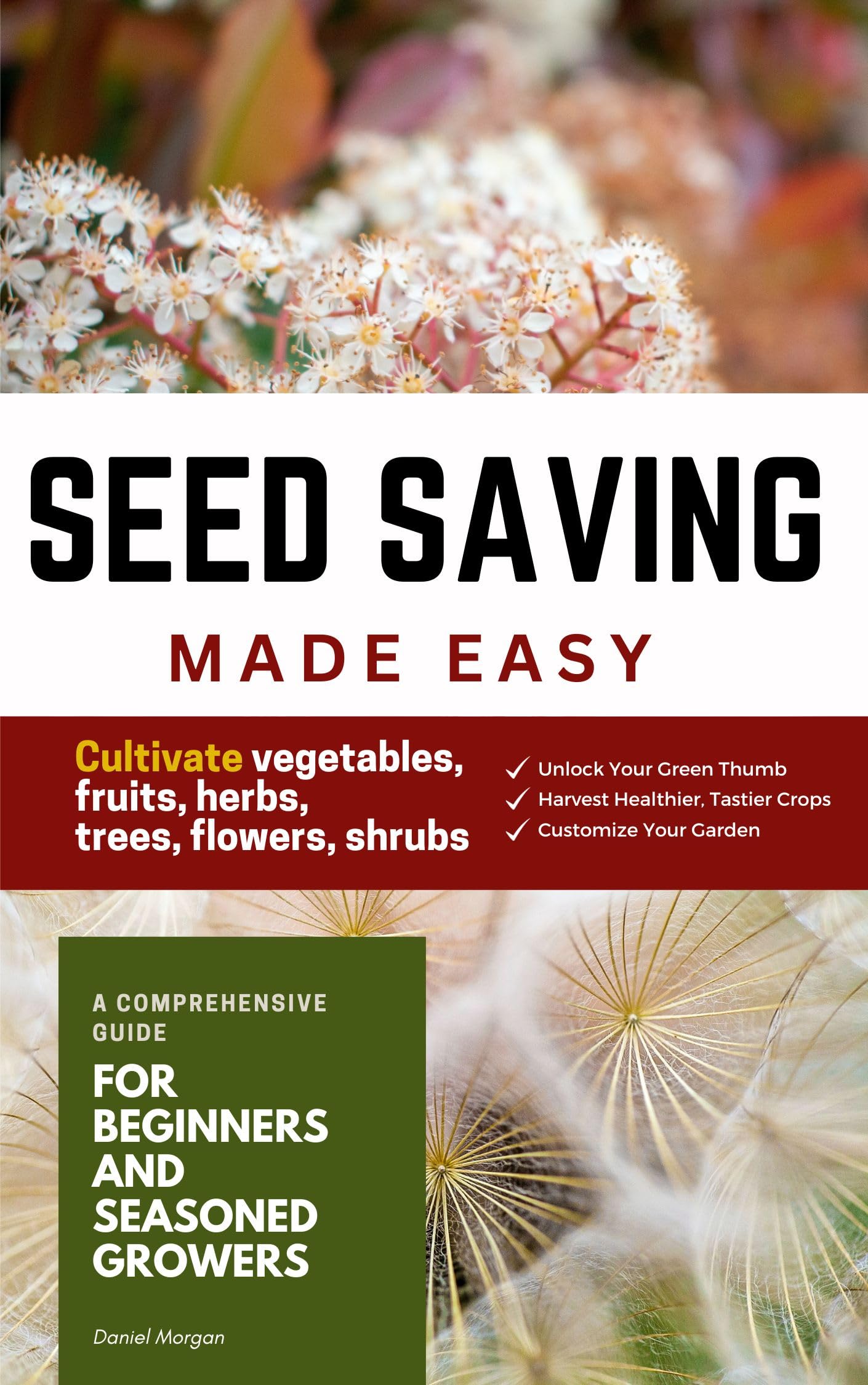
- A comprehensive guide that covers everything from plant biology to seed storage
- Provides clear and simple instructions that are easy to follow
- Helps gardeners maintain genetic diversity and save on costs
Cons
- Some readers may find the information overwhelming
- The book is only available in Kindle format
- The book is relatively short at only 112 pages
Seed Saving Made Easy is a must-have for any gardener who wants to embrace the art of cultivating, preserving, and thriving. Overall, we highly recommend Seed Saving Made Easy to anyone who wants to become a steward of nature’s intricate design. It takes the guesswork out of the equation for newcomers.
Also great
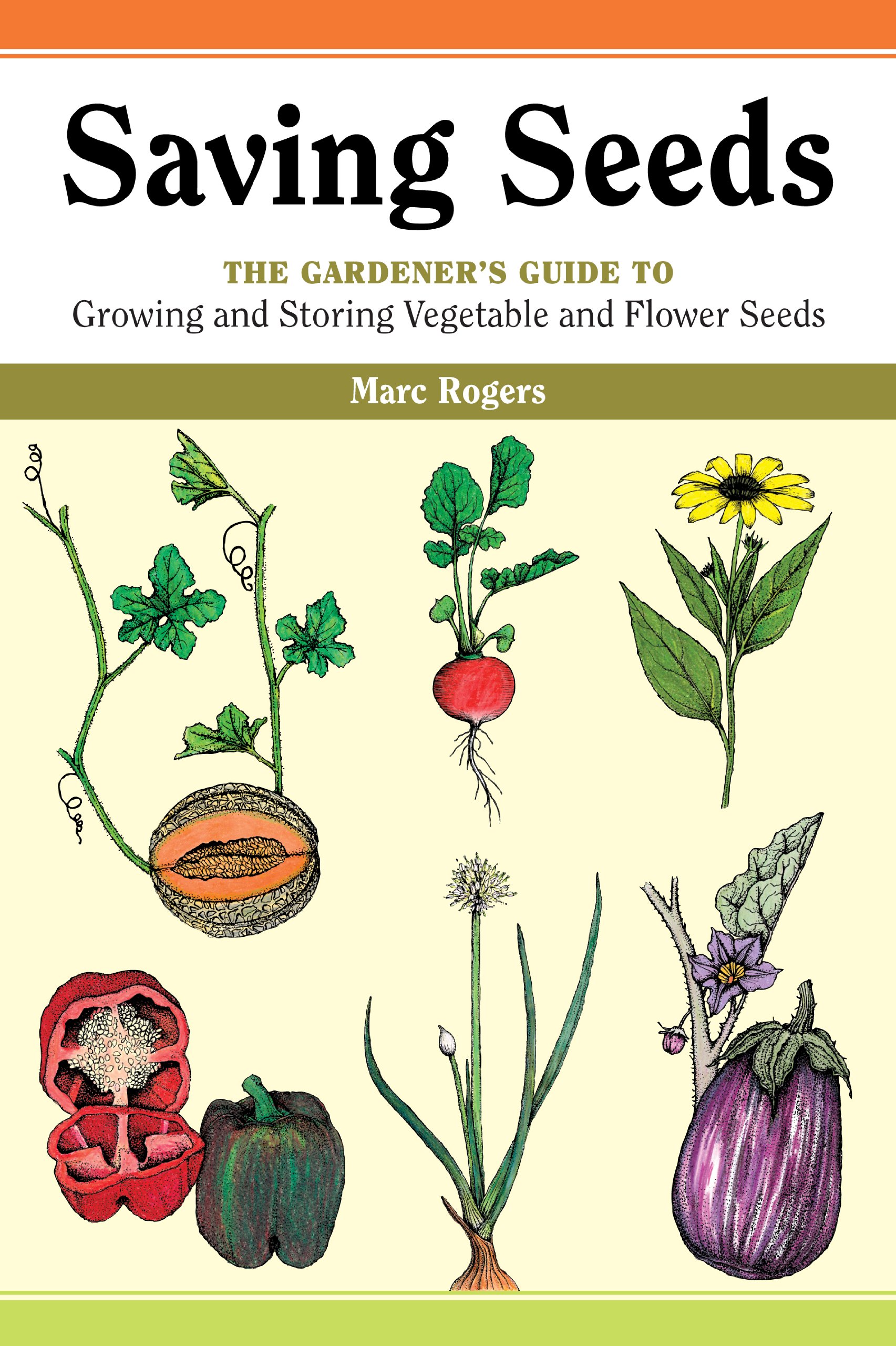
- Provides detailed seed information for each vegetable and flower, giving you everything you need to know about how to raise, harvest, and store seeds for a lifetime of fruitful home gardening.
- Packed with common-sense advice including how to pollinate, how to avoid unwanted crosses, and which plant qualities to look for.
- Written in a compact, clearly written style that is easy to understand and follow.
Cons
- Some readers may find the book to be too basic and lacking in more advanced techniques.
- The book was first published in 1990, so some of the information may be outdated.
- The book does not cover every plant variety, so you may need to consult additional resources for certain plants.
Saving Seeds: The Gardener’s Guide to Growing and Storing Vegetable and Flower Seeds is a comprehensive guide that covers everything you need to know about saving seeds. Overall, Saving Seeds: The Gardener’s Guide to Growing and Storing Vegetable and Flower Seeds is an excellent resource for anyone looking to save money on expensive yearly seed bills and preserve old-time and regional favorites. When space is at a premium, this compact build really shines.
Also great
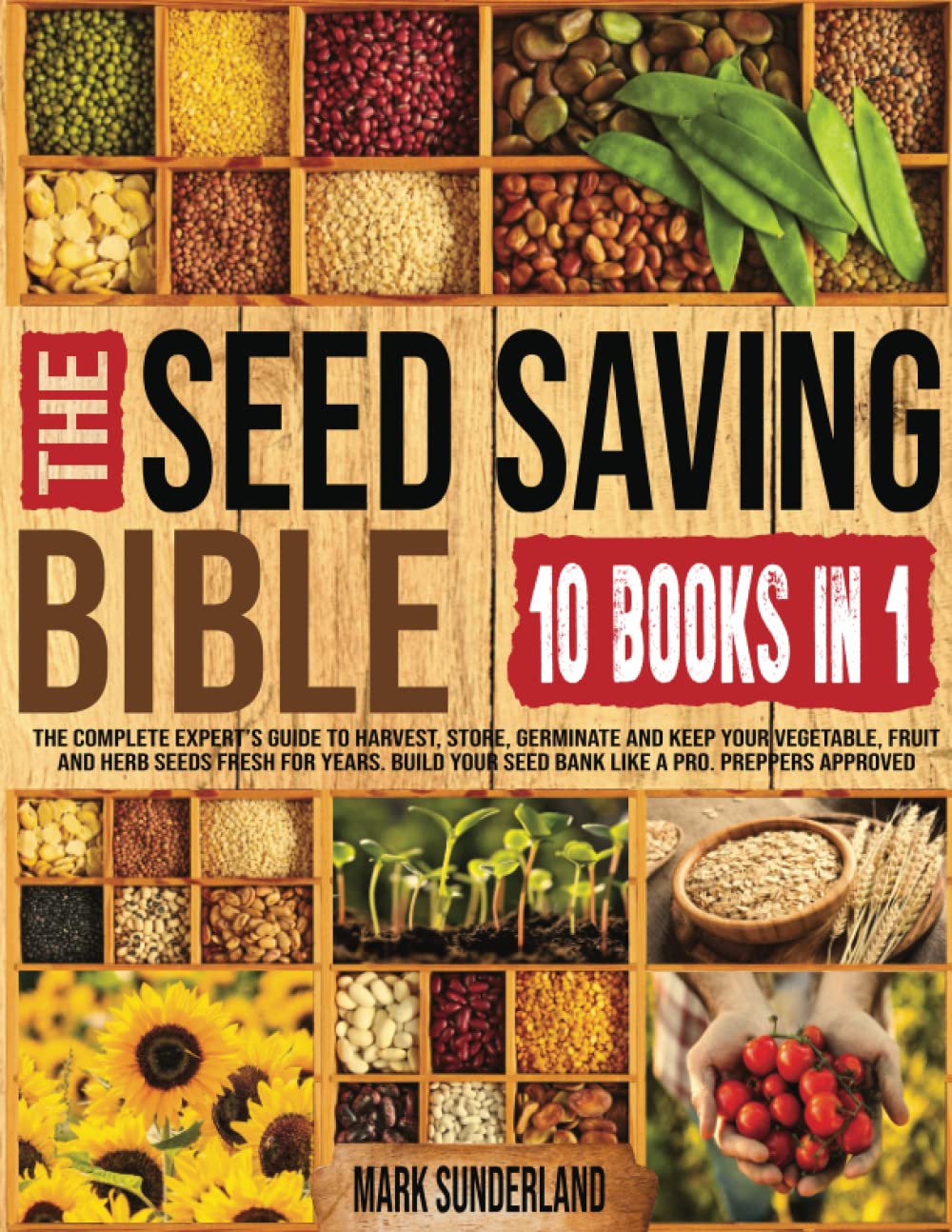
- Comprehensive guide covering every angle of seed-saving
- Bursting with step-by-step instructions, vivid illustrations, and tips you won’t find anywhere else
- Enables you to become the master of your own food supply
Cons
- Some parts are briefly covered that could benefit from more information
- Poor quality paper and black and white only
- “10 books in 1” is false advertising
We found this book to be an all-encompassing guide covering every angle of seed-saving – from harvesting and drying, all the way to storage and germination. Overall, we believe that THE SEED SAVING BIBLE is an indispensable resource for anyone looking to save seeds from a wide range of plants, including vegetables, herbs, flowers, and ornamentals. It’s a well-earned pick that lives up to the promise.
Buying Guide
When it comes to seed saving, choosing the right product can make all the difference. Here are some key features to look for when selecting seed-saving equipment:
Material
The material of the seed-saving equipment is important as it affects durability and the ability to keep the seeds dry. Look for products made from high-quality materials such as stainless steel or food-grade plastic. These materials are durable and won’t rust or corrode over time.
Size
The size of the seed-saving equipment is also an important consideration. If you plan on saving a large quantity of seeds, look for a product with a larger capacity. However, if you only plan on saving a small amount of seeds, a smaller product may be more appropriate.
Airflow
Good airflow is essential for seed storage. Look for seed-saving equipment that allows for good air circulation to keep the seeds dry and prevent mold or mildew from forming.
Labeling
Keeping track of your saved seeds is important for future planting. Look for seed-saving equipment that includes labeling options, such as a space to write the seed variety, date, and any other relevant information.
Price
Seed-saving equipment can range in price from inexpensive to quite costly. Consider your budget and the features you need when selecting a product. Keep in mind that investing in high-quality equipment can save you money in the long run by preserving the viability of your saved seeds.
By considering these features, you can choose the best seed-saving equipment for your needs and ensure that your saved seeds are preserved for future planting.

Glad I found this.
Thanks sylvia71! Let us know how it goes. -Plant Native Team