
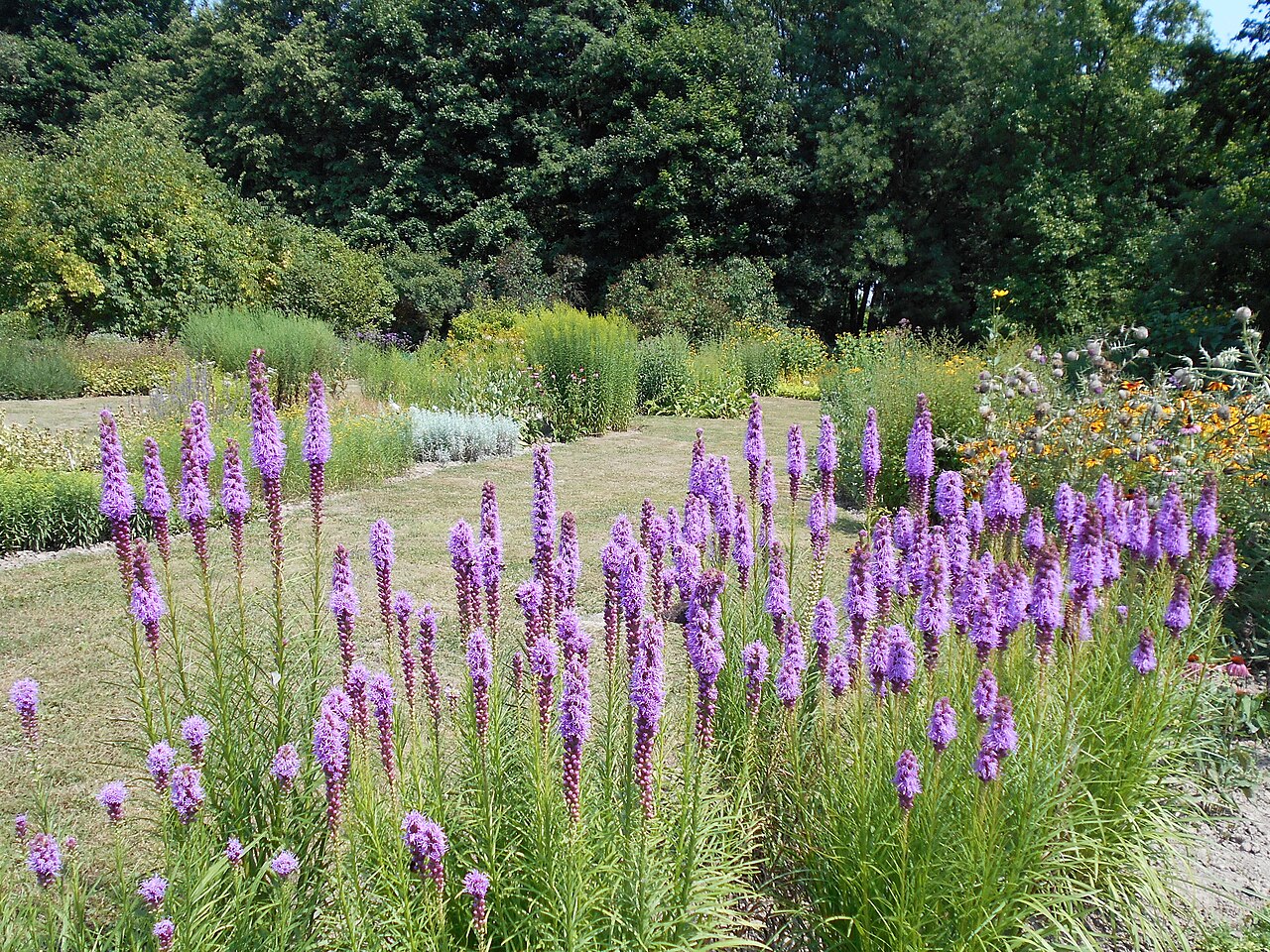
A well-established drift of dense blazing star at the UMCS Botanical Garden in Lublin. A planting this full may never need dividing, unless you want
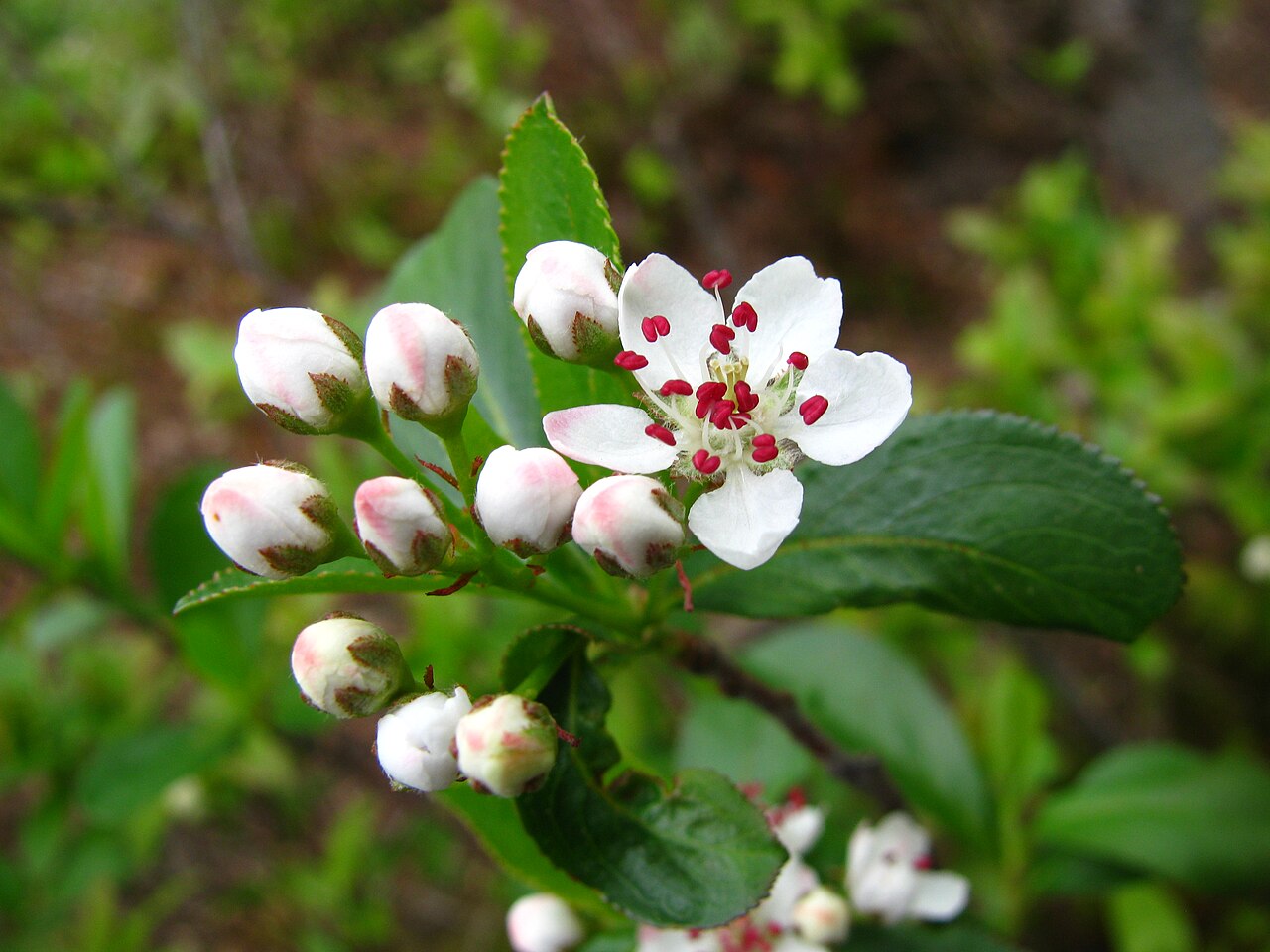
Black chokeberry in bloom on Mount Major, New Hampshire. In the wild it grows everywhere from bogs to rocky ledges. Photo: Jomegat, Wikimedia Commons (CC
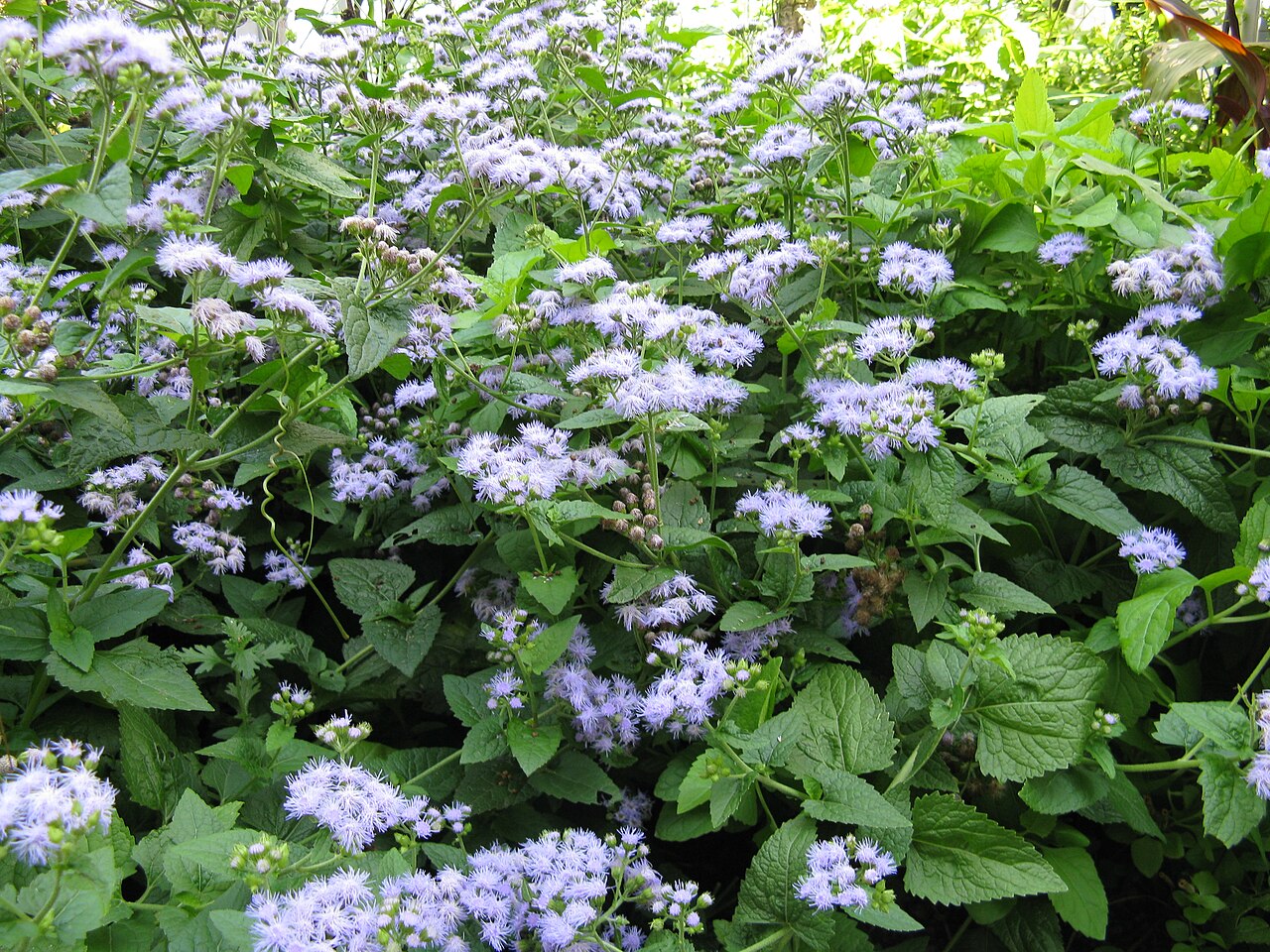
A full bed of blue mistflower in bloom. This is the look most gardeners want, as long as it stays where it was planted. Photo:
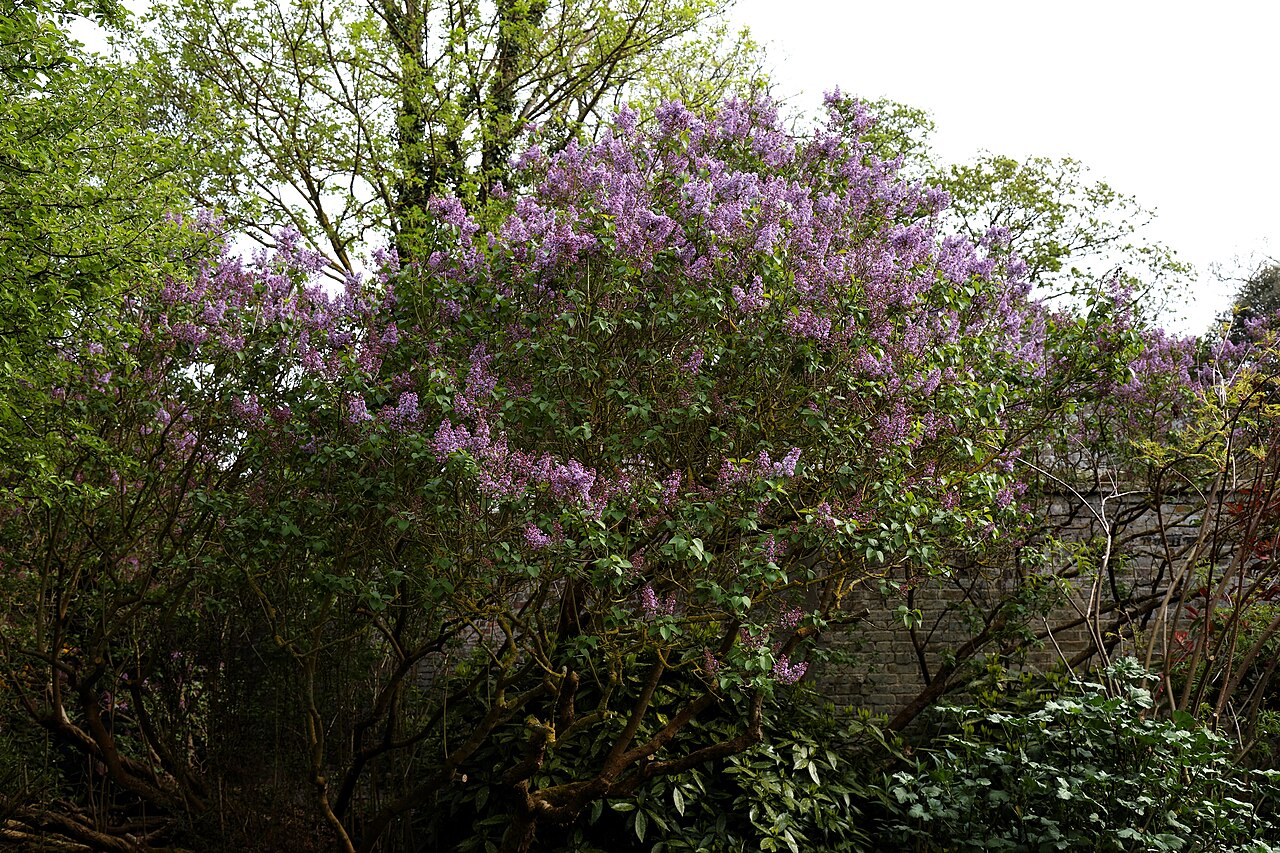
A classic overgrown lilac: bare, leaning trunks below and flowers only at the top, out of reach and out of sight. Birchington, Kent, England. Photo:

A tall dahlia border at Great Chalfield Manor, England, loaded with flowers. Heavy heads like these are what pull unsupported stems over. Photo: Michael Garlick,
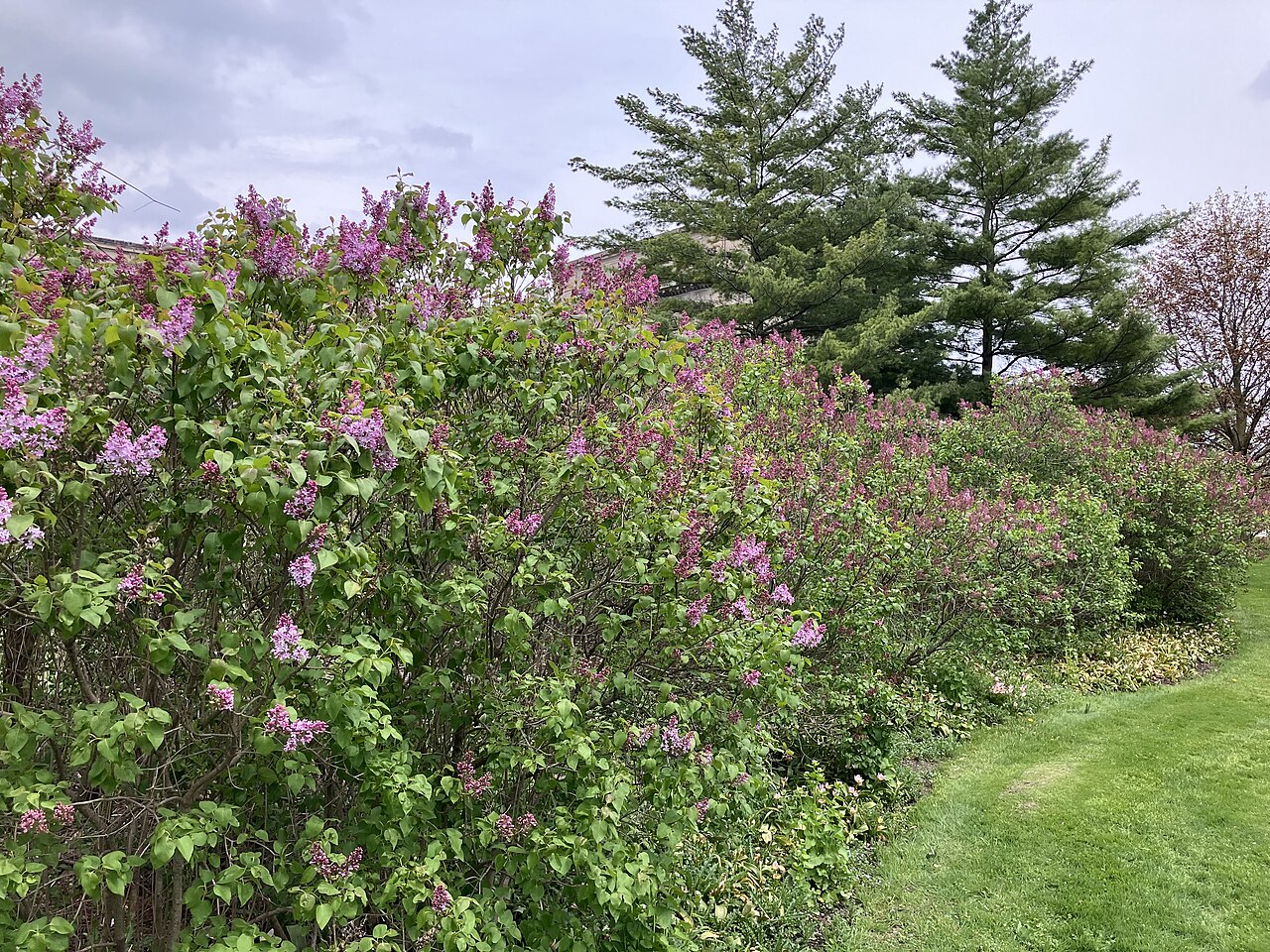
Common lilac left to sucker for years becomes a broad, continuous mass rather than a set of separate shrubs. Canada. Photo: Gogerr, Wikimedia Commons (CC
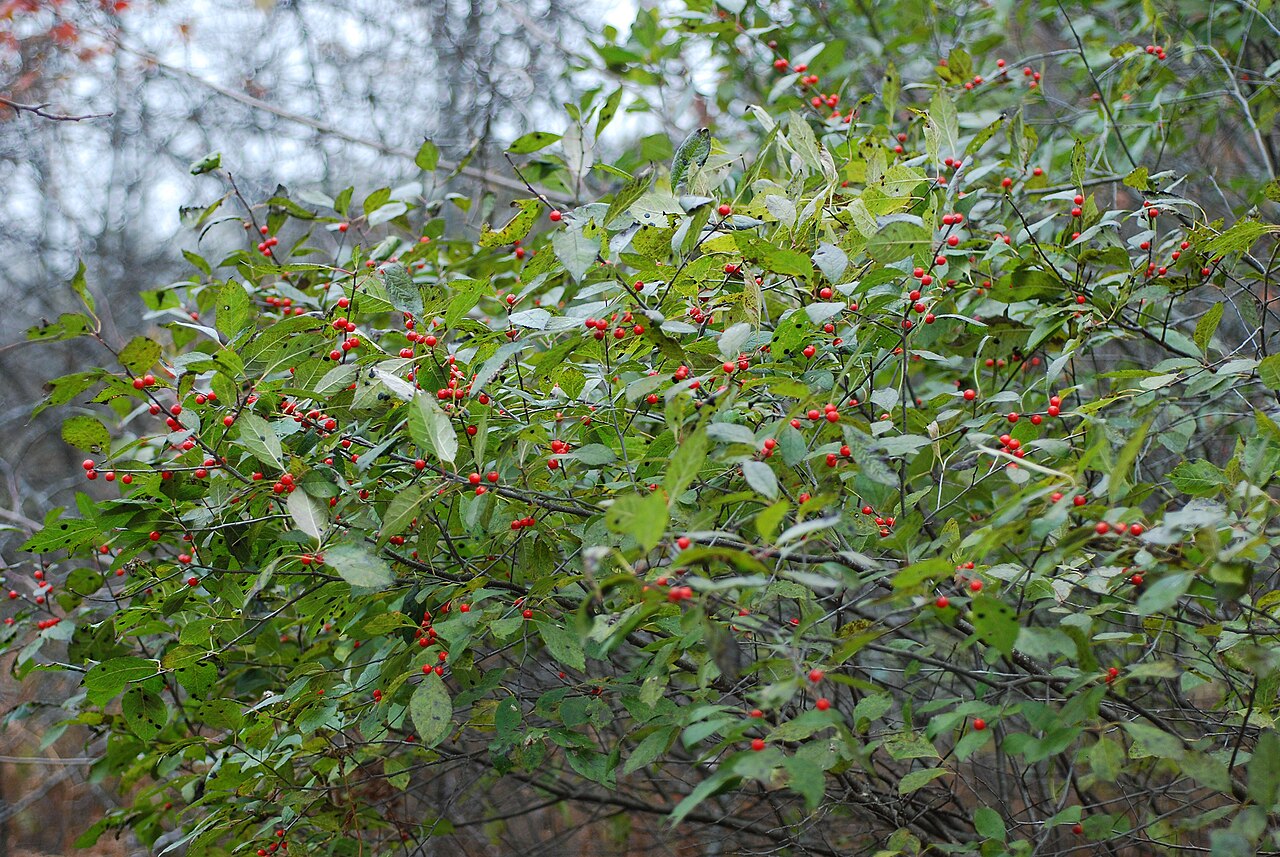
A mature winterberry that has filled out into a broad mound of stems. Shrubs like this respond well to gradual thinning from the base. Photo:
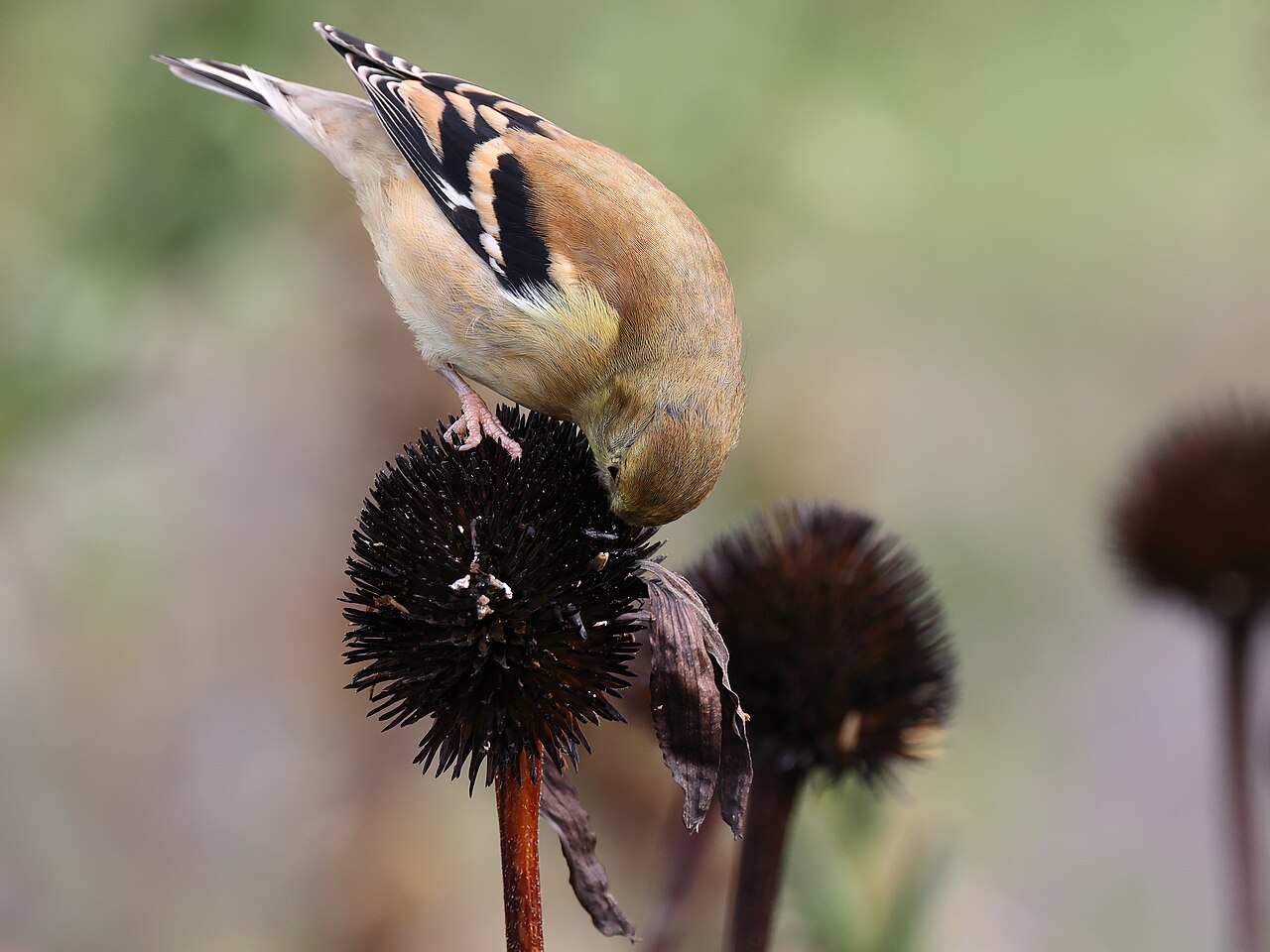
An American goldfinch working a purple coneflower seed head. Leaving cones standing feeds birds like this well into fall and winter. Photo: Cephas, Wikimedia Commons
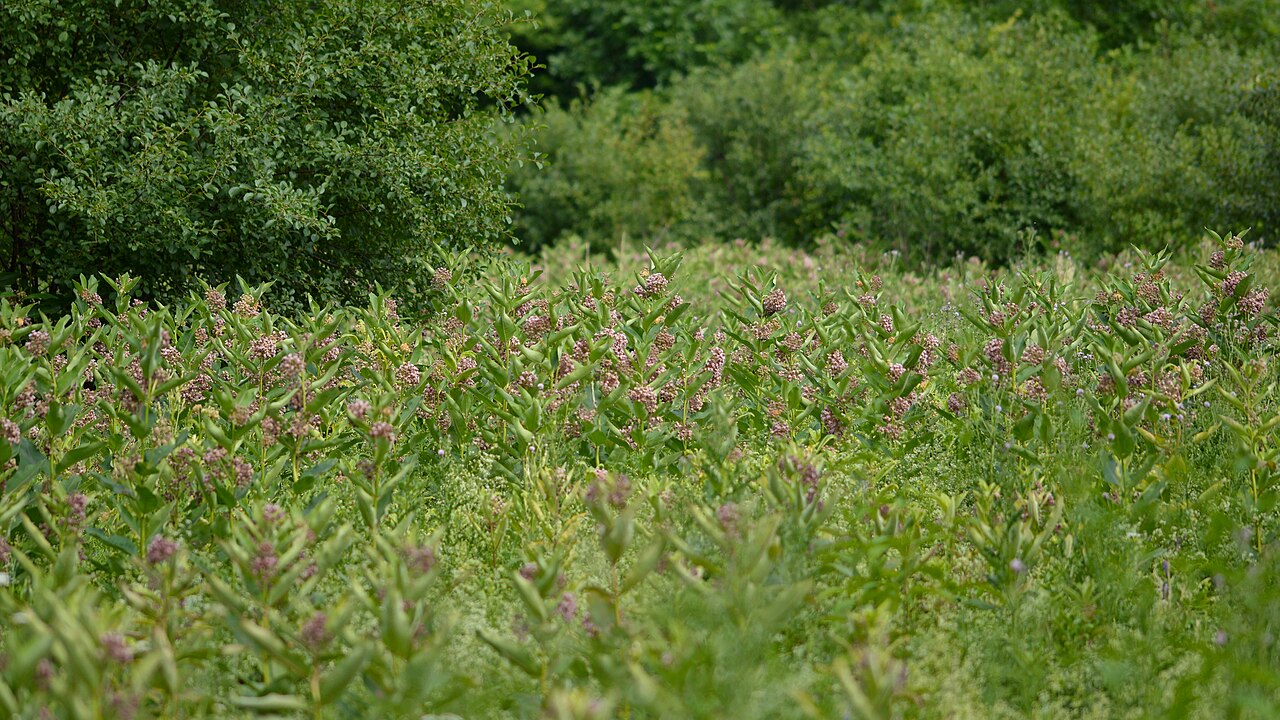
A meadow colony of common milkweed in London, Ontario. Given room, a single planting can become a patch like this. Photo: Ryan Hodnett, Wikimedia Commons
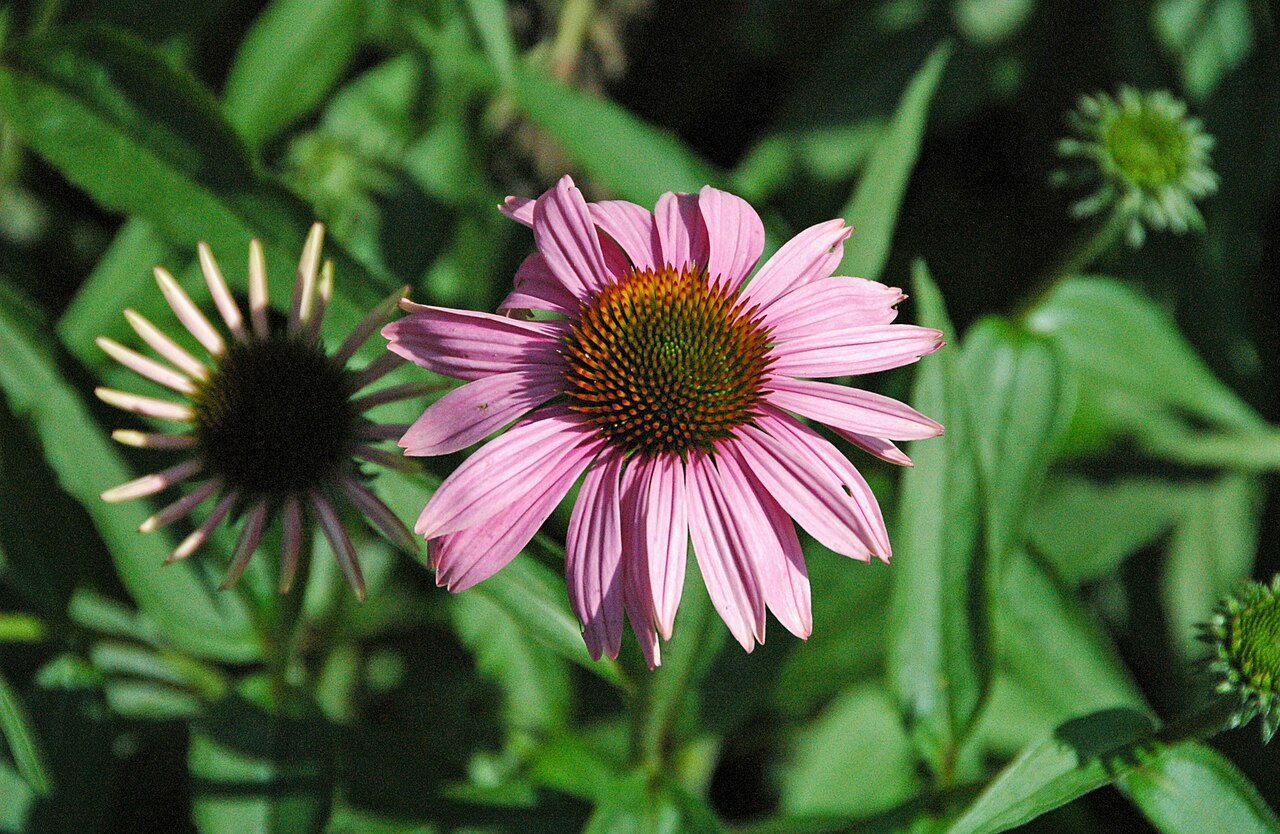
An established purple coneflower in bloom. A clump this vigorous rarely needs dividing. Photo: James St. John, Wikimedia Commons (CC BY 2.0) Dividing a purple
View More