
Our Favorite Drought-Tolerant Plants for Beginners: Top 5 Low-Maintenance Choices
We independently select all products and services. If you click through links we provide, Plant Native may earn a commission with no extra cost to you. As an Amazon Associate I earn from qualifying purchases.
Last updated: September 15, 2026
Drought-tolerant plants are becoming increasingly popular in gardens and landscapes across the country. These hardy species require minimal water once established, making them ideal for areas prone to dry spells or water restrictions.
Gardeners appreciate their low-maintenance nature and ability to thrive in challenging conditions.
For beginners, choosing the right drought-tolerant plants can be crucial to gardening success. These plants come in a wide variety of shapes, sizes, and colors, suitable for different garden styles and climates.
Some offer beautiful blooms, while others provide interesting foliage or architectural structure to outdoor spaces.
When selecting drought-tolerant plants, make sure to consider your specific climate, soil type, and sun exposure. Native plants often adapt best to local conditions.
We researched and tested numerous drought-resistant species to identify those that are both easy to care for and visually appealing for novice gardeners.
Our Favorite Drought-Tolerant Plants for Beginners
We’ve curated a list of top drought-tolerant plants perfect for novice gardeners. These resilient species thrive with minimal water, making them ideal choices for areas prone to dry spells or for those looking to conserve resources.
Our selections combine beauty and practicality, ensuring your garden stays vibrant with less maintenance.
Our top pick

- Beautifully written prose
- Blends indigenous wisdom with scientific knowledge
- Offers practical insights for sustainable living
Cons
- May be too poetic for readers seeking strictly scientific content
- Some concepts might be challenging for those unfamiliar with indigenous perspectives
- Length may be daunting for casual readers
Braiding Sweetgrass is a remarkable journey through the natural world, guided by Robin Wall Kimmerer’s expert hand. As we delved into its pages, we found ourselves transported to a realm where science and tradition intertwine seamlessly.
Kimmerer’s prose is nothing short of mesmerizing, weaving together botanical knowledge with indigenous teachings in a way that feels both enlightening and deeply personal.
The book’s structure is particularly engaging, with each chapter presenting a new facet of our relationship with plants and the earth. We were struck by how Kimmerer’s anecdotes and observations made complex ecological concepts accessible and relatable.
Her descriptions of harvesting wild strawberries or the intricacies of lichen symbiosis left us with a renewed sense of wonder about the natural world around us.
One of the most compelling aspects of Braiding Sweetgrass is its ability to challenge our preconceptions about environmental stewardship. Kimmerer’s insights into reciprocity and gratitude towards nature resonated deeply with us, offering a fresh perspective on how we can live more harmoniously with our planet.
While the book’s poetic style may not appeal to all readers, we found it to be a powerful tool for conveying the beauty and complexity of our natural world.
Best runner-up
- Bulk quantity covers large areas
- High germination rate
- Stunning fuschia blooms
Cons
- May require some watering
- Can grow quite tall
- Limited color variety
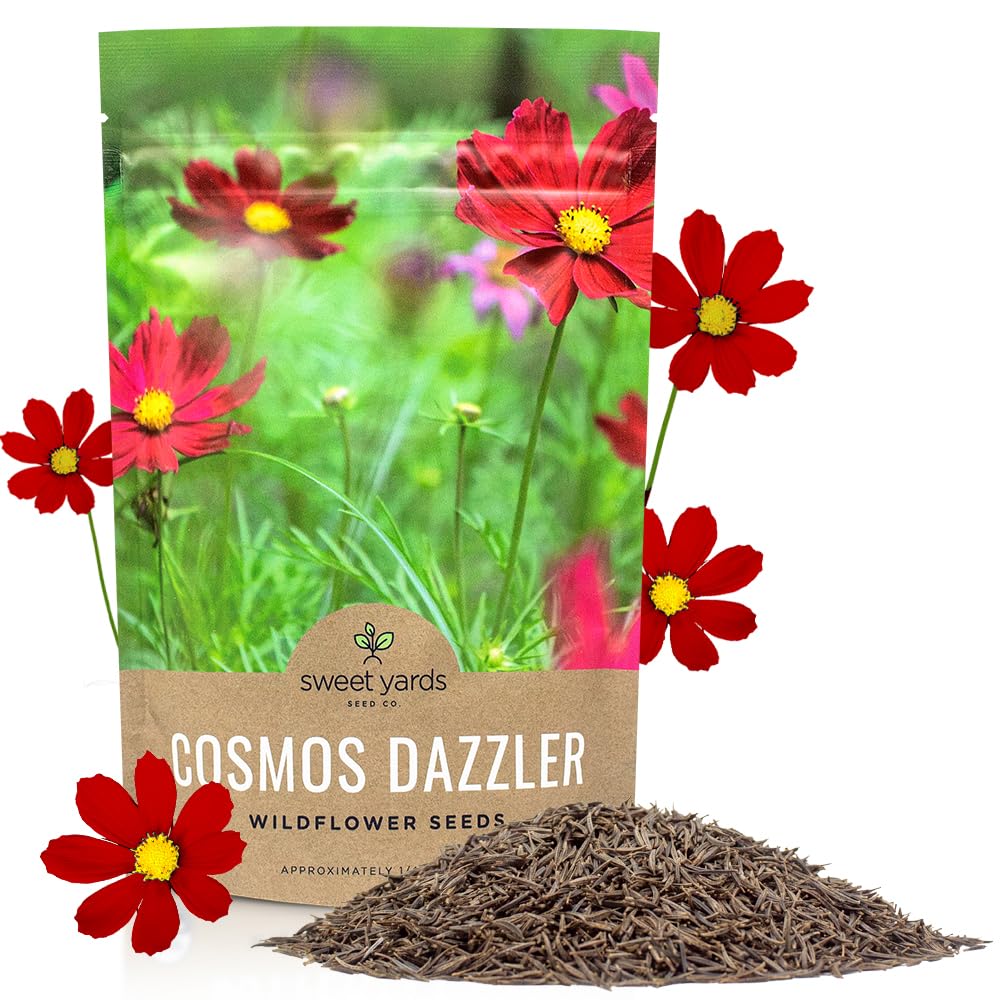
We recently planted these Dazzler Cosmos seeds in our garden, and we’re impressed by their quick germination and robust growth.
The 1/4 pound bag contains over 20,000 seeds, which is more than enough to cover a substantial area. We scattered them across a 600 square foot patch and still had plenty left over.
The deep fuschia petals with bright yellow centers create a stunning visual impact. These flowers have become the focal point of our garden, attracting plenty of pollinators. We appreciate that they’re drought-tolerant, though we did provide some water during the initial growth stages.
While the package promises a mix of colors, we primarily saw fuschia blooms in our garden. This wasn’t a major issue for us, as the vibrant hue is beautiful, but those seeking more variety might be slightly disappointed.
The plants grew taller than expected, reaching about 4 feet in height. This required some strategic placement in our garden layout.
When selecting drought-tolerant plants, we recommend considering the following key factors:
Choose plants that match the light conditions in your garden:
Ensure the plants can thrive in your climate by checking your USDA hardiness zone.
Consider the plant’s full-grown size to ensure it fits your space. Look at:
While drought-tolerant, some plants need more water than others. Check watering requirements:
Match plants to your soil conditions:
Fast-growing plants establish quickly but may need more maintenance. Slow-growing options often require less care.
Consider how much time you can dedicate to plant care:
By evaluating these factors, we can select drought-tolerant plants that will thrive in our specific garden conditions.
Buying Guide
When selecting drought-tolerant plants, we recommend considering the following key factors:
Sunlight Requirements
Choose plants that match the light conditions in your garden:
- Full sun (6+ hours direct sunlight)
- Partial sun/shade (3-6 hours direct sunlight)
- Full shade (less than 3 hours direct sunlight)
Hardiness Zone
Ensure the plants can thrive in your climate by checking your USDA hardiness zone.
Mature Size
Consider the plant’s full-grown size to ensure it fits your space. Look at:
- Height
- Width
- Spread
Water Needs
While drought-tolerant, some plants need more water than others. Check watering requirements:
| Water Needs | Description |
|---|---|
| Low | Minimal watering once established |
| Moderate | Regular watering during dry spells |
| High | Frequent watering, even when mature |
Soil Type
Match plants to your soil conditions:
- Sandy
- Loamy
- Clay
- Rocky
Growth Rate
Fast-growing plants establish quickly but may need more maintenance. Slow-growing options often require less care.
Maintenance Level
Consider how much time you can dedicate to plant care:
- Low: Minimal pruning, fertilizing, or pest control
- Moderate: Occasional maintenance tasks
- High: Regular attention and care required
By evaluating these factors, we can select drought-tolerant plants that will thrive in our specific garden conditions.
I tried something similar last spring and it worked out pretty well. Glad to see others recommending it too.