Low Maintenance Native Plants California for Sustainable, Drought-Resistant Gardens
Last updated: October 12, 2026
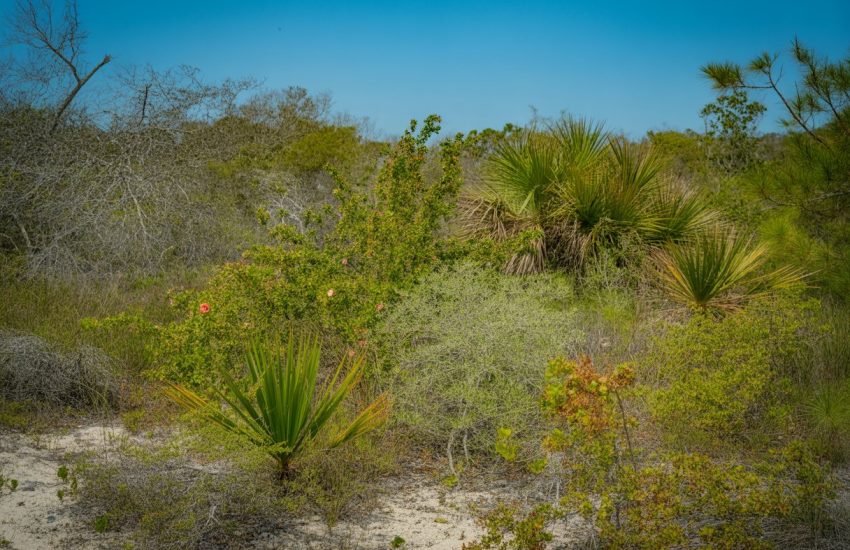
California’s climate really favors plants that thrive with hardly any fuss, so native species make a smart choice for anyone who wants a low-maintenance garden. These plants already know how to handle drought, tough soil, and local pests, so you don’t have to pour on the water, fertilizer, or chemicals. Low-maintenance native plants in California save water and help local wildlife, all without demanding your constant attention.
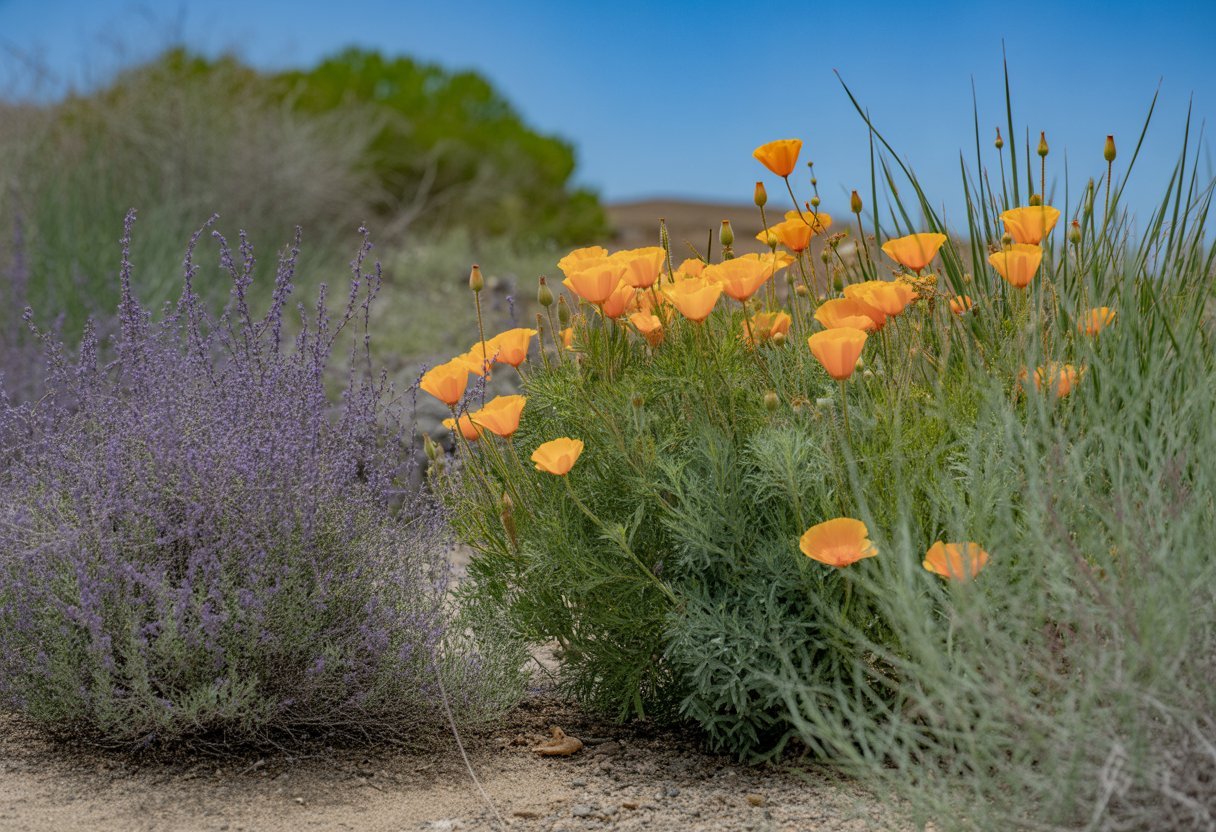
If you want a landscape that’s both sustainable and tough, native plants just fit right in. They save you time, cut down on resources, and bring a burst of biodiversity to your yard.
Knowing which native species can handle a little neglect helps you pick the right ones for your region. California’s a big place, after all.
Benefits of Low Maintenance Native Plants in California
Low-maintenance native plants really shine when it comes to saving water, supporting wildlife, and handling California’s wild swings in weather. If you want a garden that pretty much takes care of itself, these are the way to go.
Water Conservation and Drought Tolerance
California natives just shrug off long dry spells with barely any extra irrigation. Many of them send roots deep underground, tapping into moisture you’d never reach with a hose.
You can cut your water use way down by switching to drought-tolerant natives instead of thirsty exotics. That’s a big deal, especially with those relentless California droughts.
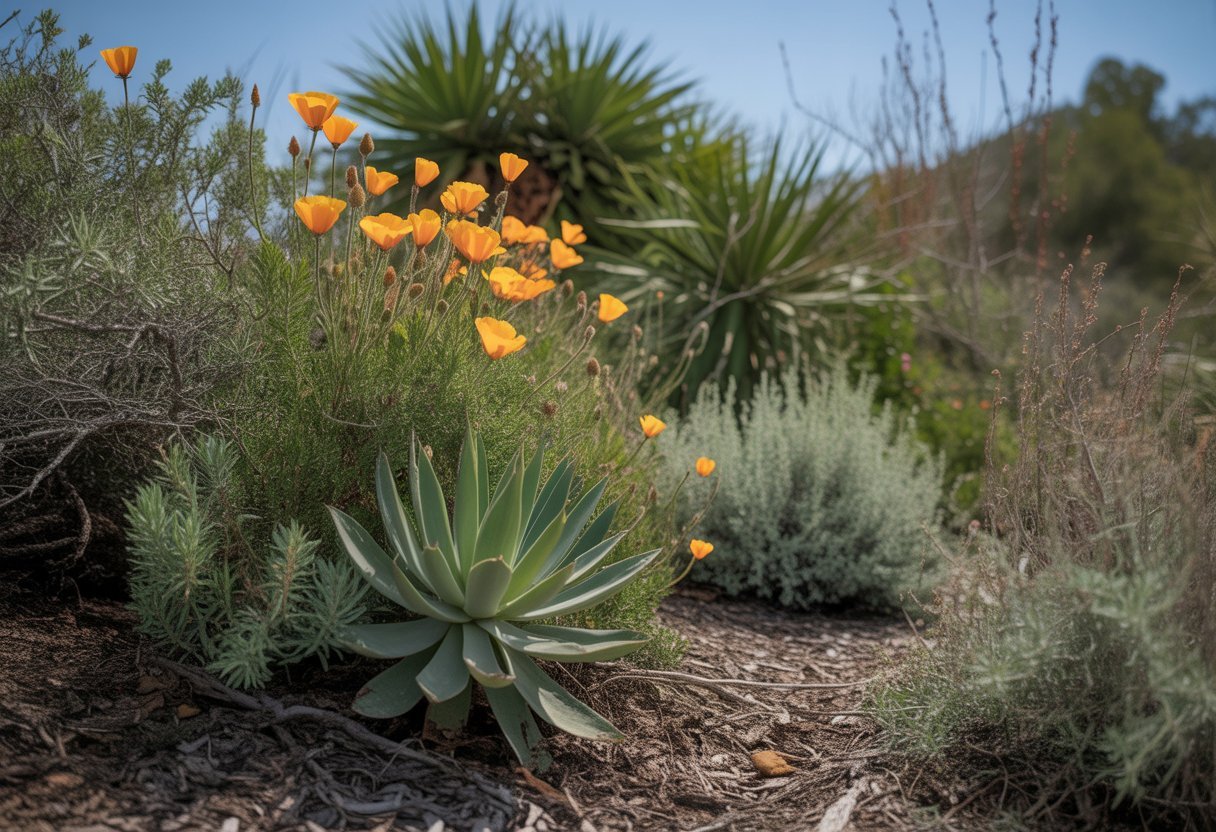
California poppy and purple sage are two stars—they keep looking good with hardly any water after they settle in. Homeowners and cities both save money and still get colorful, healthy landscapes.
Supporting Pollinators and Local Wildlife
Native plants feed and shelter local pollinators—think bees, hummingbirds, and butterflies. Their flowers serve up exactly what those creatures need, right when they need it.
By planting natives, you’re helping preserve what’s left of wild habitats in cities and suburbs. It’s good for bugs, birds, and even mammals that keep the ecosystem humming along.
If you mix up your plant choices so something’s always blooming, you’ll keep pollinators coming back all season. That’s how you keep your little patch of earth buzzing with life.
Adapting to California’s Mediterranean Climate
California’s got that classic Mediterranean thing: rainy winters, bone-dry summers. Native plants figured out how to handle it ages ago.
They breeze through temperature swings and don’t get cranky when the rain stops. Unlike imported plants, they don’t need pampering or tons of fertilizer just to survive.
Most California natives cruise through summer and winter without much from you—no obsessive pruning or chemical sprays needed. Their built-in toughness keeps maintenance low.
Top Low Maintenance Native Plants for California Gardens
These plants love full sun, barely need water, and give back to the local ecosystem. Whether you want a pollinator haven or a drought-proof yard, they fit right in.
California Poppy (Eschscholzia californica)
California poppy grows fast and doesn’t care if your soil is dry or rocky. Its bright orange blooms show up from spring through summer and barely ask for anything in return.
Give it full sun and decent drainage, and it’ll handle drought after it gets established. It reseeds itself, so you’ll get a fresh show each year with almost no effort. Plus, it’s the state flower—hard not to feel a little proud seeing it in your yard.
Showy Milkweed and Other Species for Pollinator Gardens
Showy milkweed offers nectar and leaves for monarchs and bees, making it a pollinator favorite. It likes sunny, dry spots and doesn’t need much water once it’s settled in.
Other native milkweeds also help pollinators and work well in low-maintenance gardens. Pair them with wild rose or other natives to create a more balanced, lively garden.
Buckwheat Varieties (Eriogonum spp.)
Buckwheats don’t mind poor, rocky soil and thrive in full sun. Their little clusters of white or pink flowers pull in bees, butterflies, and other good bugs.
These plants stay low and compact, so they’re great for groundcovers or borders. Once they take root, you can almost forget about them—just enjoy the blooms.
Salvia spathacea and Other Drought Tolerant Favorites
Salvia spathacea, or hummingbird sage, smells great and shrugs off drought. It likes a bit of shade but can handle sun if you water it now and then.
Its magenta flowers pop up from late winter into spring, drawing in hummingbirds and native bees. The evergreen leaves look good all year, so you won’t have bare spots. Wild rose and other drought-tolerant natives add structure and color with hardly any extra work.
Designing and Maintaining a Low Maintenance Native Garden
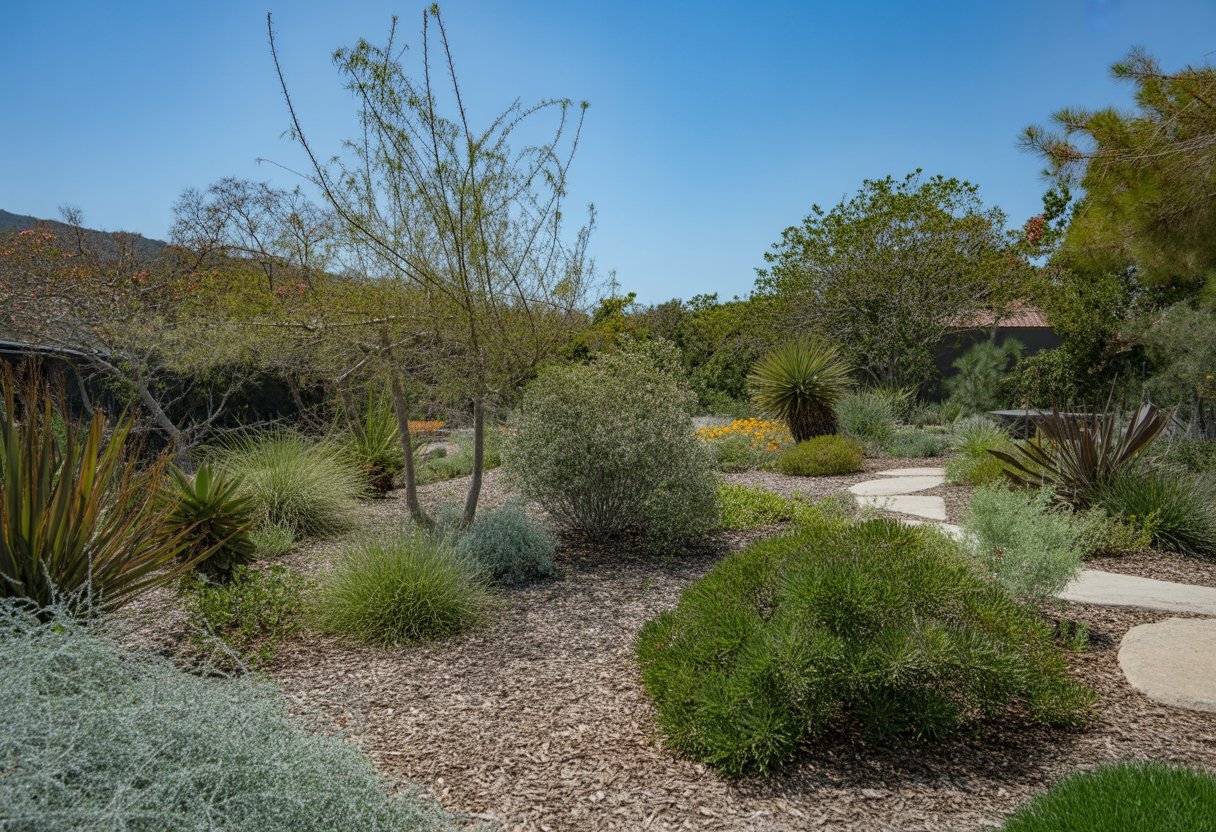
A native garden works best if you pay attention to soil, sun, and watering habits. Picking the right plant for the right spot really cuts down on future headaches.
Selecting Plants by Soil Type and Sun Exposure
Native plants have their own soil preferences. Sandy soils drain fast, so Eriogonum fasciculatum (California buckwheat) and Salvia mellifera (black sage) love them.
Clay holds moisture longer and can support Ceanothus species. Full sun spots need drought-tolerant plants like Artemisia californica (California sagebrush) and Dudleya succulents.
If you’ve got some shade, Rhamnus californica (coffeeberry) or Mahonia species do well. Matching plants to your soil and sun just makes everything easier, honestly.
Minimal Irrigation and Watering Strategies
Deep, occasional watering works better than frequent sprinkles for native gardens. It pushes roots deeper and helps plants handle drought.
Drip irrigation targets roots without wasting water. Watering early in the morning keeps evaporation down.
A layer of mulch saves moisture and keeps weeds in check. Check soil moisture now and then so you don’t accidentally drown or dry out your plants.
Seasonal Considerations and Dry Summers
California’s dry summers mean you need plants that won’t freak out without water. Many natives go dormant in the heat, so you can skip watering for weeks.
Plant in fall or early spring to take advantage of winter rains. That way, roots get established before summer hits.
Skip heavy fertilizer when it’s dry; natives don’t need rich soil. Focus on pulling out invasive weeds that might crowd out your plants during tough times.
Educational Resources and Expert Recommendations
If you want reliable advice on native plants, California has some solid resources. Local experts and organizations offer plant lists, care tips, and habitat info to help you make smart choices.
California Native Plant Society and Theodore Payne Foundation
The California Native Plant Society (CNPS) runs an extensive online database and hosts local events about native plant gardening. Their guides make it easy to find plants that fit your climate and don’t need much work.
Theodore Payne Foundation focuses on education and native seeds. They offer workshops, plant care sheets, and even demo gardens that show what sustainable landscaping looks like.
Both groups put out plant nursery directories and info on restoration projects. If you’re serious about cutting water use and helping wildlife, they’re worth checking out.
Las Pilitas Nursery and Local Sources
Las Pilitas Nursery is a go-to spot for California natives. Their website has detailed species profiles and even a search tool so you can filter by sun, water, and soil needs.
They grow regionally adapted plants, making it easier for you to keep things low maintenance. Local plant sales and city programs also help you find healthy natives that don’t need much fuss.
With these resources, you’ll have plenty of options for a garden that’s both beautiful and easy to care for.
Mapping Natural Habitats and Region-Specific Advice
Getting a handle on local natural habitats really matters when you’re picking native plants that won’t need much fuss. CNPS and a bunch of other conservation groups have maps that show ecological zones, soil types, and which plant communities thrive where.
With these maps, gardeners can actually match their choices to the real-life conditions outside their door. That means less need for extra water, fertilizer, or constant pest control—who wants more chores?
A lot of region-specific advice digs into things like how much rain you can expect and which plants are fire-safe in California’s wild, varied landscape.