Drought Tolerant Native Plants Florida for Sustainable Landscaping Solutions
Last updated: October 10, 2026
Florida’s climate can be tough on gardeners, especially when the rain just doesn’t come. Picking drought tolerant native plants lets you keep your landscape healthy without constantly dragging out the hose.
These plants have adapted to Florida’s natural conditions and, honestly, they don’t need much water once they get going.
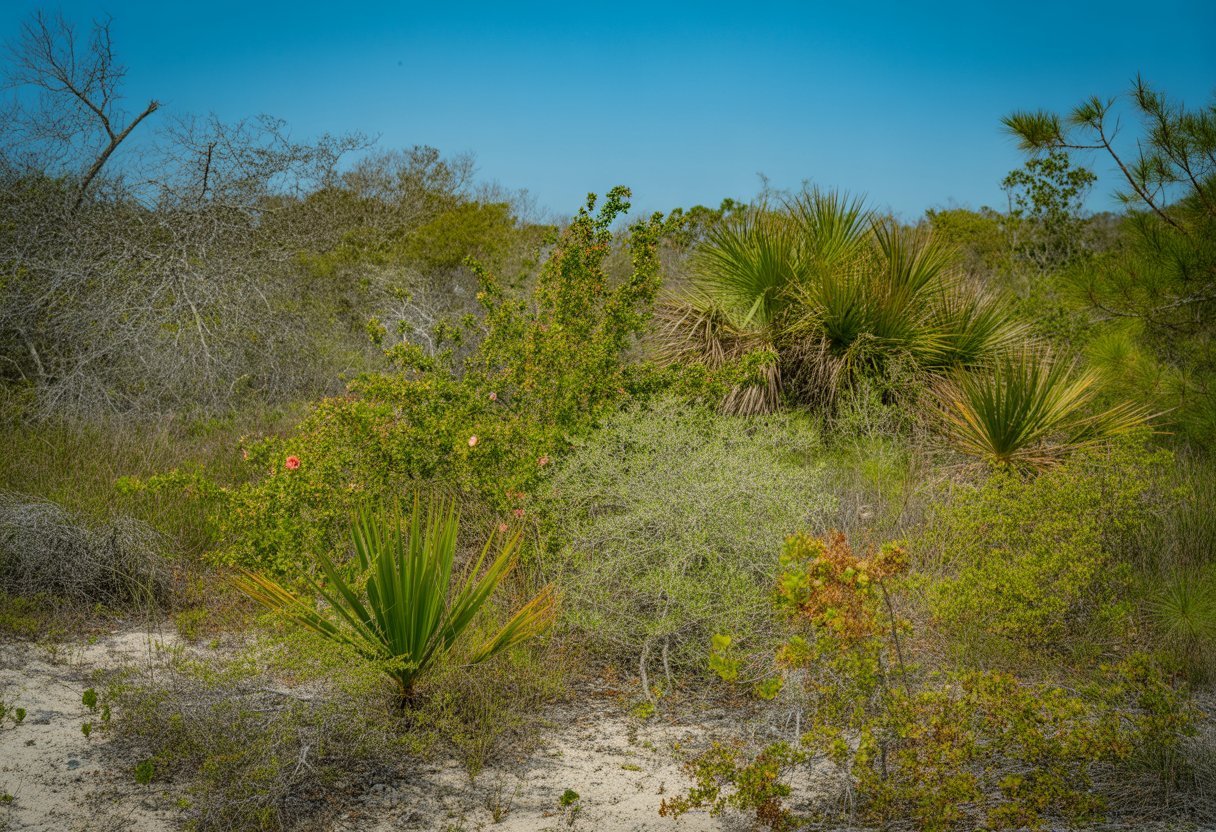
Coontie, black-eyed Susan, and muhly grass really shine in dry soil and heat. They’re perfect for sustainable gardens.
Plus, these native species help local wildlife and cut down on the need for chemicals.
Knowing which native plants shrug off drought helps gardeners build low-maintenance, resilient outdoor spaces. It’s a win for your water bill and for Florida’s wild side.
Benefits of Drought Tolerant Native Plants in Florida
Drought-tolerant native plants in Florida just make sense. They cut water use, support wildlife, and don’t ask for much in return.
These plants have figured out how to thrive in Florida’s climate, so they’re a smart, sustainable pick for landscaping.
Water Conservation
Florida native plants like coontie and muhly grass send roots deep to find moisture underground. They don’t need as much watering as non-natives.
If you swap in drought-tolerant species, you’ll see your outdoor water use drop—especially during dry spells or water restrictions. You could save thousands of gallons each year just by planting what belongs here.
Less watering means less strain on local water resources. It’s a practical way to keep your landscape healthy and help the environment.
Supporting Local Wildlife
Native plants create vital habitats for Florida’s insects and animals. A lot of drought-tolerant natives serve as nectar sources for butterflies and hummingbirds.
Lantana and firebush keep blooming even when it’s dry, feeding pollinators when other plants can’t. That’s a big deal for keeping these populations strong.
Native plants also offer shelter and nesting spots for all sorts of wildlife. Planting them helps Florida’s natural food webs stay intact.
Reducing Maintenance and Cost
Drought-tolerant native plants don’t need a ton of effort or money. Their built-in resistance to local pests and diseases means fewer chemicals and less replacing dead plants.
Natives that are used to Florida’s soil and weather get by with little fertilizer or pruning. That means less work and less spending for you.
If you want healthy plants without the hassle, native drought-tolerant options are honestly hard to beat.
Popular Drought Tolerant Native Plants for Florida Landscapes
Florida has a bunch of native plants that handle drought, look good, and help the ecosystem. These species support wildlife and don’t need much water once settled in.
Firebush and Its Wildlife Value
Firebush (Hamelia patens) stands out with its bold red-orange tubular flowers. Hummingbirds and butterflies love it—especially monarchs if you’ve got milkweed nearby.
After it gets established, firebush barely flinches at dry spells and adapts to different soils. That’s flexibility you can use.
This shrub grows 6 to 10 feet tall and gives small animals a place to hide. It likes full sun or partial shade and doesn’t attract many pests.
Its flowers keep showing up almost all year, so pollinators have a steady food source.
Beautyberry and Landscape Uses
Beautyberry (Callicarpa americana) pops with purple berries that stick around into winter, feeding birds and small mammals.
It grows 3 to 6 feet tall and spreads out nicely, so you can use it in wild or formal designs. Once it’s settled, beautyberry shrugs off drought and likes well-drained soil with sun or light shade.
In summer, clusters of small lavender flowers attract bees and butterflies. It takes well to pruning, making it a handy choice for hedges or as a standout plant.
Blanketflower and Pollinator Attraction
Blanketflower (Gaillardia pulchella), or Indian blanket, thrives in Florida’s sandy, dry spots. Its bright red and yellow flowers bloom from spring through fall, drawing in native bees, butterflies, and other pollinators.
It needs full sun and good drainage, but it stays compact—usually under 2 feet tall. That’s perfect for borders or big sweeps of color.
Blanketflower pairs well with other natives like coreopsis and beach sunflower, boosting biodiversity in tough spots.
Coontie: Florida’s Ancient Cycad
Coontie (Zamia integrifolia) grows slowly and handles Florida’s dry, sandy habitats with ease. Its deep roots and tough leaves help it survive drought.
Coontie rarely tops 3 feet, so it works as a groundcover or accent. It’s the host plant for atala butterfly larvae, which is honestly pretty cool.
It likes partial shade or sun and well-drained sandy soil. Native Americans once used it for starch; today, it’s a tough, wildlife-friendly pick.
Creating a Florida Friendly Yard with Native Ground Covers
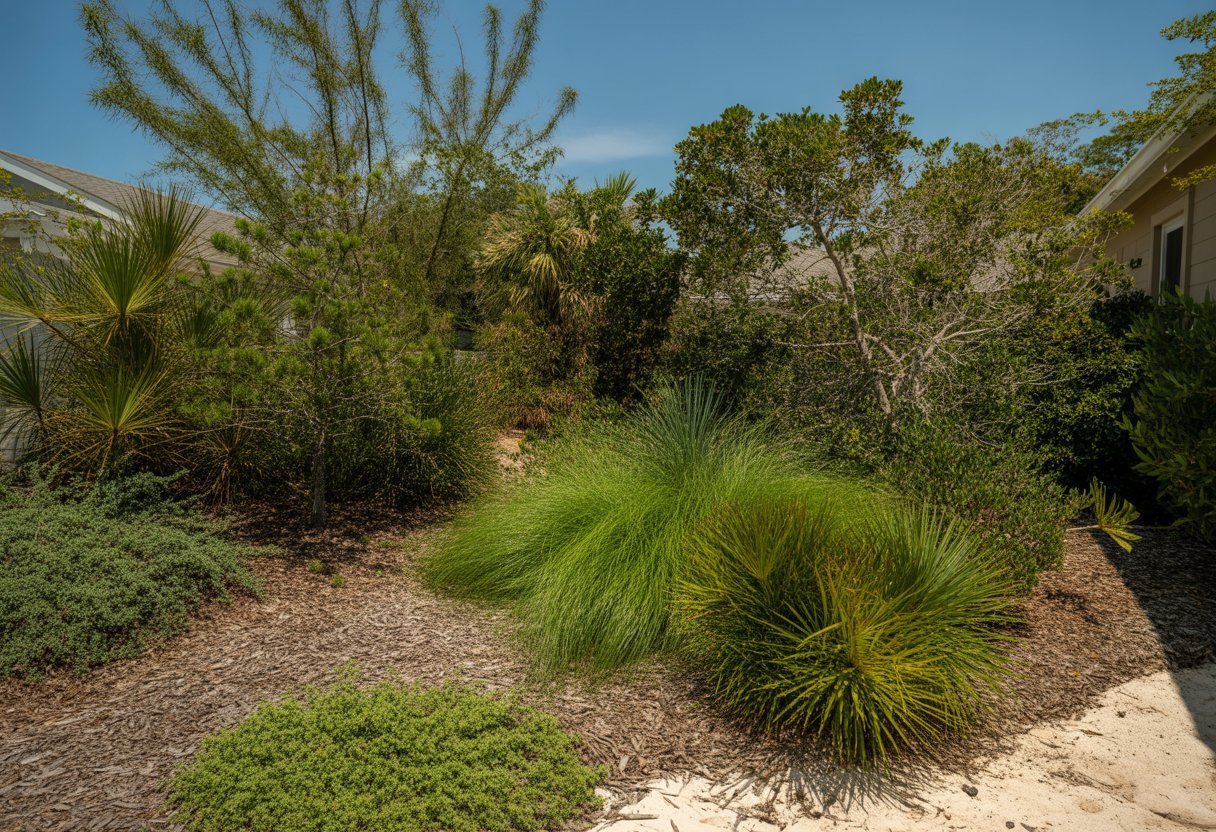
A Florida friendly yard mixes drought-tolerant natives to cut water use and help wildlife. Picking the right ground covers and plants lets you handle sun and shade while keeping pollinators happy.
Low Water Ground Cover Options
Native ground covers like Frogfruit (Phyla nodiflora) and Beach sunflower (Helianthus debilis) get by with barely any irrigation. They don’t mind dry spells or rough soil, which saves water.
Frogfruit spreads fast and can take some foot traffic, so it’s great where grass won’t grow. Beach sunflower adds bright color and brings in pollinators, all while staying drought-tough.
Marlberry (Ardisia escallonioides) works as a low-maintenance ground cover in partial shade. Once it’s settled, it barely needs extra water and its berries attract wildlife.
Planting for Butterflies and Hummingbirds
If you want a lively butterfly garden, go for native flowering ground covers. Tickseed (Coreopsis spp.) and Coontie (Zamia pumila) offer nectar and spots for butterfly larvae.
Hummingbirds really go for tubular flowers like those on Coral honeysuckle (Lonicera sempervirens). Tuck them in with your shrubs and you’ll see more pollinators.
Choose ground covers that bloom at different times, so pollinators always have something to eat from spring through fall.
Sunlight and Shade Considerations
Sunlight matters when picking ground covers. Frogfruit loves full sun and does best with at least 6 hours of light.
In shady spots under trees, Marlberry and Coontie hold up well and keep things green where grass fails. Shade-tolerant plants might want a bit more water but don’t need as much sun.
Match the plant to your yard’s light, and you’ll have less stress and less watering to worry about.
Best Practices for Sustainable Landscaping and Avoiding Invasive Species
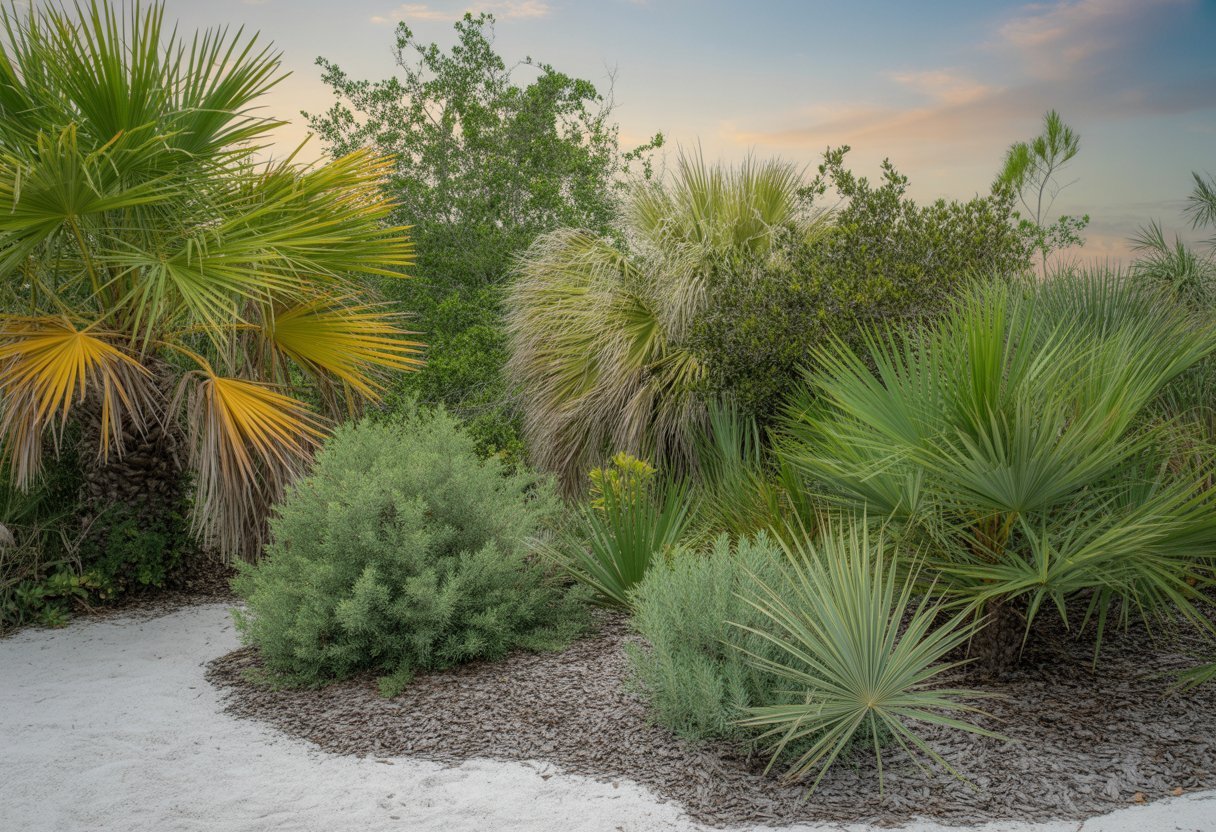
Sustainable Florida landscaping comes down to picking the right plants, keeping out invaders, and caring for your garden in ways that fit the local climate. The right choices really do save water and protect native habitats.
Selecting True Florida Native Plants
Choose plants that are truly native to Florida for the best shot at drought tolerance and easy care. Real natives support local wildlife and don’t need much extra water or fertilizer.
Check plant origins with local nurseries or native plant groups. Don’t just trust labels like “Florida-friendly”—some of those are actually non-native drought-tolerant species.
Good drought-tolerant natives include Coontie (Zamia integrifolia), Muhly Grass (Muhlenbergia capillaris), and Blanket Flower (Gaillardia pulchella). They’re built to handle Florida’s dry spells and help you save water.
Managing Invasive Species
Invasive species mess with native ecosystems by stealing resources from Florida’s own plants. They can change the soil and water balance, making life harder for drought-tolerant natives.
Watch out for invasives like Brazilian Pepper (Schinus terebinthifolia) and Melaleuca (Melaleuca quinquenervia). Remove them quickly and don’t let them creep into your yard.
Check your garden regularly for new invasives. If you pull them, bag them up or compost them properly so they don’t come back.
Maintenance Tips for Drought Tolerant Gardens
Focus on deep, infrequent watering to help roots grow down where the soil stays moist. If you water in the early morning, you’ll lose less to evaporation, and it’s just better for keeping fungal issues at bay.
Don’t overdo it with the water—drought-tolerant natives actually get stressed when they’re too wet. They’re built for dry spells, so let them do their thing.
Mulch really helps lock in moisture and keeps weeds from taking over. I usually go for a 2–3 inch layer of organic mulch; it’s thick enough to work but not so much that you risk rot.
For pruning, just snip off the dead or sick-looking branches. Skip any heavy trimming while it’s dry out—plants don’t love that kind of stress.
Testing your soil once in a while makes a difference, and a little organic fertilizer goes a long way. You want your plants healthy, but not so pumped up that they need more water than usual.