
Removing Invasive Plants in Indiana: Effective Strategies for Restoration and Control
Last updated: August 22, 2026
Invasive plants in Indiana mess with local ecosystems by crowding out native species and slashing biodiversity. Removing these plants is crucial if we want to protect natural habitats and keep things balanced.
The most effective ways to get rid of them? Manual pulling, targeted herbicide, and sometimes controlled burning, depending on what you’re dealing with and where.
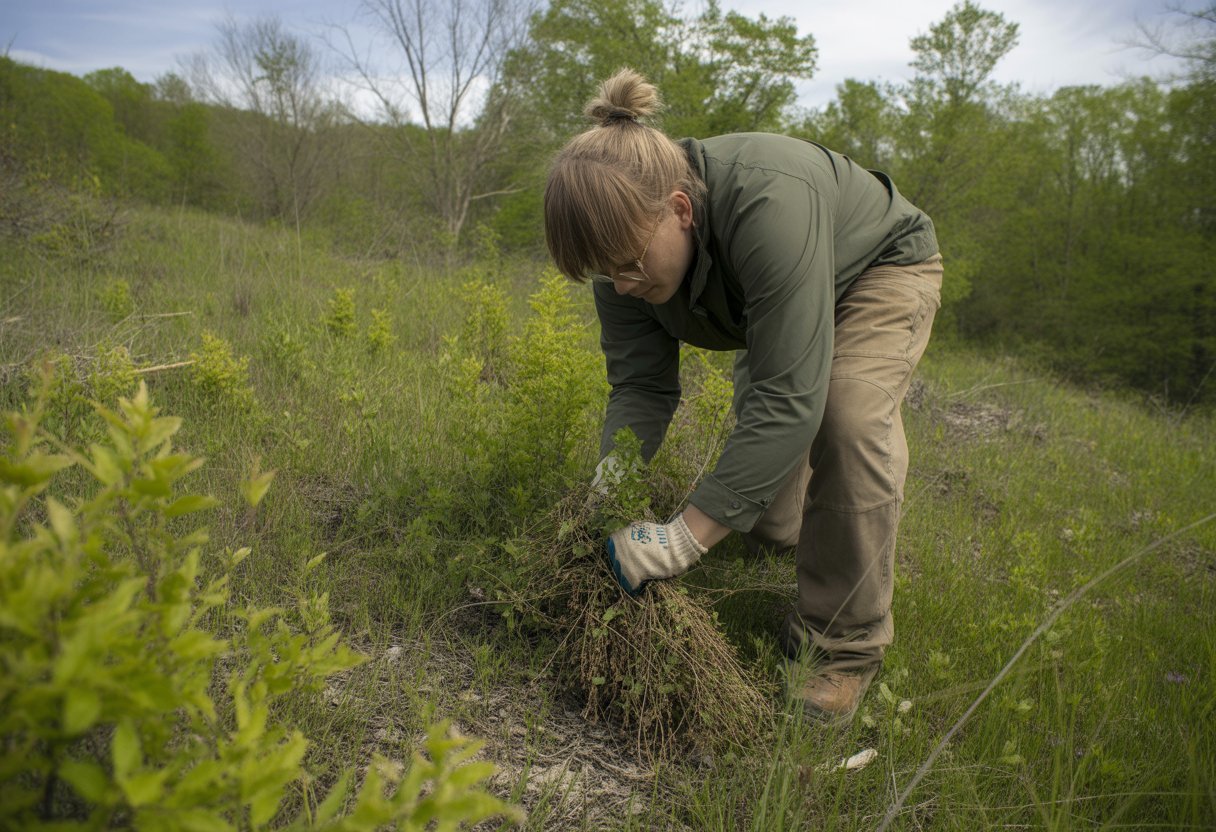
Knowing which invasive plants are most common in Indiana—like garlic mustard and bush honeysuckle—lets us focus our energy where it matters. Spotting them early and managing them consistently can really keep them from spreading and causing bigger headaches down the road.
Overview of Invasive Plant Species in Indiana
Indiana’s invasive plants change from region to region, and they each mess with local habitats in their own way. These species push out native vegetation, disrupt the balance, and state laws try to keep them in check.
Common Invasive Species by Region
In northern Indiana, you’ll find invasive plants like Phragmites australis (common reed) and Alliaria petiolata (garlic mustard). These thrive in wetlands and under the shade of forests.
Down south, Lonicera japonica (Japanese honeysuckle) and Cynanchum louiseae (black swallow-wort) cause trouble. Central Indiana’s got its own problems, like Celastrus orbiculatus (Oriental bittersweet) and Ailanthus altissima (tree of heaven), which take over woodlands near cities.
Each of these spreads fast—by seeds, roots, you name it. That makes them tough to control.
Impacts on Local Ecosystems
Invasive plants outcompete native species for sunlight, nutrients, and water, which slashes biodiversity. They even mess with soil chemistry and water flow, which isn’t great for native plant regrowth or wildlife.
Take garlic mustard—it releases chemicals that make it harder for native plants to survive. Tree of heaven grows like crazy, forming dense patches that block out everything else. All of this means less habitat for the bugs, birds, and mammals that rely on Indiana’s native plants.
Legal Regulations and Considerations
Indiana’s Noxious Weed Law regulates invasive plants. Some species—like garlic mustard and purple loosestrife—are actually prohibited or restricted.
Property owners have to control or remove these plants to stop them from spreading. The Indiana Department of Natural Resources has guidelines for ID and removal, and ignoring them can lead to fines.
Land managers need to stay on top of these requirements before starting any eradication work.
Best Practices for Identifying Invasive Plants
Really nailing down which plant you’re dealing with means paying attention to specific features and using reliable resources. You’ve got to look closely at the plant and double-check with guides if you want to be sure.
Visual Identification Techniques
Spotting invasive plants visually? It’s all about the details—leaf shape, flower structure, stem texture, and how the plant grows. For example, Japanese knotweed has hollow stems and knobby joints, while Garlic mustard shows off heart-shaped leaves and tiny white flowers.
Don’t forget, some invasives change their look through the seasons. Buds, seed pods, or even bark can help you ID them when they’re not flowering.
A handheld magnifier or a plant ID app can make a big difference when you need to check things like leaf veins or flower parts. Snapping a few clear photos from different angles helps too—you never know when you’ll want to compare later.
Using Reference Materials and Guides
Field guides for Indiana or the Midwest are super helpful. The Indiana Invasive Species Council’s handbook, for instance, gives you photos, descriptions, and maps.
University extension websites and apps are great for up-to-date info. They often walk you through plant features step by step.
Here’s a quick table to help tell invasives from native plants:
| Feature | Invasive Plant Example | Native Plant Example |
|---|---|---|
| Leaf shape | Jagged or irregular | Smooth or lobed edges |
| Flower color | Bright white (Garlic mustard) | Yellow (Native mustards) |
| Stem texture | Hollow, ridged | Solid, smooth |
Checking multiple sources cuts down on mistakes and helps you get the right plant gone.
Effective Methods for Removing Invasive Plants
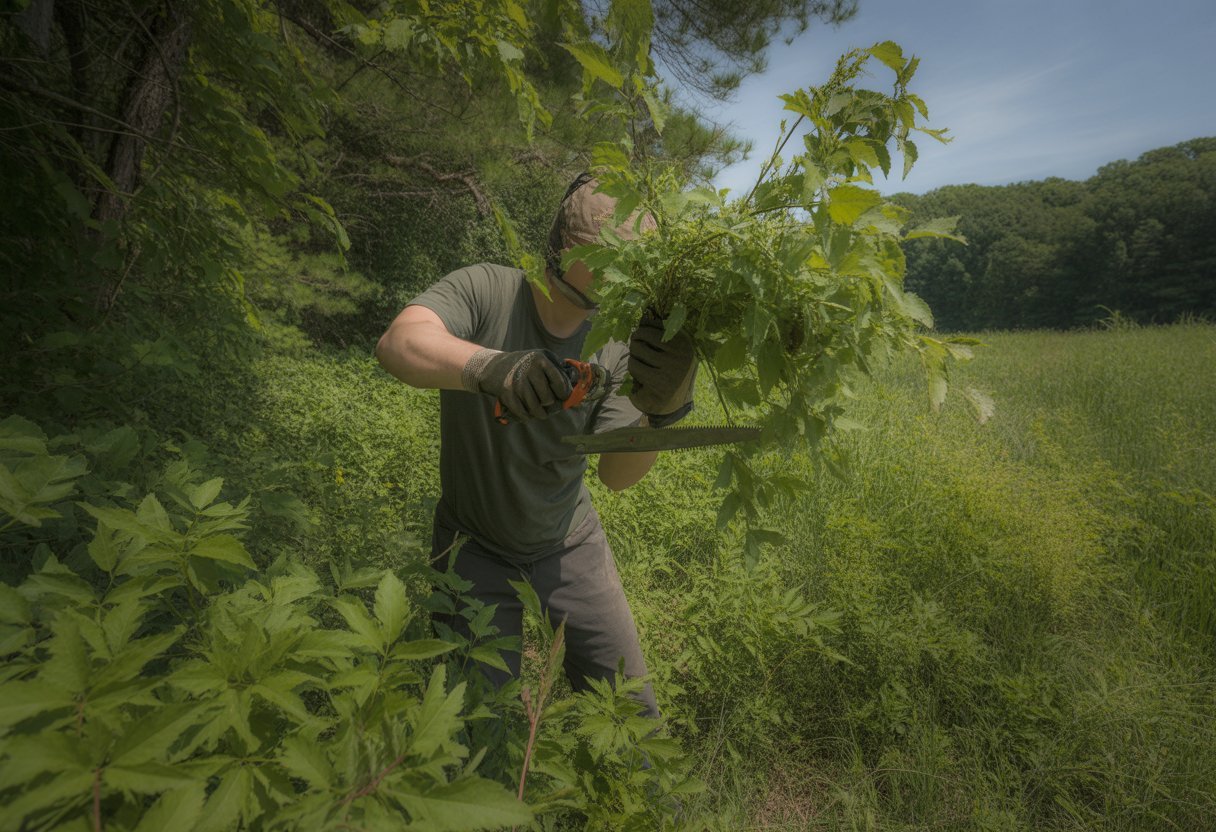
Getting rid of invasive plants takes a mix of methods—physical removal, chemical treatments, and smart disposal. If you want to keep them from coming back, you’ve got to do it right.
Manual and Mechanical Removal
Physical removal is usually the first thing people try. Hand-pulling works for smaller patches, especially with plants that don’t have deep roots. Just make sure you get the whole root, or it’ll come right back.
For bigger or woodier plants, tools like weed wrenches, hoes, or brush cutters come in handy. Cutting them back again and again during the growing season can wear them out.
Timing matters. If you pull or cut before the plants go to seed, you’ll keep them from spreading. And don’t forget gloves—some invasives can really irritate your skin.
Chemical Treatment Approaches
Sometimes you need herbicides, especially if pulling isn’t practical. Selective herbicides go after the bad guys without hurting your native plants.
You can spray the leaves, treat cut stumps, or use a basal bark method. Spraying works best on leafy plants, while applying herbicide to freshly cut stems can kill the roots.
It’s important to use the right herbicide at the right time and follow the label. Always think about the effect on wildlife and water nearby, and stick to local rules.
Safe Disposal and Site Restoration
Don’t just toss invasive plant debris anywhere. Bag it up and take it away, or burn it if that’s allowed. Composting is risky unless you know your local program can handle invasives.
After you clear invasives, plant native grasses, shrubs, or trees to fill in the gaps. This helps keep new invasives out and stabilizes the soil.
Keep an eye on the area afterward. If anything starts to grow back, catch it early. Planting natives and staying vigilant make a big difference over time.
Ongoing Prevention and Community Involvement
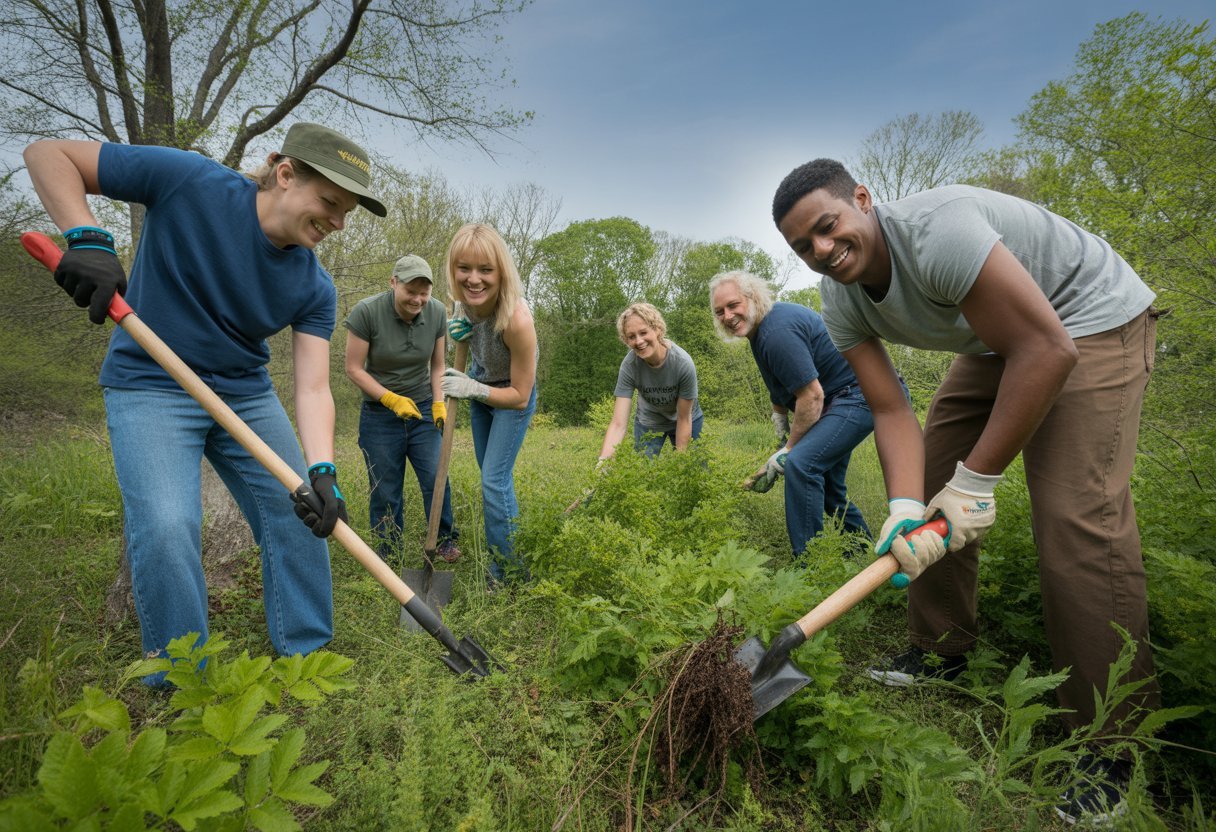
Managing invasive plants in Indiana isn’t a one-and-done thing. It takes regular effort and, honestly, a bit of teamwork. Local groups and neighbors can make a real impact by pitching in.
Monitoring and Early Detection Strategies
Checking natural areas regularly helps you spot invasives before they get out of hand. Volunteers or pros use checklists and GPS to keep tabs on where these plants pop up.
Catching them early means you can pull them before they take over, saving time and money. Handy mobile apps let people report sightings and share info with land managers.
Local agencies often organize surveys and ask residents to stay alert, especially after big events like floods or construction. It’s a never-ending job, but it’s what keeps aggressive invaders from getting a foothold.
Native Plant Restoration Initiatives
Restoring native plant communities boosts ecosystem health and helps keep invasive species in check. Projects usually focus on planting species that actually fit Indiana’s soil and climate—think Echinacea or Asclepias.
Folks working on restoration dig into soil prep, gather seeds, and keep up with maintenance like controlled burns or mowing. Community groups often team up with conservation organizations to find the right plants and share what they know.
Planting natives gives pollinators a better shot, helps keep soil where it belongs, and brings more diversity to the area. After planting, teams need to keep checking in to see how things are growing and manage any stubborn invasive plants that pop up.
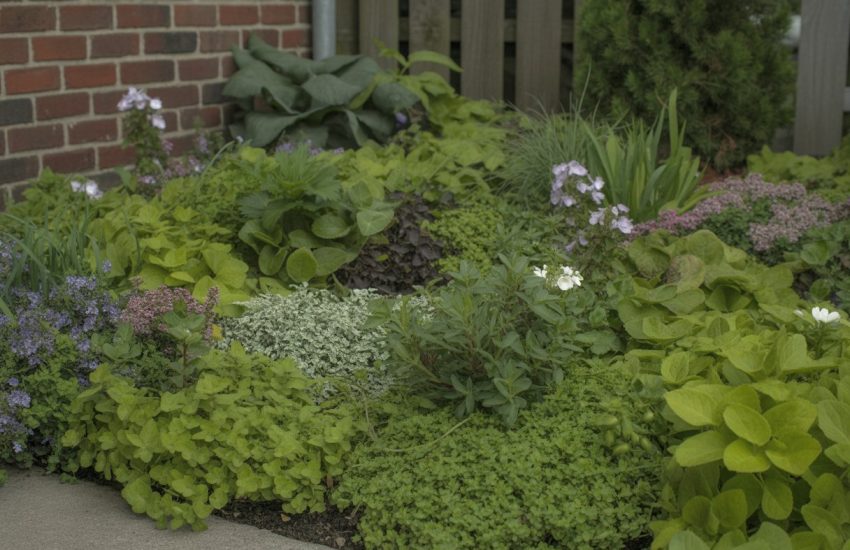
Been looking into this for our new property. We have about half an acre to work with.