
Attracting Butterflies to Gardens: Essential Tips for a Vibrant Butterfly Habitat
Last updated: August 21, 2026
Attracting butterflies to gardens isn’t rocket science—it’s more about creating a welcoming space full of nectar and the right plants for their whole lifecycle. If you want butterflies fluttering around, try growing a mix of native flowering plants that offer both nectar and caterpillar host plants.
This balance gives butterflies food and a place to grow, from egg to adult.
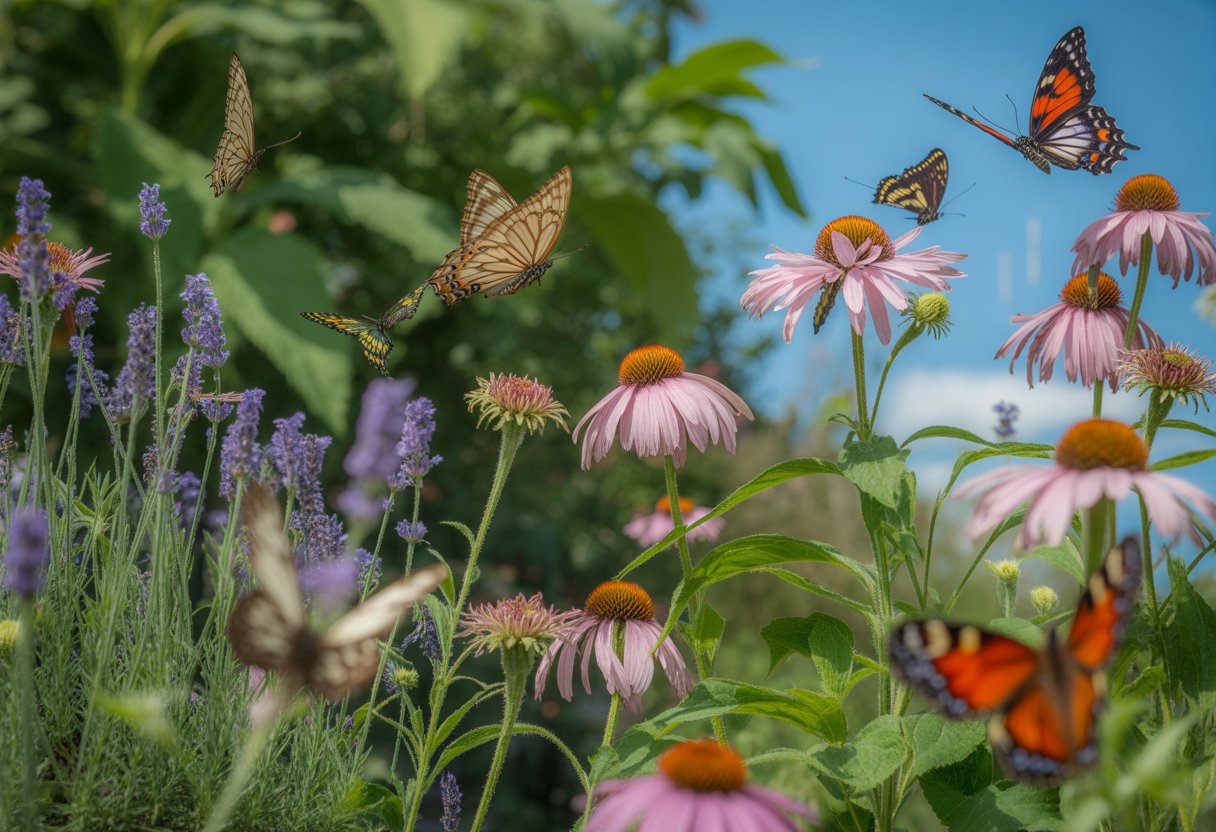
Butterflies love sunny, wind-sheltered spots, so put your plants where they’ll catch the light but not the breeze. Toss in a few flat stones for sunbathing, and skip the pesticides if you want to keep your butterfly guests healthy.
Essential Principles for Attracting Butterflies
If you want butterflies to stick around, you’ll need to think about what they actually need at each stage of life. Food, a safe spot to lay eggs, and protection from the elements all matter.
Understanding Butterfly Needs
Butterflies need food, the right host plants for eggs, and shelter from predators and bad weather. Nectar fuels their flight and helps with reproduction.
They also look for places to rest and mate. Caterpillars depend on specific host plants, so knowing which butterflies live nearby helps you pick the right ones.
Sun and warmth are non-negotiable—these little guys are cold-blooded and need sunlight to get moving. If there’s no shelter, they’re at the mercy of wind and rain, and that’s never good.
Role of Nectar Sources
Nectar-rich flowers make adult butterflies happy. They’re drawn to bright reds, purples, yellows, and oranges—think of it as a butterfly’s favorite color palette.
Flat or clustered blooms give them a good landing pad. If you plant a mix that blooms from spring through fall, you’ll keep them coming back.
Milkweed, coneflowers, and lantana are just a few good options. Nectar gives them the sugar rush they need for all that flitting about.
Skip the pesticides—they’ll do more harm than good. Grouping nectar plants makes feeding easier and keeps butterflies hanging around longer.
Importance of Host Plants
Host plants are where butterflies lay eggs and caterpillars feed. They’re not for the adults, but without them, you won’t see new butterflies.
Monarchs need milkweed, swallowtails like parsley and fennel, and fritillaries go for violets. If you plant these, you’re basically rolling out the welcome mat for butterfly families.
Keep host plants healthy and pesticide-free. Caterpillars are especially vulnerable, so make sure they’ve got plenty to munch on in a safe spot.
Providing Shelter and Safe Spaces
Butterflies hide from wind, rain, and predators in dense shrubs, tall grasses, and trees. That’s their version of a safe house.
Caterpillars and pupae tuck themselves under dead leaves, logs, or rocks when they’re feeling exposed. A little patch of wet sand or a shallow water dish gives them a place to sip minerals and stay hydrated.
Steer clear of chemical sprays and don’t disturb garden corners too much. If you add a few microhabitats, butterflies can find shelter and finish their life cycle without drama.
Best Plants for a Butterfly Garden
To get butterflies to visit, you’ll want nectar-rich flowers for feeding and host plants for eggs. Mixing native perennials, annuals, and herbs creates a habitat that works for different butterfly species all season.
Top Nectar Plants
Nectar plants keep adult butterflies energized. Favorites like bee balm (Monarda), coneflower (Echinacea), and black-eyed Susan bloom for months.
Butterfly bush (Buddleia) and lantana work well too, thanks to their dense clusters of flowers. Other go-tos are salvia, goldenrod (Solidago), and pentas.
Bright, flat-topped, or tubular flowers make it easy for butterflies to feed. Annuals like ageratum and hollyhock add variety and flexibility.
Selecting Host Plants
Host plants are crucial for caterpillars. Milkweed is a must for monarchs. Parsley, dill, and false indigo feed swallowtail caterpillars and others.
Native plants like cephalanthus occidentalis (buttonbush) help out local butterflies and moths. Keep host plants close to nectar sources, and skip the pesticides so caterpillars stay safe.
Incorporating Native and Perennial Varieties
Native plants handle local weather and soil without fuss, so they’re reliable butterfly magnets. Perennials like aster and blazing star (Liatris) come back every year, which means less work for you and more food for butterflies.
Mixing native wildflowers with long-blooming perennials like solidago and rose mallow boosts biodiversity. This approach keeps your butterfly garden lively and sustainable, not just for one season but for years.
Supporting a Healthy Pollinator Ecosystem
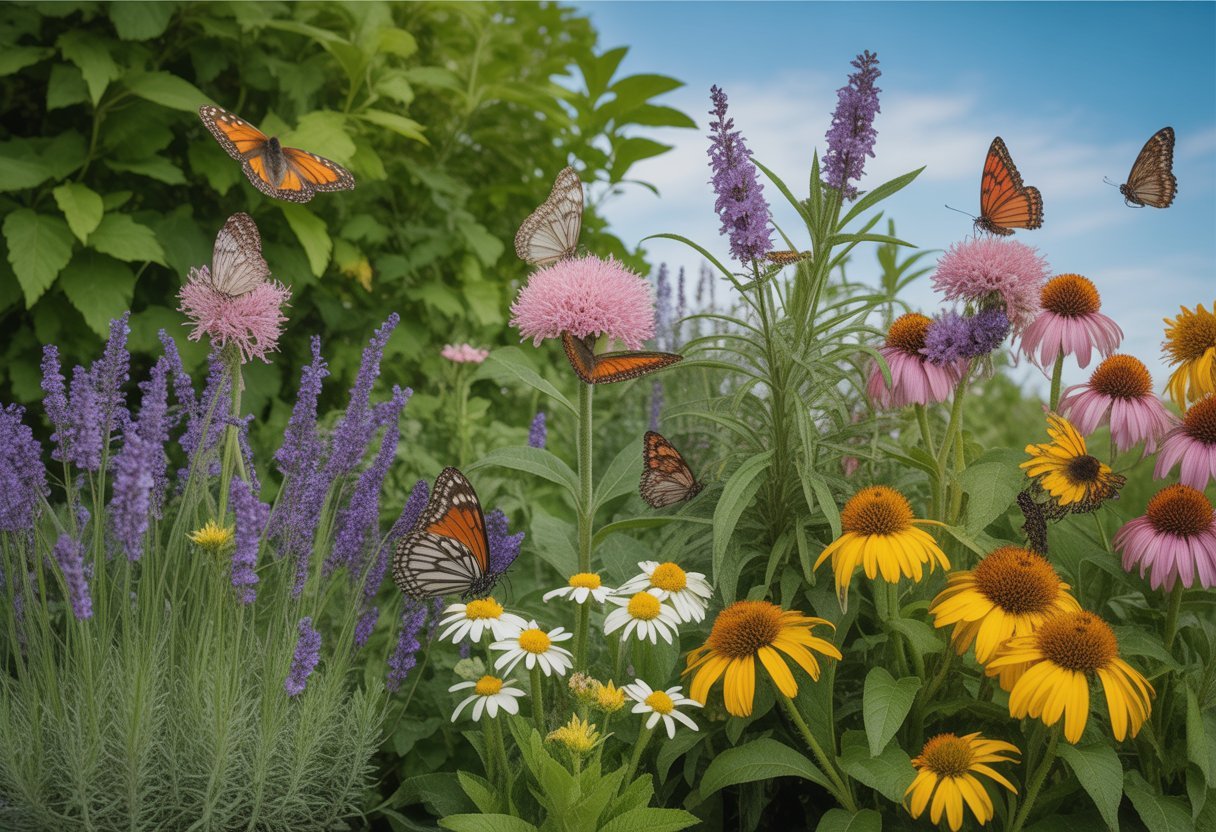
A thriving pollinator garden doesn’t just help butterflies. You’ll support beneficial insects, hummingbirds, and other pollinators if you pay attention to soil and plant choices. The right moves make your garden diverse and resilient.
Encouraging Beneficial Insects
Predatory beetles, ladybugs, and parasitic wasps keep pests in check, so you don’t have to reach for chemicals. Native plants and a chemical-free approach help these helpful bugs stick around.
Ground-nesting bees need bare soil or very light mulch to make their homes. If you leave some patches undisturbed, you’ll give them a fighting chance.
Planting a variety of flowers with different shapes and bloom times draws in more beneficial insects. Diversity is your friend here.
Attracting Hummingbirds and Other Pollinators
Hummingbirds can’t resist tubular, bold flowers—reds and oranges are their jam. Salvia, bee balm, and trumpet vine offer nectar and shelter, and they make your garden even more colorful.
A shallow dish or a gentle dripper gives them water without turning your yard into a mosquito haven. Don’t let water sit too long, though.
If you stagger bloom times, you’ll always have something for pollinators to eat. That means more visitors, all season long.
Improving Soil and Garden Conditions
Healthy soil makes strong plants and gives ground-nesting pollinators a good home. Toss in some compost to boost organic matter and help the soil hold water.
Mulch helps keep soil moist and weeds down, but go easy near bee nesting spots. Porous mulch like wood chips, placed away from nests, works best.
Ditch synthetic fertilizers and pesticides—they can mess up soil health and hurt pollinators. Stick to organic amendments for a garden that’s tough and pollinator-friendly.
Maintaining and Protecting Your Butterfly-Friendly Garden
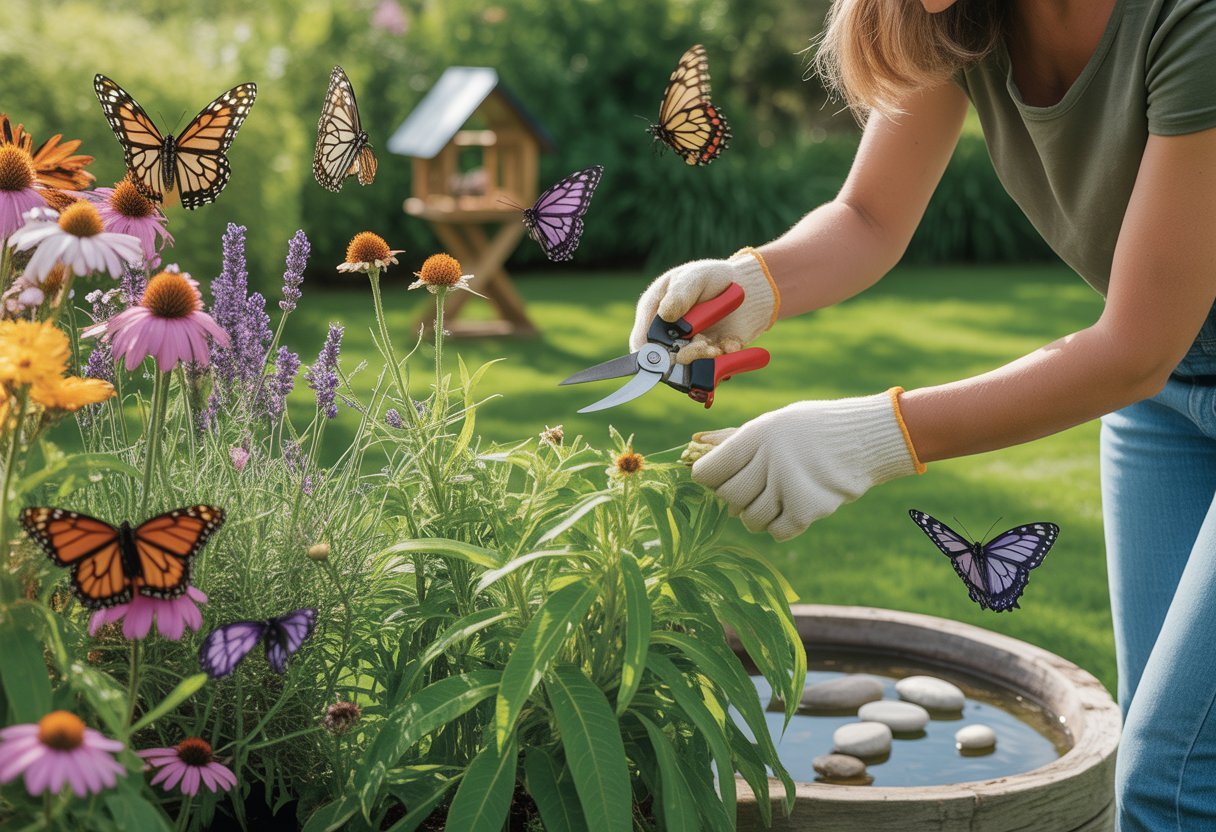
A butterfly garden needs a little ongoing TLC. If you keep an eye on pests, do some seasonal upkeep, and support every stage of the butterfly life cycle, you’ll keep things thriving.
Natural Pest Control and Avoiding Chemicals
Spraying pesticides or insecticides will drive away butterflies and the good bugs you want. Go for natural pest control instead—introduce ladybugs or lacewings to eat pests.
Handpick caterpillars if you have to, or use barriers to protect plants without harsh chemicals. Skip synthetic fertilizers, too—they can mess with soil and plant health.
Compost or organic fertilizers give plants what they need without the chemical baggage. If you plant a variety of natives, you’ll naturally keep pest populations in check.
Seasonal Garden Care
Each season brings a different to-do list. In spring and early summer, plant nectar flowers and host plants for caterpillars.
Prune after flowering to keep things healthy. When autumn rolls around, clear out dead leaves and debris to prevent mold and pests from bothering overwintering butterflies.
A layer of mulch insulates roots in winter, but don’t overdo it. Adjust watering with the seasons—too much or too little can cause more problems than you’d expect.
Supporting Butterfly Life Cycles
Butterflies go through metamorphosis, and each stage needs its own set of conditions. Host plants have to be there for egg-laying, caterpillars, and pupae.
If you spot eggs or chrysalises on leaves or branches, try not to remove them. Gardeners sometimes forget and accidentally clear out the next butterfly generation.
Shelter matters too. Trellises, shrubs, or even bird feeders can give butterflies a break from predators like birds or moths.
Mixing up the flowers in your garden keeps nectar flowing all season. That way, adults have the energy they need for flying and, well, making more butterflies.
Nice one.
We appreciate that, Rachel! Happy gardening! 🌿 -Plant Native Team
I’ve been dealing with this exact issue in my garden. Going to try some of these suggestions this weekend.
Thanks Diane! Let us know how it goes. -Plant Native Team