Nodding Needlegrass (Nassella cernua)
Nassella cernua (formerly classified as Stipa cernua), commonly known as nodding needlegrass, is a graceful, clump-forming perennial bunchgrass native to western California and Baja California, Mexico. Along with its close relative purple needlegrass (Nassella pulchra), California’s state grass, nodding needlegrass is one of the signature native bunchgrasses of the California Floristic Province’s grasslands, chaparral, and juniper woodlands — ecosystems that have been dramatically reduced by conversion to agriculture and invasion by non-native annual grasses since European settlement.
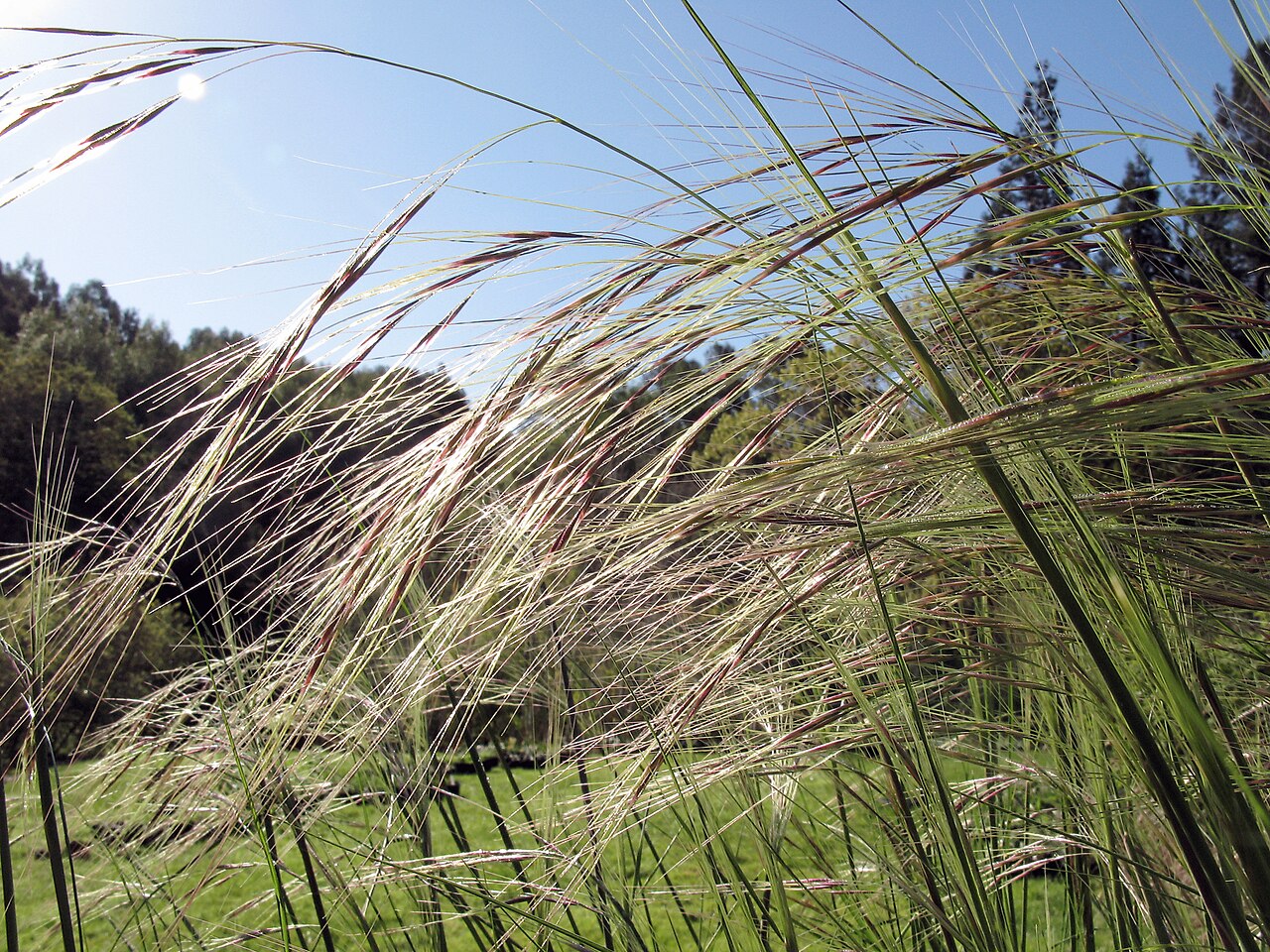
The plant’s defining feature is its open, drooping panicle of nodding or bending flowering branches, each bearing distinctive long, slender awns up to 4 inches long that catch the light and sway in the wind, giving established stands a soft, silvery, airy texture quite different from coarser introduced pasture grasses. This ornamental quality, combined with excellent drought tolerance, has made nodding needlegrass an increasingly popular choice in California native landscaping, where it is used for naturalistic meadows, slope stabilization, and habitat restoration projects.
Unfortunately, nodding needlegrass is now considered a vulnerable species by NatureServe, reflecting the broader decline of California’s native perennial grasslands under pressure from introduced annual grasses, land conversion, and altered fire regimes. Planting it in appropriate restoration and garden settings within its native range directly supports the conservation of this increasingly uncommon native grass and the habitat type it represents.
Identification
Nodding needlegrass is a mid-sized perennial bunchgrass, typically reaching 2 to 3 feet (0.6–0.9 m) tall, with narrow, waxy-textured leaves and a distinctively open, drooping flower panicle that sets it apart from stiffer, more upright native grasses.
Stems & Leaves
The plant forms dense, rounded bunches of narrow leaves with a somewhat waxy or glaucous texture, giving the foliage a subtle blue-green cast. Leaf blades are typically rolled or folded, an adaptation that reduces water loss during the dry summer months. Flowering stems rise well above the basal leaf clump, remaining slender and wiry even as the plant comes into full bloom.
Flowers (Inflorescence)
The inflorescence is an open panicle with branches that bend or droop (“nod”) rather than standing erect, a key identifying feature that distinguishes this species from the more upright purple needlegrass. Each spikelet carries a single floret tipped with a long, bent awn up to 4 inches (10 cm) long — among the longest awns of California’s native needlegrasses — which twists and untwists with changes in humidity, helping drive the sharp-pointed seed into the soil once it falls. Flowering generally occurs in spring, from April through June, with the drooping, awned panicles at their most striking display as seed matures.
Fruit & Seeds
The seed itself (technically a floret enclosing a grain) is sharply pointed at the base, with backward-pointing microscopic barbs that, combined with the hygroscopic awn’s twisting motion, help drive the seed into the soil surface — a sophisticated self-planting mechanism shared by needlegrasses generally. This sharp-seed trait means mature plants and their shed seed should be handled with some care, as the awned seeds can work their way into clothing, socks, and even animal fur or skin.
Quick Facts
| Scientific Name | Nassella cernua (syn. Stipa cernua) |
| Family | Poaceae (Grass) |
| Plant Type | Perennial Bunchgrass |
| Mature Height | 2–3 ft (0.6–0.9 m) in flower |
| Mature Spread | 1–2 ft (0.3–0.6 m) |
| Growth Rate | Moderate |
| Sun Exposure | Full Sun to Part Shade |
| Water Needs | Low once established |
| Soil Type | Well-drained clay, loam, or rocky soils |
| Soil pH | 6.0–7.5 (slightly acidic to neutral) |
| Bloom Time | April – June |
| Flower Color | Straw to tan (inconspicuous, grass-typical) |
| Fall Color | Golden tan as it cures for summer |
| Fruit | Sharp-pointed grain with long bent awn (to 4 in) |
| Deer Resistant | Mostly (grazed when young, avoided once awned) |
| USDA Hardiness Zones | 8–10 |
Native Range
Nodding needlegrass is native to western California, with its range concentrated in the California Coast Ranges, the Transverse Ranges, and the Peninsular Ranges, extending south into Baja California, Mexico. It is a true California Floristic Province endemic (in the broad sense, including Baja), closely tied to the state’s native perennial grassland and oak savanna ecosystems that once covered vast areas of the state before large-scale agricultural conversion and grassland type-conversion to non-native annual grasses.
Within its range, nodding needlegrass grows in native grasslands, chaparral openings, and juniper woodlands, typically on well-drained clay, loam, or rocky soils from near sea level up to moderate elevations in the coastal and interior mountain ranges. Like other California native bunchgrasses, it has become increasingly uncommon as a dominant grassland species, now often surviving in isolated remnant patches, cemetery and roadside relicts, and restoration plantings rather than the vast native grasslands documented by early California botanists and explorers.
Because of its vulnerable conservation status and relatively narrow native range, gardeners and restoration practitioners should favor seed and plant material sourced from California populations, and ideally from stock as close to the planting site as practical, to support regional genetic diversity.
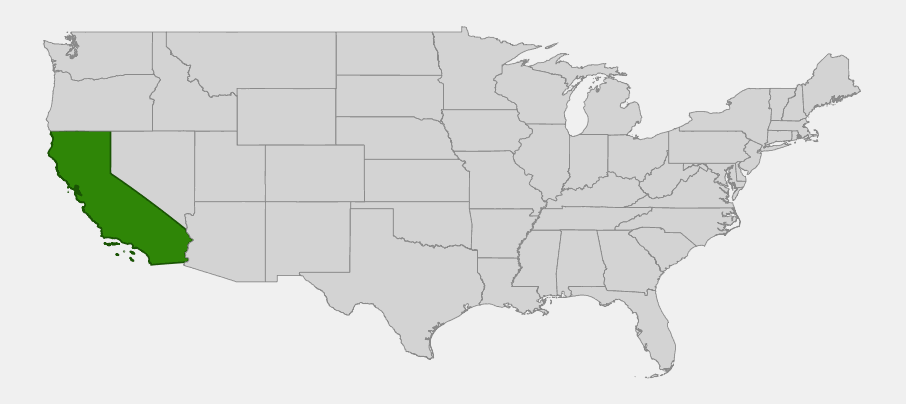
📋 Regional plant lists featuring nodding needlegrass: California & Nevada
Growing & Care Guide
Nodding needlegrass is a rewarding, drought-tolerant native grass for California gardens, offering an airy, ornamental texture that pairs beautifully with wildflowers and other low-water natives.
Light
Full sun produces the best flowering display and the classic silvery, nodding panicle effect, though the species tolerates light shade reasonably well, particularly in hotter interior sites where some afternoon protection can help foliage stay fresher through summer.
Soil & Water
Nodding needlegrass adapts to a range of well-drained soils, including clay, loam, and rocky substrates, as long as drainage is adequate. Water regularly through the first year or two to establish a deep, resilient root system; established plants are highly drought tolerant and need little to no supplemental irrigation during the dry California summer, going dormant or semi-dormant until fall rains return.
Planting Tips
Plant from container stock or direct-seed in fall, ahead of winter rains, to give roots a head start before the dry season. Space plants 18 to 24 inches apart for a naturalistic meadow drift, allowing room for the mature clump’s graceful, arching form to be appreciated. Avoid planting where foot traffic will regularly brush against mature, awned seed heads, since the sharp seeds can cling to clothing, shoes, and pet fur.
Pruning & Maintenance
Cut back old growth in late summer or early fall, after seed has matured and dispersed, to tidy the clump before fall regrowth begins. Avoid cutting during the awned seed stage if possible, both to allow natural seed dispersal and to avoid handling the sharp, barbed awns. Established plants are low-maintenance, needing no fertilizer and showing good resistance to pests and disease.
Landscape Uses
Nodding needlegrass brings ornamental and ecological value to several garden settings:
- Naturalistic native meadows mixed with California wildflowers
- Slope and erosion-control plantings on dry, well-drained sites
- Habitat restoration projects targeting native grassland recovery
- Drought-tolerant ornamental borders valued for the airy, nodding seed heads
- Oak woodland and savanna understory plantings
Wildlife & Ecological Value
As one of California’s declining native perennial bunchgrasses, nodding needlegrass plays an important role in supporting the insects, birds, and ecological processes tied to the state’s historic grassland communities.
For Pollinators & Insects
While wind-pollinated and not a nectar source itself, nodding needlegrass provides structural habitat for beneficial insects and is a larval host for several native skipper butterflies that depend on native perennial bunchgrasses — species that generally cannot use the shallow-rooted, fast-cycling non-native annual grasses that have replaced much of California’s native grassland.
For Birds
Seed-eating grassland birds forage on the grain produced by mature plants, and the dense, clumping growth form offers nesting and foraging cover for ground-dwelling grassland bird species increasingly scarce in heavily converted California landscapes.
For Mammals
Small mammals use established bunchgrass clumps for cover and nesting material, while the deep, perennial root systems of needlegrasses like this species support soil-dwelling invertebrates and improve soil structure in ways that shallow-rooted annual grasses do not.
Ecosystem Role
Nodding needlegrass is part of the historic California native perennial grassland community, now recognized as one of the most endangered ecosystem types in North America due to conversion, grazing pressure, and invasion by aggressive non-native annual grasses such as wild oats and bromes. Its deep root system — reaching many feet into the soil — supports superior water infiltration, carbon storage, and drought resilience compared to shallow-rooted introduced grasses, making restoration plantings of species like nodding needlegrass valuable for both biodiversity and broader ecosystem function, including fire behavior moderation in grassland and oak savanna settings.
Cultural & Historical Uses
Nodding needlegrass and California’s native needlegrasses more broadly were historically significant to Indigenous Californian peoples as components of the native grassland and oak savanna landscapes that were actively managed, often through regular controlled burning, to maintain open grassland structure, encourage seed production in food plants, and support game animals. While larger-seeded grasses and the acorns of associated oaks were typically the primary food resources harvested from these landscapes, needlegrasses contributed to the broader grassland ecosystem that Indigenous land management practices sustained for millennia prior to European settlement.
Since European colonization, California’s native perennial grasslands — including the habitat nodding needlegrass depends on — have been reduced by an estimated 90 percent or more through conversion to agriculture, livestock grazing, and the introduction of fast-spreading Mediterranean annual grasses that now dominate most of the state’s former grassland acreage. This dramatic ecological shift is one of the most significant and least visible habitat losses in California history, and it underlies the species’ current vulnerable conservation status.
In recent decades, nodding needlegrass and its relatives have become central to the growing California native grassland restoration movement, as land managers, conservation organizations, and home gardeners increasingly recognize the ecological, aesthetic, and fire-resilience value of reestablishing native perennial bunchgrasses in place of flammable non-native annual grass cover.
Frequently Asked Questions
How is nodding needlegrass different from purple needlegrass?
Nodding needlegrass is distinguished by its drooping or “nodding” panicle branches and very long awns (up to 4 inches), while purple needlegrass (Nassella pulchra), California’s official state grass, has a more upright, open panicle and somewhat shorter awns. Both are valuable native bunchgrasses, often used together in restoration plantings.
Are the seed awns dangerous to pets?
The sharp, barbed seeds of nodding needlegrass, like those of other needlegrasses, can work into pet fur, paws, and even ears if pets spend time in mature stands during seed drop, potentially causing irritation or injury. Consider keeping pets away from dense needlegrass stands when seed heads are mature and dry, as a precaution common to all native needlegrass species.
Is nodding needlegrass endangered?
It is listed as Vulnerable by NatureServe, reflecting the broader, severe decline of California’s native perennial grasslands rather than imminent extinction risk. Planting it in appropriate garden and restoration settings within its native range supports its conservation.
How long does it take for nodding needlegrass to establish?
Expect one to two years for a young plant to develop the deep root system that gives mature needlegrasses their drought tolerance. Regular watering during this establishment period significantly improves long-term performance and survival.
Can I mow nodding needlegrass like a lawn grass?
No — nodding needlegrass is a clump-forming bunchgrass, not a turf or sod-forming species, and regular mowing will damage or kill it over time. It is best used in naturalistic meadow or border plantings rather than as a substitute for turf.

Looking for a nursery that carries nodding needlegrass?
Browse our native plant nursery directory: California