Popcorn Flower (Plagiobothrys nothofulvus)
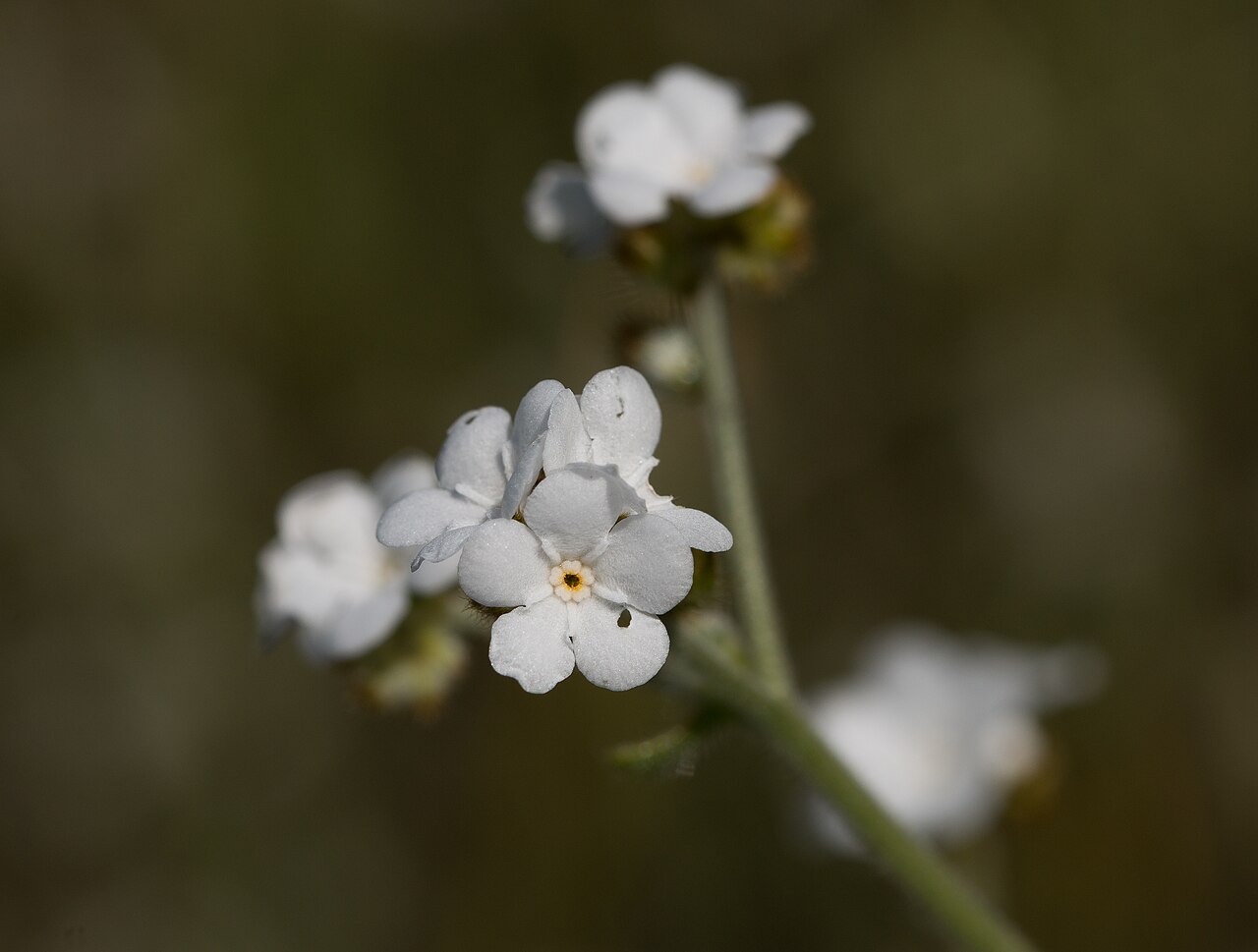
Plagiobothrys nothofulvus, commonly known as Popcorn Flower (also called rusty popcornflower or foothill forget-me-not), is one of the most familiar and beloved spring wildflowers of California’s grassy foothills and valley meadows. In a good bloom year, its masses of small, five-petaled white flowers can carpet entire hillsides, giving the landscape a frosted, snow-dusted look that has earned the plant its second common name, foothill snowdrops.
Popcorn flower is an annual herb in the borage family (Boraginaceae), typically growing 8 to 20 inches tall on slender, often reddish-tinged stems. Despite its delicate, lacy flowers, the plant has a notably deep taproot for an annual, an adaptation that helps it reach moisture as California’s rainy season gives way to the dry months of late spring. One of its most memorable features only reveals itself when the stem or leaf is broken: the sap bleeds a distinctive reddish-purple color, a trait reflected in both its scientific epithet nothofulvus (“false tawny”) and its “rusty” common name.
Because it germinates readily from seed, tolerates a wide range of soils including serpentine, and provides an early, reliable nectar source for pollinators, popcorn flower is an easy and rewarding addition to California native wildflower meadows, especially in naturalistic plantings that aim to recreate the look of a wild spring hillside.
Identification
Popcorn flower is an annual herb with a surprisingly deep taproot for its size, growing 4 to 20 inches (10–50 cm) tall on slender, upright to spreading stems.
Stems & Leaves
Stems and the narrow, lance-shaped basal and lower leaves are covered in coarse hairs and are often edged or tinged with purple or rusty red. All parts of the plant bleed a distinctive purple sap when crushed or broken — a quick and reliable way to confirm identification in the field, since few other California spring annuals share this trait.
Flowers
Flowers are small, about 0.2 to 0.4 inch (5–10 mm) across, with five rounded white petals fused at the base into a short tube, and a small yellow eye at the center — the classic forget-me-not shape typical of the borage family. Flowers are borne in coiled, scorpioid clusters (a curled inflorescence that gradually straightens as more flowers open) typical of the genus, and open from February into April, often in dense enough numbers to turn whole meadows and hillsides white.
Fruit & Seeds
Each flower produces a cluster of small, hard nutlets (the typical fruit type of the borage family), which ripen through late spring. The nutlets are an important food source for seed-harvesting ants and other small wildlife once they fall to the ground.
Quick Facts
| Scientific Name | Plagiobothrys nothofulvus |
| Family | Boraginaceae (Borage) |
| Plant Type | Annual Wildflower |
| Mature Height | 4–20 in (10–50 cm) |
| Mature Spread | 6–12 in |
| Growth Rate | Fast (annual) |
| Sun Exposure | Full Sun to Light Shade |
| Water Needs | Low to Moderate (winter-spring rainfall) |
| Soil Type | Clay, loam or serpentine; tolerates heavy soils |
| Soil pH | 6.0–7.5 (slightly acidic to neutral) |
| Bloom Time | February – April |
| Flower Color | White with yellow center |
| Fall Color | None (annual, dies back after seed set) |
| Fruit | Small hard nutlets |
| Deer Resistant | No (browsed by deer) |
| USDA Hardiness Zones | 7–10 (grown as a reseeding annual) |
Native Range
Popcorn flower is native to the Pacific coast of the United States, ranging from Washington south through Oregon and throughout most of California, with its range extending to northern Mexico. It is one of the most widespread and abundant spring wildflowers across its range, particularly common in California’s Central Valley, Coast Ranges, and Sierra Nevada foothills.
Within this range, popcorn flower favors grassy meadows, especially those near the coast, as well as open woodlands, coastal sage scrub, and wetland-riparian habitats. It is frequently found on serpentine and other plutonic-derived soils, where its tolerance of unusual mineral conditions gives it an advantage over many introduced annual grasses that struggle on these soils. It typically grows at low to moderate elevations.
Common native associates include California aster, deervetch, and blue dicks, among other grassland wildflowers, and in riparian zones popcorn flower can form dense colonies alongside other moisture-loving spring annuals.
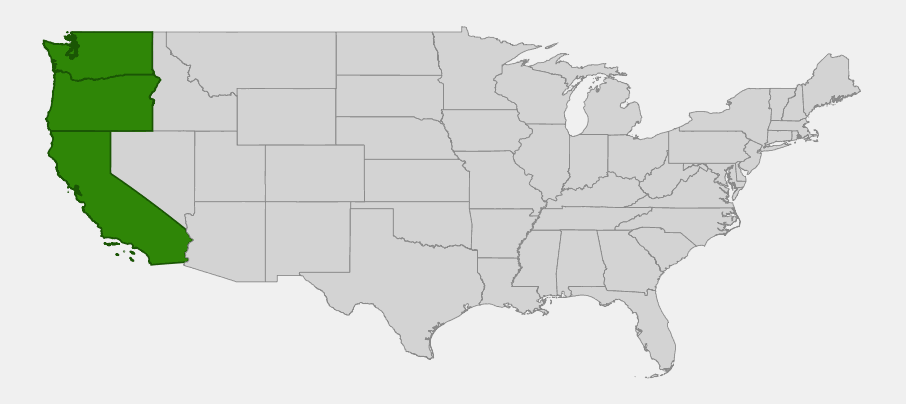
📋 Regional plant lists featuring Popcorn Flower: California & Nevada · Western Oregon & Western Washington
Growing & Care Guide
Popcorn flower is an easy, reliable reseeding annual for California and Pacific Northwest wildflower meadows, needing little more than a sunny spot and the natural winter rains to thrive.
Light
Give popcorn flower full sun to light shade. It blooms most heavily in open, sunny meadow conditions but also tolerates the dappled light of open woodland edges, where it is commonly found growing wild.
Soil & Water
This species is remarkably adaptable, growing well in clay, loam, or serpentine soils, including heavier soils that challenge many other wildflowers. It relies primarily on winter and spring rainfall, needing little supplemental irrigation in a typical California or Pacific Northwest rainy season; occasional watering during dry spells in the bloom period can extend flowering.
Planting Tips
Direct-sow seed in fall onto bare or lightly raked soil, allowing winter rains to trigger germination, as the plant does naturally in the wild. Popcorn flower combines beautifully with other California wildflower meadow species such as California poppy, lupine, and tidy tips for a layered, naturalistic spring display. Once established in a suitable spot, it typically reseeds itself reliably from year to year.
Pruning & Maintenance
No pruning is needed. Allow plants to set and drop seed before removing spent growth, which ensures a strong return bloom the following year. In formal garden settings, spent plants can be cut back and composted once they have dried and dropped their seed in late spring.
Landscape Uses
Popcorn flower is a natural fit for several California native garden styles:
- Wildflower meadows, where it contributes an early, abundant white bloom layer
- Grassland and prairie restorations alongside native bunchgrasses
- Serpentine and alkaline-soil gardens where few other species thrive
- Woodland edge plantings in dappled shade beneath oaks
- Pollinator gardens, offering an early-spring nectar source for emerging insects
Wildlife & Ecological Value
As one of California’s most abundant spring annuals, popcorn flower supports a wide range of wildlife during the critical early growing season.
For Pollinators
Butterflies, moths, and bees visit popcorn flower for nectar as they pollinate its small white flowers, and Ctenuchid moths in particular are frequent visitors, though the full importance of this relationship is not yet well understood by researchers.
For Birds & Other Wildlife
In riparian habitats, turtles have been observed feeding directly on the flowers. Deer and ground squirrels also forage on the foliage, and a variety of insects use the plant through its growing season.
For Seed-Harvesting Ants
Black seed-harvesting ants collect and store popcorn flower’s small nutlets, making the species an important part of the food web that supports these ants, which in turn influence the distribution and abundance of other plant species in California’s serpentine grasslands.
Ecosystem Role
Popcorn flower’s tolerance of serpentine and other unusual soils allows it to thrive in habitats where many introduced annual grasses cannot compete as effectively, helping to maintain pockets of native-dominated grassland plant communities. Its reliable, often massive spring bloom also provides an important pulse of nectar and seed resources at a critical time of year for pollinators and seed-eating wildlife.
Cultural & Historical Uses
Popcorn flower has little documented history of direct use by Indigenous peoples or settlers as a food, fiber, or medicinal plant, consistent with most small annual wildflowers of its type. Its most notable historical footnote is scientific rather than practical: the striking purple sap released when the stems or leaves are broken has long been noted by California botanists and naturalists as a memorable identifying feature, and the plant’s abundant, snow-like spring bloom has made it a well-known and well-loved sight in California’s grasslands and foothill woodlands for generations of wildflower observers.
In more recent decades, popcorn flower has become a familiar component of California wildflower meadow seed mixes and restoration plantings, valued for its reliability, adaptability to difficult soils, and contribution to the classic springtime look of a California grassland in full bloom.
Today, the species is grown primarily for its ornamental and ecological value in native wildflower meadows and habitat restoration, rather than for any direct human use.
Frequently Asked Questions
Why does popcorn flower bleed purple sap?
Popcorn flower produces a reddish-purple sap in its stems and leaves, which seeps out when the plant is broken or crushed. This distinctive trait is reflected in the species name nothofulvus and in the “rusty” in its common name “rusty popcornflower,” and is a reliable field mark for identification.
Is popcorn flower the same as forget-me-not?
No, though they are related. Both belong to the borage family and share a similar five-petaled flower shape with a small central eye, but true forget-me-nots belong to the genus Myosotis, while popcorn flower belongs to the native California genus Plagiobothrys.
Can popcorn flower grow in heavy clay or serpentine soil?
Yes. Popcorn flower is notably tolerant of heavy clay and serpentine soils that challenge many other wildflowers, which is part of why it is so widespread and abundant across California’s grasslands.
Will popcorn flower come back every year in my garden?
As a true annual, individual plants complete their life cycle in one season and die after setting seed, but popcorn flower reseeds readily in suitable open, sunny ground, so established plantings typically return reliably year after year without replanting.
When does popcorn flower bloom?
It blooms from February into April, making it one of the earlier wildflowers to color California’s grasslands and foothills each spring.

Looking for a nursery that carries Popcorn Flower?
Browse our native plant nursery directory: California · Oregon · Washington