
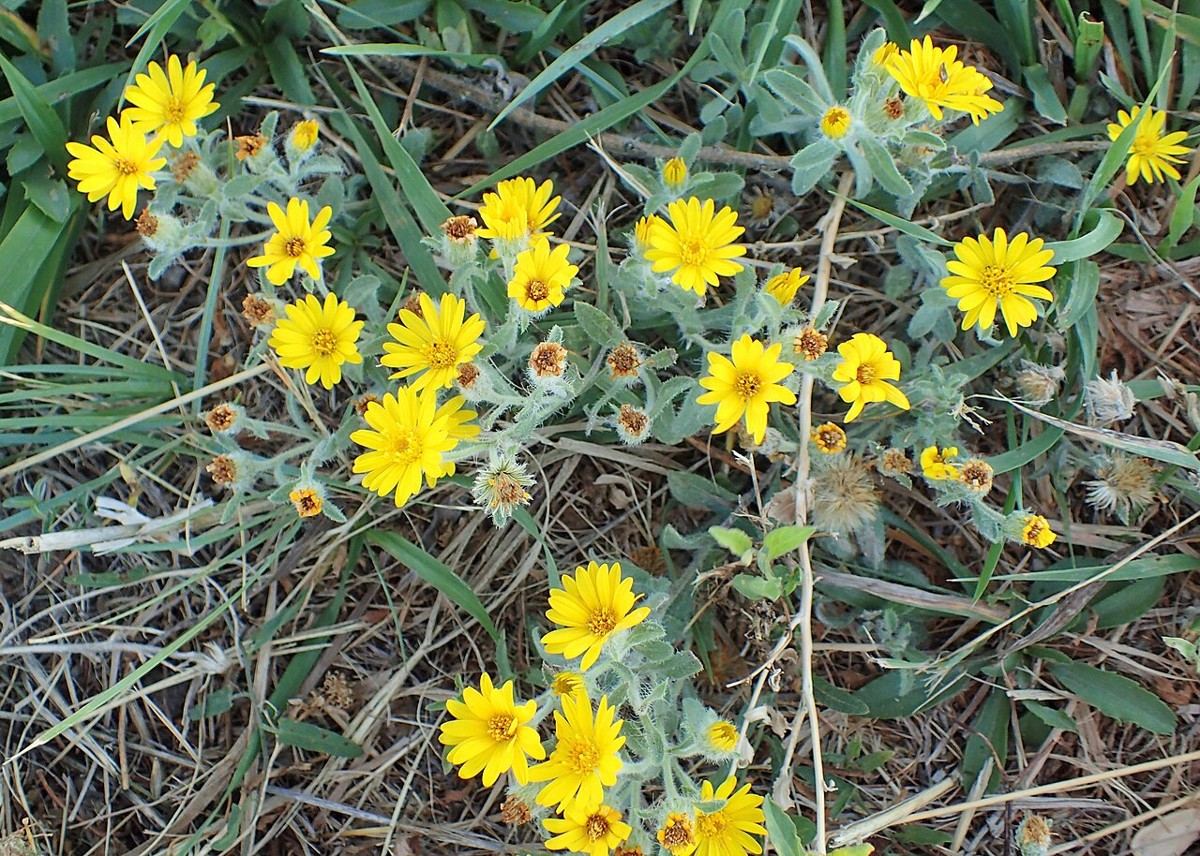
Hairy golden aster in bloom at Badlands National Park, South Dakota. Photo: Krzysztof Ziarnek, Kenraiz (CC BY-SA 4.0) Heterotheca villosa, commonly called hairy golden aster
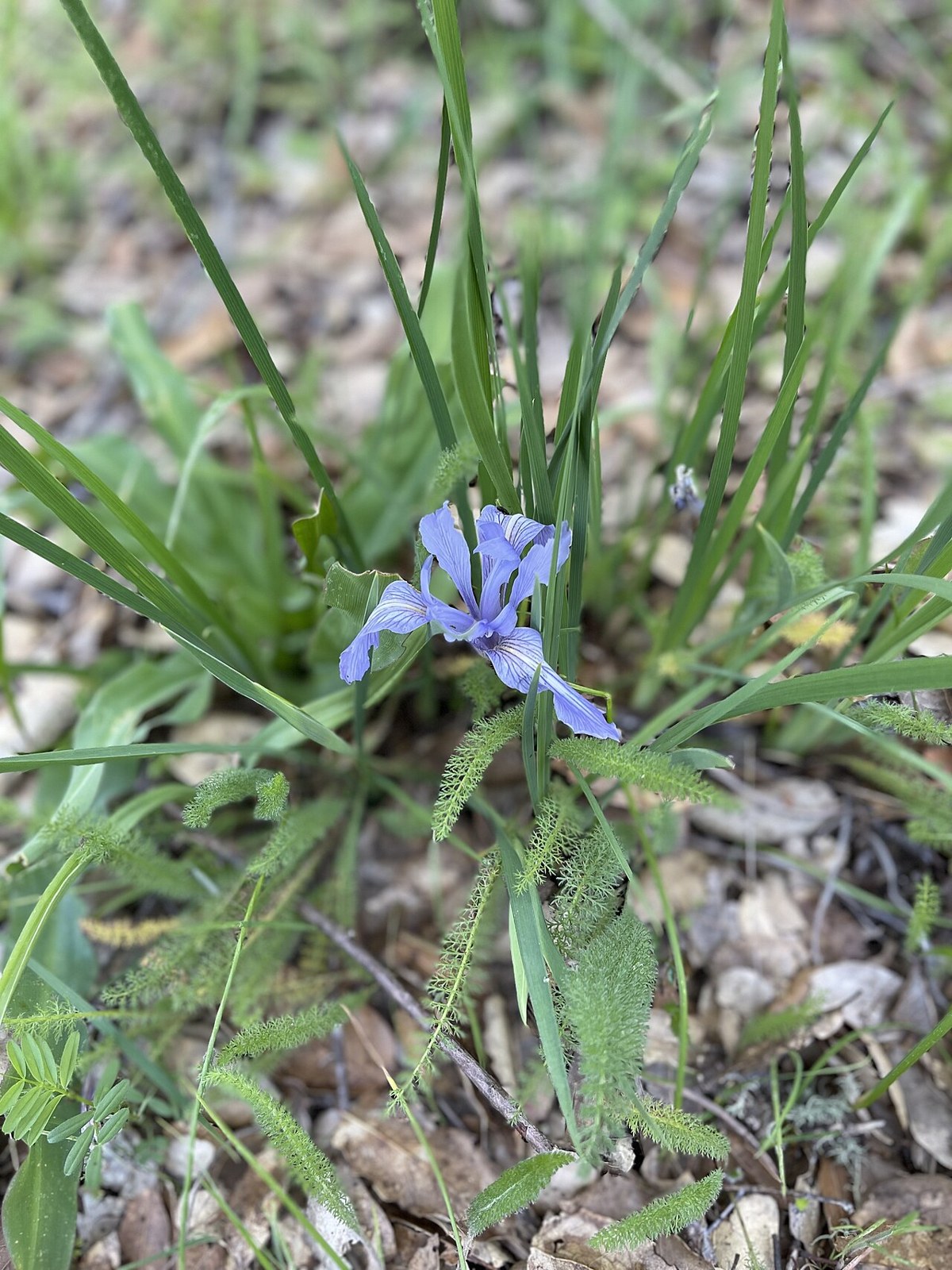
Ground iris blooms close to the ground, often nearly hidden among grasses. Photo: Missvain (CC BY 4.0) Iris macrosiphon, known as ground iris or bowl-tube
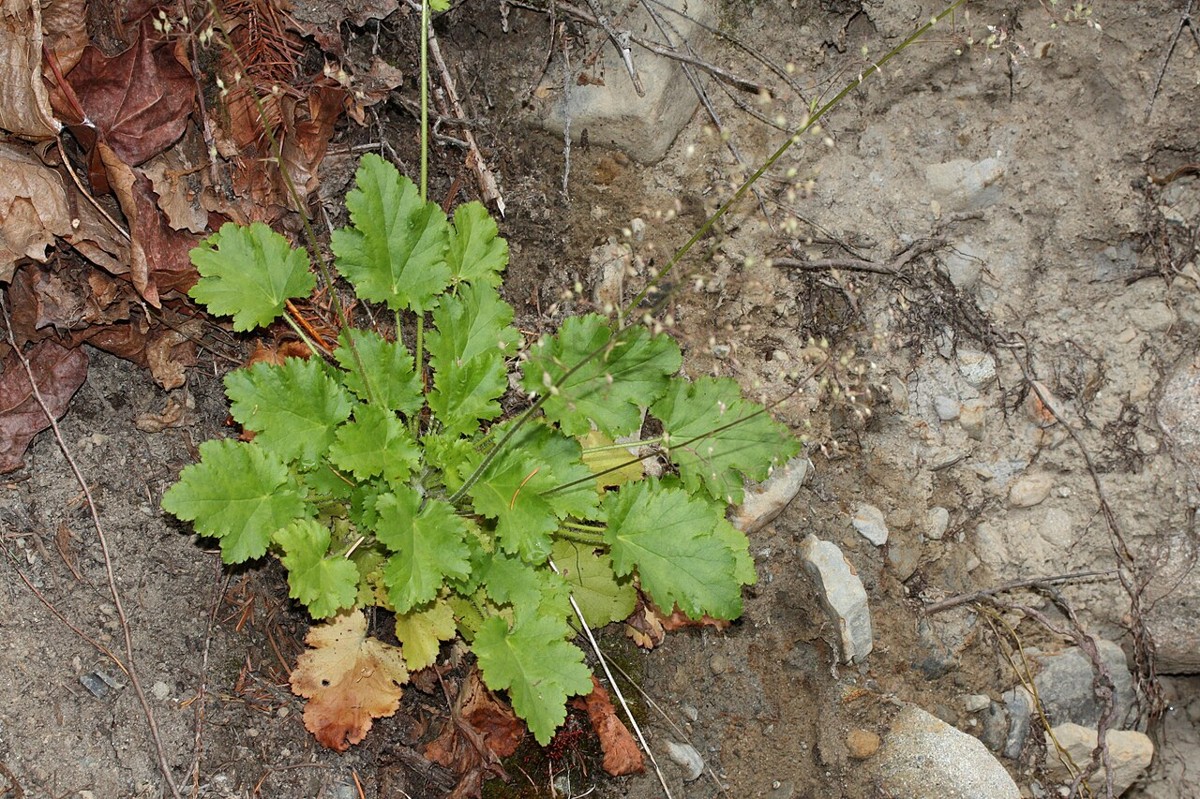
Crevice alumroot forms a low rosette of lobed leaves topped by tall, airy flower stalks. Photo: Walter Siegmund (CC BY-SA 3.0) Heuchera micrantha, commonly known
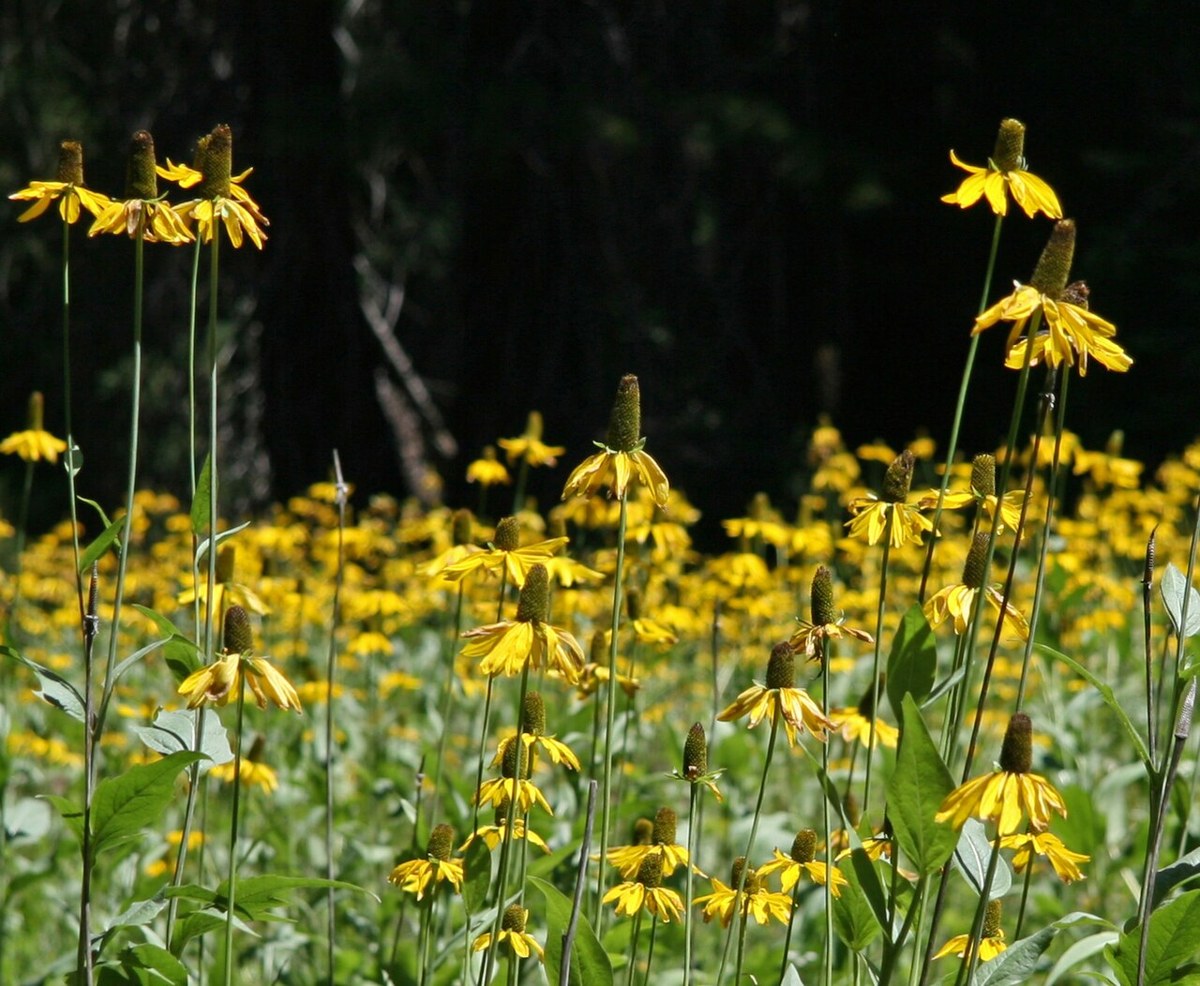
California coneflower filling a mountain meadow near Sequoia National Park. Photo: Dcrjsr (CC BY 3.0) Rudbeckia californica, commonly called California coneflower, is a tall, dramatic
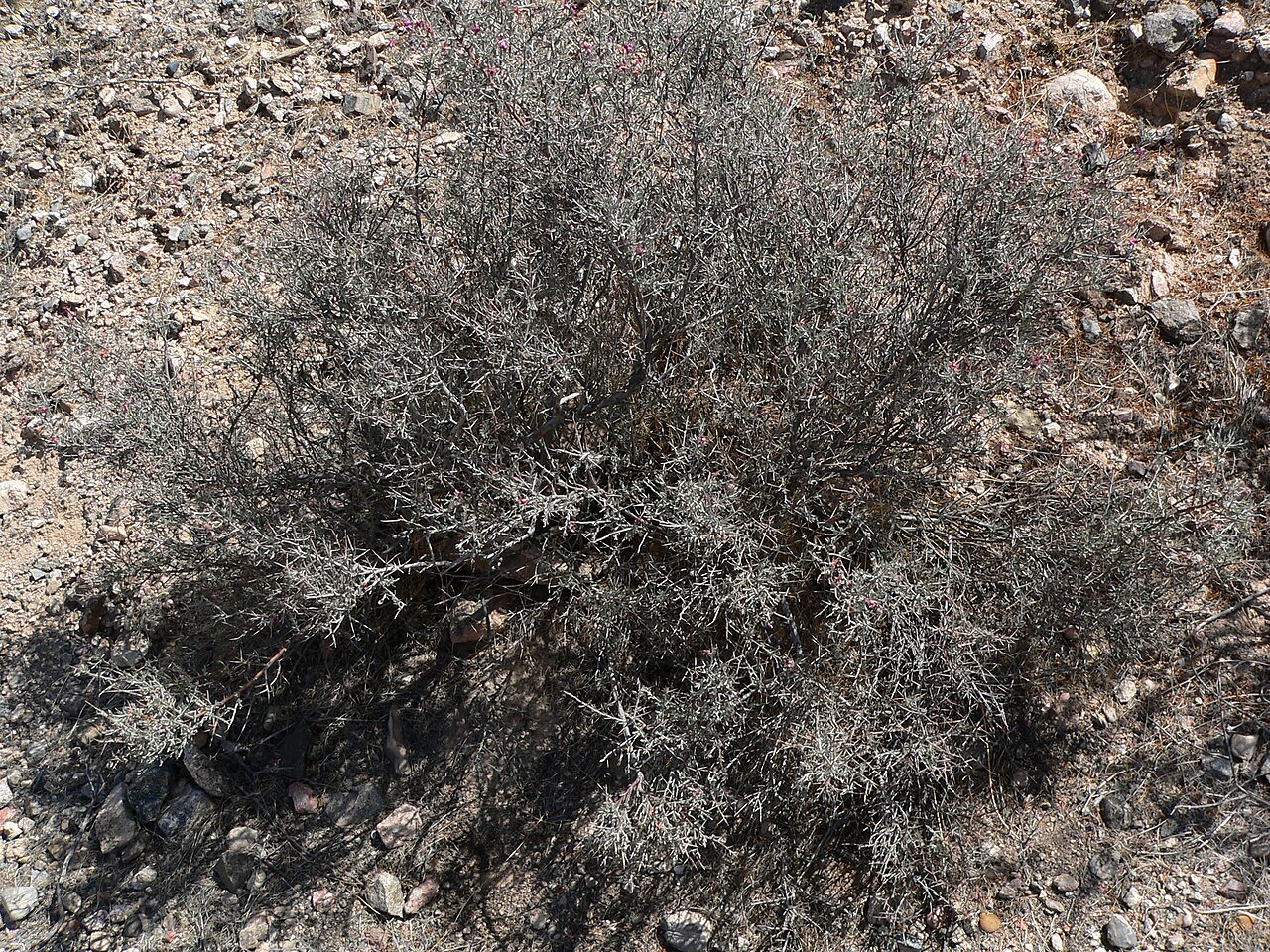
White ratany’s low, densely tangled growth habit in a desert wash near Gold Butte, Nevada. Photo: Stan Shebs, Wikimedia Commons (CC BY-SA 3.0) Krameria grayi
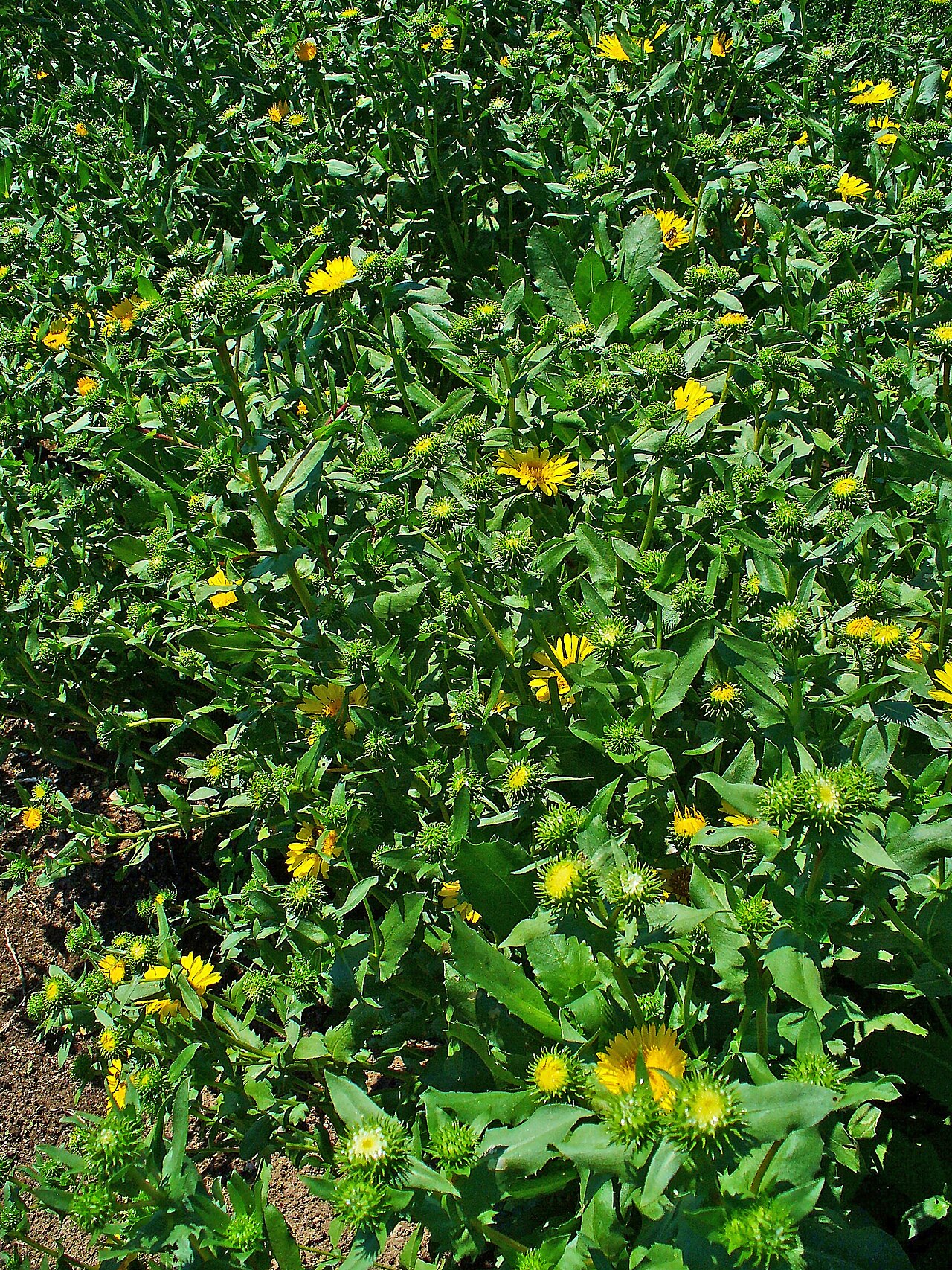
A dense stand of Great Valley gumplant in bloom, showing its sprawling, many-flowered habit. Photo: H. Zell, Wikimedia Commons (CC BY-SA 3.0) Grindelia camporum, commonly
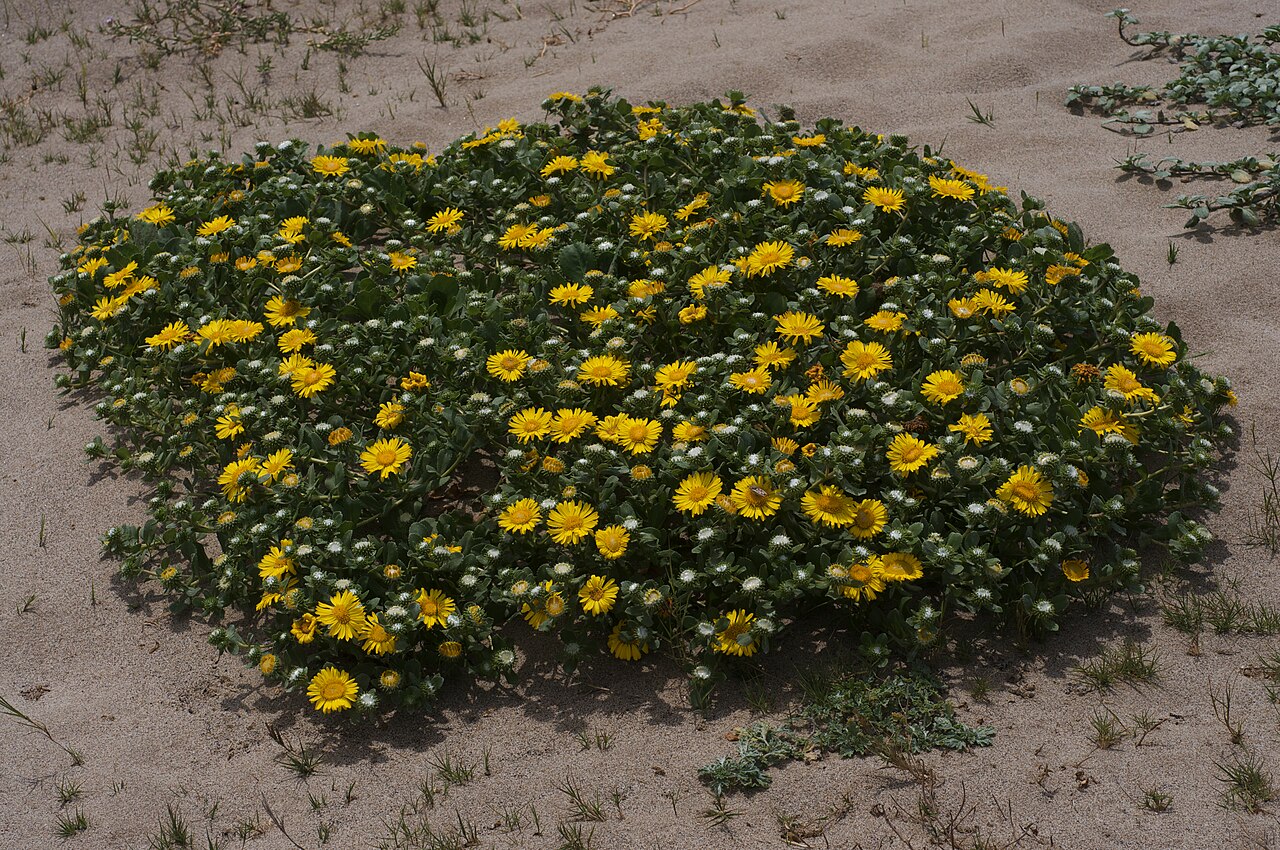
Coastal gumplant forming a dense, flower-covered mound directly on open beach sand. Photo: Eric Hunt, Wikimedia Commons (CC BY-SA 4.0) Grindelia stricta, commonly known as
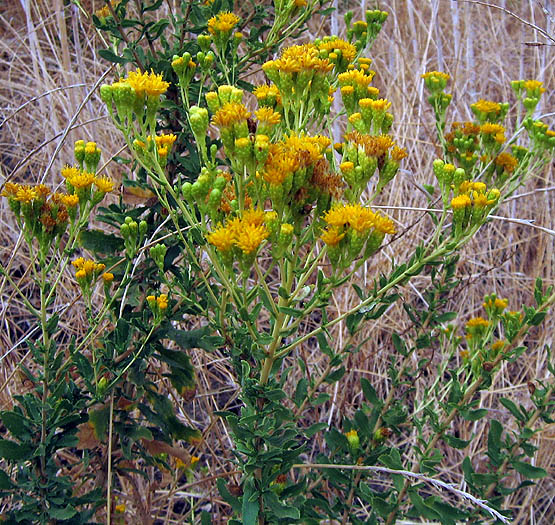
Coast goldenbush in bloom, its branching habit and clustered yellow flower heads typical of coastal California scrub. Photo: Anthony Valois / National Park Service (Public
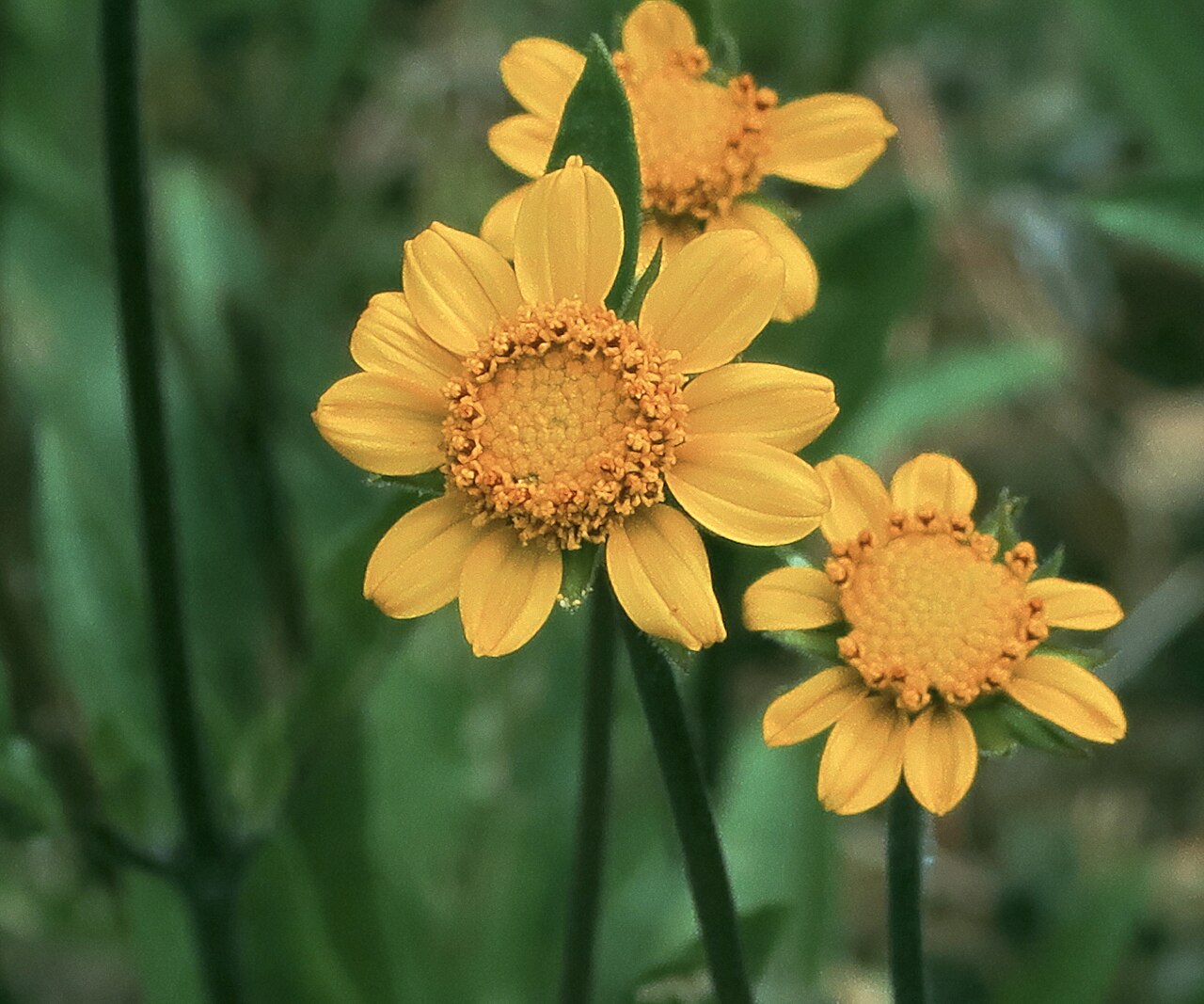
A cluster of California helianthella’s bright yellow, sunflower-like blooms in spring. Photo: John Rusk, Wikimedia Commons (CC BY 2.0) Helianthella californica, commonly known as California
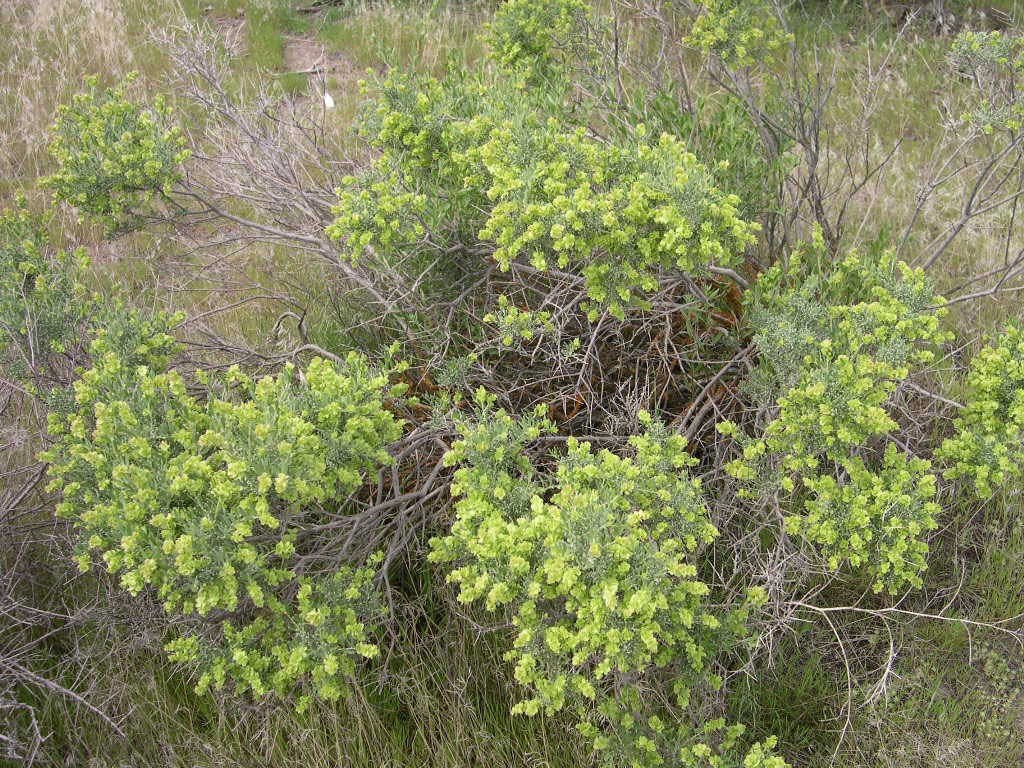
A cluster of spiny hopsage shrubs flushed with bright yellow-green spring growth in southwest Idaho. Photo: ThayneT, Wikimedia Commons (CC BY-SA 4.0) Grayia spinosa, commonly
View More