
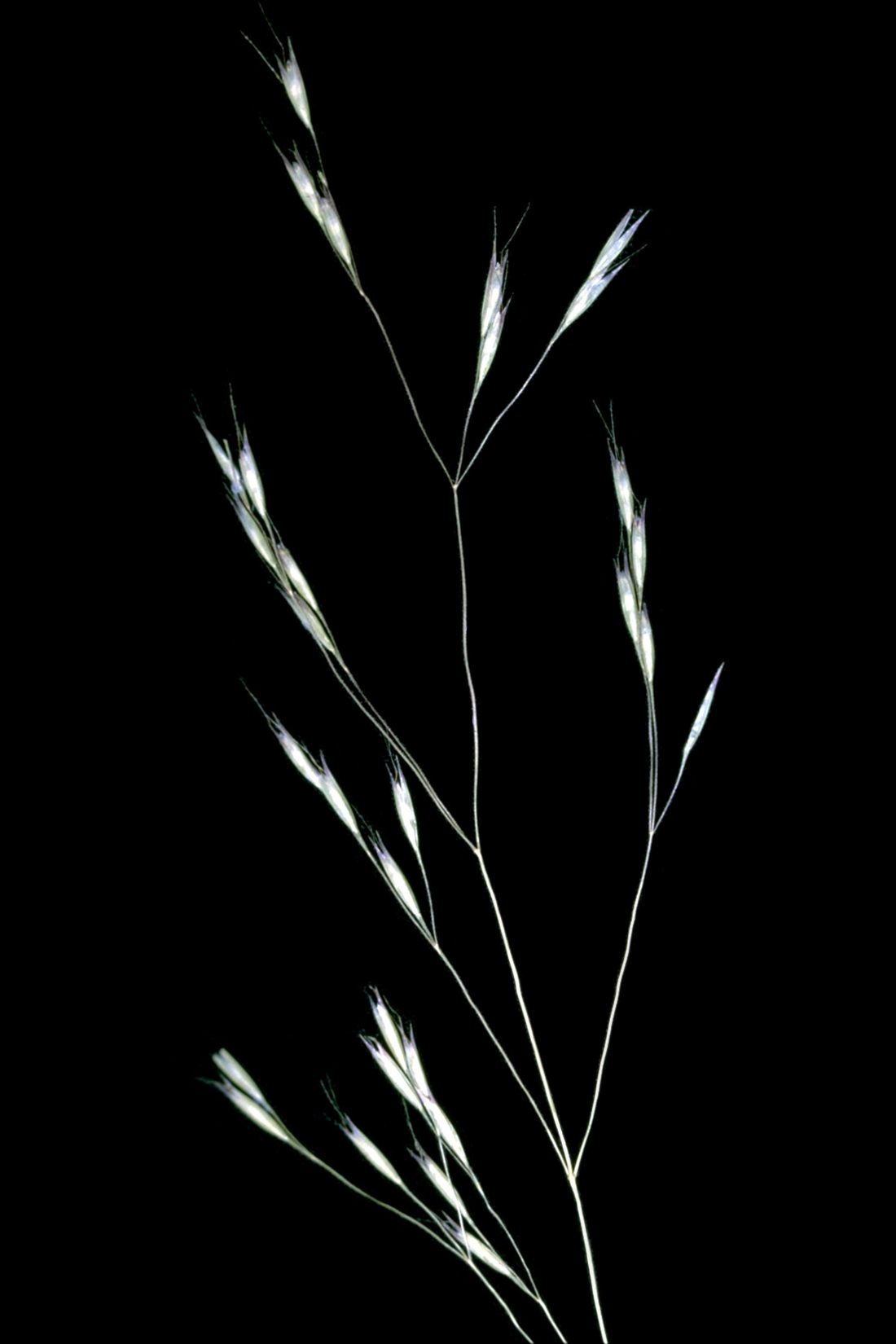
The delicate, open seed panicle of annual hairgrass, with small V-shaped spikelets held on thread-fine branches. Photo: Robert H. Mohlenbrock / USDA NRCS Wetland Flora,
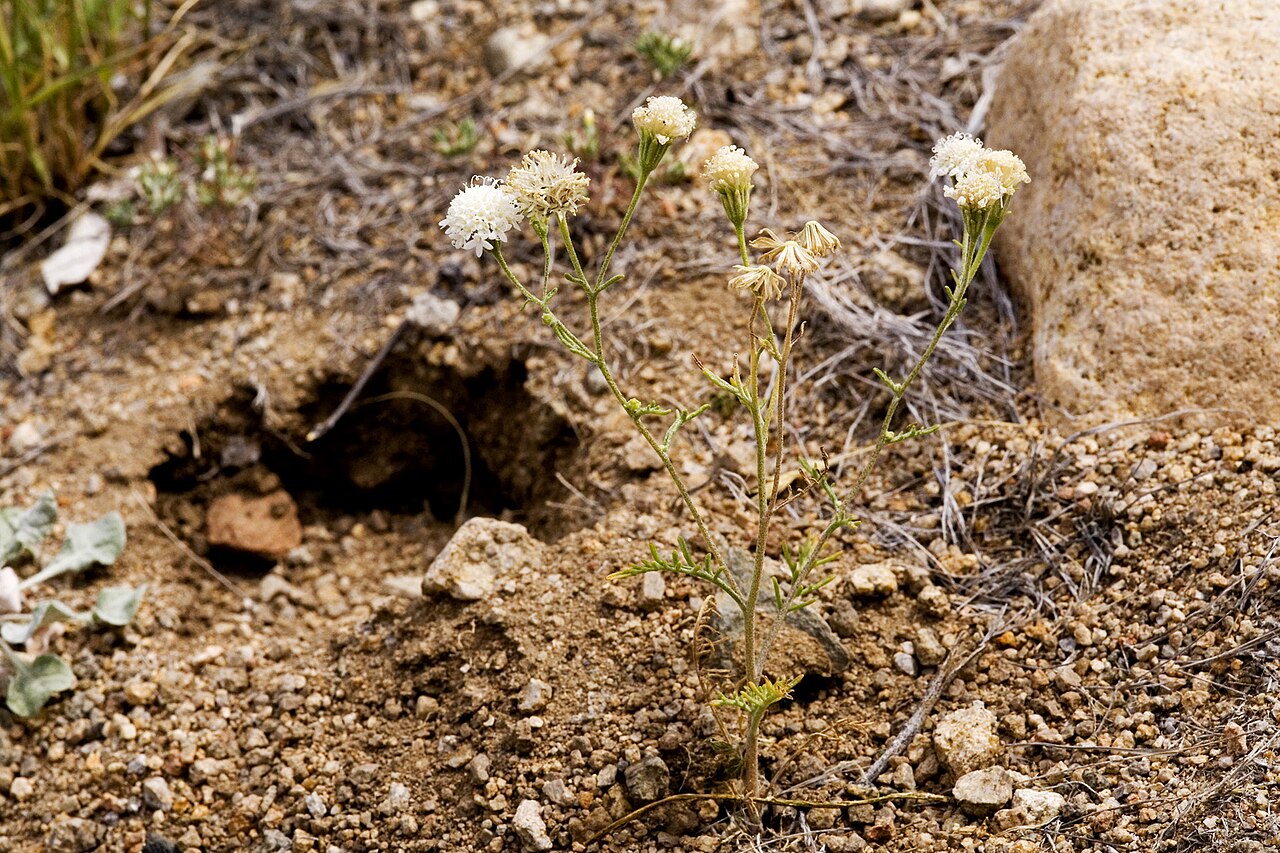
Steve’s pincushion growing from rocky desert soil, its open, branching stems topped with pale pincushion-like flower heads. Photo: andrey zharkikh / Wikimedia Commons (CC BY
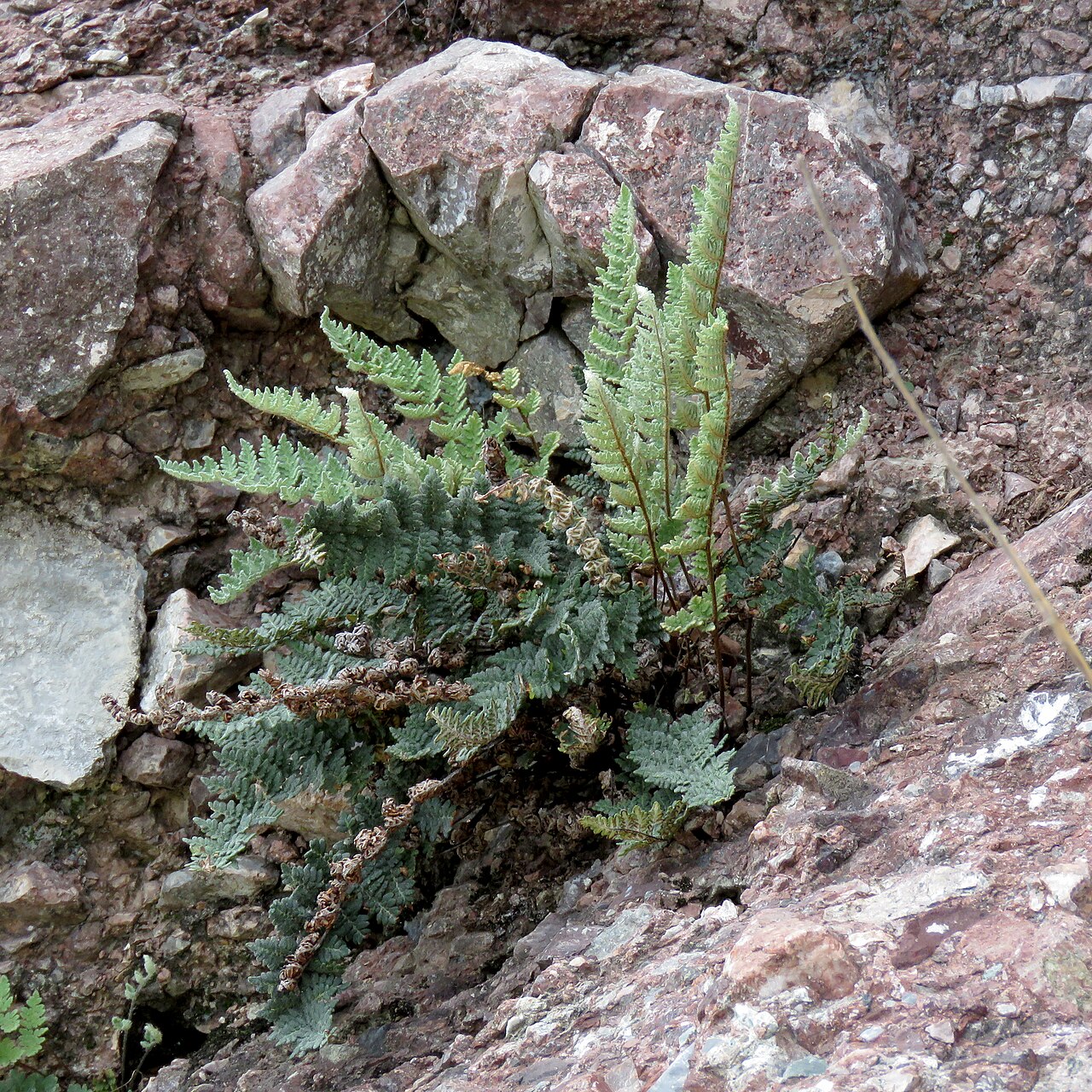
Fairy swords lip fern growing from a crevice at Montezuma Pass, Coronado National Memorial, Arizona. Photo: Katja Schulz / Wikimedia Commons (CC BY 2.0) Cheilanthes
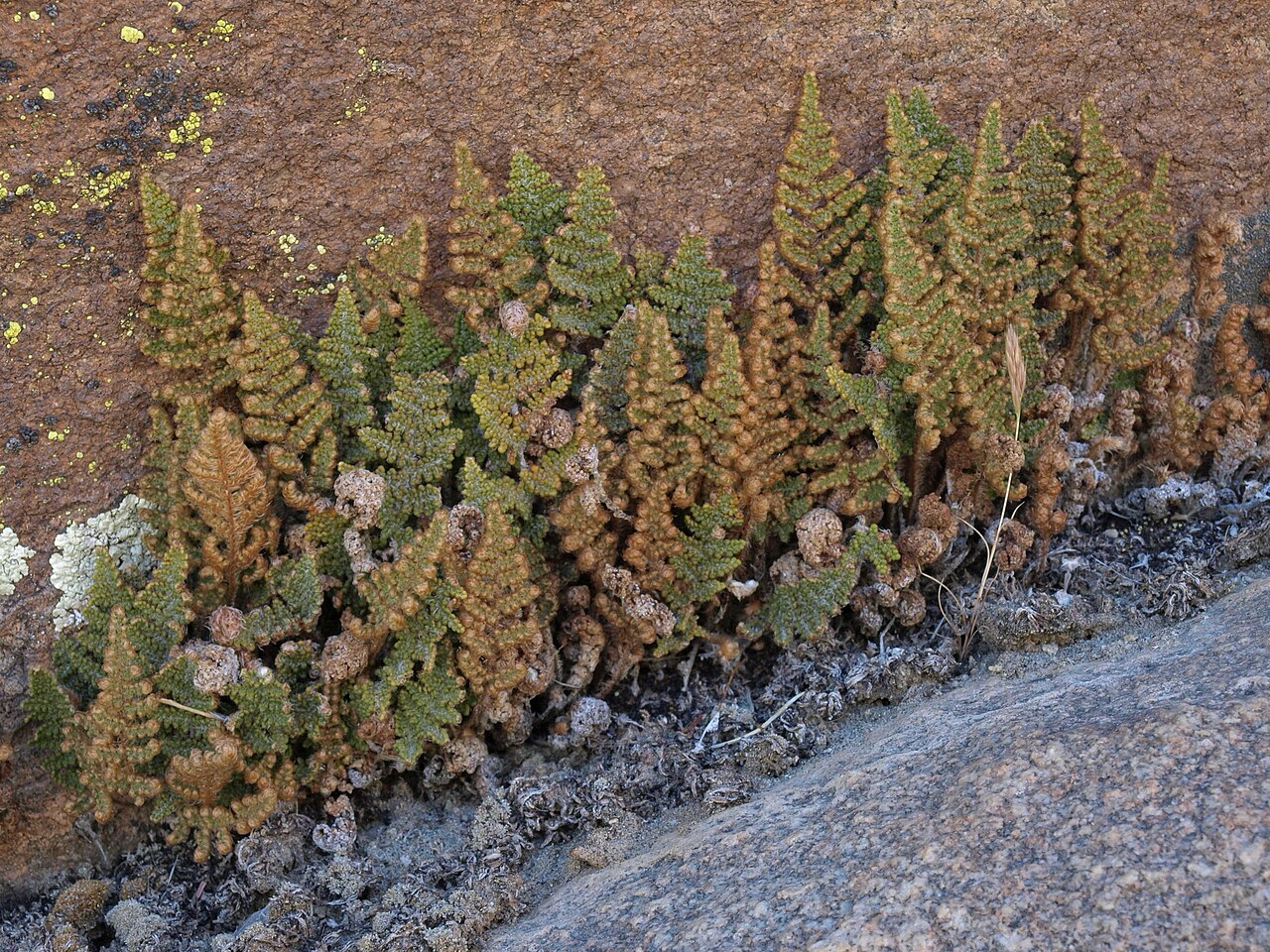
Coville’s lip fern growing from a crack in a granite boulder in the White Mountains, Nevada. Photo: Jim Morefield / Wikimedia Commons (CC BY-SA 2.0)
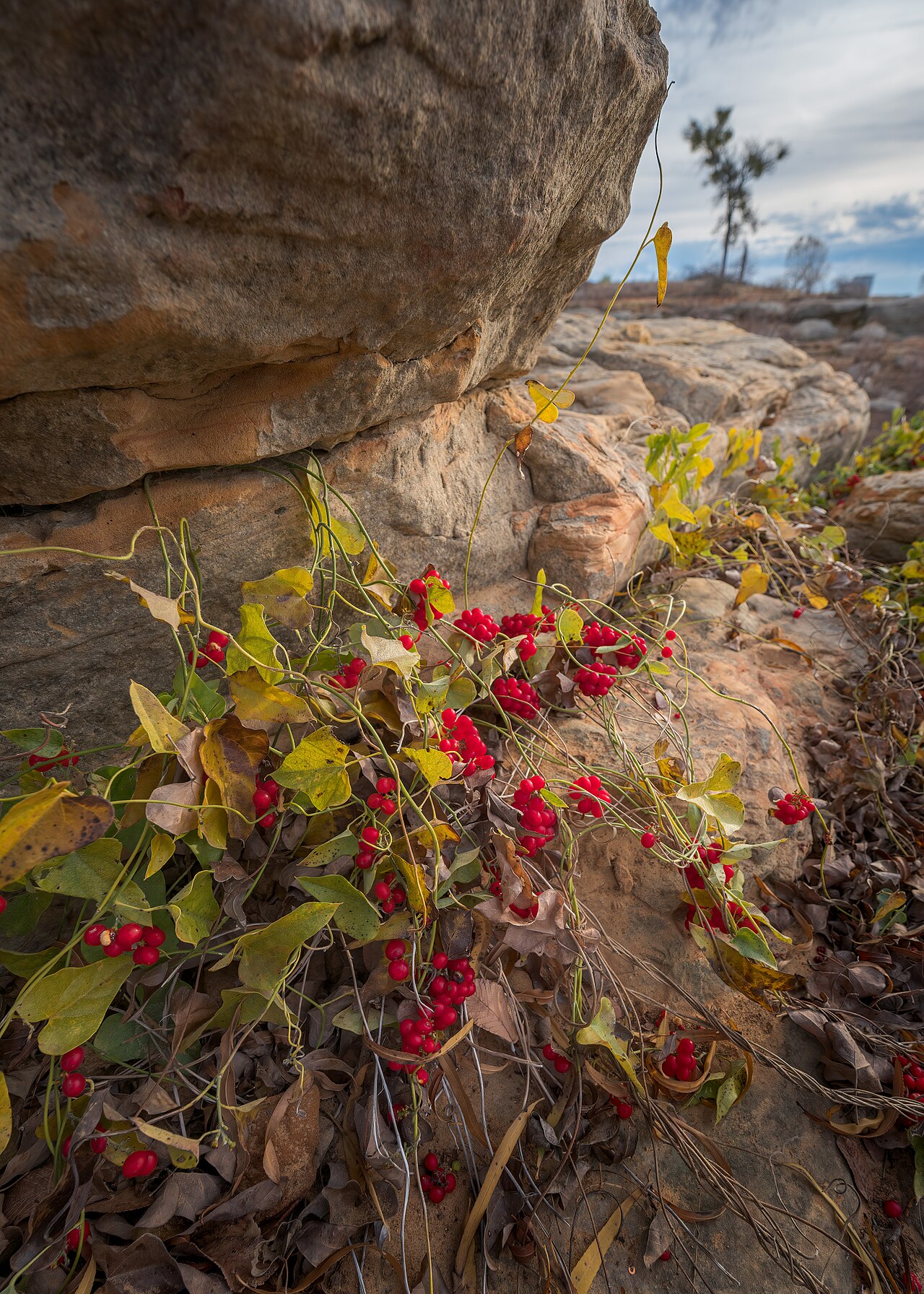
Carolina snailseed trailing over sandstone, loaded with its signature bright red fall berries. Photo: Shiva Shenoy / Wikimedia Commons (CC BY 2.0) Cocculus carolinus, commonly
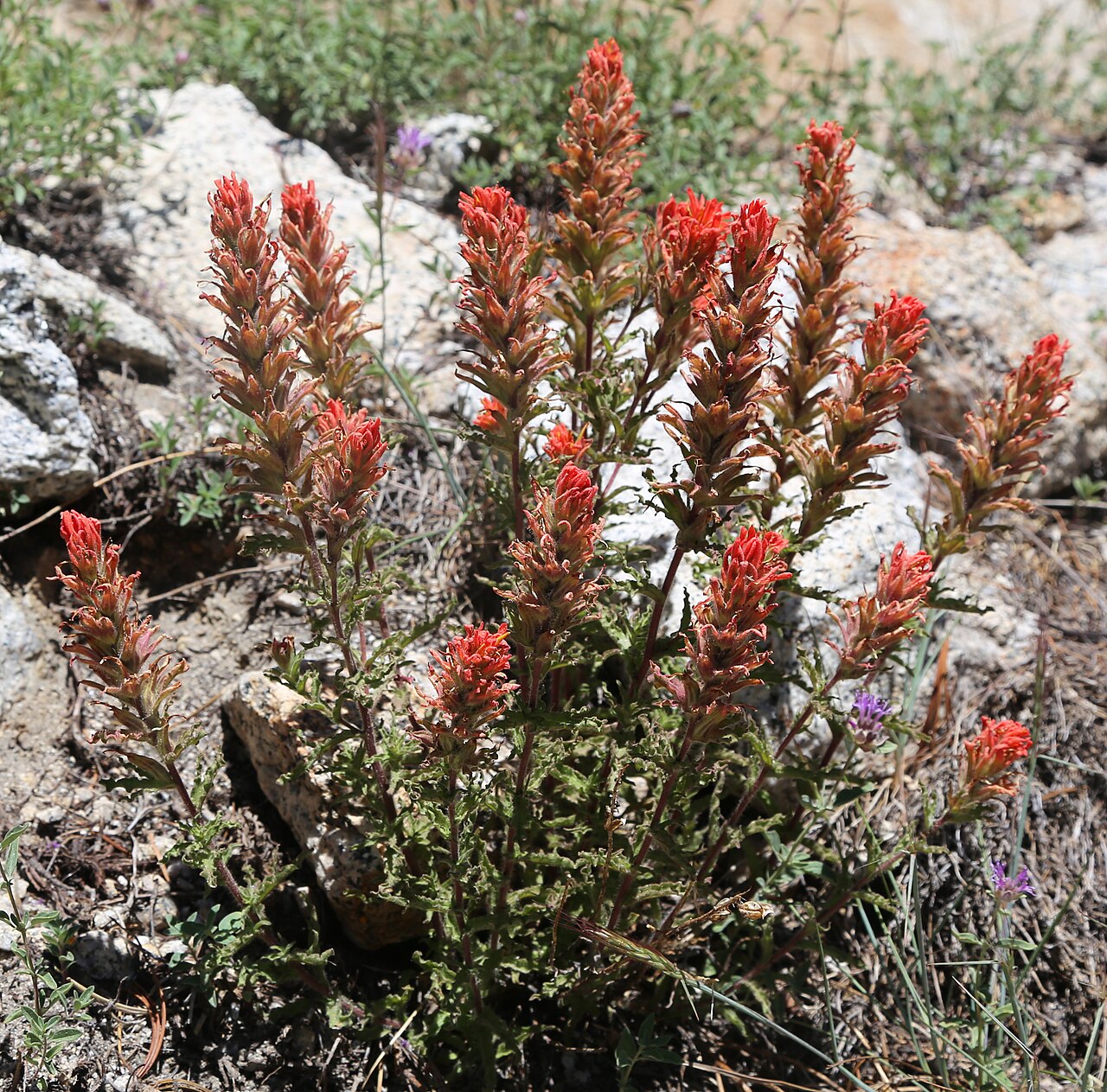
Wavy-leaved paintbrush flowering among granite talus near Mono Pass, Sierra Nevada. Photo: Dcrjsr / Wikimedia Commons (CC BY 4.0) Castilleja applegatei, known as wavy-leaved paintbrush
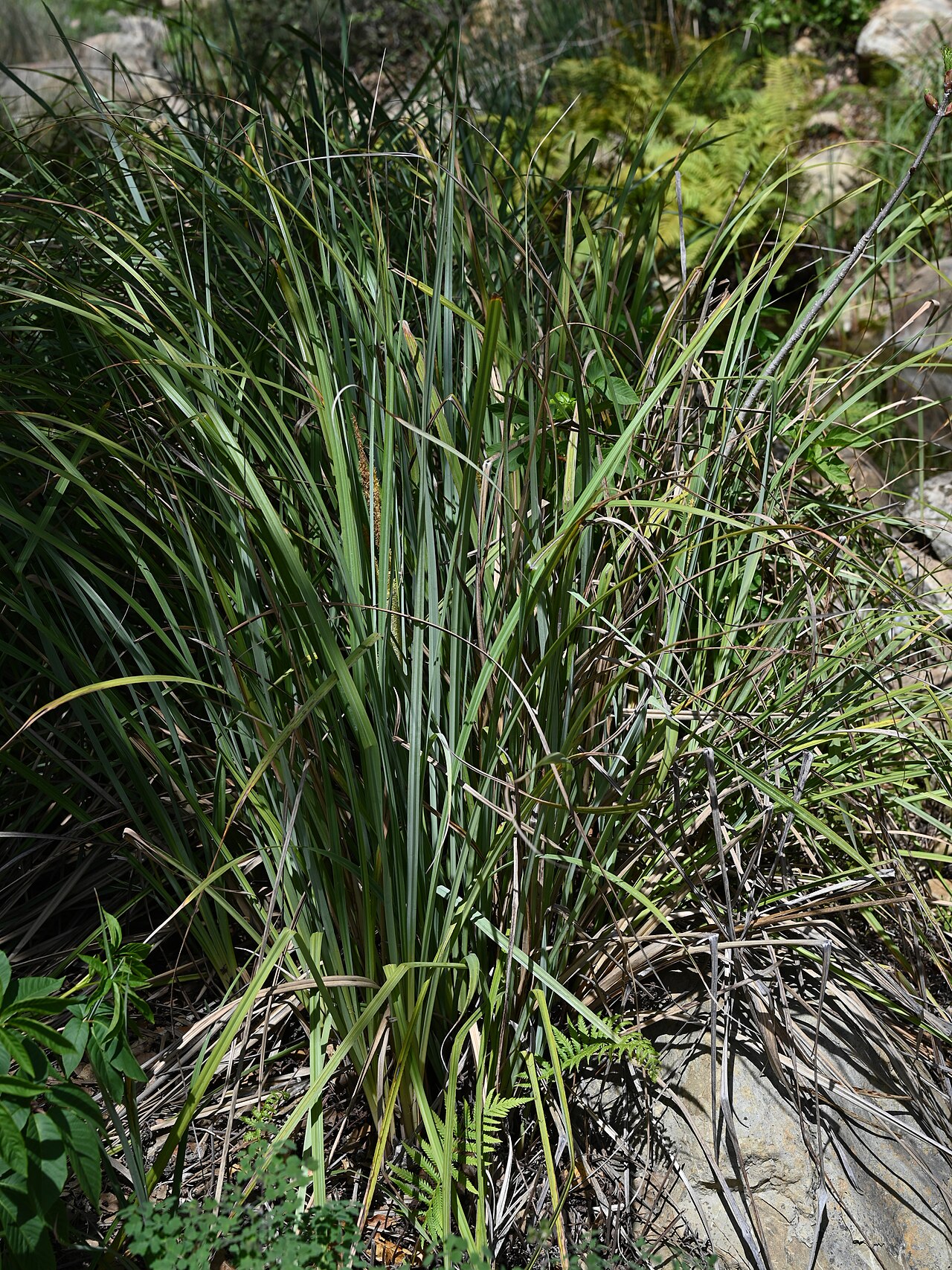
A mature San Diego sedge clump, its silvery-green blades arching outward like a fountain. Photo: Krzysztof Ziarnek, Kenraiz / Wikimedia Commons (CC BY-SA 4.0) Carex
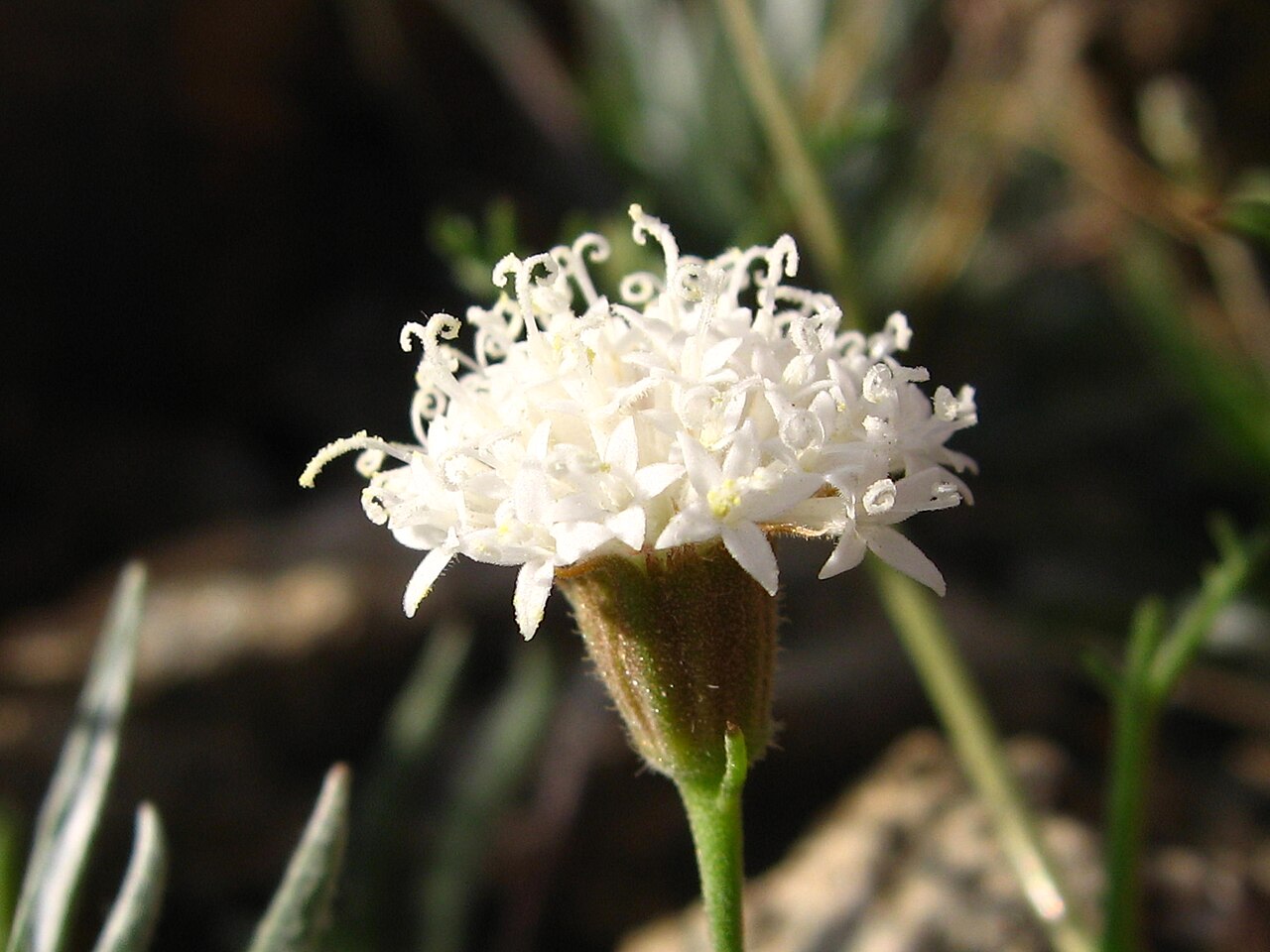
A single pincushion flower head, its curling white florets giving the bloom its namesake texture. Photo: Robb Hannawacker / Wikimedia Commons (Public domain) Chaenactis fremontii,
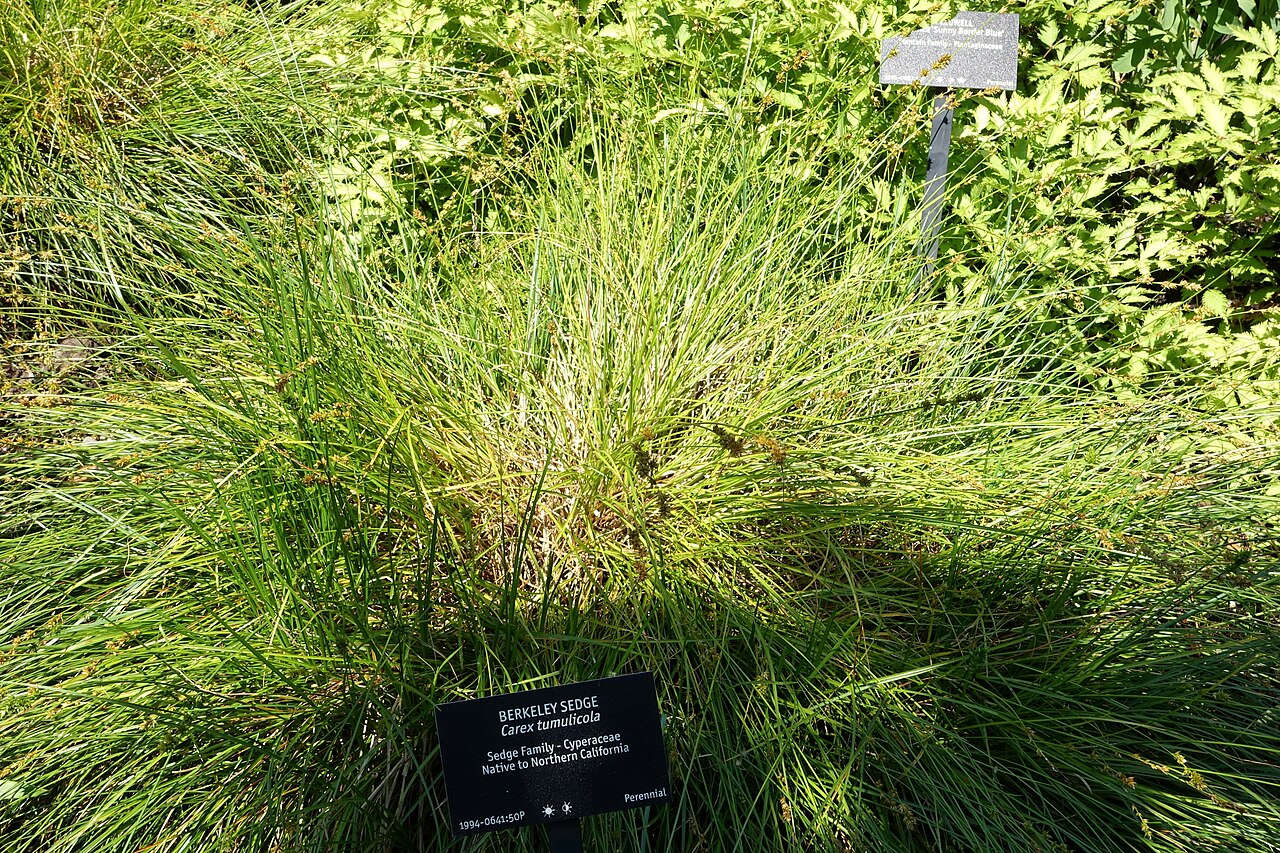
A mature foothill sedge clump, its fine, arching blades forming a loose mound. Photo: Daderot / Wikimedia Commons (CC0) Carex tumulicola, commonly called foothill sedge
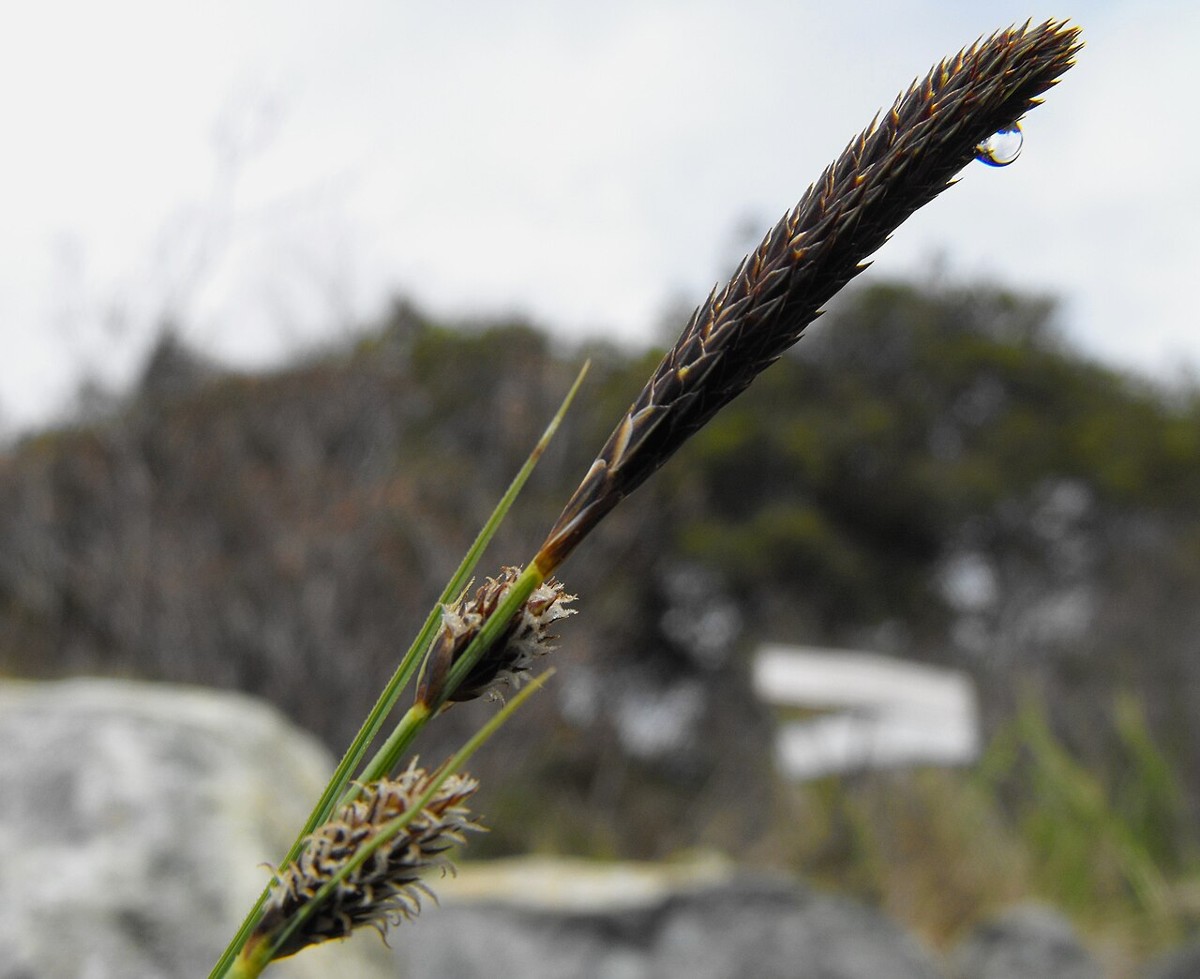
Two-tooth sedge’s dark male spike rises above two bristly, lighter female spikes. Photo: Stickpen, Wikimedia Commons (Public domain) Carex serratodens, commonly known as Two-Tooth Sedge,
View More