
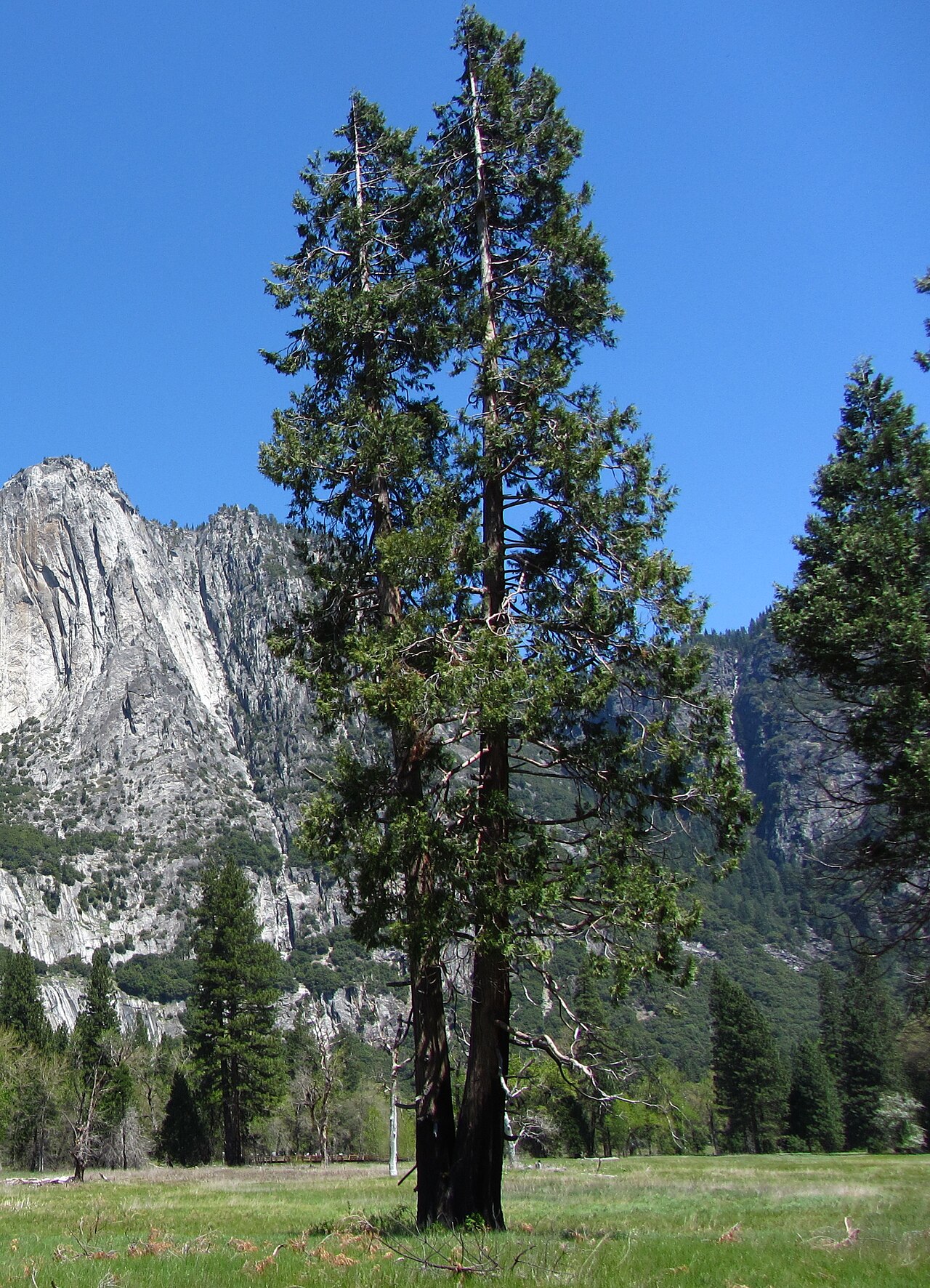
A mature incense cedar’s narrow, tapering crown rises above the meadow floor in Yosemite Valley. Photo: Victor R. Ruiz, Wikimedia Commons (CC BY 2.0) Calocedrus
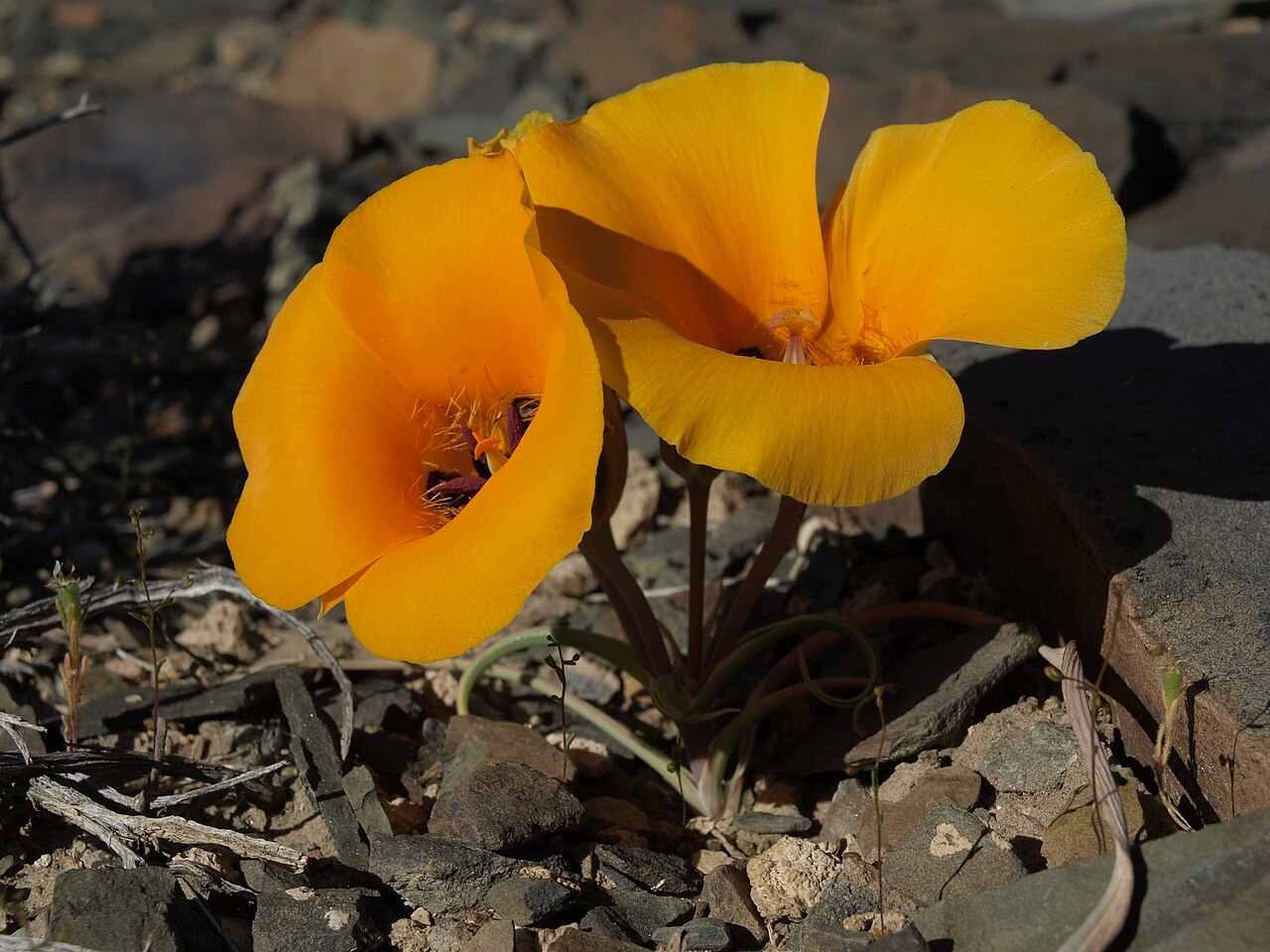
Desert mariposa lily’s vivid orange, bell-shaped flowers in the White Mountains of eastern California. Photo: Jim Morefield, Wikimedia Commons (CC BY-SA 2.0) Calochortus kennedyi, commonly
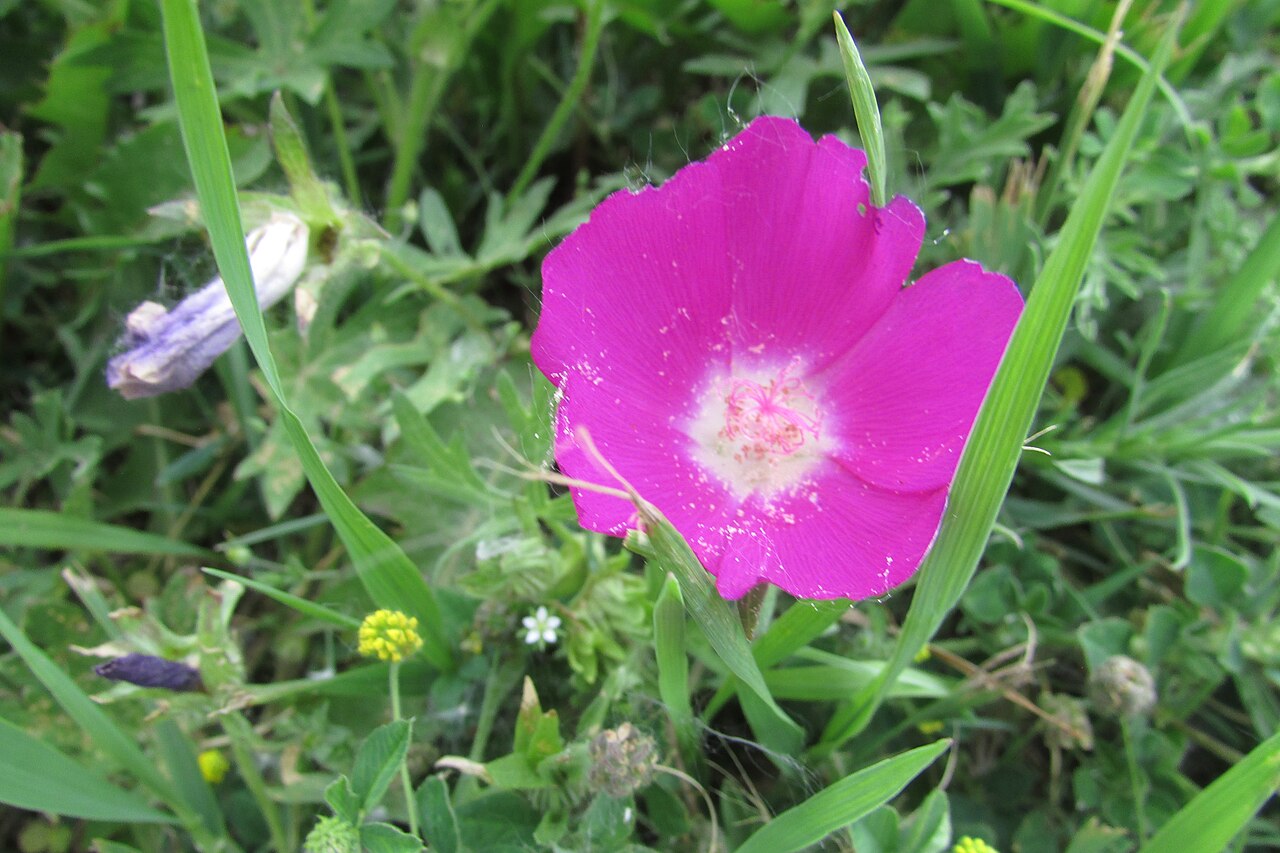
Bush’s poppy mallow’s silky magenta cup, centered on a pale white eye. Photo: Chris Light, Wikimedia Commons (CC BY-SA 4.0) Callirhoe bushii, commonly known as
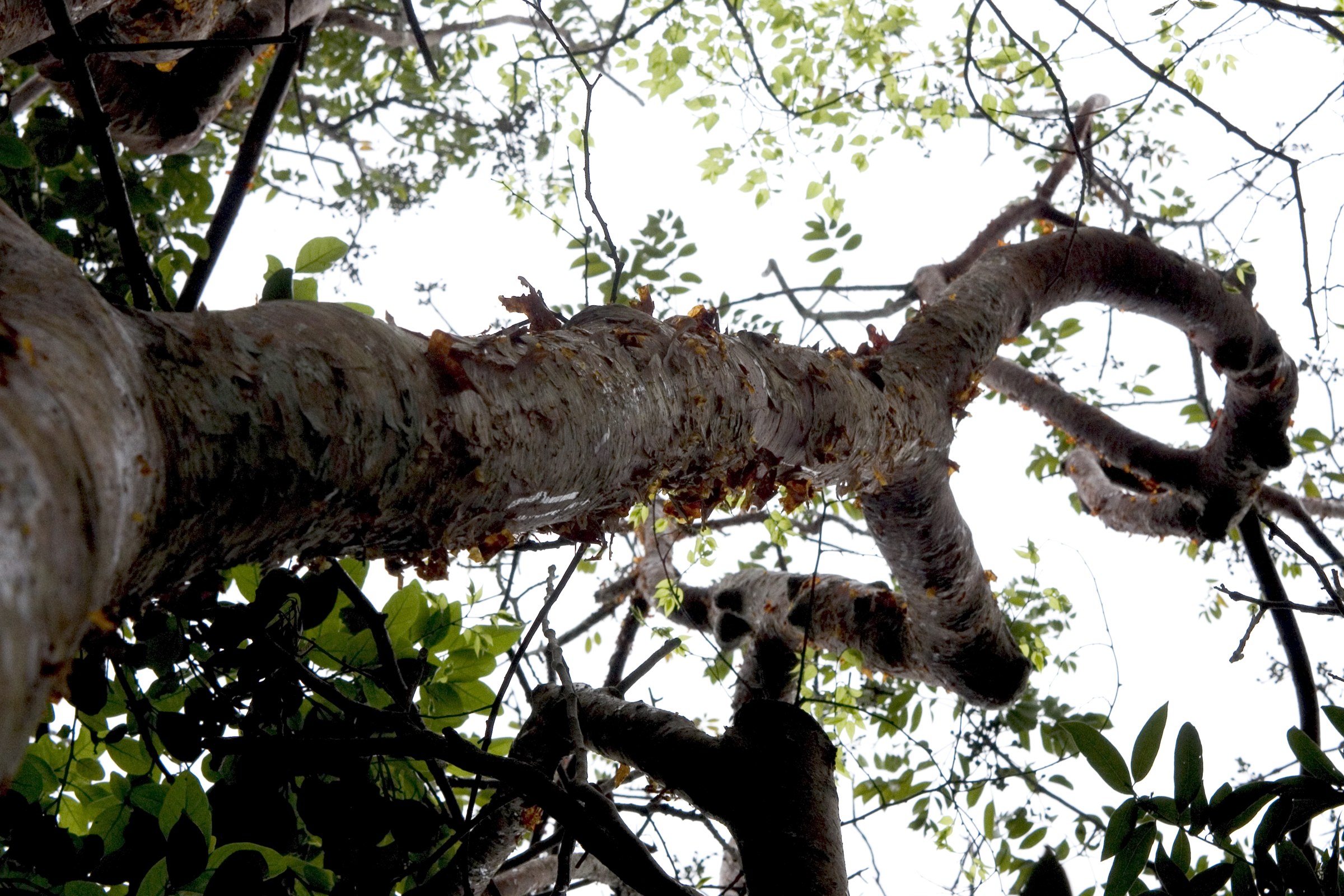
Gumbo limbo’s peeling, coppery-red bark and spreading canopy, photographed in Homestead, Florida. Photo: R. Cammauf, Everglades National Park / Wikimedia Commons (Public Domain) Bursera simaruba,
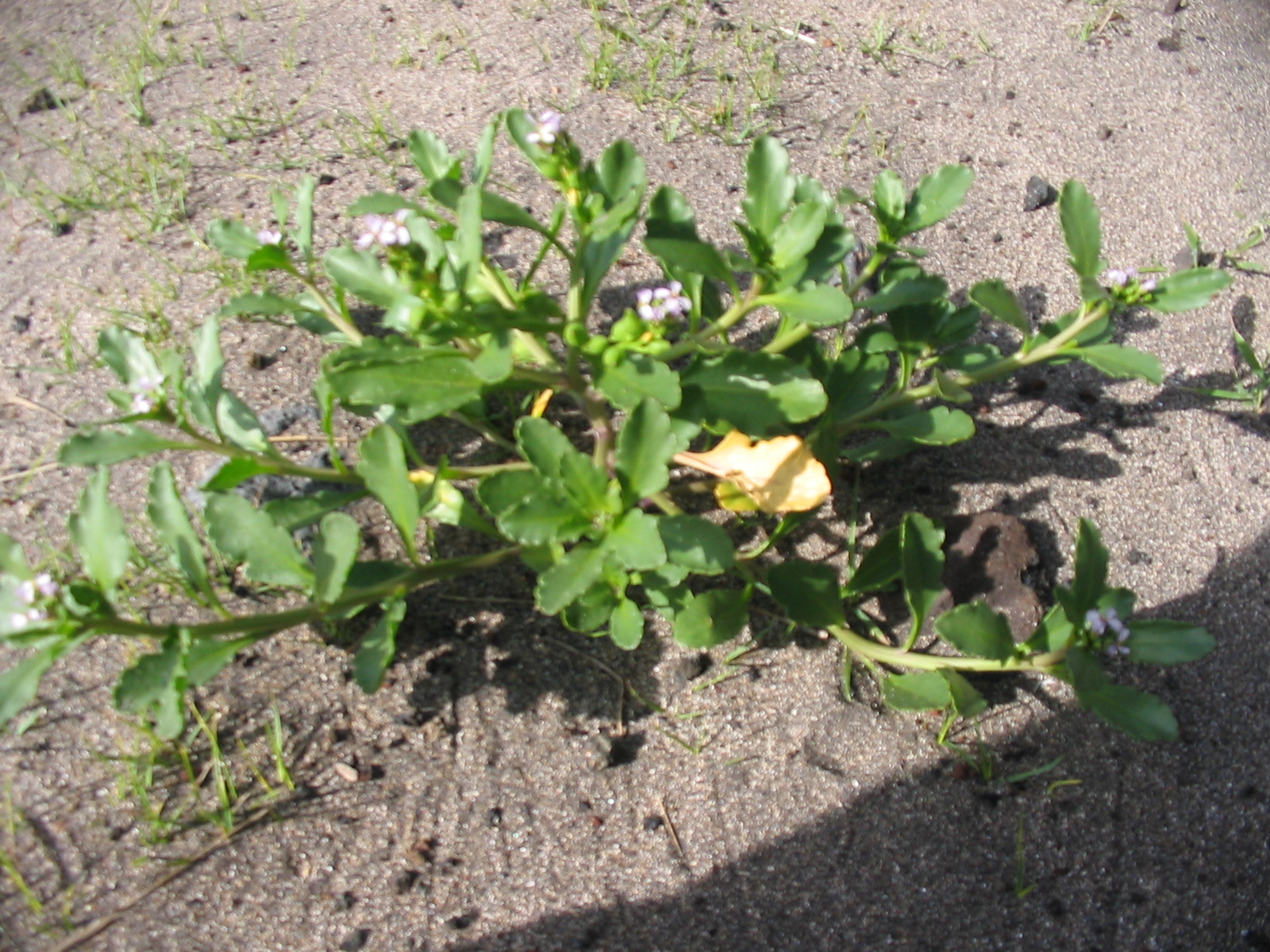
American sea rocket’s low, sprawling mound of fleshy leaves anchored in loose beach sand. Photo: Ixitixel / Wikimedia Commons (CC BY-SA 3.0) Cakile edentula, commonly
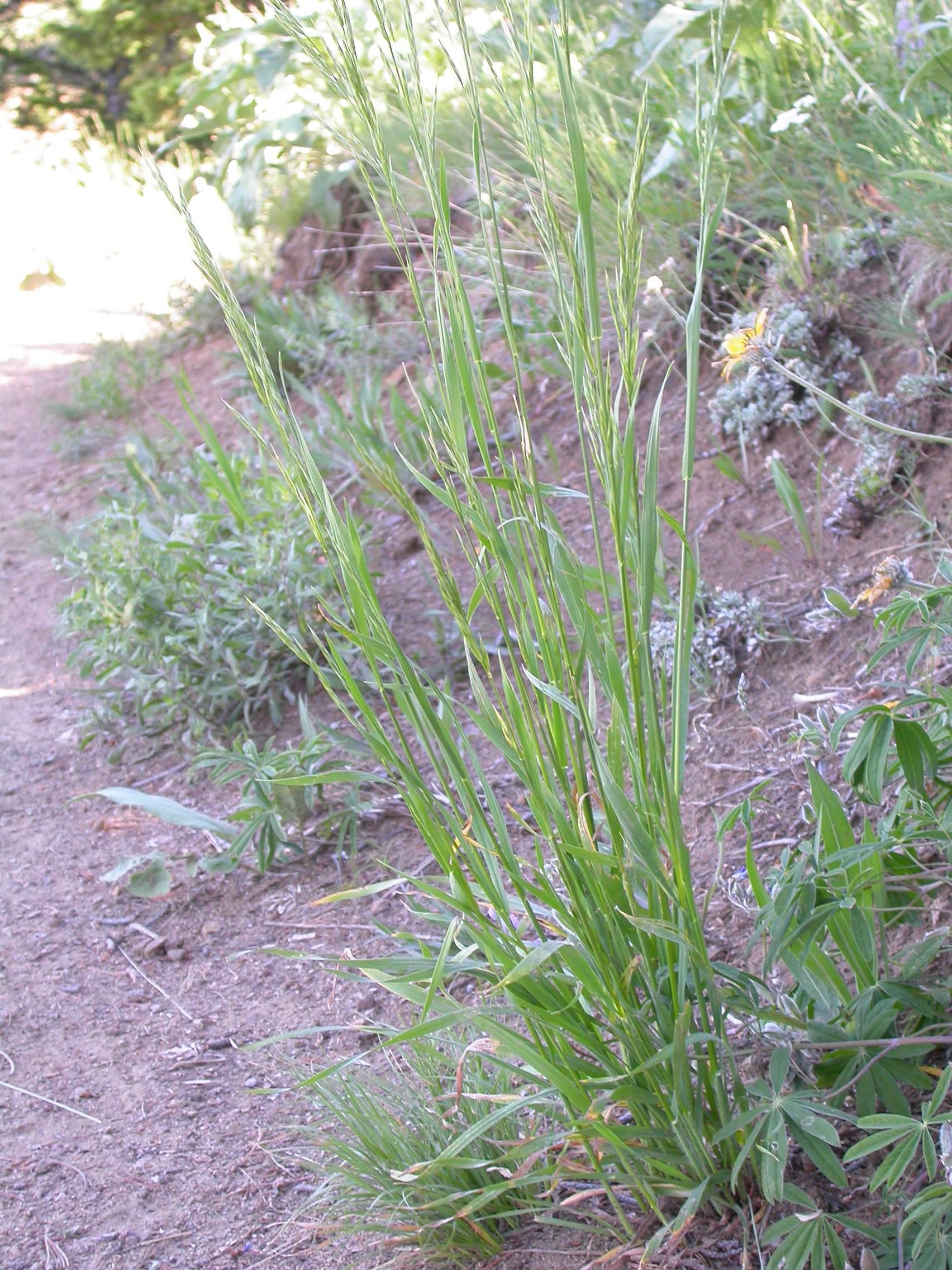
A clump of California brome growing along a mountain trail, its seed heads already arching under their own weight. Photo: Wikimedia Commons (CC BY-SA 2.0)
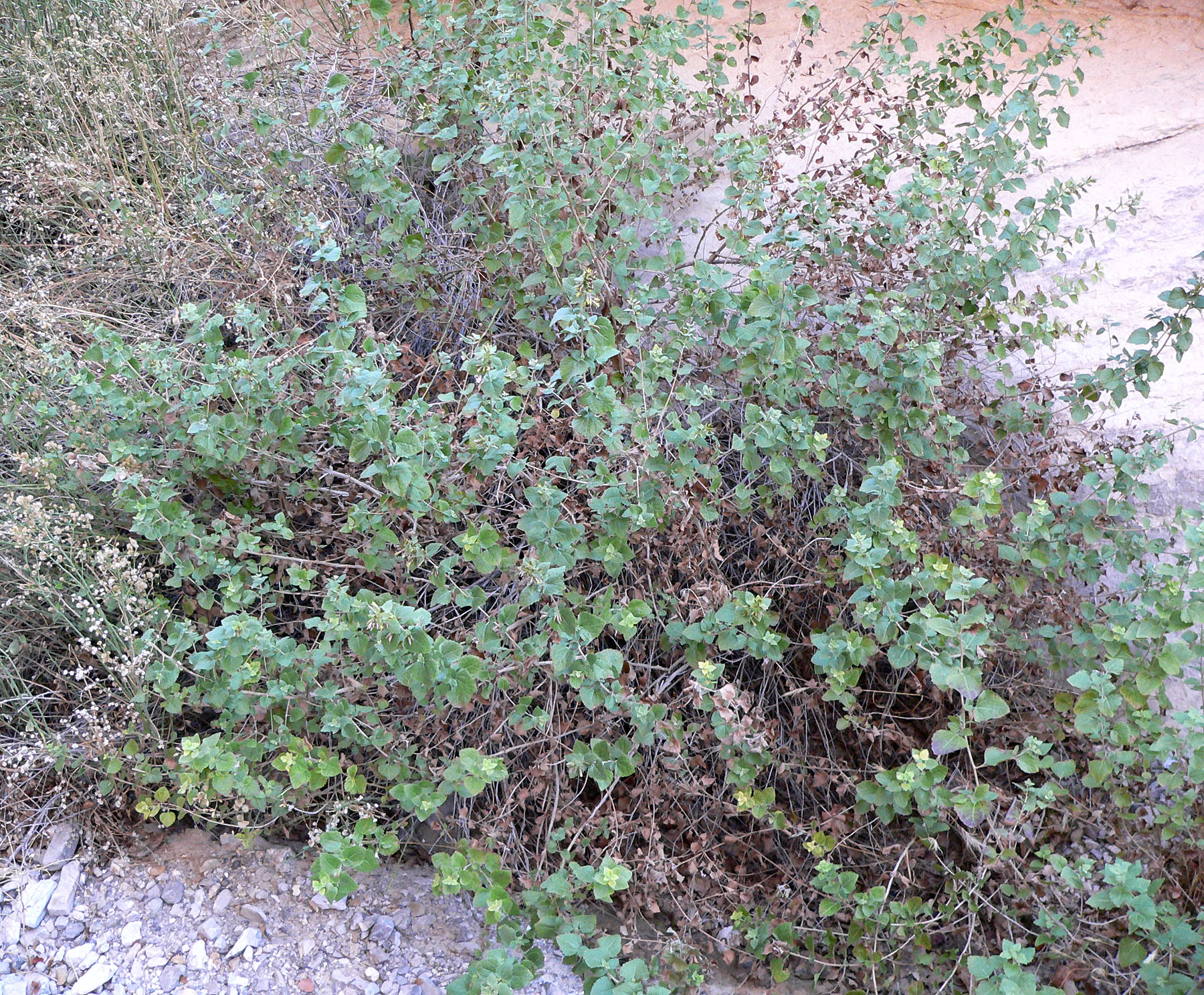
California brickellbush growing from a limestone outcrop in Red Rock Canyon, Nevada. Photo: Stan Shebs, Wikimedia Commons (CC BY-SA 3.0) Brickellia californica, commonly known as
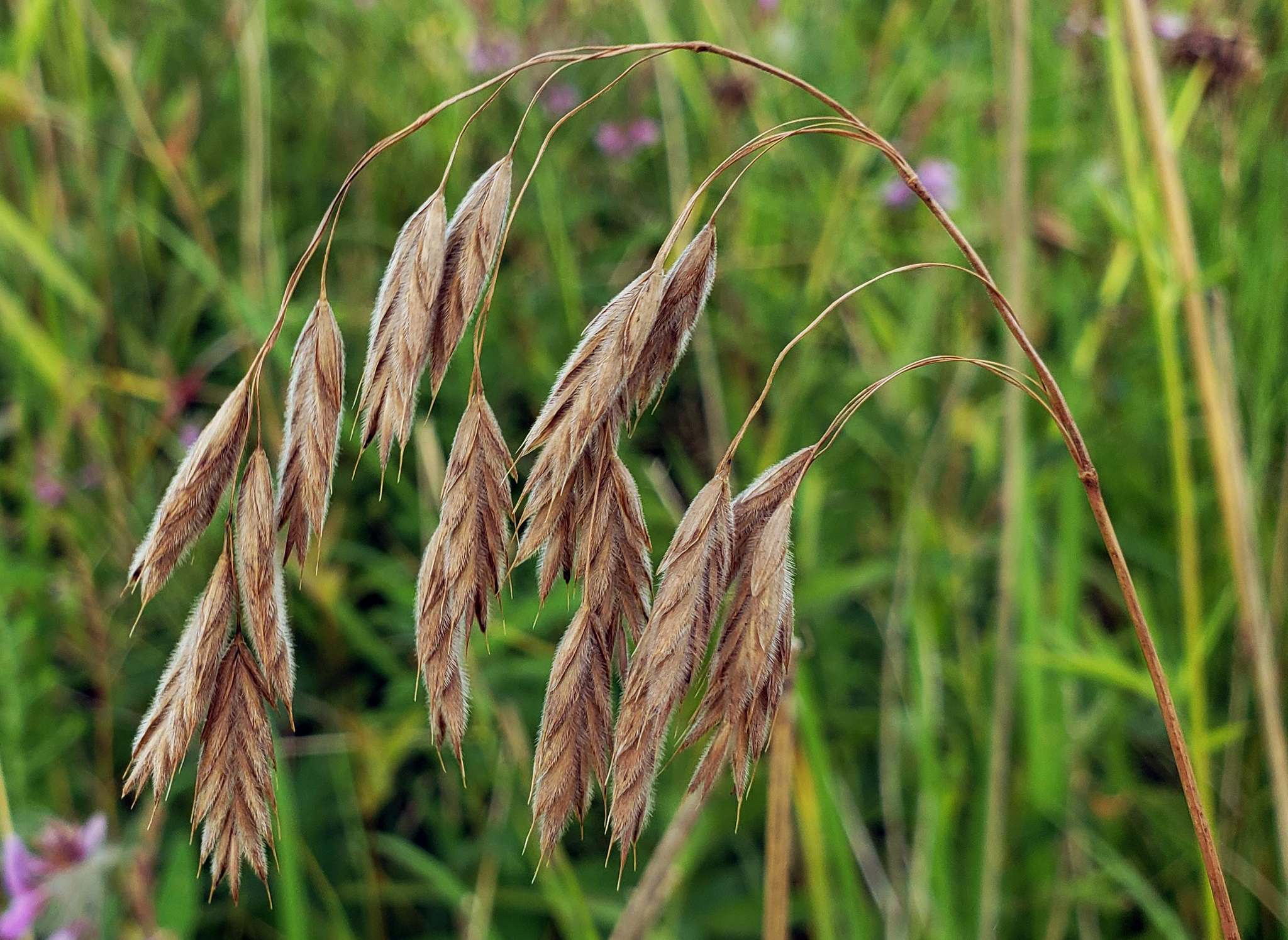
The distinctive arching panicle of Arctic Brome, with its fuzzy, drooping spikelets, over a prairie meadow. Photo: iNaturalist contributor, Wikimedia Commons (CC BY 4.0) Bromus
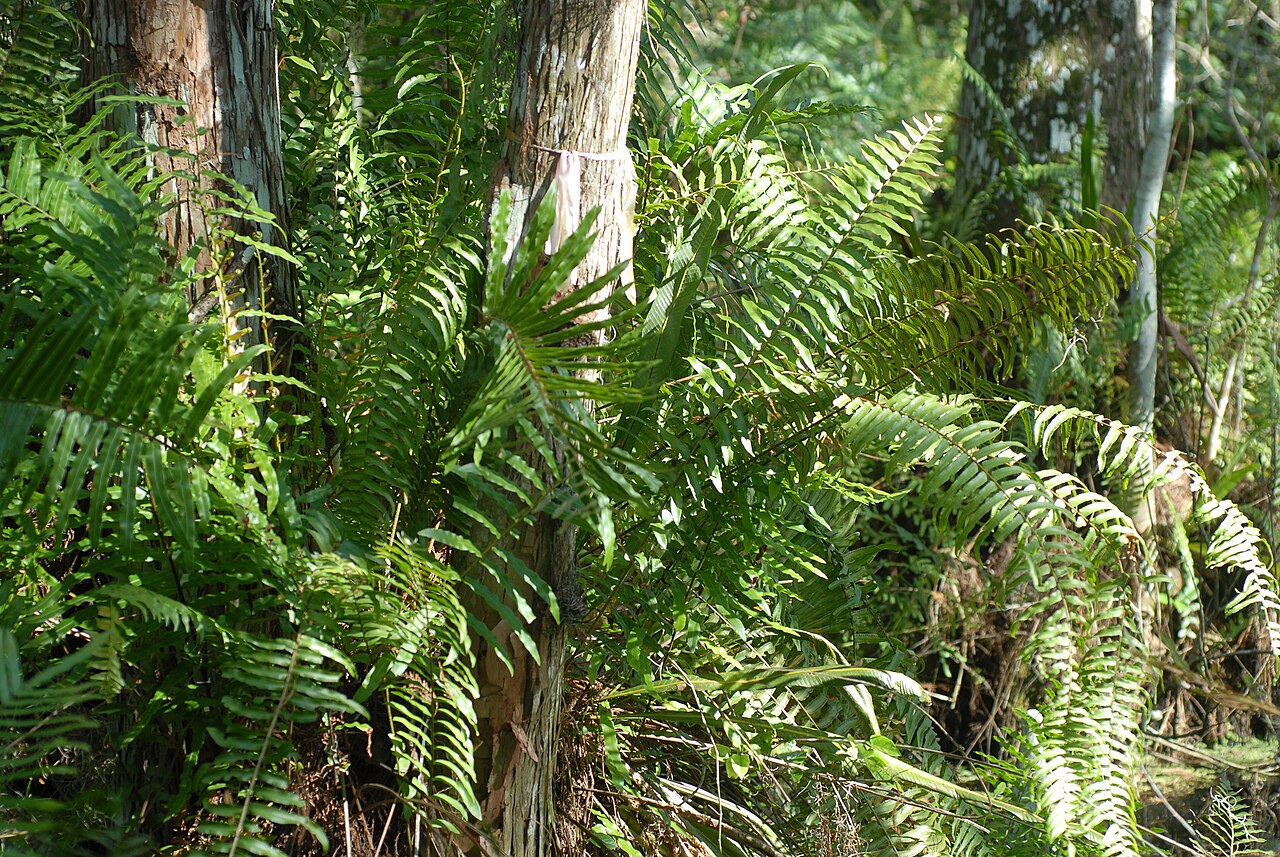
Swamp fern forms dense, slowly spreading clumps of upright, leathery fronds in wet, shaded ground. Photo: Douglas Goldman, via Wikimedia Commons (CC BY-SA 4.0) Blechnum
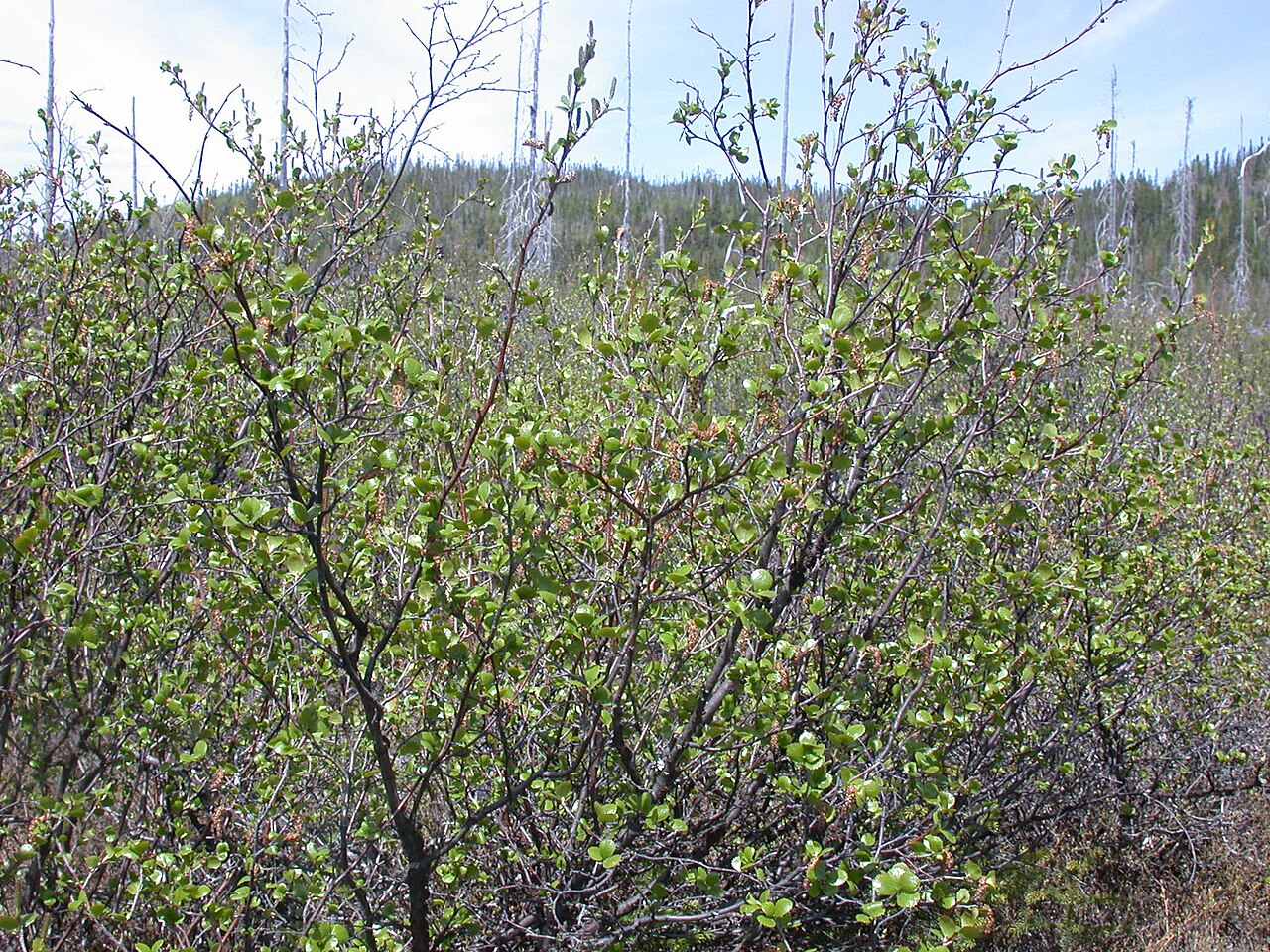
A spreading colony of resin birch in early leaf, growing along a subalpine creek. Photo: Gilles Ayotte, Bibliothèque de l’Université Laval, via Wikimedia Commons (CC
View More