
Maile (Alyxia oliviformis)
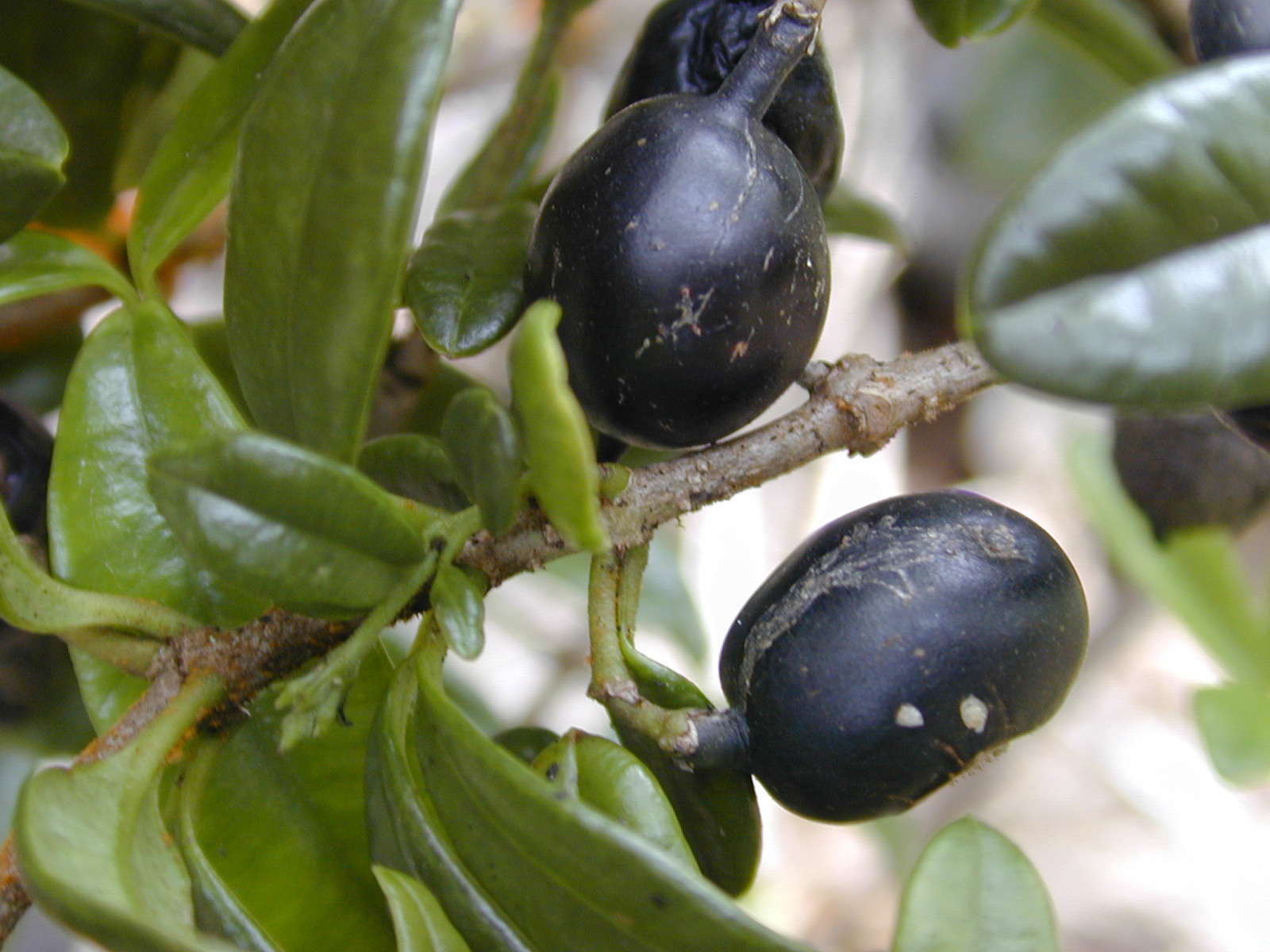
Alyxia oliviformis, the sacred Hawaiian vine known as Maile, holds a place of extraordinary reverence in Hawaiian culture — arguably unmatched by any other native plant. A member of the Apocynaceae (dogbane) family, Maile is a twining vine or lax shrub endemic to the Hawaiian Islands, prized for its intensely fragrant, glossy leaves and slender vining stems. The entire plant — leaves, bark, and stems — releases a sweet, spicy, anise-like fragrance when gently bruised, a scent considered sacred in the Hawaiian tradition and associated with the goddess Laka, the hula, and the highest forms of ceremonial lei.
A single Maile lei — woven from the fresh, unstripped vining stems with their attached leaves — is among the most prized and prestigious of all Hawaiian leis. Maile leis are traditionally worn at the most significant ceremonies: graduations, weddings, the opening of a new building (where a Maile lei is ceremonially “broken” rather than cut with scissors), political inaugurations, and hula performances. The fragrance of Maile — that distinctive, haunting sweetness — is immediately evocative of Hawaiʻi for anyone who has encountered it. In Hawaiian tradition, the small, delicate flowers of Maile represent the four mythic Maile sisters (Maile Lau Li’i, Maile Pakaha, Maile Kaluhea, and Maile Ha’iwale) who are attendants of the hula goddess Laka.
In the forest, Maile grows as a twining liana or spreading shrub in mesic (moderately moist) to wet forest understories across all of the main Hawaiian Islands. It is shade-tolerant and grows beneath the canopy of native ‘ōhi’a and tree fern forests, typically in the 1,500 to 6,000 foot elevation range. Though never extremely abundant, it was historically available throughout Hawaiian mountain forests; today it faces pressure from grazing animals, habitat loss, and heavy harvesting for commercial lei production. Cultivating Maile in gardens and forests is both a cultural act and a conservation imperative.
Identification
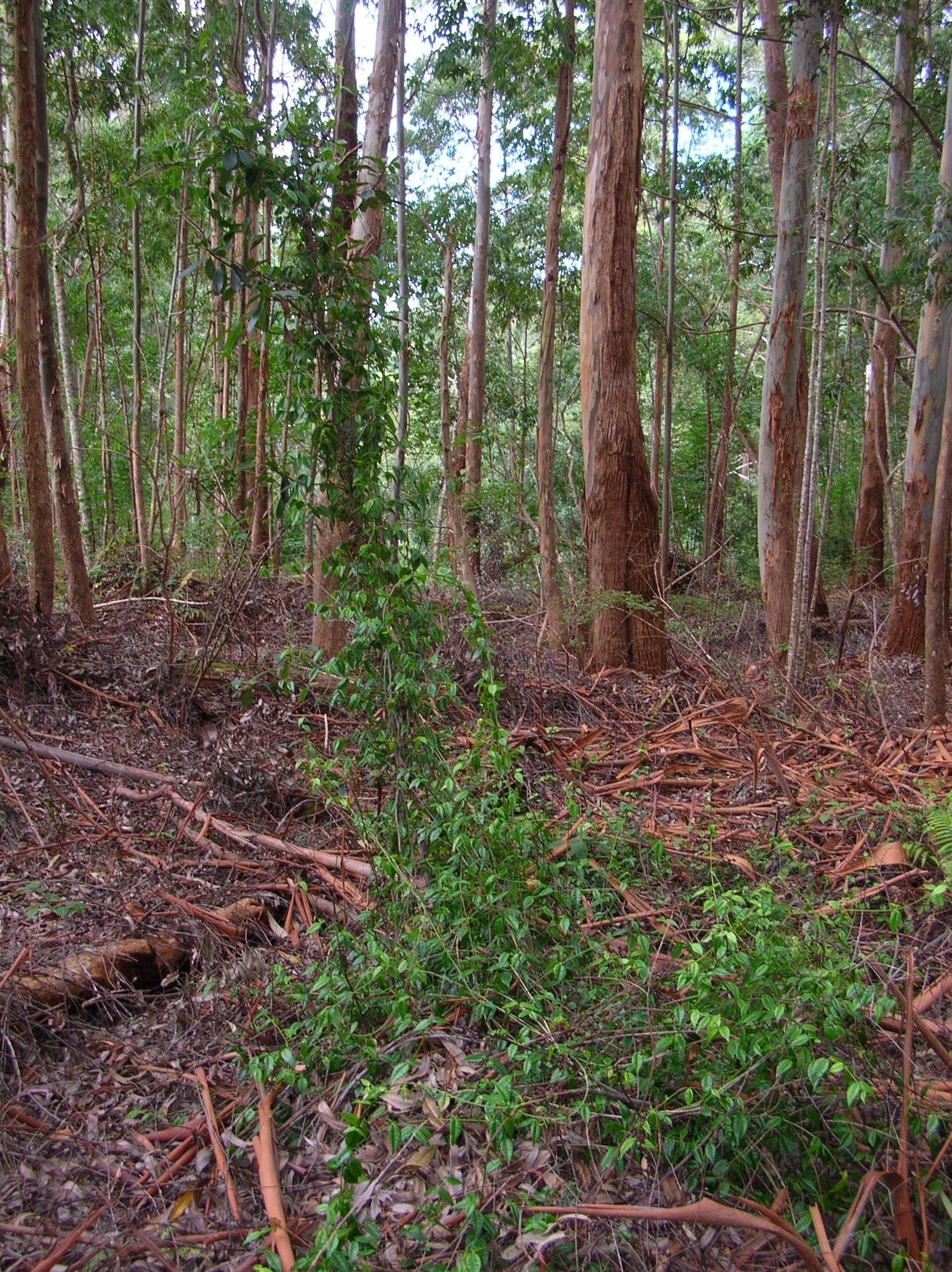
Maile is a woody, evergreen liana (climbing vine) or sprawling shrub, depending on whether it has support to climb. In forest settings with trees and shrubs to twine around, it ascends to 15–30 feet or more; in open situations it grows as a spreading shrub 3–6 feet tall and wide. Stems are slender, flexible, and twining, with a characteristic reddish-brown to grayish bark on older wood. The stems contain white latex (milky sap) when cut. All parts of the plant have a distinctive sweet fragrance when bruised.
Leaves
The leaves are simple, opposite or whorled (often in groups of 3–4 at each node), and elliptic to oblong-ovate, 1½ to 3½ inches (4–9 cm) long and ¾ to 1½ inches (2–4 cm) wide. The leaf surface is conspicuously glossy and bright to dark green above, with a prominent midrib and subtle pinnate venation. The undersides are paler and less glossy. Leaf margins are entire. The leaves are the primary source of Maile’s celebrated fragrance, releasing their sweet scent when gently squeezed or rubbed. The glossy, whorled leaves along flexible stems are the defining visual feature of Maile lei.
Flowers & Fruit
The flowers are tiny and easily overlooked — creamy white to yellowish, tubular at the base and opening into five spreading petals about ¼ inch (5–8 mm) across. They are produced in small axillary or terminal clusters and are delicately fragrant. Flowering occurs mainly in spring through summer, though timing varies by elevation and island. Despite their small size, the flowers are said in Hawaiian tradition to represent the four Maile sisters — divine attendants of Laka — and have been used in hula altar arrangements.
The fruit is a small, fleshy drupe (olive-like, as the species epithet oliviformis suggests), roughly ¼ to ⅜ inch (6–10 mm) long, turning from green to dark purple-black at maturity. Fruits ripen mainly in fall and winter. They are consumed by native Hawaiian birds, particularly the ‘Ōma’o (Hawaiian thrush) and ‘Ōpe’ape’a (Hawaiian hoary bat), which disperse the seeds through the forest.
Quick Facts
| Scientific Name | Alyxia oliviformis |
| Family | Apocynaceae (Dogbane) |
| Plant Type | Evergreen Vine / Lax Shrub |
| Mature Height | 3–6 ft as shrub; 15–30 ft as climbing vine |
| Sun Exposure | Full Sun to Part Shade |
| Water Needs | Low to Moderate |
| Fragrance | Yes — intensely sweet, anise-like scent from leaves and stems |
| Bloom Time | Spring – Summer |
| Flower Color | Creamy white to yellow (small) |
| USDA Hardiness Zones | 10–12 |
Native Range
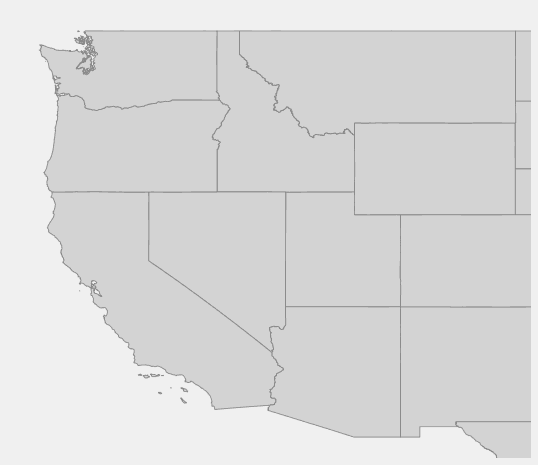
Maile (Alyxia oliviformis) is endemic to the Hawaiian Islands — found nowhere else naturally on Earth. The species occurs on all of the main Hawaiian Islands: Kaua’i, O’ahu, Moloka’i, Lāna’i, Maui, and Hawai’i (the Big Island), as well as on some of the smaller satellite islands. On each island, it occurs primarily in the mesic (moderately moist) to wet forest zones, typically between 1,500 and 6,000 feet elevation, though it can range somewhat higher in particularly favorable microclimates.
Within its native forest habitat, Maile grows as an understory vine climbing through and over native trees and shrubs — particularly in native ‘ōhi’a (Metrosideros polymorpha) forests and tree fern (Cibotium spp.) glades. It is most abundant in well-developed native forest with intact canopy, though it can persist at forest edges and in disturbed areas if the core conditions — moderate moisture, protection from browsing, and partial shade — are maintained. Different islands support different ecotypes of Maile, with some variation in leaf size, fragrance intensity, and growth habit.
Maile populations have declined significantly across Hawaiʻi due to several pressures. Habitat loss to agricultural and urban development has reduced native forest area substantially. Feral pigs and goats browse and trample Maile in forest understories. Perhaps most significantly for this culturally important plant, over-harvesting for commercial lei production has stripped Maile from accessible forest areas on O’ahu and other heavily populated islands. Conservation efforts focus on protecting remaining forest habitats, controlling ungulates, and cultivating Maile in gardens and reforestation projects.
📋 Regional plant lists featuring Maile: Hawaii
Growing & Care Guide
Growing Maile at home is one of the most meaningful things a Hawaiian gardener can do — both for preserving an endangered cultural tradition and for supporting native forest ecology. While Maile requires more specific conditions than many Hawaiian native plants, it is achievable in home gardens with the right approach.
Light
Maile naturally grows in forest understory conditions, preferring partial shade to dappled light. It tolerates full sun in cooler, higher-elevation settings, but at low elevations, some afternoon shade is important to prevent leaf scorch and maintain the glossy foliage quality. Morning sun with afternoon shade is ideal for most Hawaiian lowland gardens. Maile grown in too much shade becomes sparse and slow-growing; in optimal light, it is relatively vigorous.
Soil & Water
Maile prefers moist, well-drained, humus-rich soils — the type found in native forest understories where leaf litter accumulates. It does not tolerate waterlogged or compacted soils. In the garden, amend native volcanic soils with compost or leaf mold to improve moisture retention and organic content. Maile benefits from consistent moisture, especially in the first year of establishment, but should not be kept constantly wet. A thick layer of organic mulch around the base mimics forest floor conditions and helps maintain root zone moisture and temperature.
Planting Tips
Purchase Maile from Hawaiian native plant nurseries — never collect from the wild, and be cautious of purchasing harvested lei-grade Maile vines without root systems, which will not establish. Plant in a location where it has something to climb (a trellis, fence, or native tree), or allow it to sprawl as a ground cover or lax shrub. Space plants 3–6 feet apart. Water regularly in the first year, then maintain moderate moisture. Mulch generously. Maile can be slow to establish but becomes more vigorous once its root system is established.
Pruning & Maintenance
For lei harvesting, lightly trim new stem growth leaving several inches of stem on the plant — avoid stripping entire branches. The plant responds to light harvesting by producing more new growth. Heavy pruning or stripping is harmful and is the primary cause of decline in wild Maile populations. For purely ornamental plants, minimal pruning is needed — shape lightly as desired to direct climbing or spreading growth.
Landscape Uses
- Lei garden — grow your own Maile for personal lei-making and cultural ceremonies
- Forest garden vine — trains beautifully over native shrubs and trees
- Fragrance garden — the leaves release a sweet scent when gently brushed
- Ground cover — allowed to sprawl in shaded situations
- Cultural heritage planting — deeply meaningful in Hawaiian home gardens and schools
- Native forest understory restoration — important component of Hawaiian mesic forest
Wildlife & Ecological Value
Maile plays an important role in Hawaiian forest ecosystems, particularly in the native mesic and wet forest zones where it grows as part of the understory shrub and vine layer.
For Birds
The dark purple-black fruits of Maile are eaten by native Hawaiian birds including the ‘Ōma’o (Hawaiian thrush, Myadestes obscurus) on the Big Island, and ‘Āma’uliuli on other islands. These birds are important seed dispersers, spreading Maile seeds through the forest understory. The dense vine tangles also provide excellent nesting habitat and cover for small forest birds, including native honeycreepers.
For Pollinators
The small tubular flowers attract native Hawaiian bees and other small forest pollinators. The flowers bloom in spring and summer, contributing to the food resources available to pollinators in native forest understories. Though individually tiny, the clustering of flowers and their fragrance makes them effective pollinator attractors.
Ecosystem Role
Maile’s twining growth habit helps bind the understory layer of native Hawaiian forest, creating structural complexity that supports other species. In intact native forest, Maile vines create habitat connections between the ground layer and the mid-canopy, providing pathways for small animals. Its roots help stabilize soil on forest slopes. As an endemic species that evolved with the Hawaiian forest ecosystem, Maile is part of the intricate web of ecological relationships — with its specialized pollinators, seed dispersers, and associated fungi — that make Hawaiian native forest irreplaceable.
Cultural & Historical Uses
Maile is perhaps the most culturally sacred plant in Hawaiʻi, holding a place of central importance in the hula tradition and in Hawaiian ceremonial life that far exceeds any other lei plant. In ancient Hawaiian tradition, Maile is associated with the goddess Laka — the deity of hula, beauty, and the wilderness — whose altar in the hālau hula (hula school) always included freshly gathered Maile vines alongside other sacred plants. The four varieties of Maile recognized in Hawaiian tradition (Maile Lau Li’i, Maile Pakaha, Maile Kaluhea, and Maile Ha’iwale) correspond to four mythic sisters who serve as divine attendants of Laka, and the small flowers of Maile are said to represent these four sisters.
A Maile lei is the most prestigious form of Hawaiian lei for formal occasions. Unlike many leis made by stringing individual flowers, a Maile lei is made by intertwining the whole, unstripped vining stems and leaves — preserving the plant’s form and allowing the fragrance to remain fresh for many hours. A Maile lei worn at a graduation, wedding, or other major life event carries profound spiritual and cultural significance, connecting the wearer to the divine, to the forest, and to the long lineage of Hawaiian tradition. The cutting of a Maile lei (rather than scissors) to “open” a new building, bridge, or institution is one of the most visible ways Maile enters contemporary public life in Hawaiʻi.
Beyond the hula and lei traditions, Maile was used in Hawaiian medicine (lā’au lapa’au). The bark and leaves were used in preparations for treating various ailments, and the plant was included in medicinal preparations for its aromatic and potentially antimicrobial properties. The fragrance of Maile — from coumarin and other compounds in the leaves — has also attracted scientific interest; Maile extracts are used in high-end Hawaiian perfumes and aromatherapy products.
Frequently Asked Questions
Why is Maile so important in Hawaiian culture?
Maile is sacred in Hawaiian tradition as the plant of Laka, goddess of hula. A Maile lei is the highest honor in lei-giving, worn at the most significant life ceremonies. The fragrance of Maile is considered spiritually potent, and the four traditional varieties of Maile represent divine beings in Hawaiian cosmology. No other plant holds quite the same combination of sacred, ceremonial, and aesthetic significance in Hawaiian tradition.
Can I grow Maile at low elevation in Hawaii?
Yes, Maile can be grown at lower elevations than its natural range with careful management. Provide afternoon shade, consistent moisture, rich organic soil, and protection from drying winds. It tends to grow more slowly at low elevations and may be more susceptible to scale insects and other pests. Container growing or a sheltered garden bed with good drainage and shade cloth can help replicate its preferred conditions.
Where does Maile’s fragrance come from?
Maile’s distinctive sweet, spicy, anise-like fragrance comes primarily from coumarin compounds in the leaves and bark. These compounds are released when the tissue is bruised or broken, which is why freshly crushed Maile leaves are so intensely fragrant. The fragrance is similar to that of sweet grass (Hierochloe odorata) and is associated with the smell of freshly cut hay in some cultural contexts outside Hawaiʻi.
Is it okay to pick Maile from the forest?
In Hawaiʻi, Maile on public and private forest land is generally protected from commercial harvest without permits. For personal, non-commercial lei-making, cultural protocols include taking only what you need, leaving the roots and main stems intact, and offering pule (prayer) in acknowledgment. Wild Maile populations have been severely depleted by over-harvesting; the most sustainable approach is to grow your own from nursery plants.
How do I make a Maile lei?
A traditional Maile lei is made by harvesting fresh, young vining stems — typically 3–5 feet long — with their attached leaves. The stems are gently twisted and woven together in pairs, creating an open, fragrant strand. Unlike strung-flower leis, Maile leis preserve the natural stem structure and are worn open-ended (not joined in a circle) draped across the shoulders. The lei is made shortly before use to preserve fragrance.
Looking for a nursery that carries Maile?
Browse our native plant nursery directory: Hawaii