
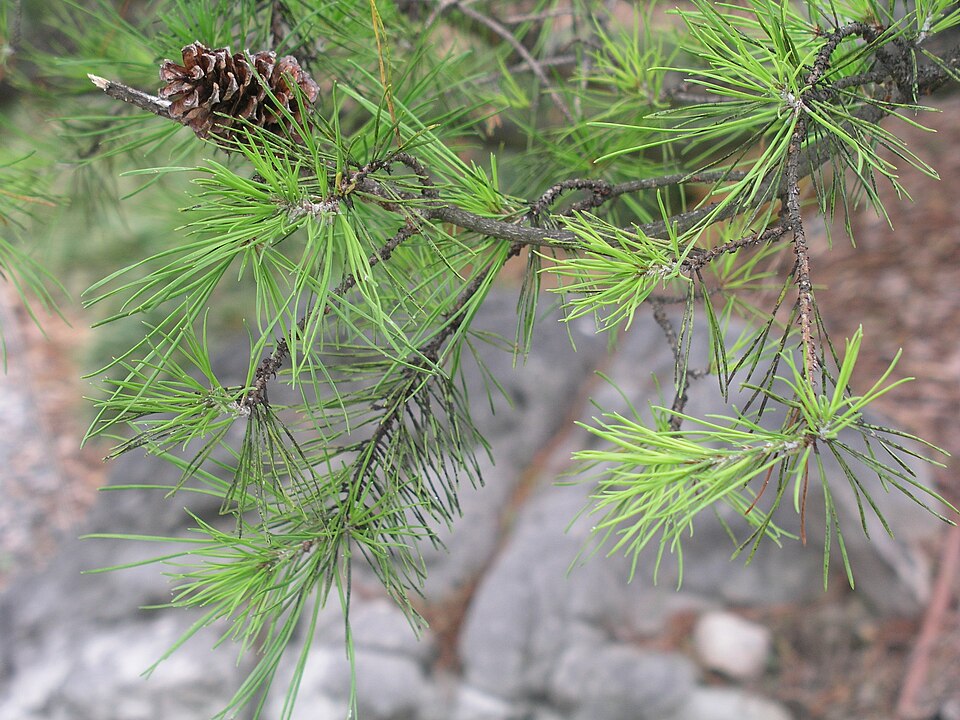
Virginia Pine showing its characteristic irregular, open crown and wiry branching — a hardy native of the Mid-Atlantic uplands. Photo: Wikimedia Commons (Public Domain) Pinus
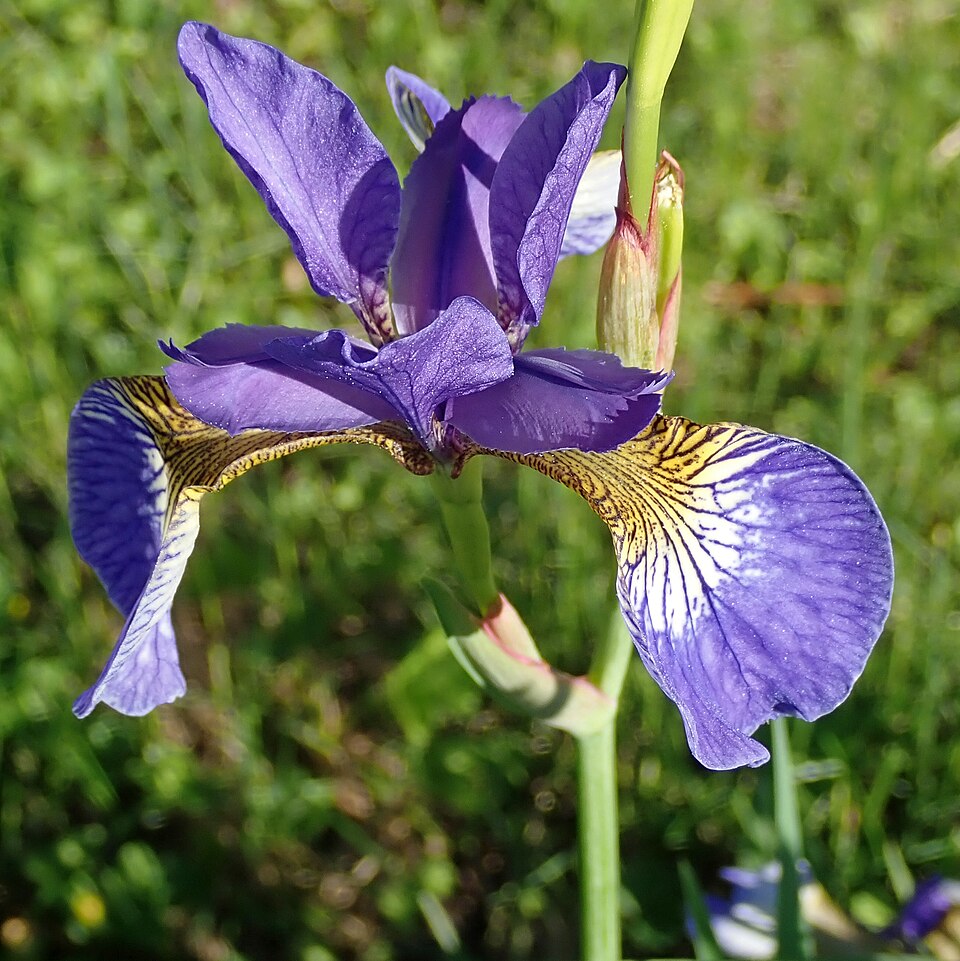
Virginia Blue Flag in full bloom — the intricate violet-blue falls with yellow and white markings are among the most beautiful of all native wildflowers.
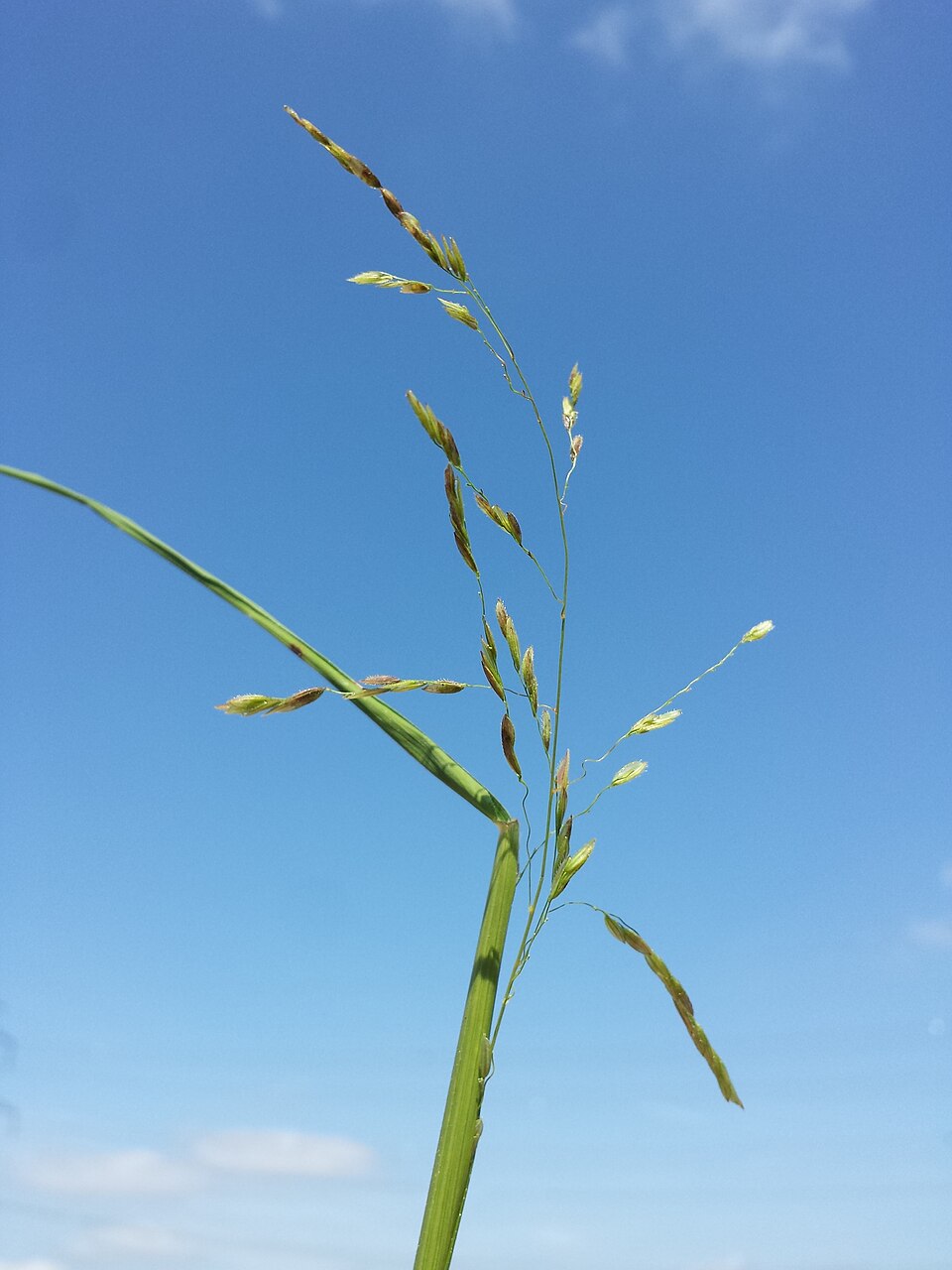
Rice Cut Grass growing in its characteristic wetland habitat, showing the flat, yellow-green blades and open panicle seed heads. Photo: Wikimedia Commons (CC BY-SA 4.0)
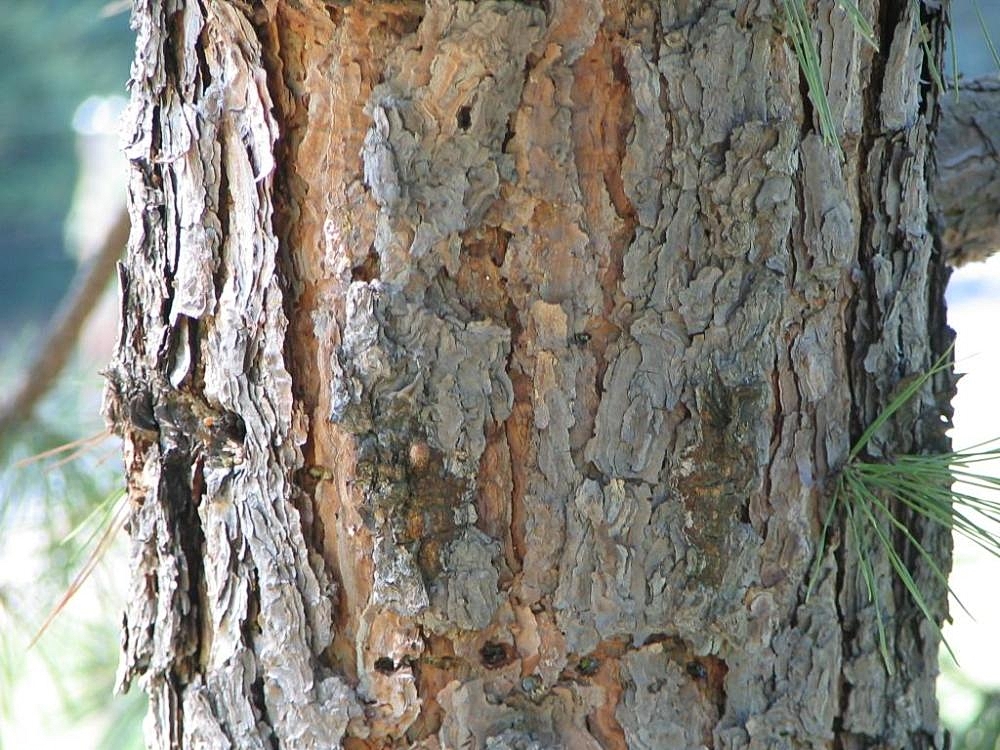
Shortleaf Pine — one of the most widespread and ecologically important native pines of the eastern United States, supporting a diversity of wildlife and forest
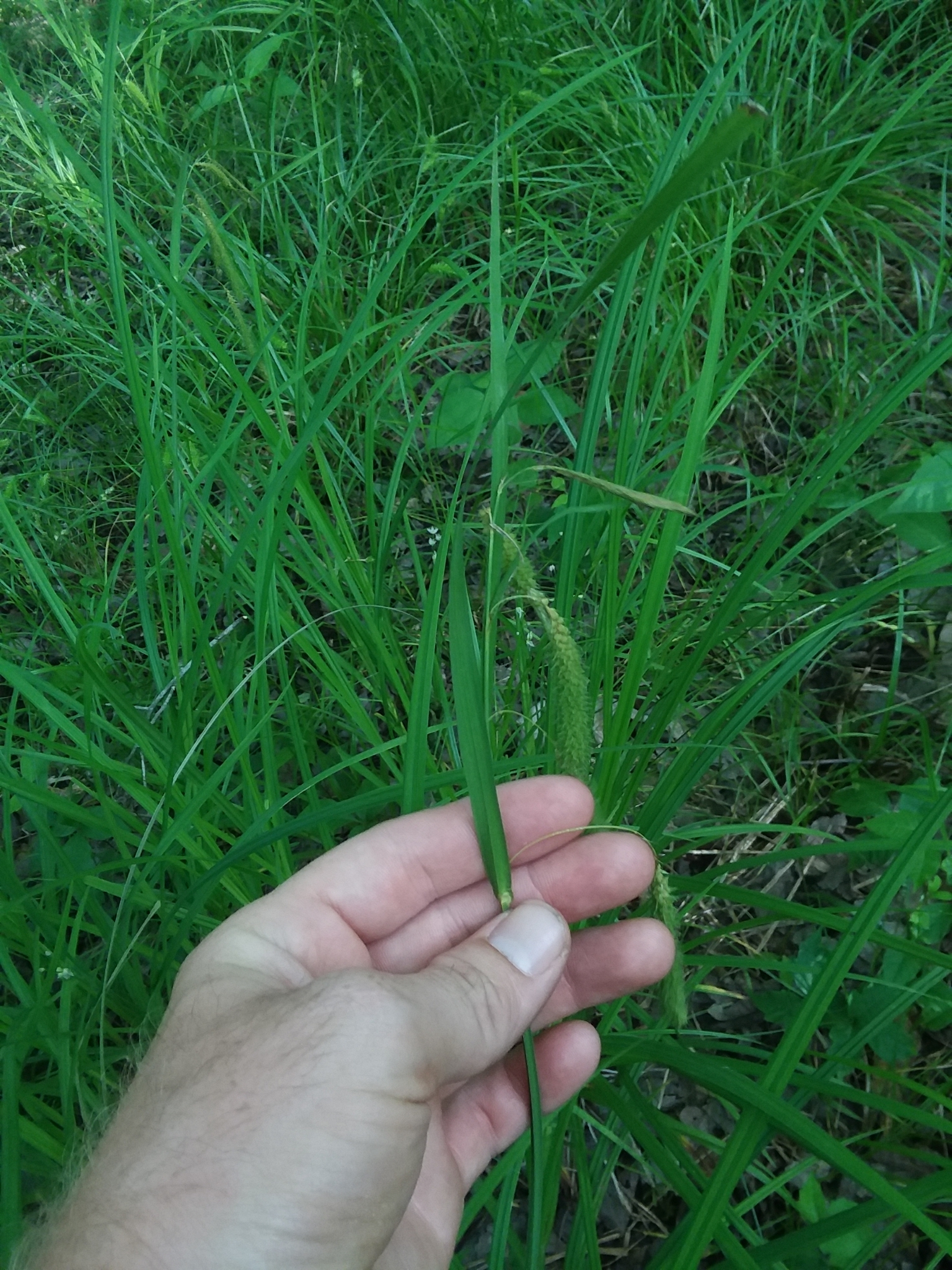
Long Hair Sedge in its preferred wetland habitat, showing the distinctive long, drooping, hair-like seed spikes that give it its common name. Photo: Wikimedia Commons
Eastern Gamagrass forms impressive clumps of arching blue-green foliage reaching 4 to 8 feet tall in moist meadow habitats. Photo: Wikimedia Commons (CC BY-SA 4.0)

Bowman’s Root in full bloom — the delicate white star-shaped flowers are a hallmark of late spring in Appalachian woodlands. Photo: Wikimedia Commons (CC BY-SA

Arrow Alum growing in wetland habitat, showing the distinctive arrow-shaped leaves and characteristic green spathe. Photo: Wikimedia Commons (CC BY-SA 4.0) Peltandra virginica, commonly known
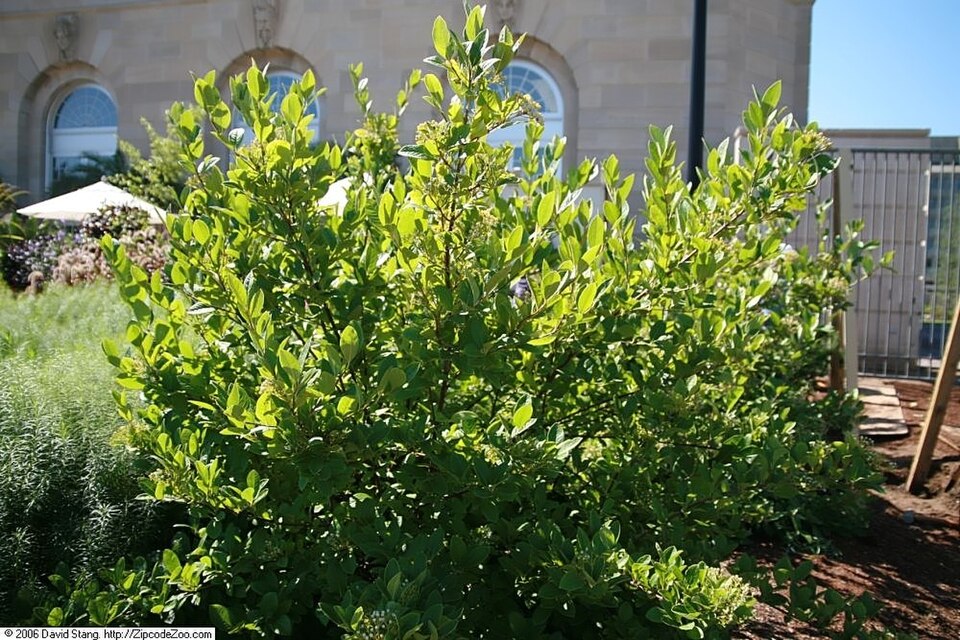
Possumhaw Viburnum's spectacular multi-colored berry clusters — simultaneously pink, rose, blue, and black on a single branch in autumn. Photo: Wikimedia Commons (CC BY-SA 4.0)
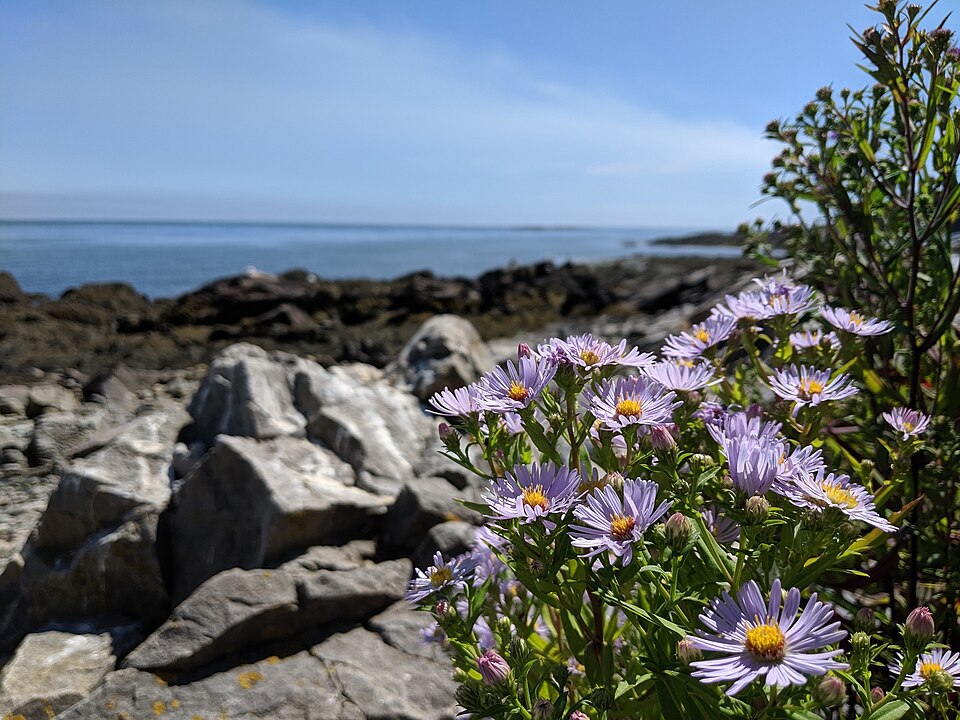
New York Aster in peak autumn bloom, with its characteristic violet-purple ray flowers and golden central discs. Photo: Wikimedia Commons (CC BY 4.0) Symphyotrichum novi-belgii
View More