
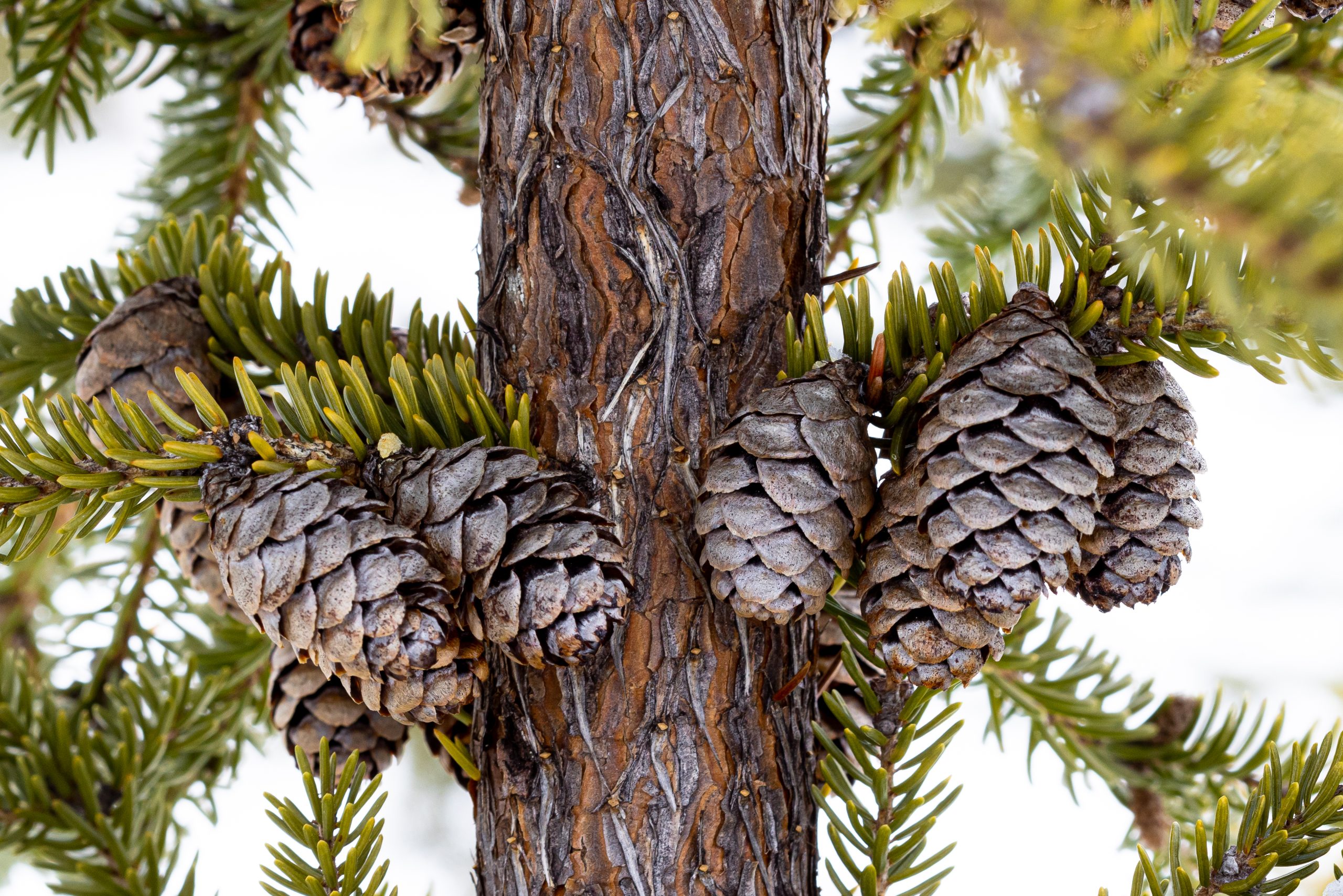
Black Spruce’s tiny, persistent cones remain on the tree for many years, releasing seeds slowly over time. Photo: Wikimedia Commons (Public Domain) Picea mariana, the
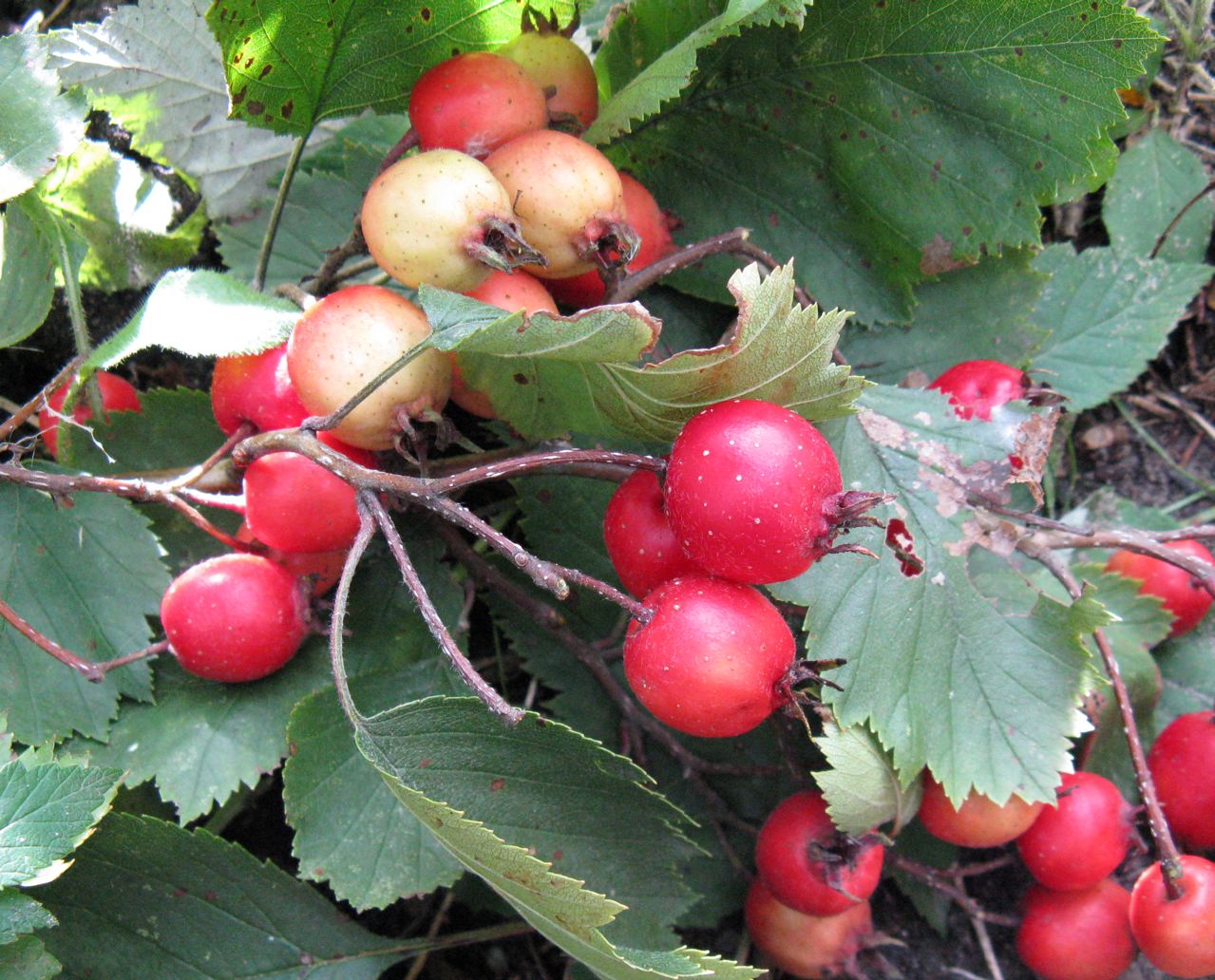
Champlain Hawthorne’s brilliant red pome fruits ripen in early autumn, attracting a wide variety of birds. Photo: Wikimedia Commons (Public Domain) Crataegus submollis, commonly known
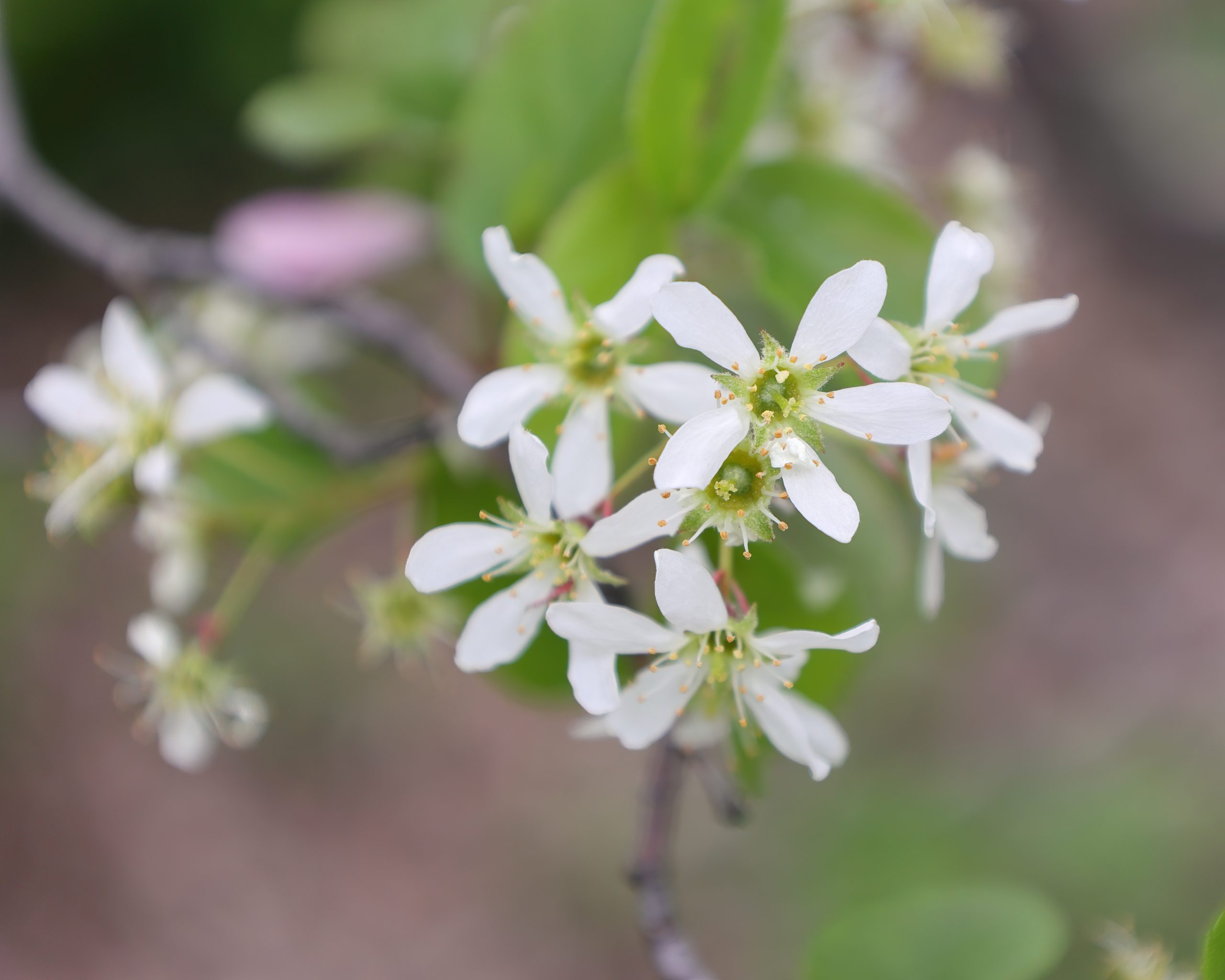
Running Serviceberry in full spring bloom, showing characteristic clusters of white five-petaled flowers. Photo: Wikimedia Commons (CC BY-SA 4.0) Amelanchier stolonifera, commonly known as Running
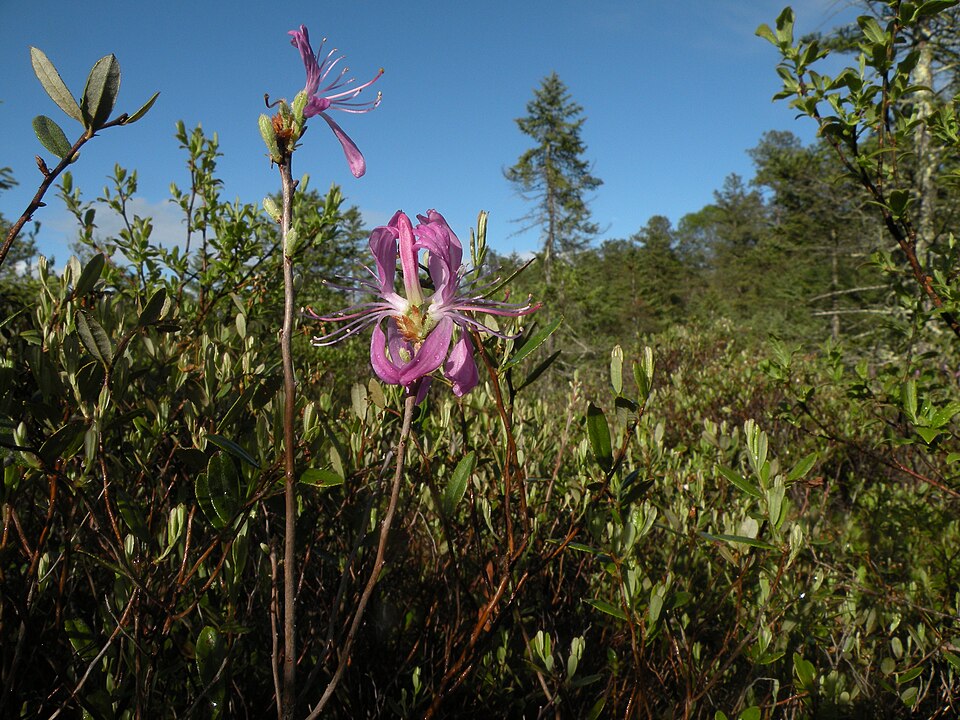
Rhodora in full spring bloom — brilliant magenta flowers appear before the leaves in April and May, transforming bogs and wet heaths. Photo: Wikimedia Commons
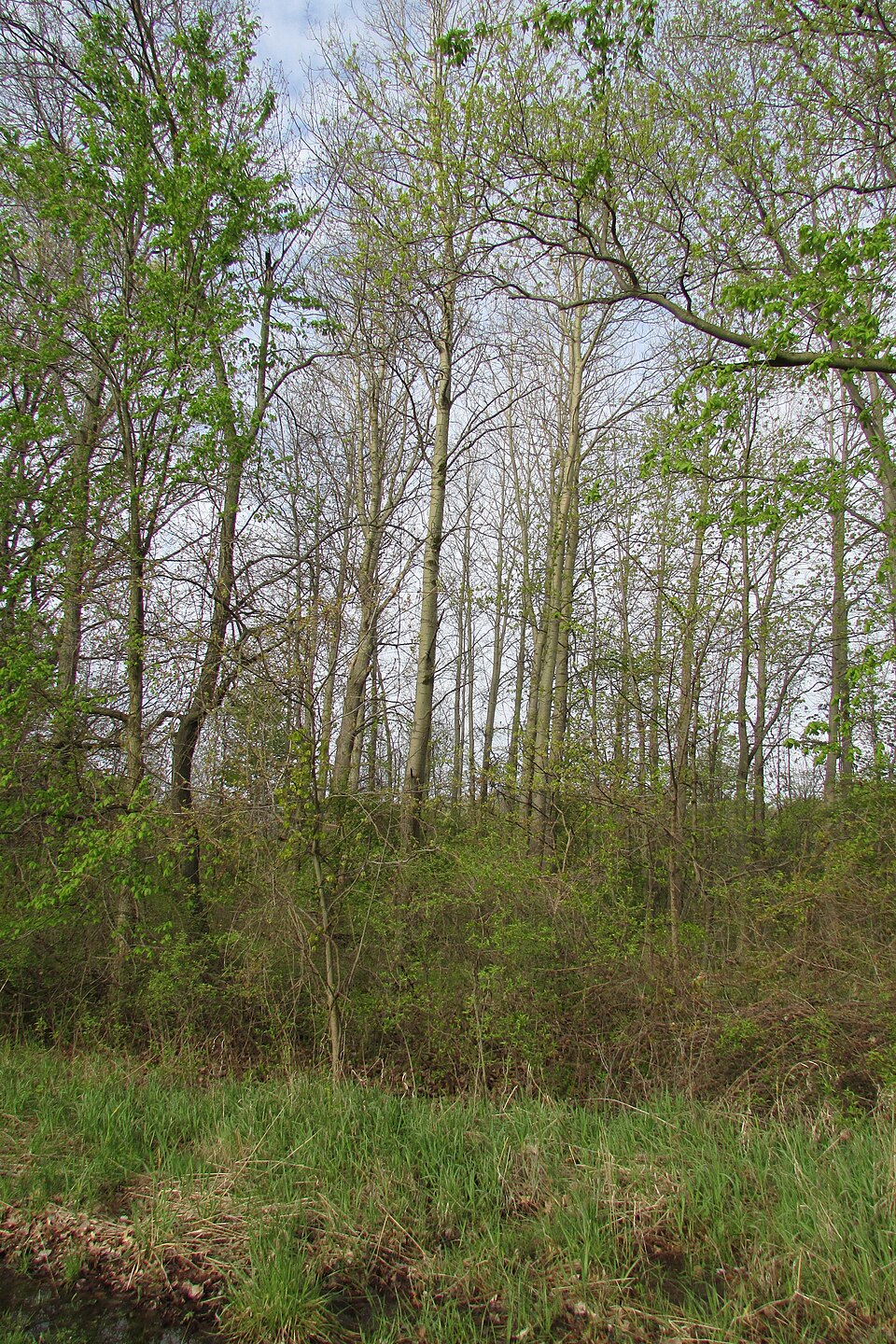
Large-tooth Aspen in brilliant fall gold — one of the most vibrant fall color trees of northeastern North America. Photo: Wikimedia Commons (CC BY-SA 4.0)
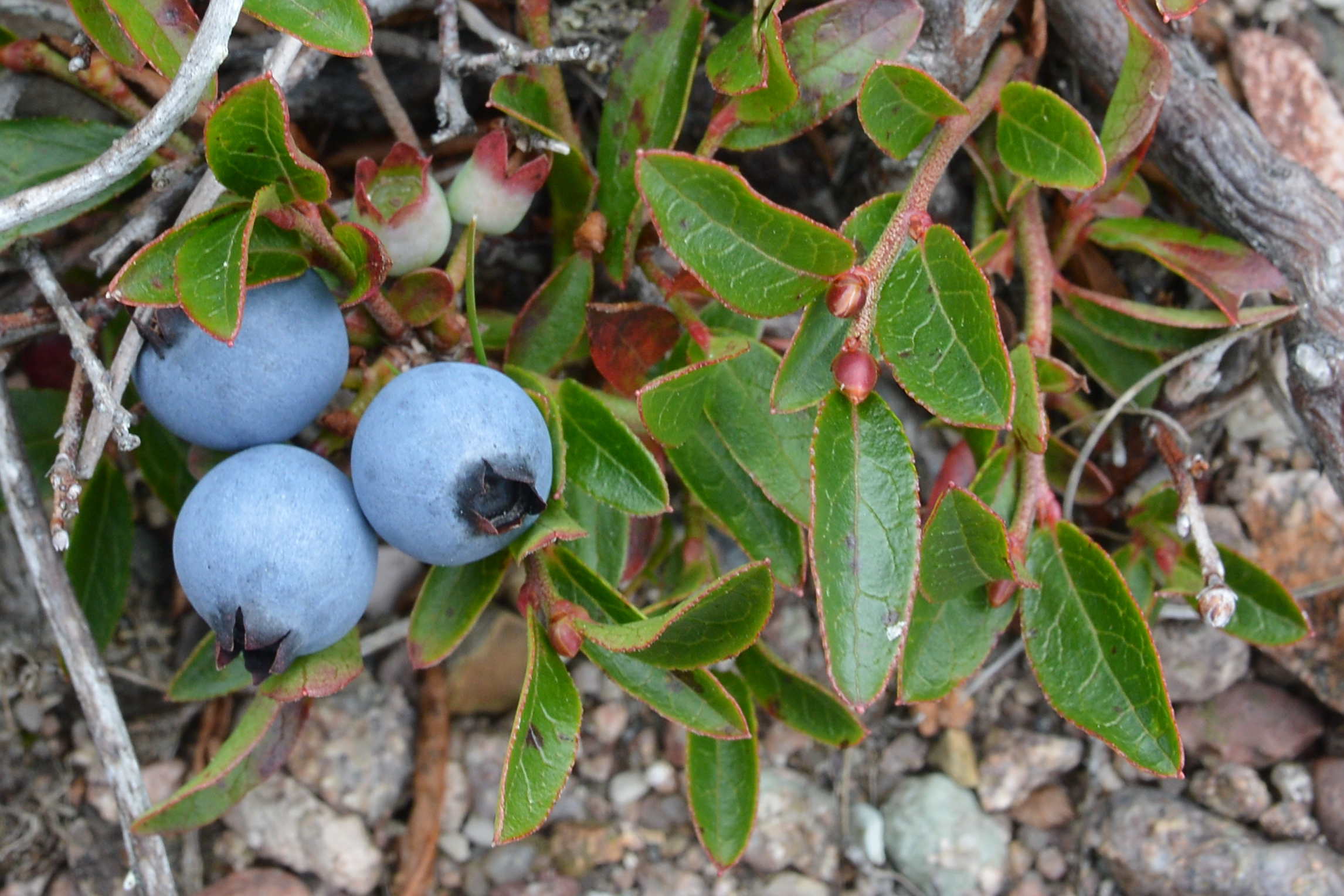
Lowbush Blueberry showing ripe fruit in late summer. Photo: Wikimedia Commons (CC BY-SA 4.0) Vaccinium angustifolium, the Lowbush Blueberry, is one of North America’s most
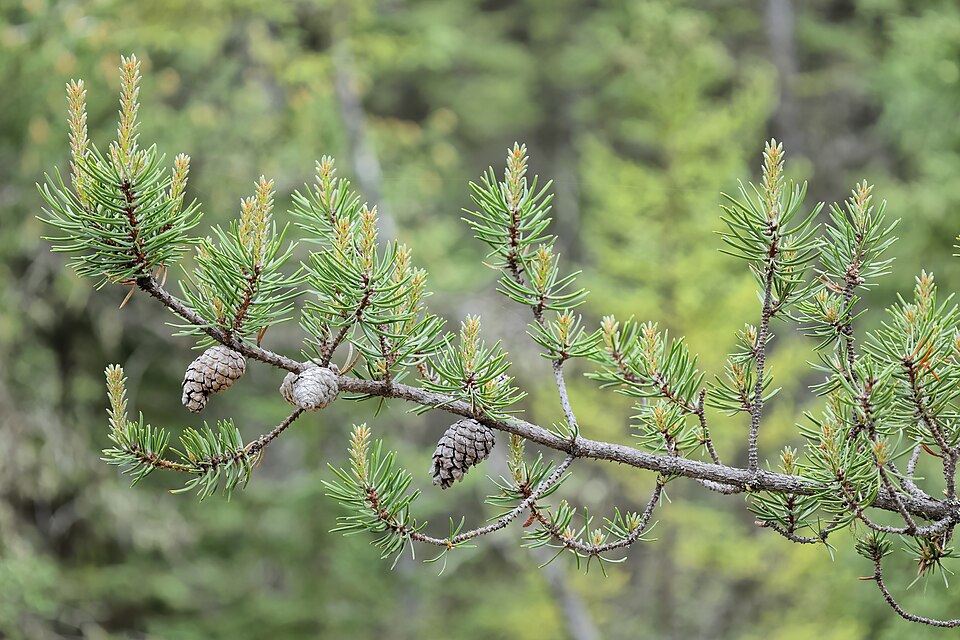
Jack Pine’s characteristic gnarled, wind-sculpted form in its natural sandy barrens habitat. Photo: Wikimedia Commons (CC BY-SA 4.0) Pinus banksiana, commonly known as Jack Pine,
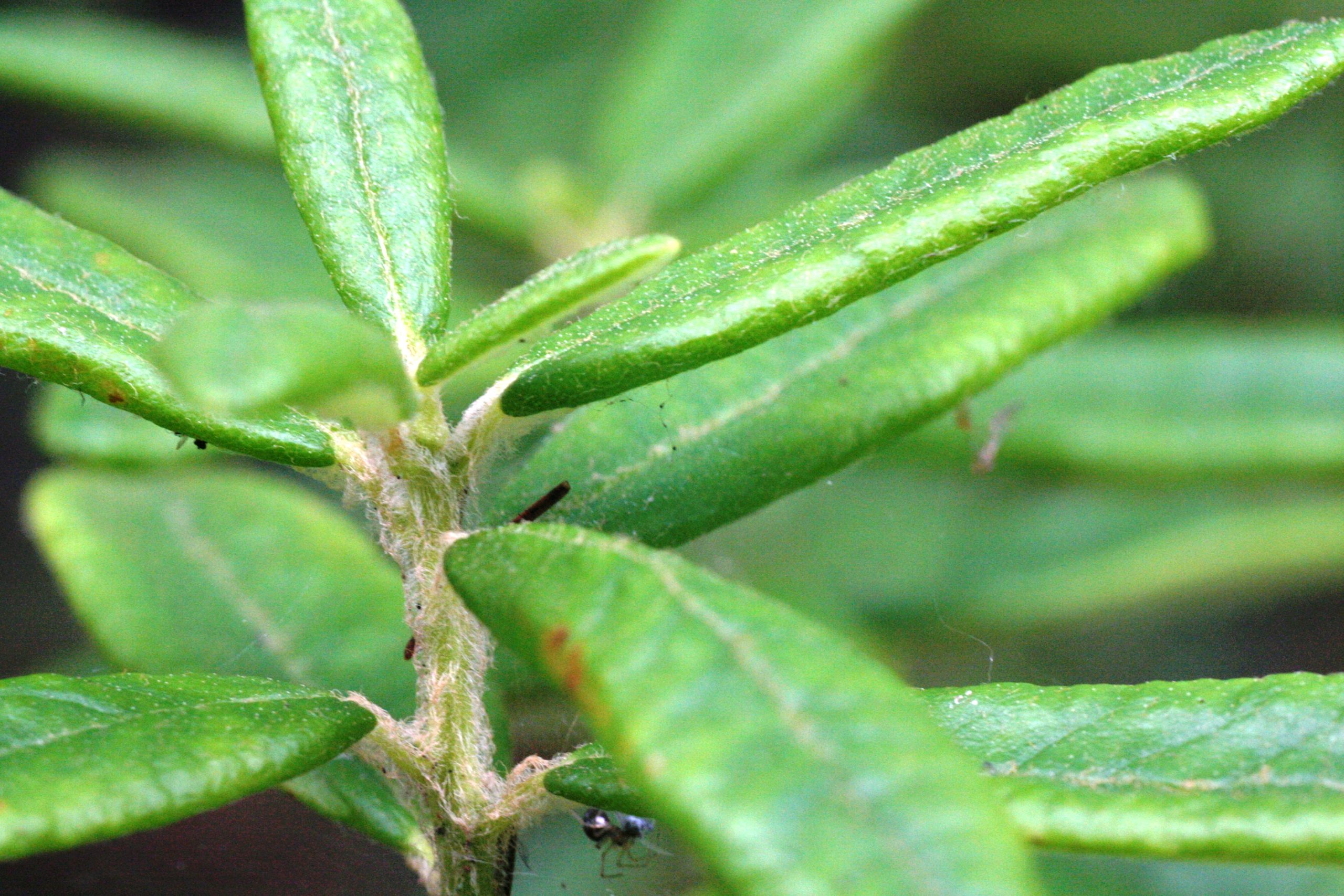
Labrador Tea in bloom, showing the characteristic clusters of small white flowers and leathery aromatic leaves. Photo: Wikimedia Commons (CC BY-SA 3.0) Ledum groenlandicum (also
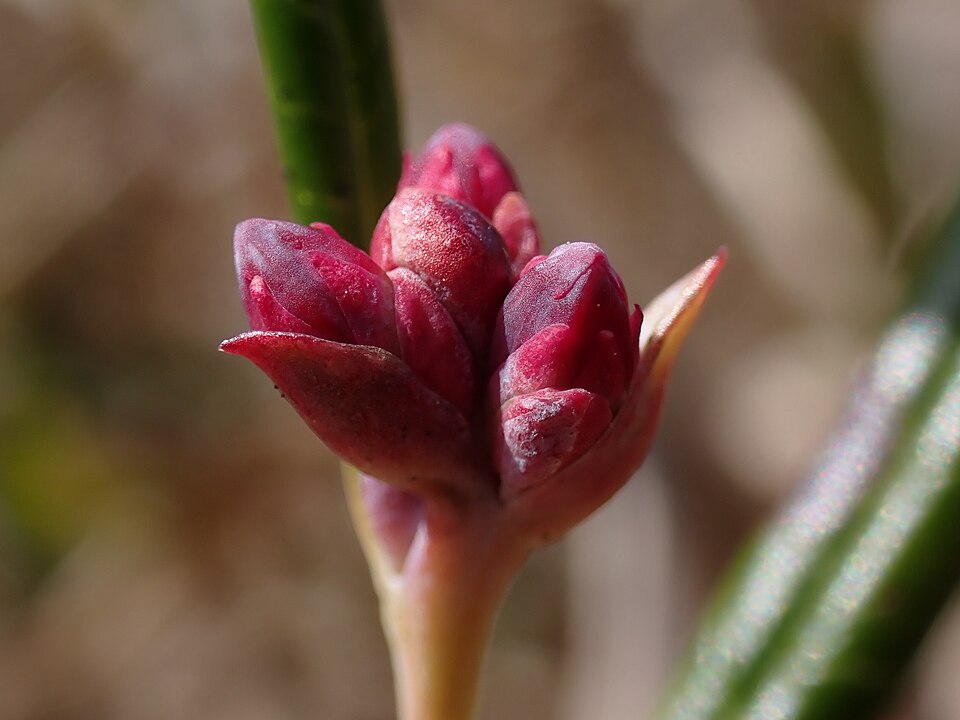
Bog Rosemary’s delicate pink urn-shaped flowers — among the most charming of all bog wildflowers. Photo: Wikimedia Commons (CC BY-SA 4.0) Andromeda polifolia, commonly known
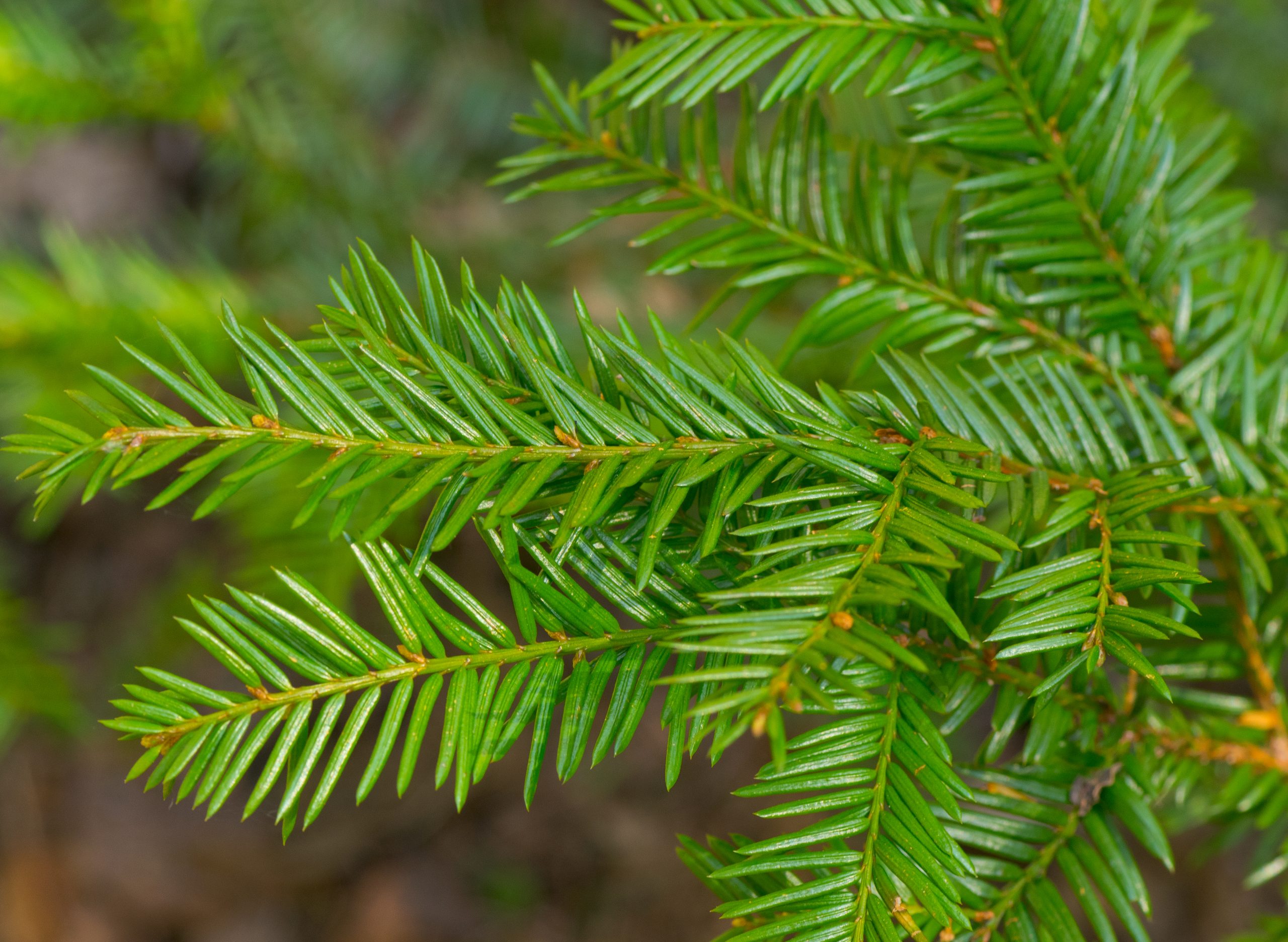
Canadian Yew spreading in the shaded understory of Chequamegon-Nicolet National Forest, Wisconsin. Photo: Wikimedia Commons (CC BY-SA 2.0) Taxus canadensis, commonly known as Canadian Yew
View More