
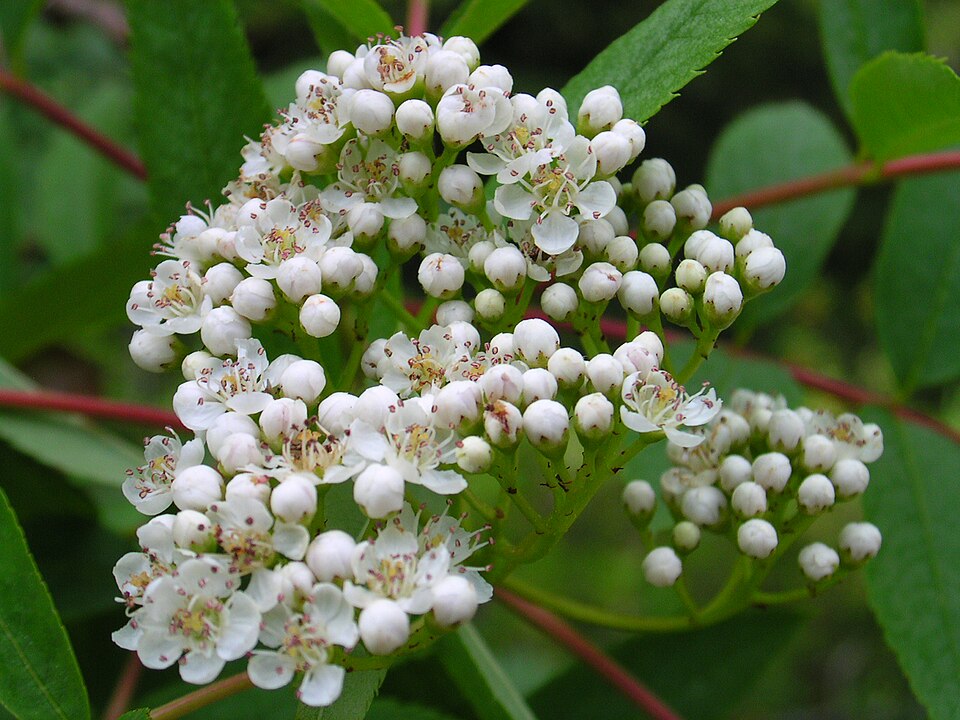
American Mountainash laden with brilliant orange-red fruit clusters in late summer. Photo: Wikimedia Commons (CC BY 2.0) Sorbus americana, commonly known as American Mountainash or
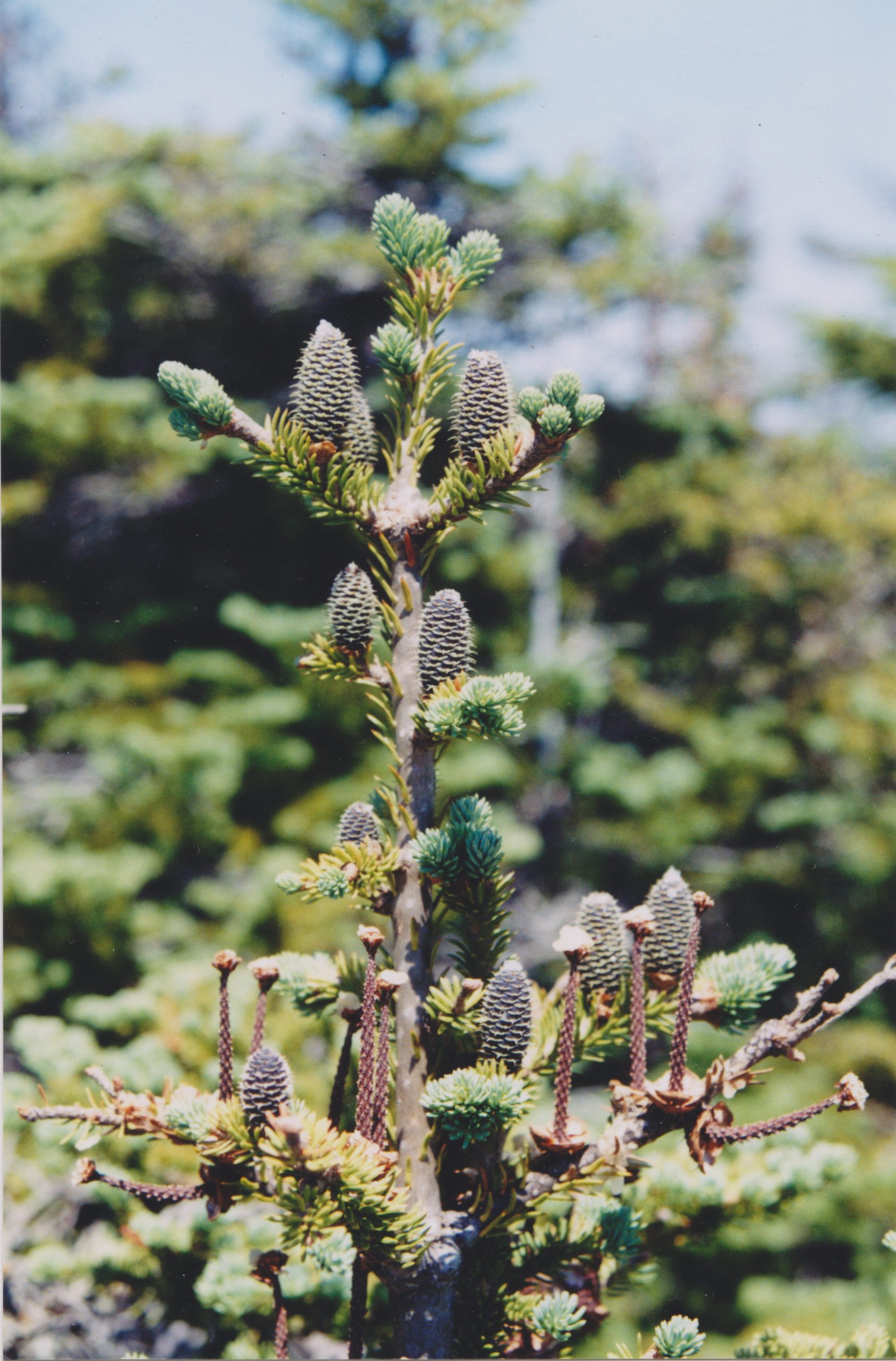
Balsam Fir herbarium specimen showing characteristic needle arrangement and cone features. Photo: Wikimedia Commons (CC BY 4.0) Abies balsamea, commonly known as Balsam Fir, is
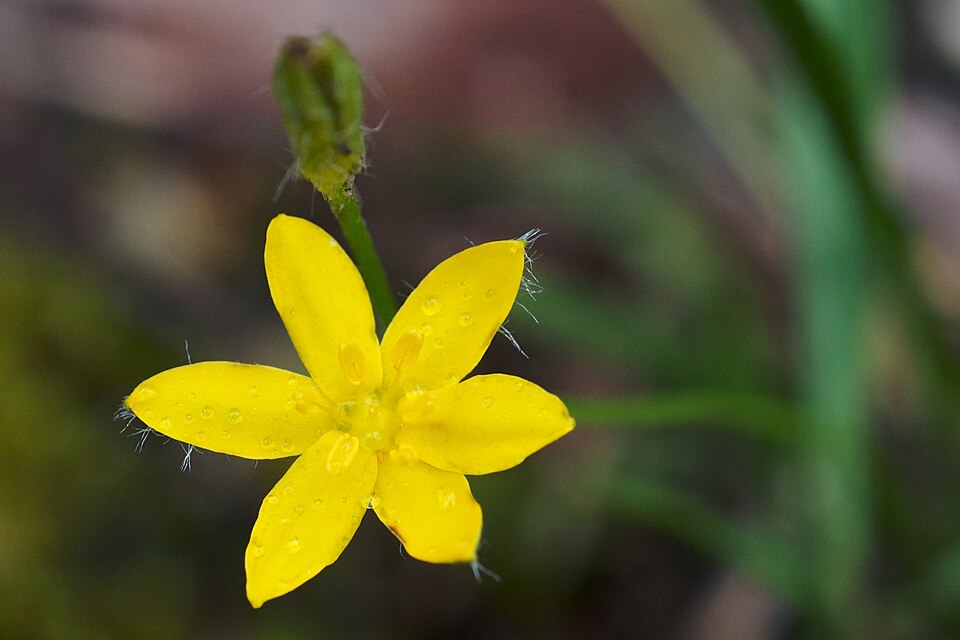
Photo: Wikimedia Commons Hypoxis hirsuta, commonly known as Yellow Stargrass or Common Goldstar, is one of North America’s most charming and overlooked native wildflowers. Standing
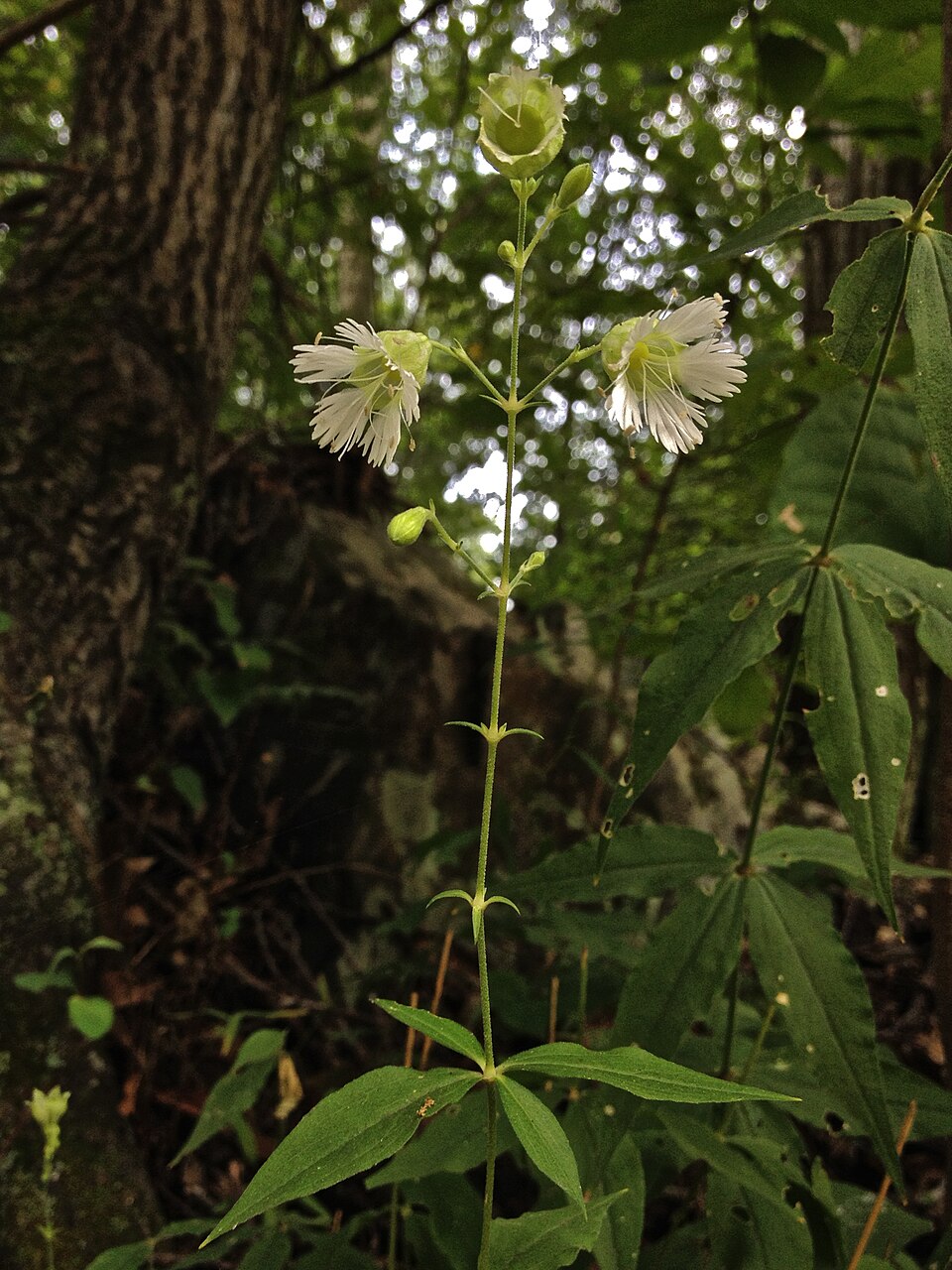
Photo: Wikimedia Commons Silene stellata, commonly known as Starry Campion or Widowsfrill, is a tall, elegant wildflower of eastern woodlands and forest edges that earns
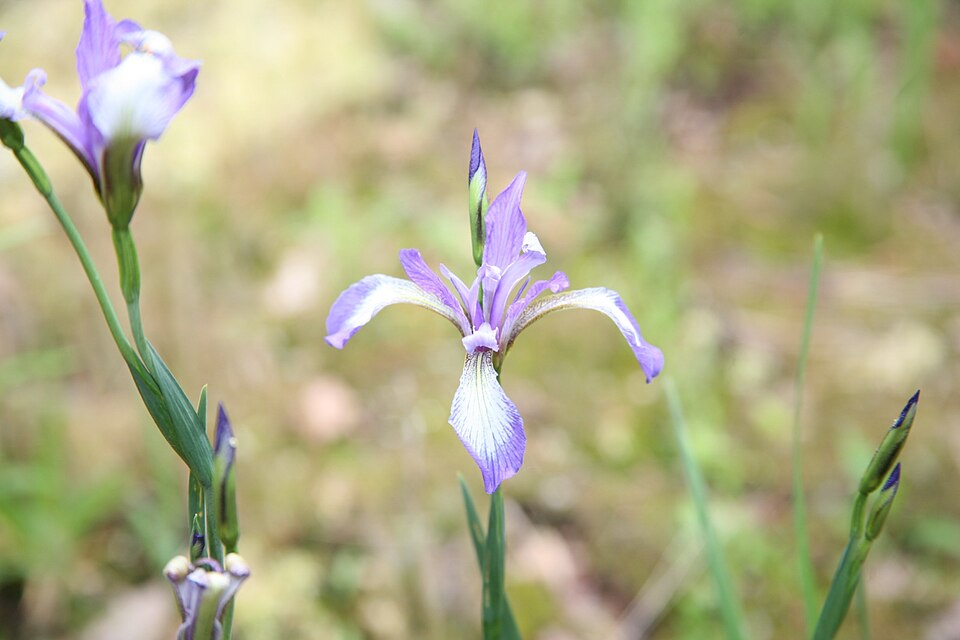
Photo: Wikimedia Commons Iris prismatica, known as Slender Blue Flag Iris or Slender Blue Iris, is the elegant, graceful counterpart to its more robust relative,
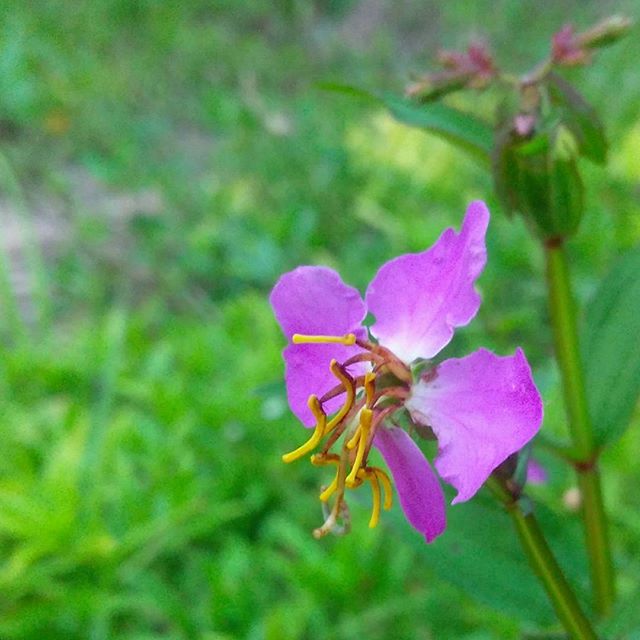
Meadow Beauty’s vivid pink flowers with their distinctive curved yellow anthers are a brilliant sight in wet sunny meadows. Photo: Wikimedia Commons (CC BY-SA 4.0)

Larger Blue Flag Iris in full bloom at the water’s edge — one of the most spectacular native wetland wildflowers. Photo: Wikimedia Commons (CC BY-SA
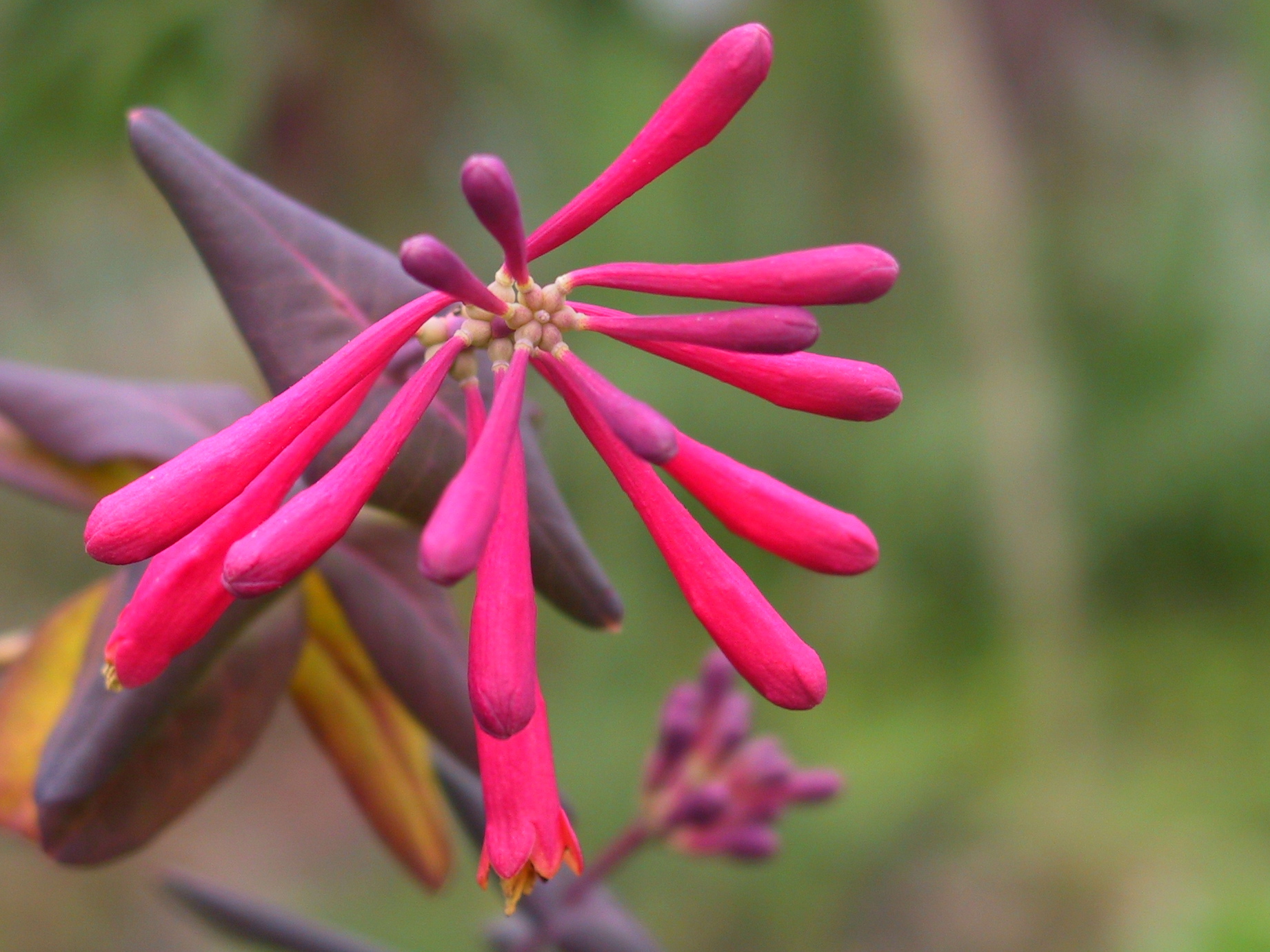
Coral Honeysuckle’s brilliant trumpet flowers attract hummingbirds from spring through fall. Photo: Wikimedia Commons (CC BY 2.0) Lonicera sempervirens, widely known as Coral Honeysuckle or

Birdsfoot Violet in bloom — its distinctive lavender petals and deeply divided leaves. Photo: Wikimedia Commons (CC BY 2.0) Viola pedata, commonly known as Birdsfoot
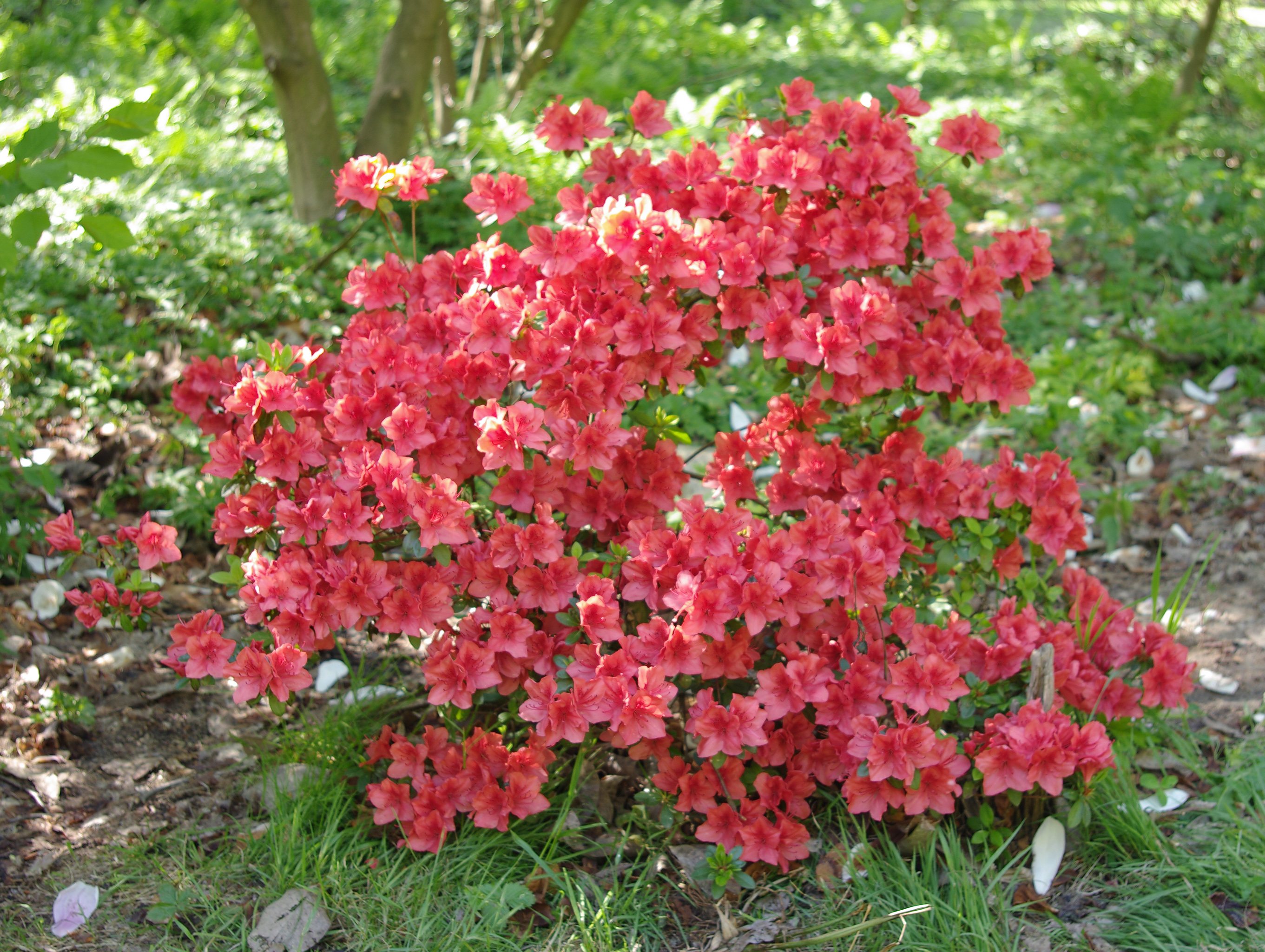
Swamp Azalea in full summer bloom — the fragrant white flowers are a highlight of moist woodland gardens from June through August. Photo: Wikimedia Commons
View More