
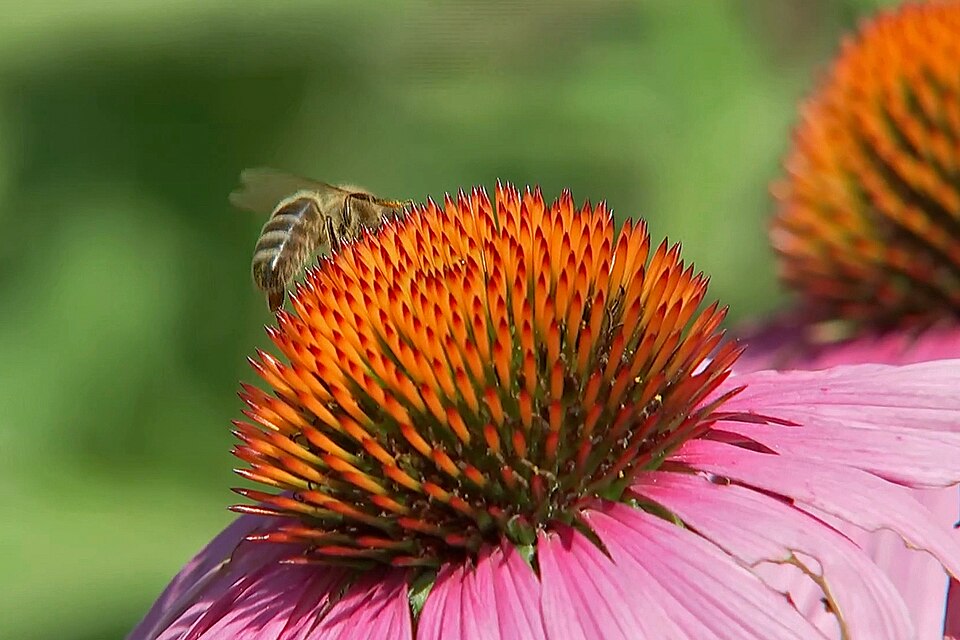
Purple Coneflower — one of the most recognizable and ecologically important native wildflowers of eastern North America. Photo: Wikimedia Commons (CC BY-SA 4.0) Echinacea purpurea,
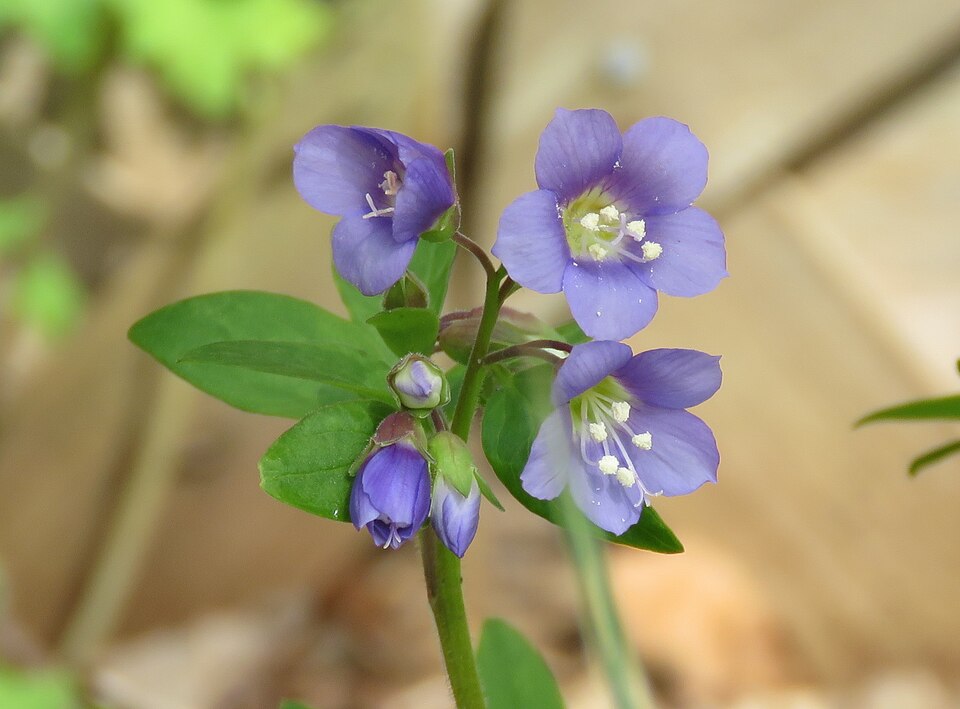
Jacob’s Ladder in full spring bloom — delicate blue bell-shaped flowers above pinnate, ladder-like leaves. Photo: Wikimedia Commons (CC BY-SA 4.0) Polemonium reptans, commonly known
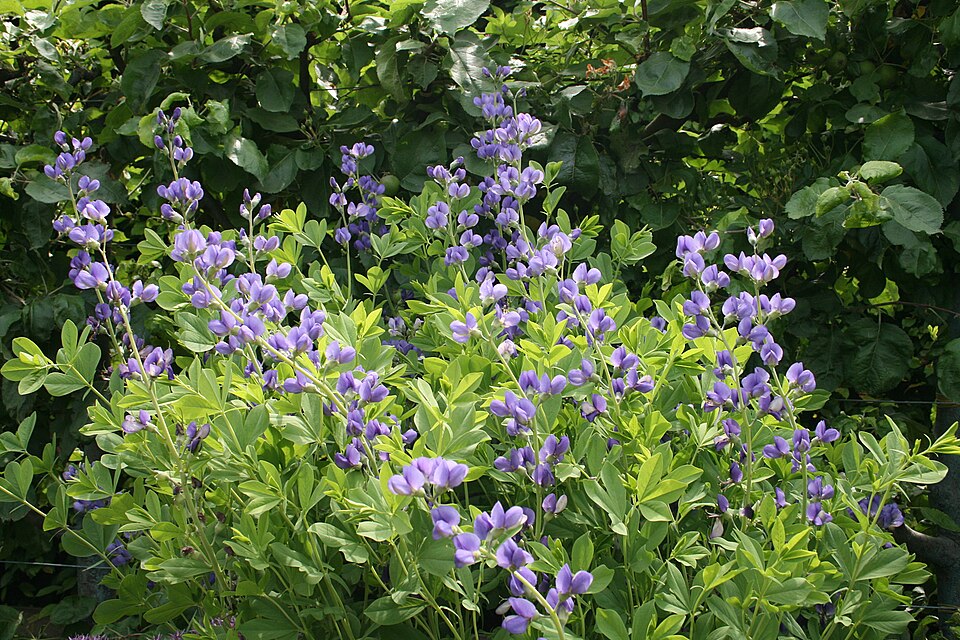
False Indigo in full bloom — the striking blue-violet flower spikes emerge in May–June. Photo: Wikimedia Commons (CC BY-SA 3.0) Baptisia australis, commonly known as
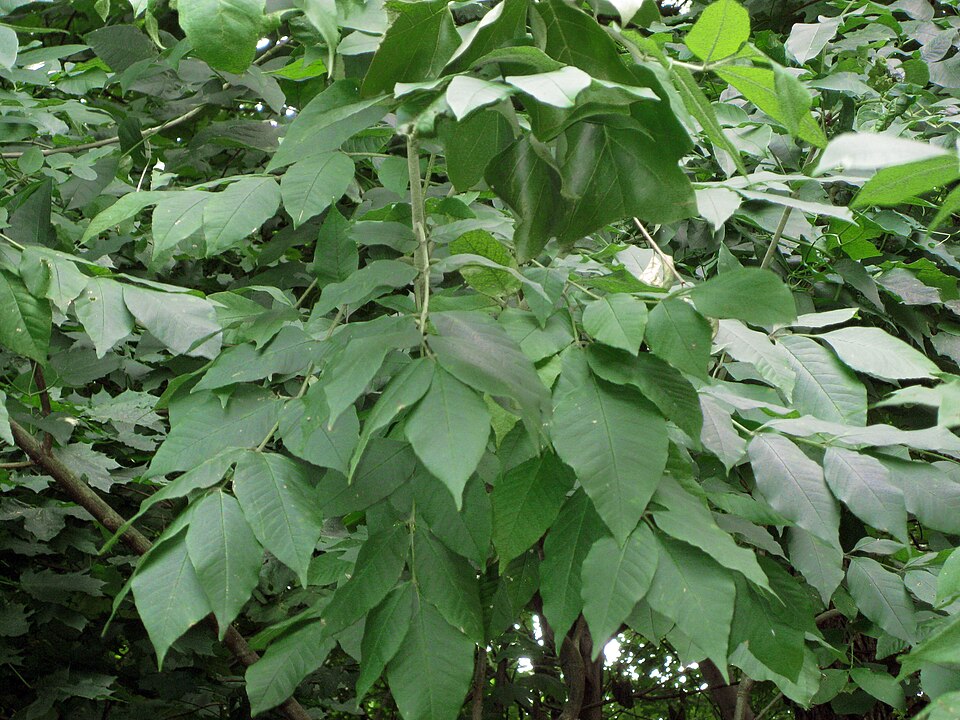
White Ash compound foliage, New York. The large, pinnate leaves are among the most distinctive of any eastern forest tree. Photo: Wikimedia Commons (CC BY
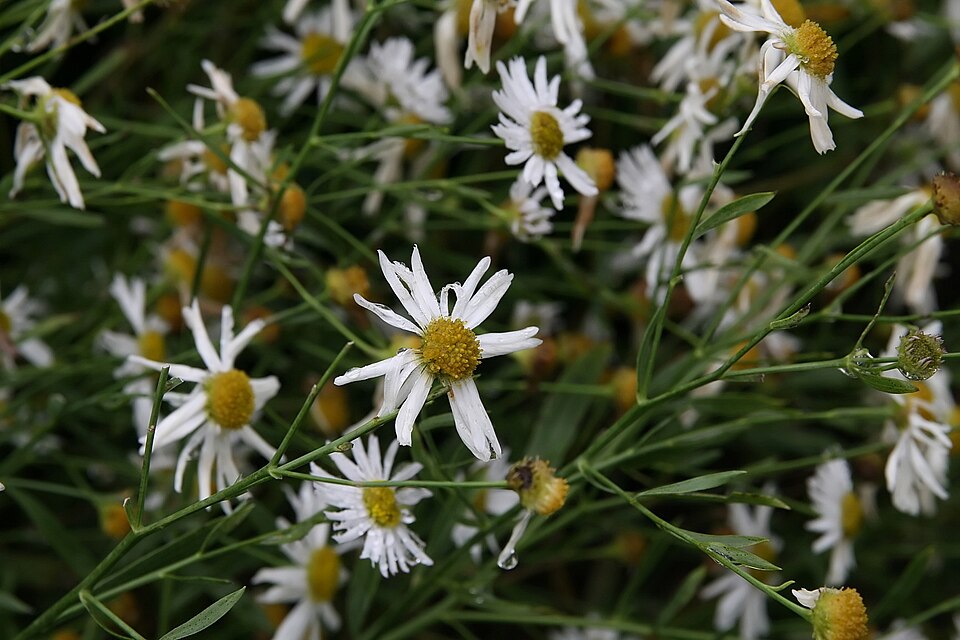
Boltonia in full bloom — masses of small white to pale pink aster-like flowers late in the season. Photo: Wikimedia Commons (CC BY-SA 4.0) Boltonia
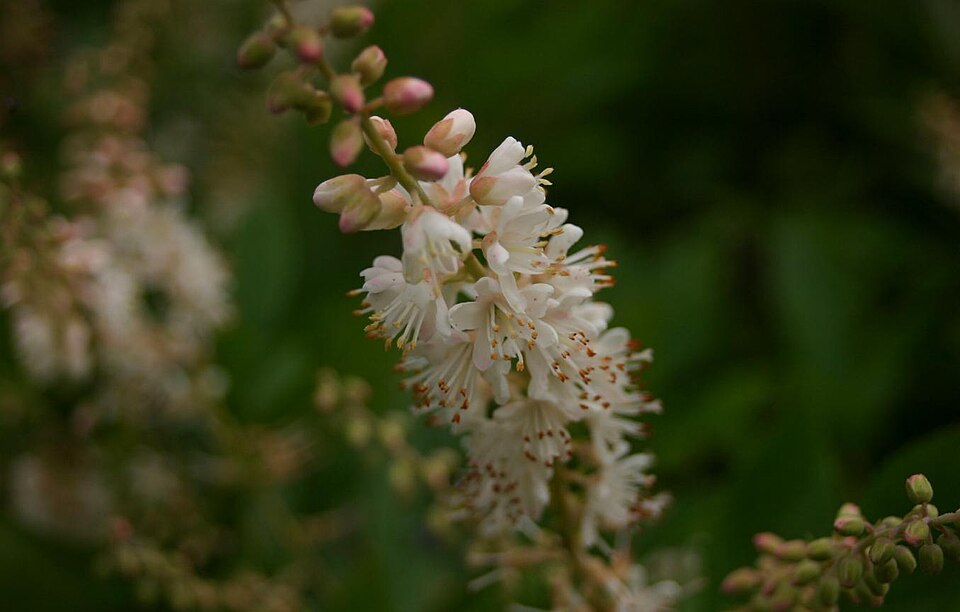
Summersweet in full bloom, showing its iconic fragrant white flower spikes. Photo: Wikimedia Commons (CC BY-SA 3.0) Clethra alnifolia, commonly called Summersweet, Sweet Pepperbush, or
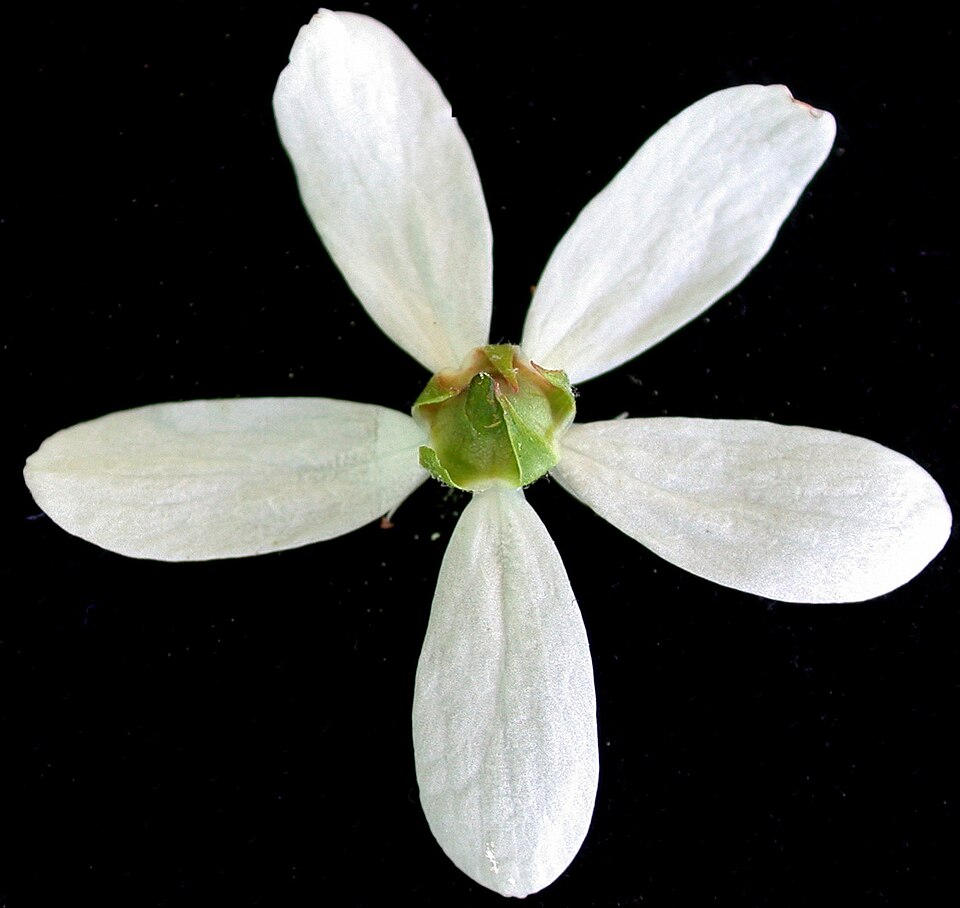
Alleghany Serviceberry in full spring bloom, with characteristic bronze-tinged emerging leaves. Photo: Wikimedia Commons (CC BY-SA 4.0) Amelanchier laevis, commonly called Alleghany Serviceberry or Smooth
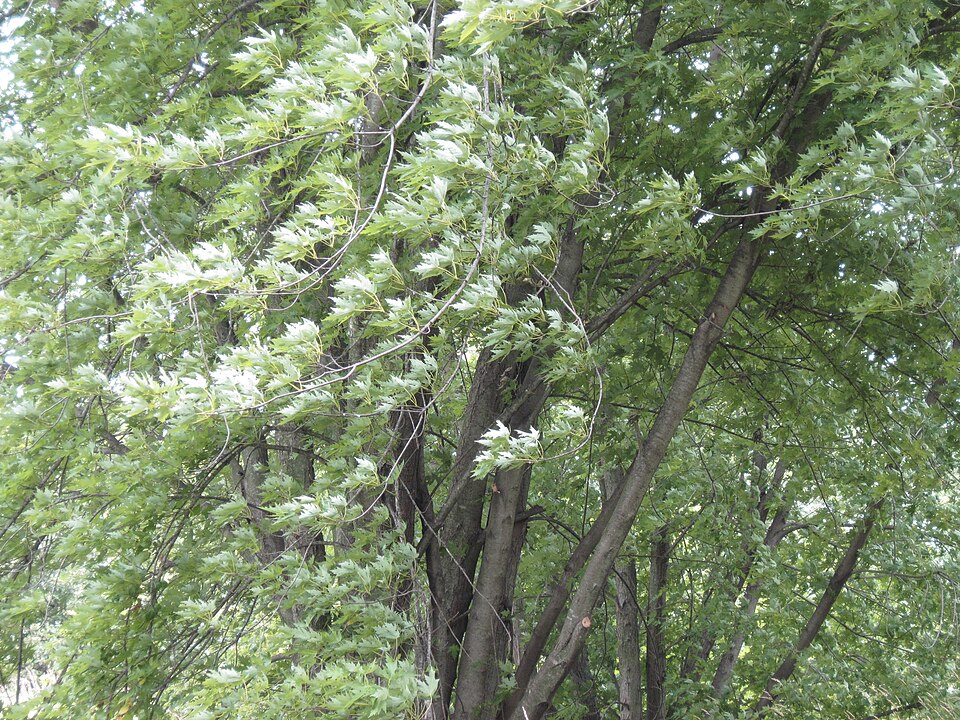
Silver Maple at a Grimes Farm showing its broad, arching canopy — one of the largest native maples. Photo: Wikimedia Commons (CC BY 2.0) Acer
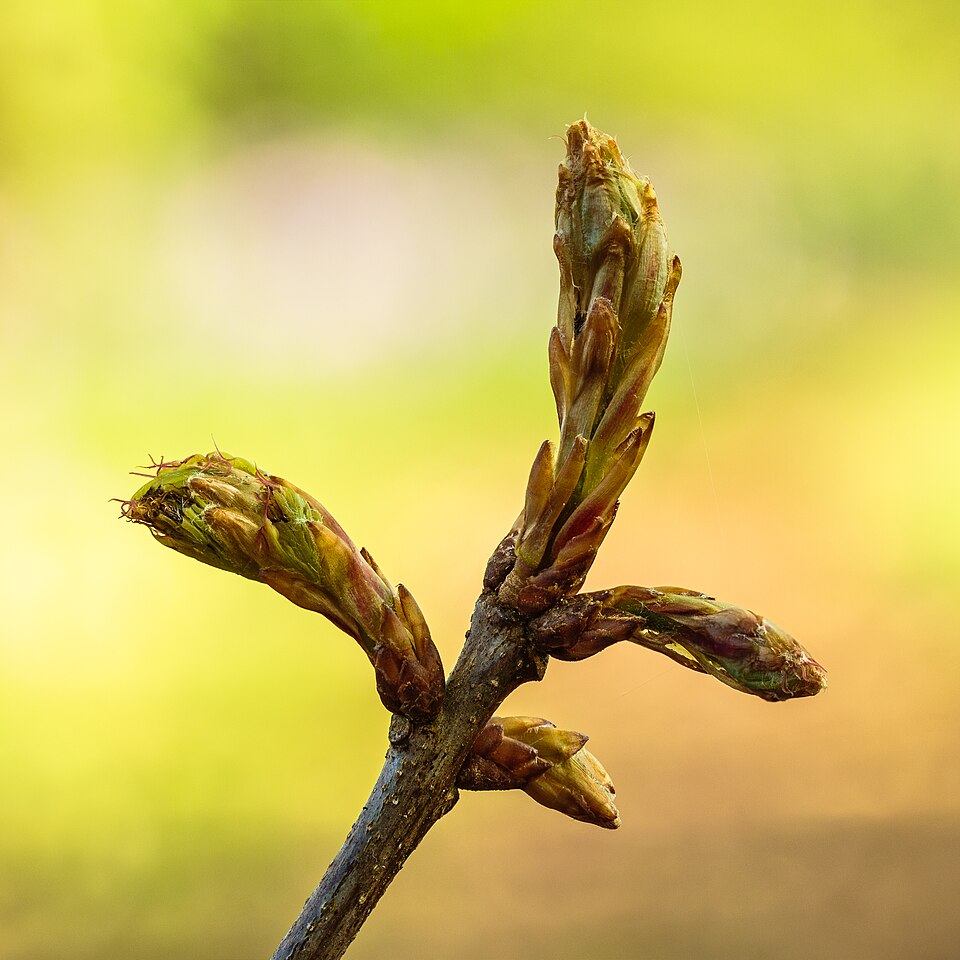
Pin Oak in its characteristic form with drooping lower branches, spring foliage emerging. Photo: Wikimedia Commons (CC BY-SA 4.0) Quercus palustris, the Pin Oak, is
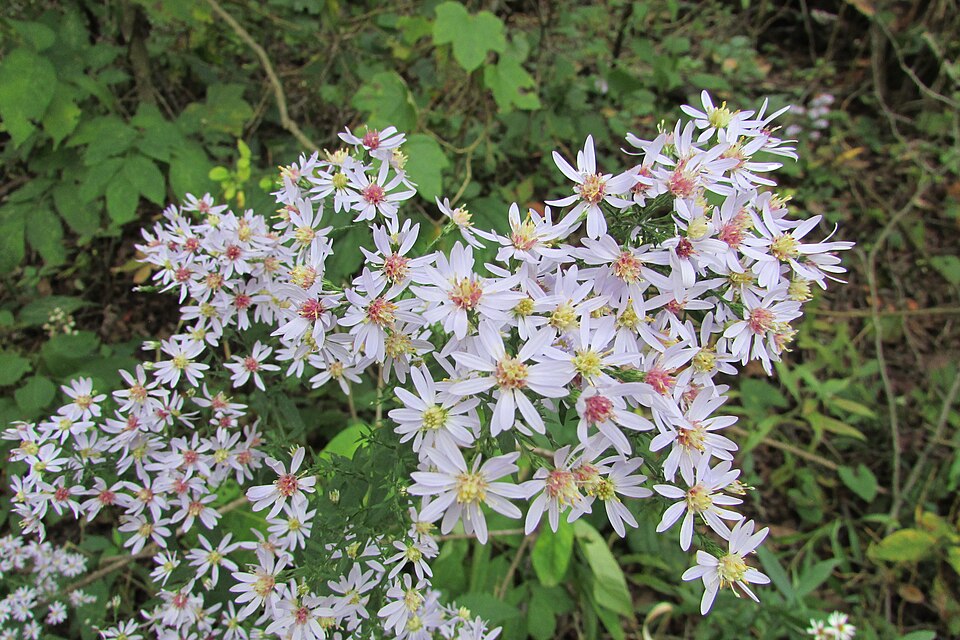
Heart-leaved Aster in full autumn bloom in a woodland edge habitat. Photo: Wikimedia Commons (CC BY-SA 4.0) Symphyotrichum cordifolium (formerly Aster cordifolius), commonly called Heart-leaved
View More