

Northern Bayberry laden with clusters of waxy, gray-white berries — a critical food source for birds in fall and winter. Photo: Wikimedia Commons (CC BY-SA

Red Chokeberry’s brilliant scarlet berries load the branches in fall — a feast for birds and a spectacular autumn display. Photo: Wikimedia Commons (CC BY-SA
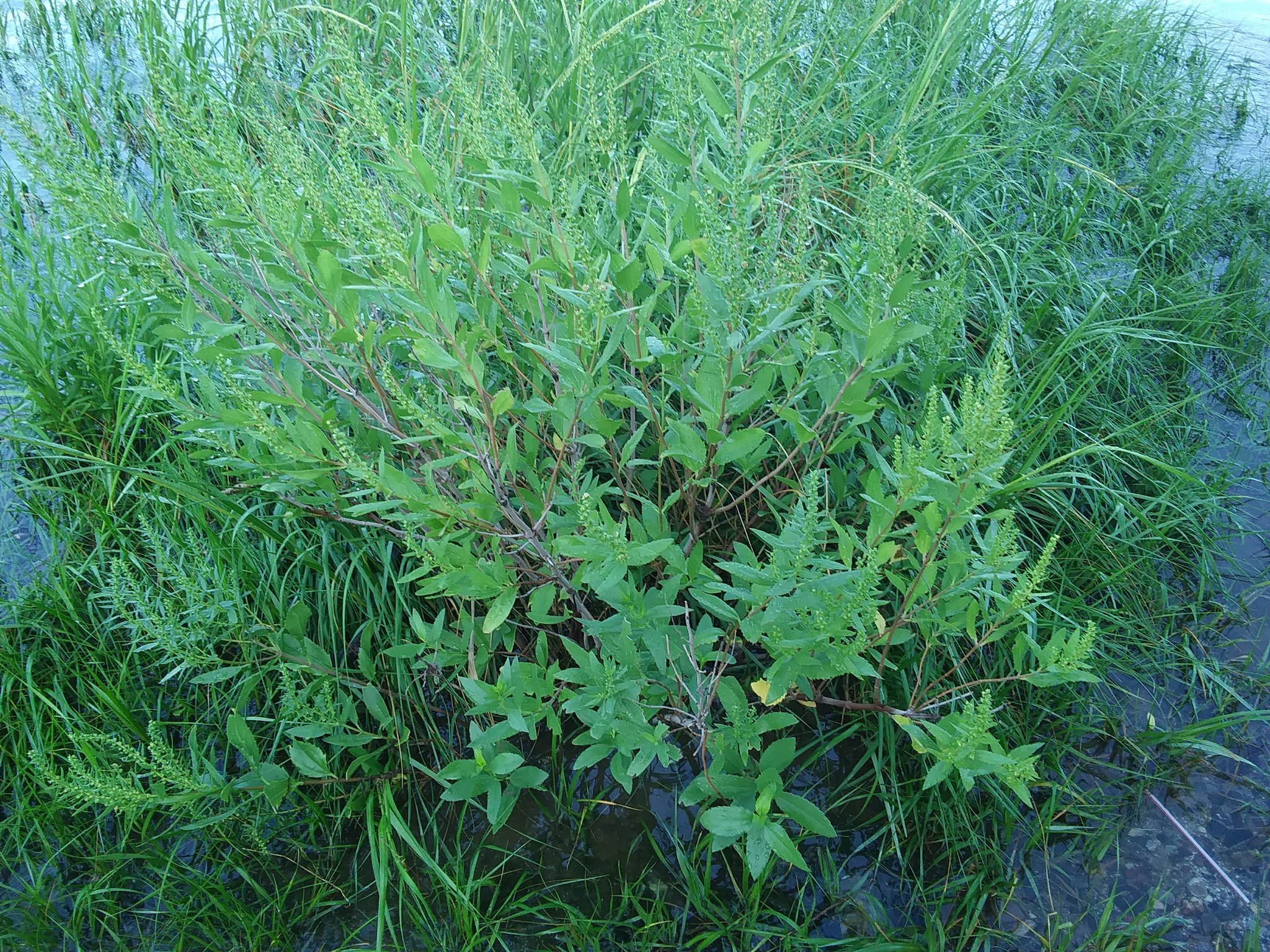
Marsh Elder — a tough native shrub of salt marshes and coastal wetland edges. Photo: Wikimedia Commons (CC BY 4.0) Iva frutescens, commonly known as

Gray Birch — a pioneer species with distinctive chalky-white bark. Photo: Wikimedia Commons (CC BY-SA 4.0) Betula populifolia, the Gray Birch, is a small, fast-growing
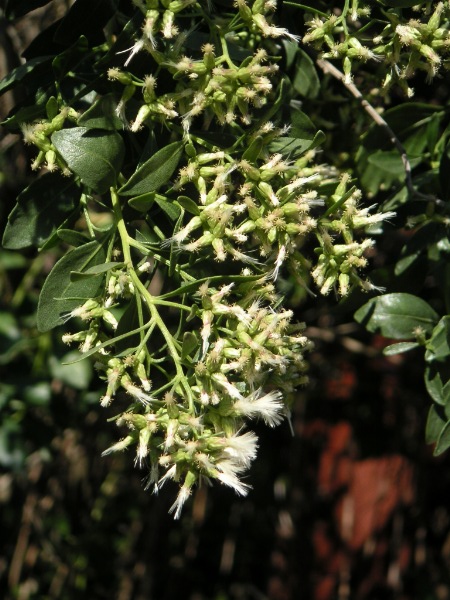
Groundsel Tree in full fall fruiting display — the mass of white, silky seed heads creates a dramatic ornamental effect. Photo: Wikimedia Commons (CC BY-SA
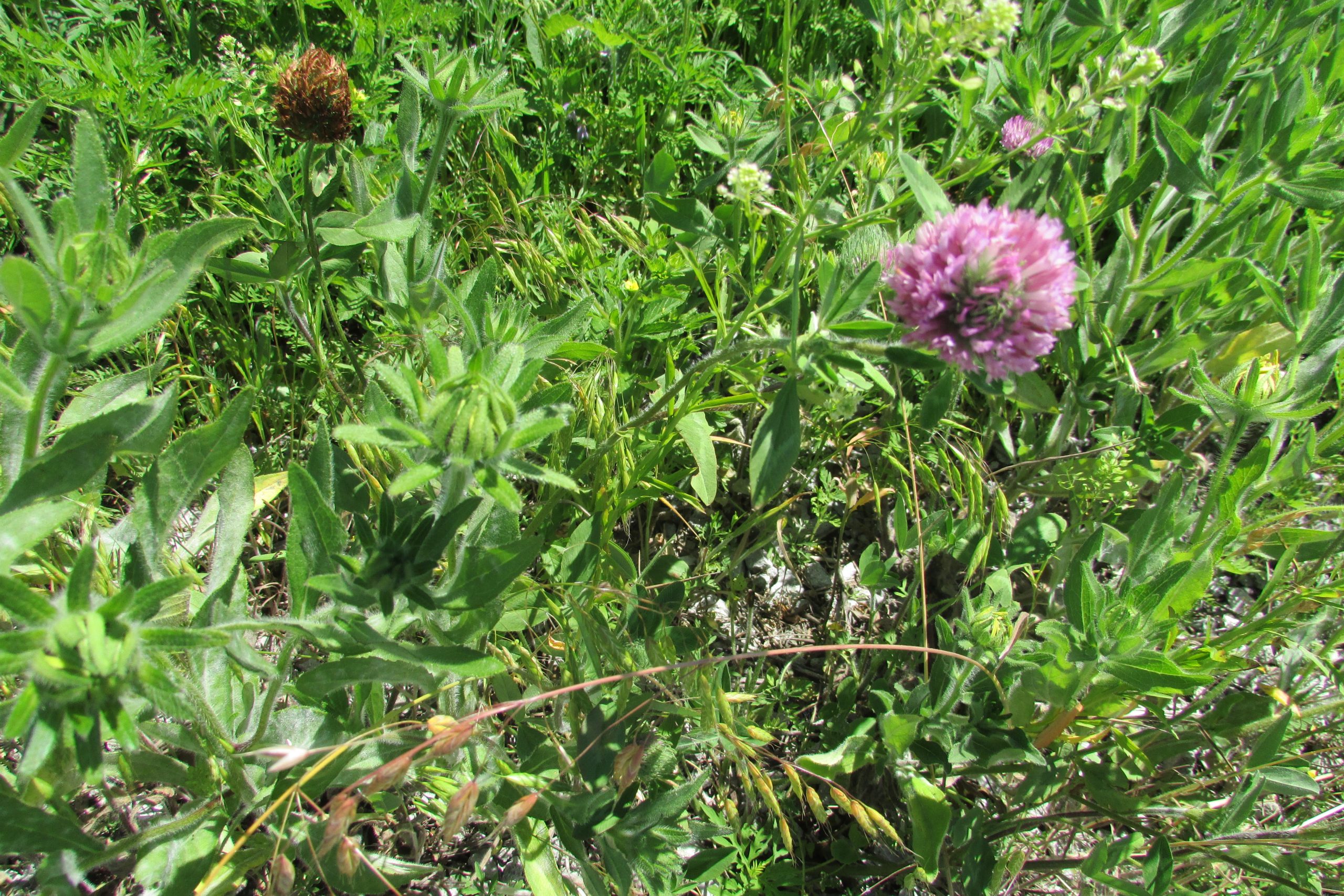
Joe-Pye-Weed’s large, domed clusters of pink-purple flowers tower above the midsummer garden, attracting swallowtails and many other pollinators. Photo: Wikimedia Commons (CC BY-SA 4.0) Eupatorium
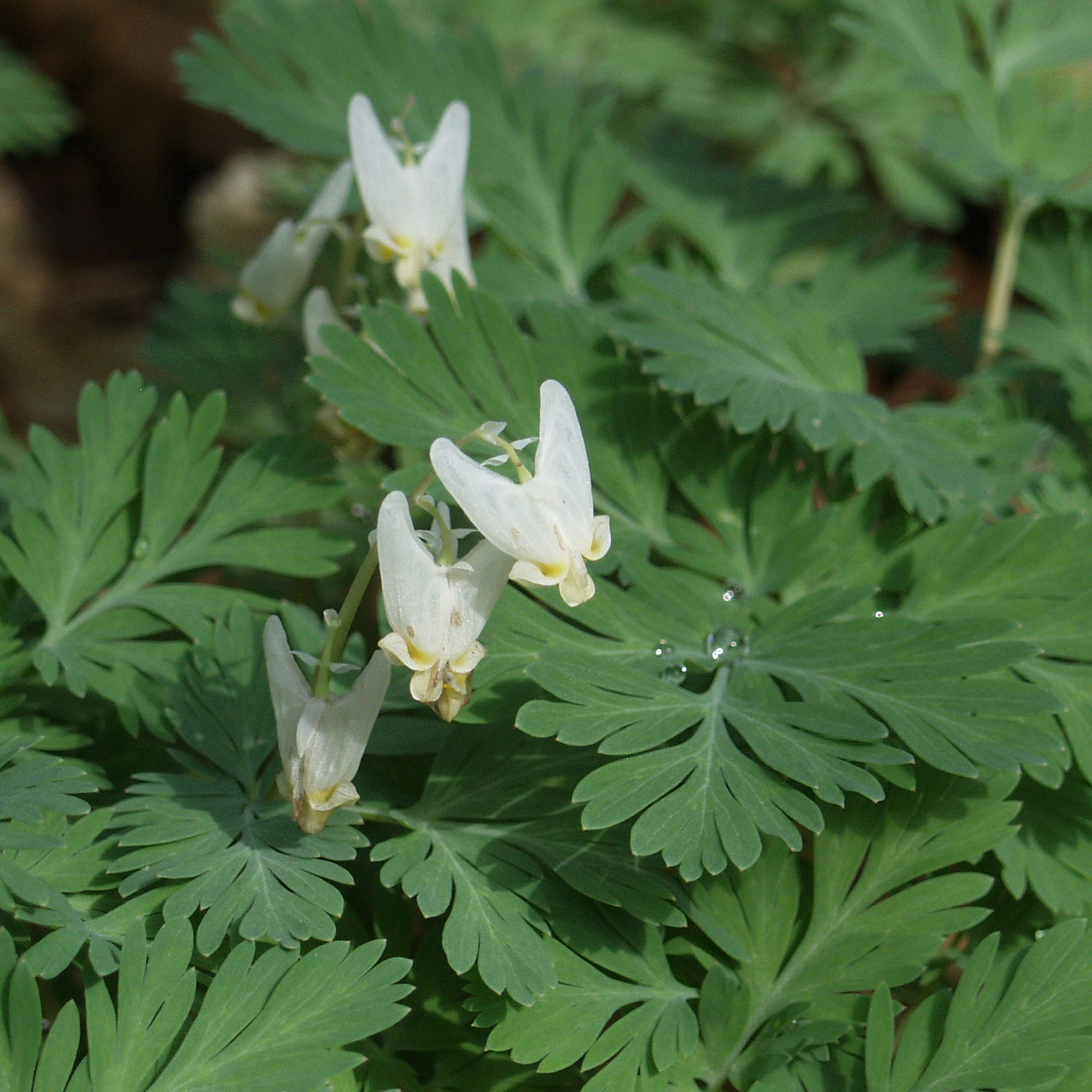
Dutchman’s Breeches in full spring bloom — the distinctive pantaloon-shaped flowers are one of the most charming sights of the early woodland floor. Photo: Wikimedia
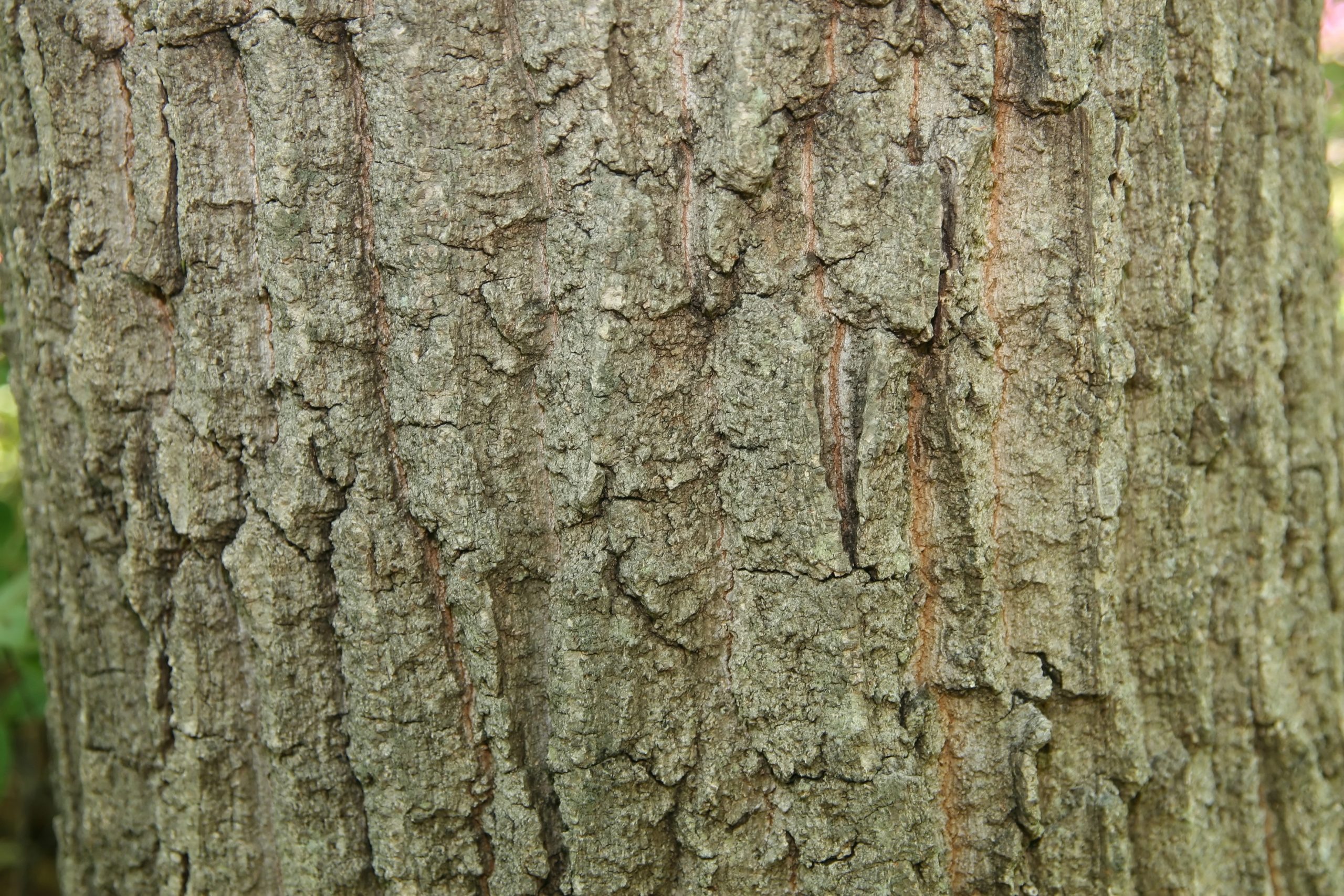
Chestnut Oak foliage and acorns — a critical wildlife food source. Photo: Wikimedia Commons (CC BY-SA 4.0) Quercus prinus, the Chestnut Oak, is a stately
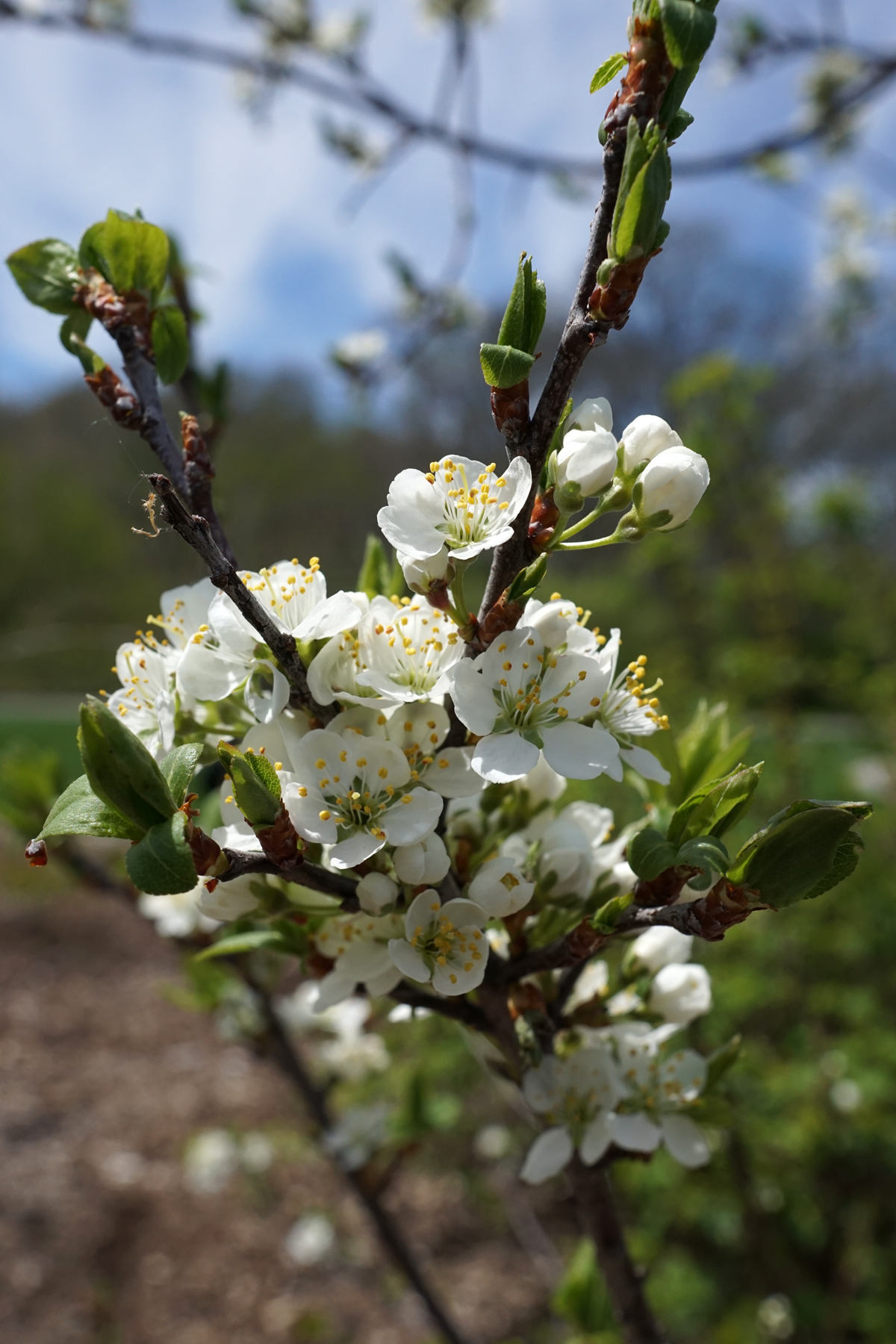
Beach Plum in spectacular spring bloom. Photo: Wikimedia Commons (CC BY-SA 2.0) Prunus maritima, commonly known as Beach Plum, is a tough, sprawling native shrub
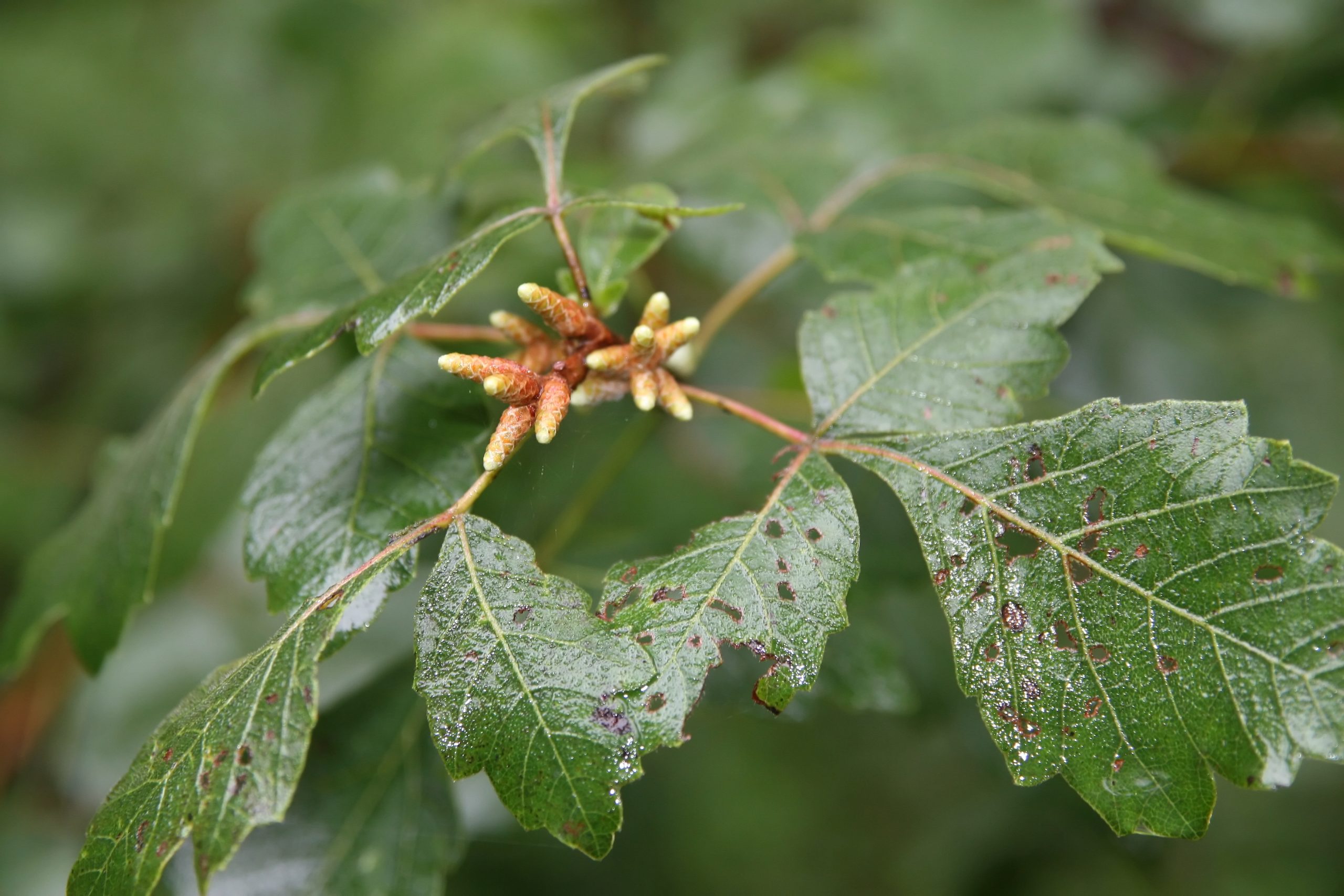
Fragrant Sumac delivers one of the finest fall color displays of any native shrub, with foliage turning vivid shades of orange, red, and purple. Photo:
View More