
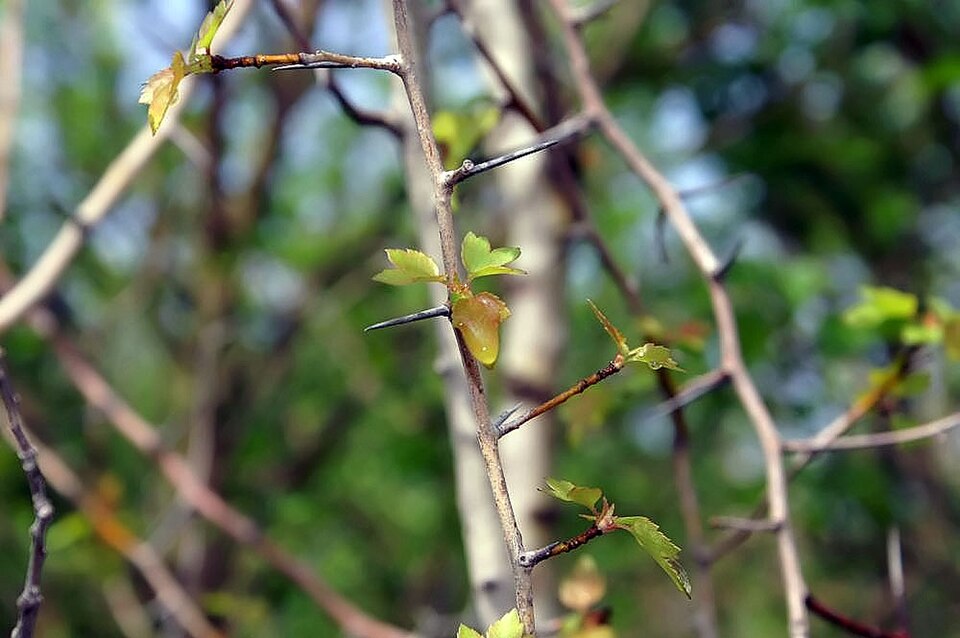
Downy Hawthorn’s fragrant white spring flowers attract numerous pollinators and herald the arrival of spring in the Great Plains. Photo: Wikimedia Commons (CC BY-SA 3.0)
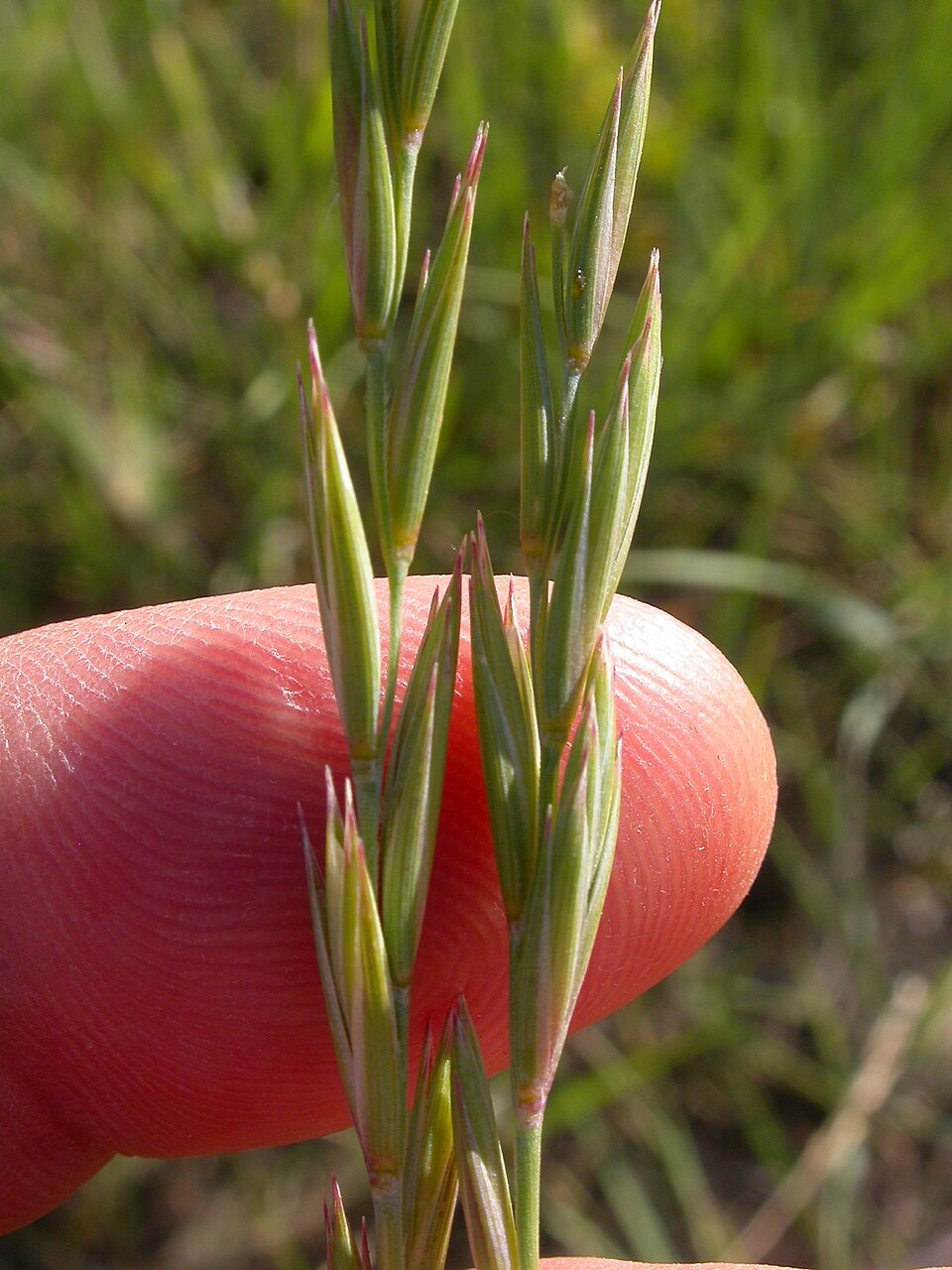
Western Wheatgrass displaying its typical dense growth form and wheat-like seed spikes. Photo: Wikimedia Commons (CC BY-SA 2.0) Agropyron smithii, commonly known as Western Wheatgrass,

Box Elder compound leaves showing the distinctive three to seven leaflets that make this the only maple with pinnately compound foliage. Photo: Wikimedia Commons (CC
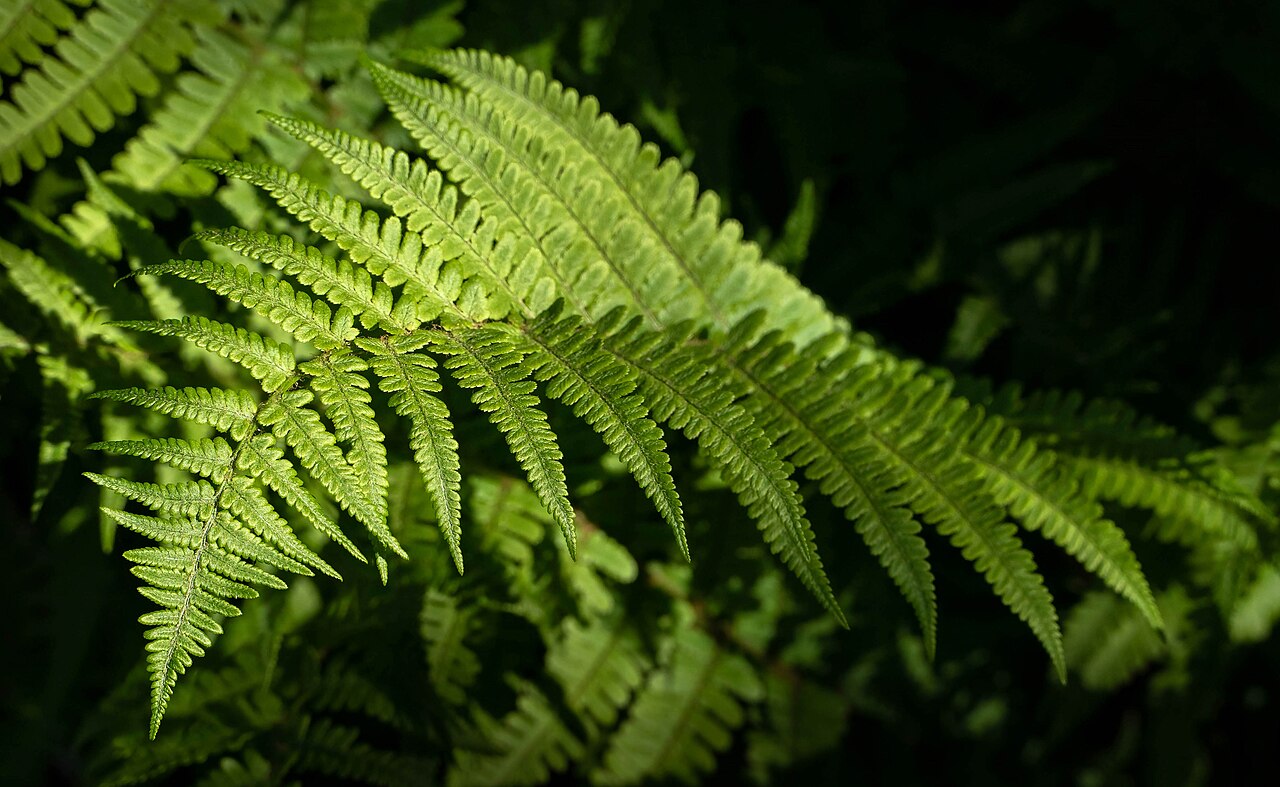
The lacy, twice-pinnate fronds of lady fern. Photo: W.carter, Wikimedia Commons (CC0) Athyrium filix-femina, commonly known as Lady Fern, is one of the most graceful
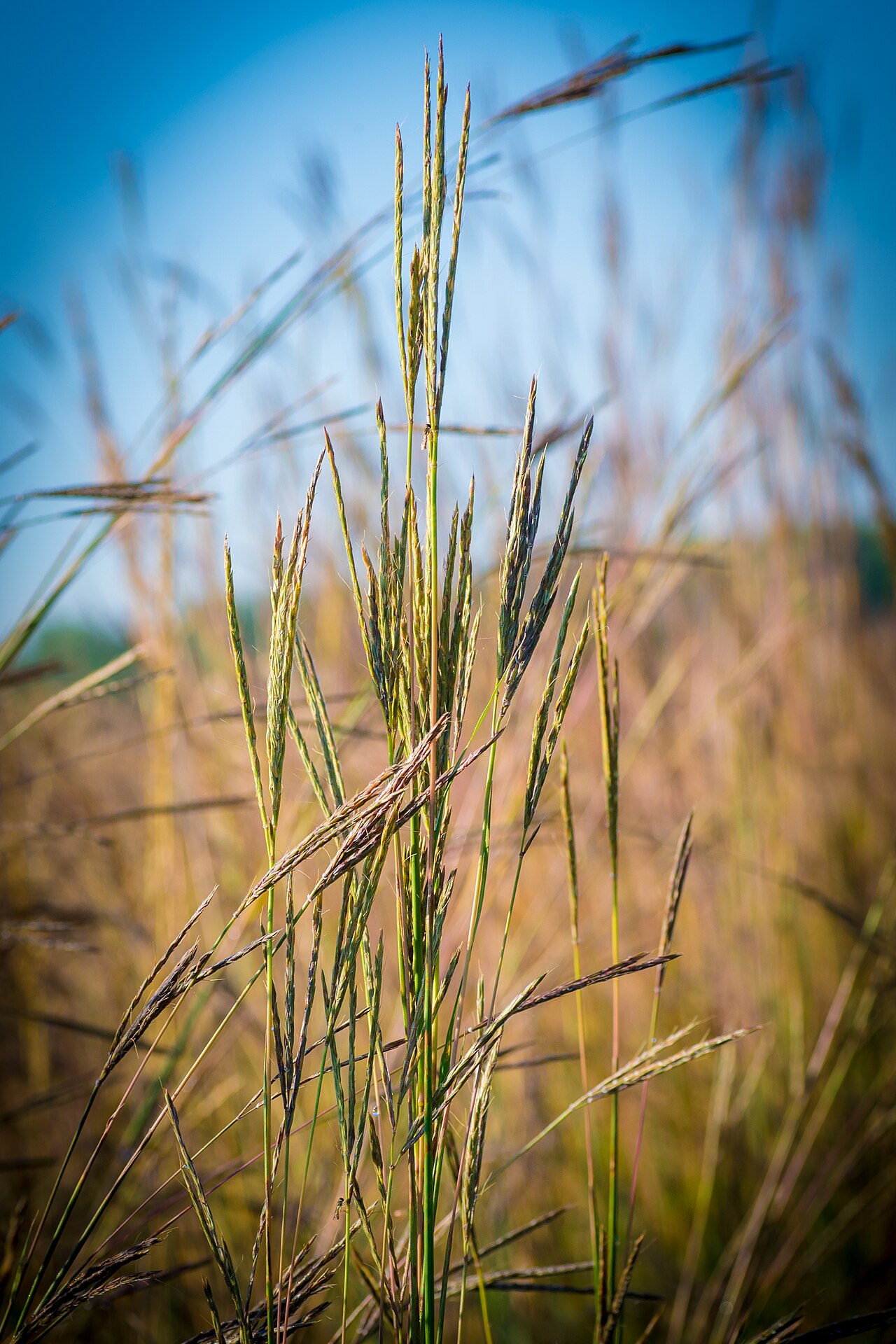
Big Bluestem seed heads above the tallgrass at Huffman Prairie, Dayton, Ohio. Photo: Andrew C, Wikimedia Commons (CC BY 2.0) Andropogon gerardii, commonly known as
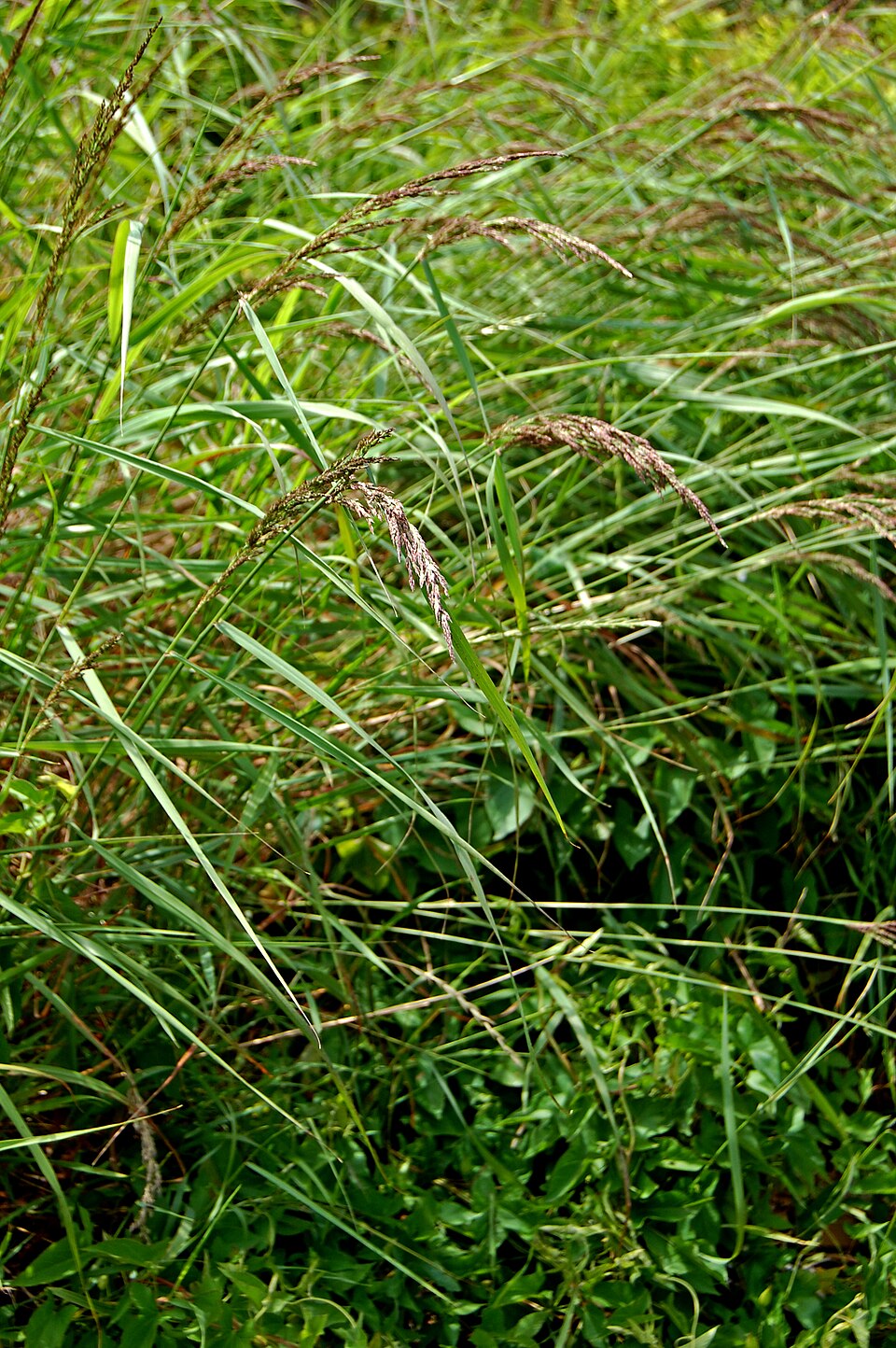
Bluejoint Grass forming characteristic tussocks in wetland habitat. Photo: Wikimedia Commons (CC BY-SA 2.0) Calamagrostis canadensis, commonly known as Bluejoint Grass or Canada Bluejoint, is
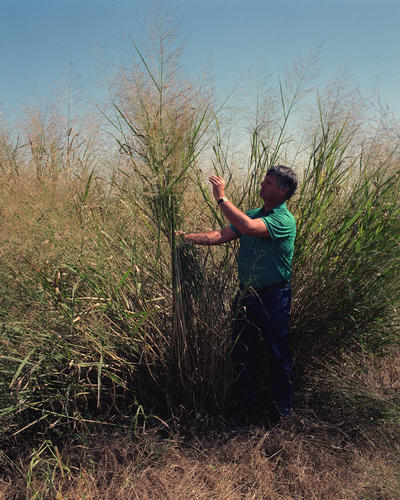
Switchgrass displaying its typical upright form and delicate seed panicles. Photo: Wikimedia Commons (Public Domain) Panicum virgatum, commonly known as Switchgrass, is perhaps the most
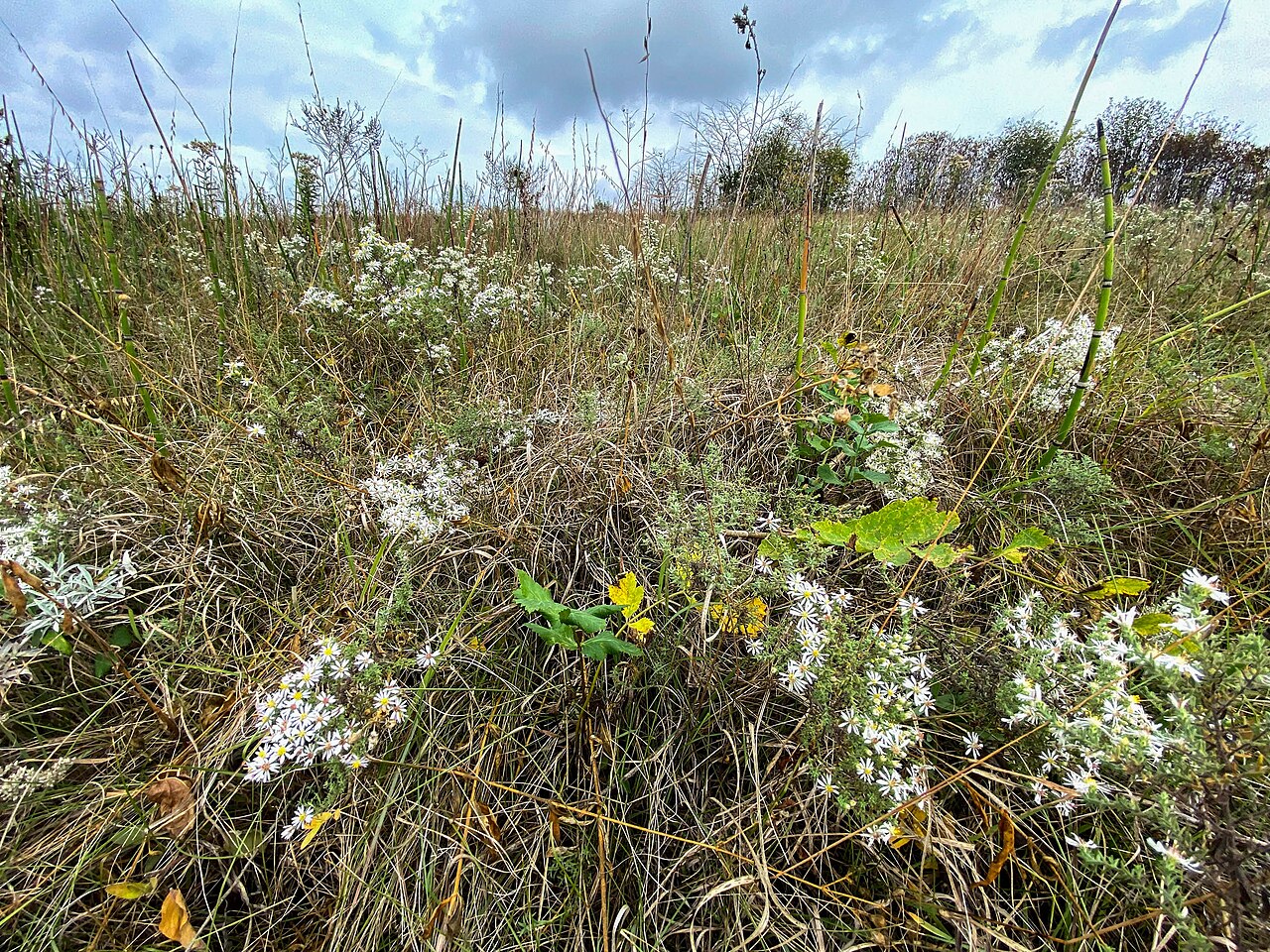
Heath aster in full fall bloom at Bell Bowl Prairie. Photo: cassi saari, Wikimedia Commons (CC BY-SA 4.0) Symphyotrichum ericoides (formerly Aster ericoides), commonly known
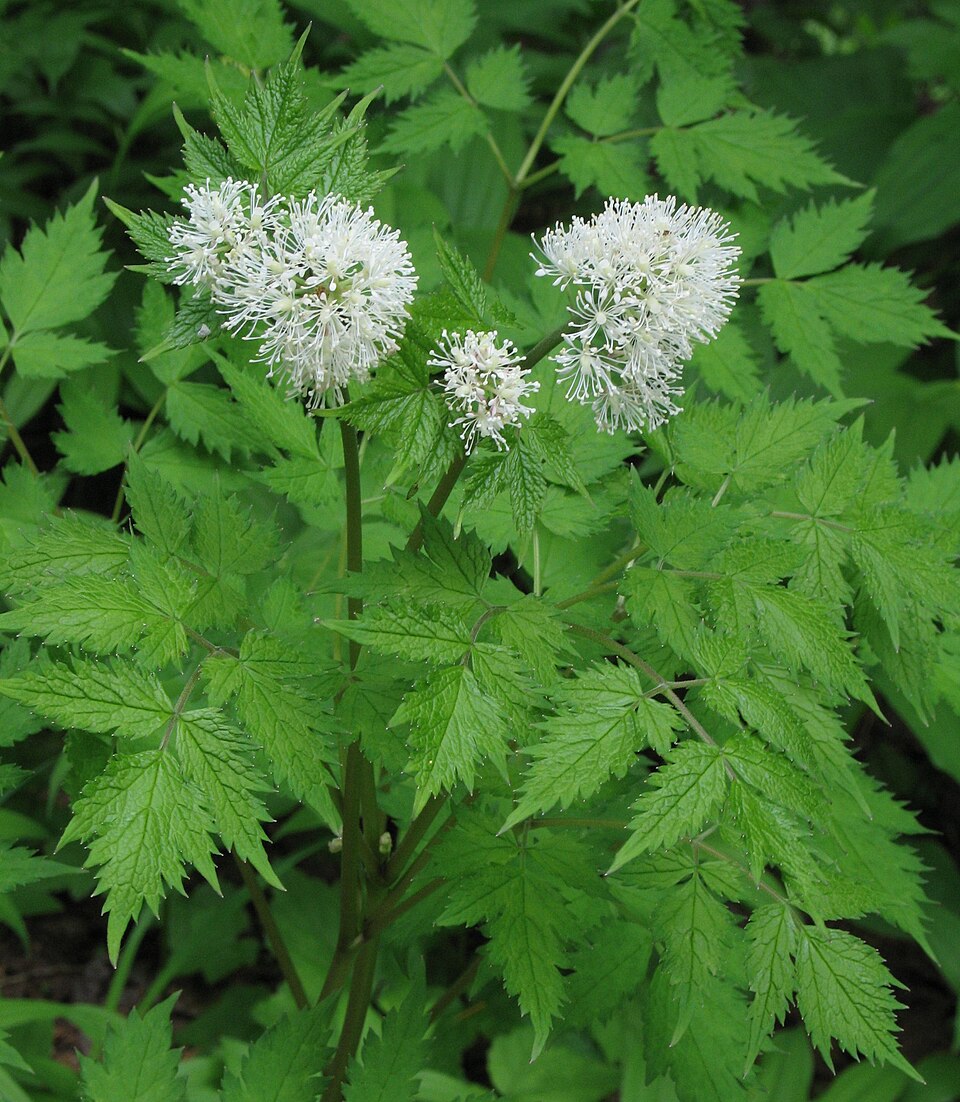
Red Baneberry flowers on Rainbow Trail near Whistler, British Columbia. Photo: Wikimedia Commons (CC BY 4.0) Actaea rubra, commonly known as Red Baneberry, Snakeberry, or

Blue Vervain’s characteristic tall spikes of small purple-blue flowers rising above toothed opposite leaves. Photo: Wikimedia Commons (CC0) Verbena hastata, commonly known as Blue Vervain,
View More