

Pacific Bleeding Heart flowers and foliage. Photo: Walter Siegmund (CC BY-SA 3.0) Dicentra formosa, commonly known as Pacific Bleeding Heart, Western Bleeding Heart, or Wild
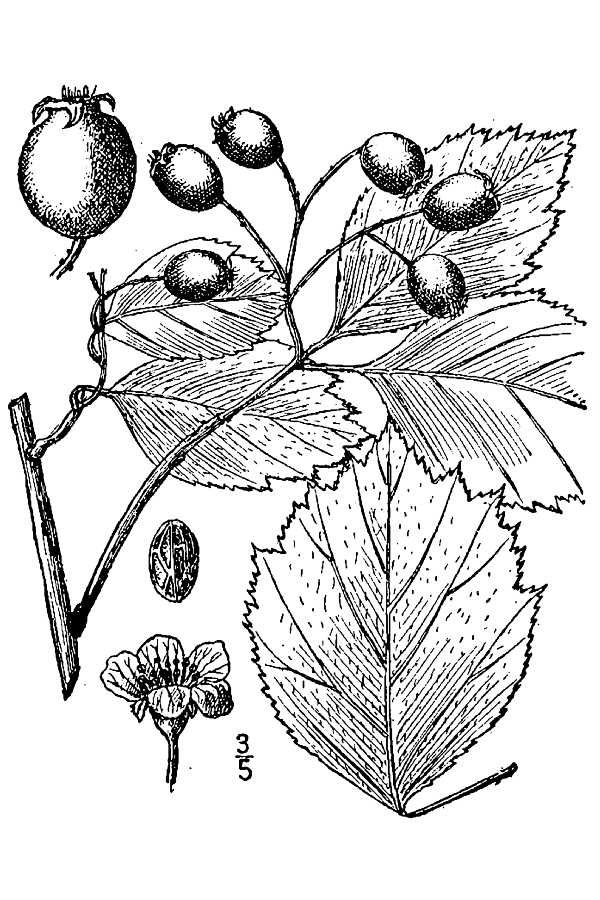
Black Hawthorn botanical illustration. From Britton & Brown 1913 (Public Domain) Crataegus douglasii, commonly known as Black Hawthorn or Douglas’ Thornapple, is a robust and
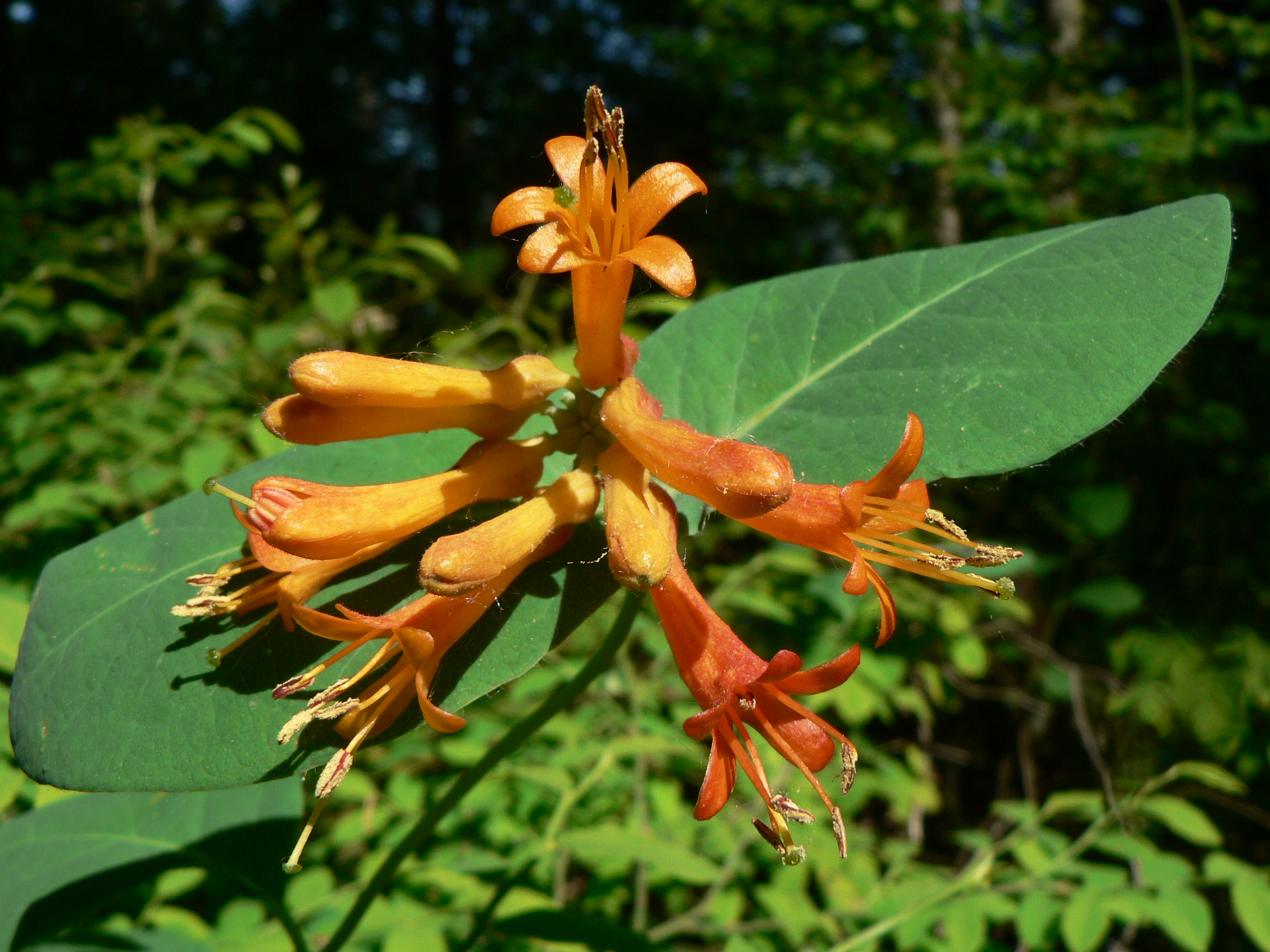
Western Honeysuckle flowers and foliage. Photo: Walter Siegmund (CC BY-SA 3.0) Lonicera ciliosa, commonly known as Western Honeysuckle or Orange Honeysuckle, is a magnificent deciduous

Pacific ninebark in flower, its hemispherical white flower clusters held above maple-like leaves on arching stems. Photo: Walter Siegmund (CC BY-SA 3.0), Wikimedia Commons Physocarpus

Tsuga heterophylla, commonly known as Western Hemlock, stands as the quintessential tree of the Pacific Northwest’s coastal rainforests, creating some of the most magnificent and
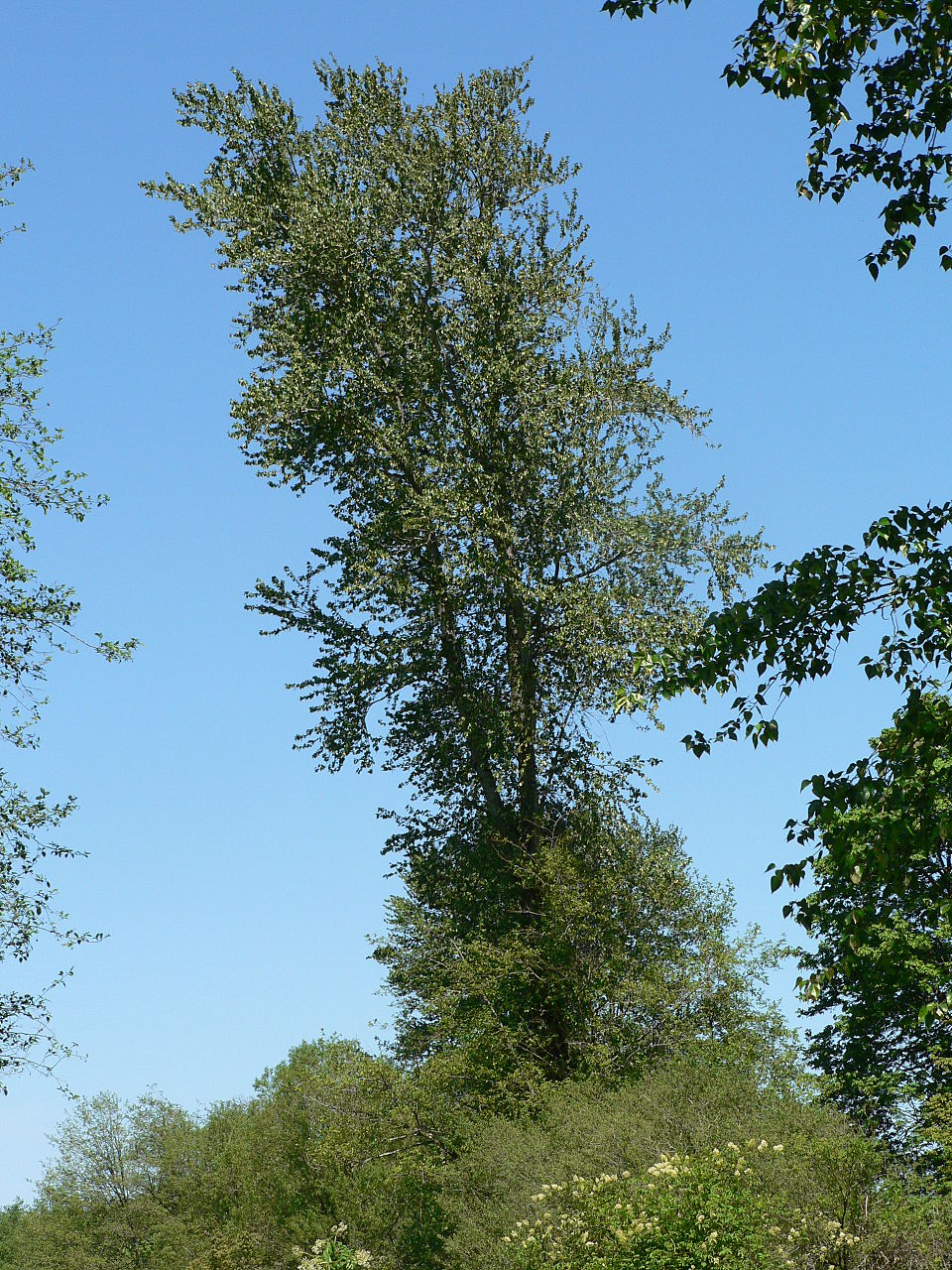
Populus trichocarpa. Photo: Wikimedia Commons (CC BY-SA) Populus trichocarpa, commonly known as Black Cottonwood, is the largest deciduous tree native to the Pacific Northwest, standing

Sisyrinchium californicum plant. Photo: Wikimedia Commons (CC licensed) Sisyrinchium californicum, commonly known as Yellow-Eyed Grass, is a delightful and diminutive member of the iris family

Pacific Madrone displaying its sculptural beauty on a windswept coastal bluff. Photo: Wikimedia Commons (CC licensed) Arbutus menziesii, commonly known as Pacific Madrone, Madrona, or

Arctostaphylos columbiana plant. Photo: Wikimedia Commons (CC licensed) Arctostaphylos columbiana, commonly known as Hairy Manzanita, is a distinctive and resilient evergreen shrub that embodies the

Western Hazelnut showing characteristic leaves and beaked nuts. Photo: Walter Siegmund (CC BY-SA 3.0) Corylus cornuta var. californica, commonly known as Western Hazelnut or California
View More