Ponderosa Pine (Pinus ponderosa)
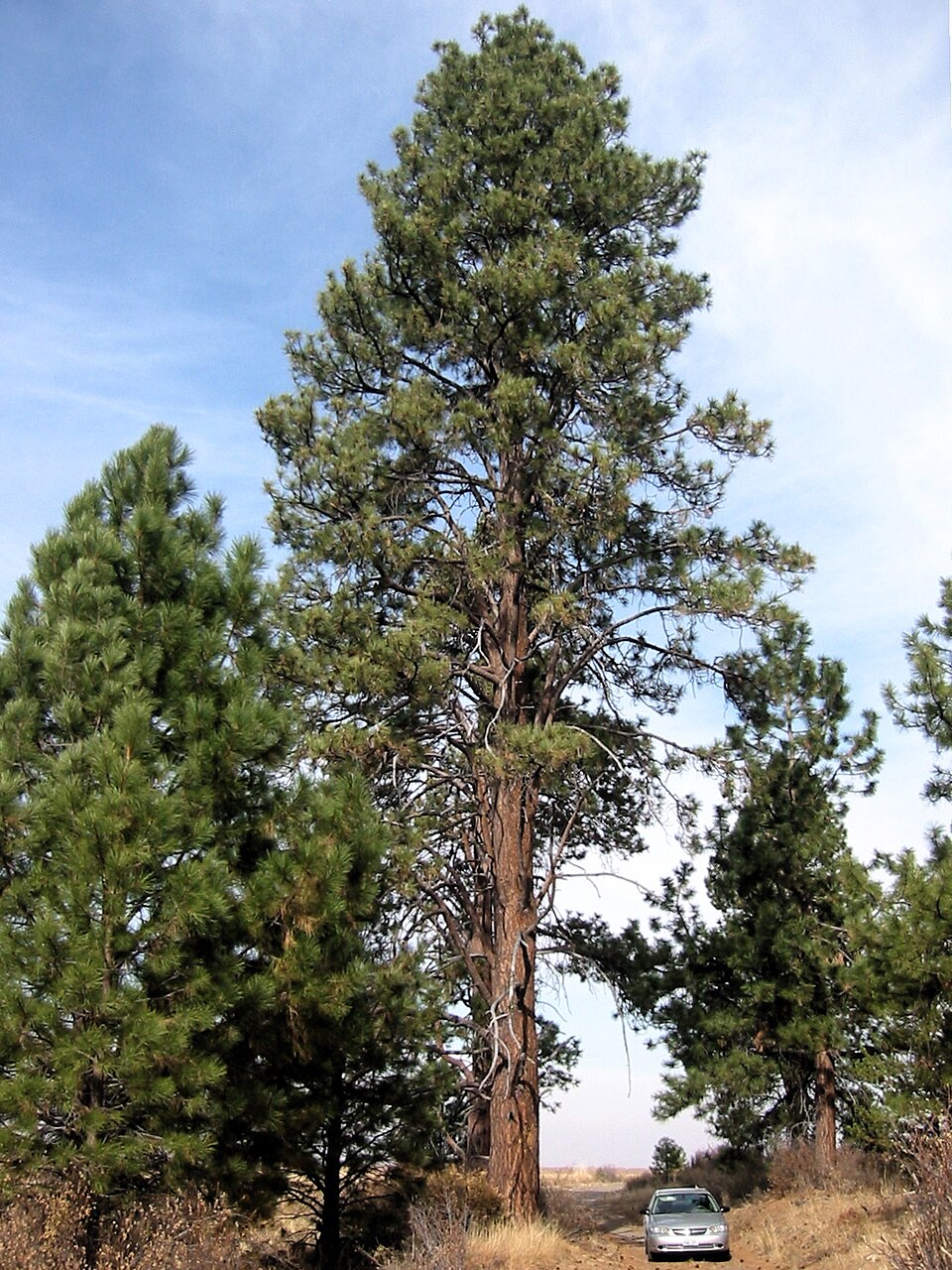
Pinus ponderosa, commonly known as Ponderosa Pine, is a remarkable native species that plays a vital role in Pacific Northwest ecosystems. This hardy and adaptable plant has evolved specifically to thrive in the unique climate conditions of the region, making it an excellent choice for native landscaping and ecological restoration projects.
Quick Facts
| Scientific Name | Pinus ponderosa |
| Plant Type | Evergreen Coniferous Tree |
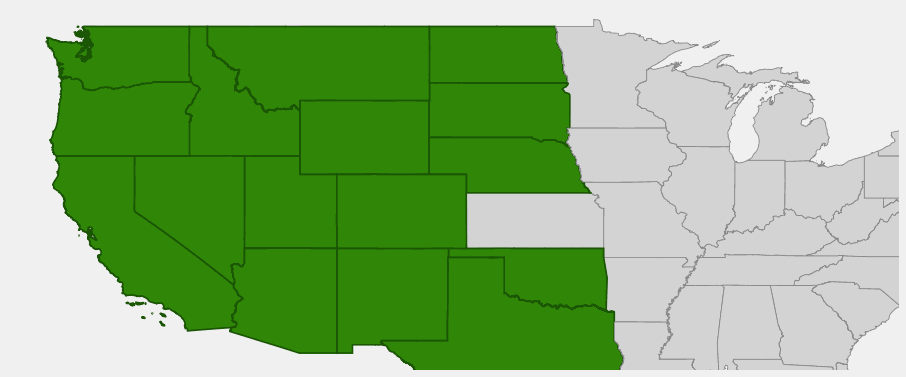
| Native Range | OR, WA, CA, ID, MT, WY, CO, UT, NV, AZ, NM, SD, NE, ND, TX, OK |
| Sun Exposure | Full Sun |
| Water Needs | Low (Drought Tolerant) |
| Soil Type | Deep, well-drained sandy, gravelly or clay loams; acidic (tolerates alkalinity) |
| USDA Hardiness Zones | 6-9 |
Identification and Description
Ponderosa Pine is a distinctive native species that can be identified by several key characteristics. Understanding these identification features helps both gardeners and naturalists recognize this valuable plant in the wild and distinguish it from similar species that may be found in the same habitat.
The overall form and growth pattern of Ponderosa Pine reflects its evolutionary adaptation to Pacific Northwest conditions. Like many native species in this region, it has developed specific traits that allow it to thrive in the cool, moist winters and relatively dry summers that characterize much of its native range.
Native Range and Habitat
Ponderosa Pine occurs naturally across a significant portion of the Pacific Northwest, with populations documented in OR, WA, CA, ID, MT, WY, CO, UT, NV, AZ, NM, SD, NE, ND, TX, OK. This distribution pattern reflects the species’ specific habitat requirements and its role within the broader ecosystem.
Within its native range, Ponderosa Pine typically establishes in habitats that provide the specific environmental conditions it requires for optimal growth and reproduction. These habitat preferences have evolved over thousands of years and represent the species’ ecological niche within Pacific Northwest ecosystems.
📋 Regional plant lists featuring Ponderosa Pine: Western Oregon & Western Washington
Growing and Care Guide
Successfully cultivating Ponderosa Pine requires understanding its natural habitat preferences and providing growing conditions that closely mimic those found in its native environment. This species has evolved specific adaptations to Pacific Northwest conditions, making it well-suited for regional gardens when properly sited and maintained.
Site Selection and Preparation
Choosing the right location is crucial for successful establishment of Ponderosa Pine. The ideal site should provide environmental conditions that closely match those found in the species’ natural habitat, including appropriate light levels, soil conditions, and moisture availability.
Site preparation should focus on creating growing conditions that support the plant’s natural growth patterns while ensuring long-term sustainability. This often involves soil amendments, drainage considerations, and planning for the plant’s mature size and growth habit.
Planting and Establishment
Proper planting technique is essential for successful establishment of Ponderosa Pine. The best planting times typically coincide with the Pacific Northwest’s natural growing seasons, when temperatures and moisture levels are optimal for root development and early growth.
During the establishment period, regular monitoring and appropriate care help ensure the plant develops a strong root system and adapts well to its new environment. This critical phase often determines the long-term success of the planting.
Ongoing Maintenance
Once established, Ponderosa Pine typically requires minimal maintenance when properly sited. However, some periodic care may be beneficial to maintain plant health and appearance, particularly in garden settings where growing conditions may differ from natural habitats.
Understanding the plant’s natural growth cycles and seasonal requirements helps gardeners provide appropriate care while avoiding unnecessary interventions that might disrupt the plant’s natural processes.
Wildlife and Ecological Value
Ponderosa Pine serves important ecological functions within its native ecosystem, supporting biodiversity and providing habitat and food resources for various wildlife species. These ecological relationships have evolved over thousands of years and represent complex interdependencies between the plant and other organisms.
Wildlife Habitat and Food Sources
Many wildlife species depend on Ponderosa Pine for critical resources including food, shelter, and nesting sites. These relationships often involve complex seasonal patterns that align with the plant’s growth cycles and resource availability.
Different parts of the plant may serve different ecological functions, with flowers, fruits, seeds, foliage, and even the overall plant structure providing resources for different wildlife communities throughout the year.
Ponderosa Pine demonstrates the remarkable adaptability that characterizes Pacific Northwest flora. Over millions of years, species like Pinus ponderosa have evolved specific strategies for thriving in the region’s unique climate patterns, developing characteristics that allow them to make the most of wet winters and navigate dry summers with remarkable efficiency.
The ecological relationships surrounding Ponderosa Pine illustrate the complex interconnections that define healthy Pacific Northwest ecosystems. From soil microorganisms to large mammals, countless species depend on the resources and habitat structure provided by native plants like Pinus ponderosa. These relationships have developed over thousands of years, creating intricate webs of interdependence that support regional biodiversity.
Understanding Ponderosa Pine’s role in natural succession helps explain its value in restoration and landscaping applications. As ecosystems recover from disturbance or as gardens mature, different species play important roles at different stages. Ponderosa Pine contributes to community development in ways that support both immediate ecosystem function and long-term ecological resilience.
Climate change adaptation strategies increasingly recognize the importance of native species like Ponderosa Pine in building landscape resilience. Plants that have evolved locally possess genetic diversity and physiological adaptations that help them respond to environmental variability. By incorporating native species into both natural and designed landscapes, we support ecosystems’ capacity to adapt to changing conditions.
Ecosystem Services
Beyond its direct value to wildlife, Ponderosa Pine contributes to broader ecosystem health through various ecological services. These may include soil stabilization, water cycle regulation, carbon sequestration, and support for beneficial insects and other organisms.
The species also plays important roles in plant community dynamics, influencing the establishment and success of other native species through various ecological interactions and environmental modifications.
Conservation and Restoration Value
Ponderosa Pine represents an important component of Pacific Northwest biodiversity and plays valuable roles in habitat restoration and conservation projects. Its use in restoration efforts helps reestablish authentic native plant communities and support regional ecosystem health.
Conservation efforts for this species contribute to maintaining the genetic diversity and ecological integrity of Pacific Northwest ecosystems. These efforts are particularly important given ongoing habitat loss and environmental changes affecting the region.
Landscape Applications
In landscape settings, Ponderosa Pine offers numerous benefits for gardeners seeking to create authentic Pacific Northwest gardens that support native biodiversity. Its natural beauty and ecological value make it an excellent choice for various landscape applications.
Successful landscape use requires understanding the plant’s natural requirements and growth patterns, allowing designers and gardeners to integrate it effectively into broader planting schemes that benefit both aesthetics and ecological function.
Design Considerations
When incorporating Ponderosa Pine into landscape designs, consider its mature size, growth habit, seasonal changes, and relationships with other plants. These factors help ensure successful integration and long-term satisfaction with the planting.
The species works well in various design contexts, from naturalistic plantings that mimic wild habitats to more formal garden settings where native plants are featured prominently. Understanding its aesthetic qualities helps maximize its landscape impact.
Companion Planting
Ponderosa Pine associates naturally with other Pacific Northwest native species, and these relationships can be replicated in garden settings to create authentic and ecologically functional plantings.
Choosing appropriate companion plants helps create plant communities that support each other through complementary resource use, beneficial interactions, and shared habitat requirements. These associations often result in more resilient and self-sustaining plantings.
Seasonal Interest and Maintenance
Throughout the year, Ponderosa Pine provides various forms of interest and beauty, with seasonal changes that reflect its adaptation to Pacific Northwest climate patterns. Understanding these seasonal rhythms helps gardeners appreciate and care for the plant appropriately.
Different seasons may require different maintenance approaches, from supporting active growth during favorable conditions to protecting the plant during challenging periods. Aligning maintenance activities with natural cycles promotes plant health and reduces unnecessary interventions.
Looking for a nursery that carries Ponderosa Pine?
Browse our native plant nursery directory: Oregon · Washington
Cultural & Historical Uses
Ponderosa Pine (Pinus ponderosa) holds a significant place in the cultural heritage of Pacific Northwest Indigenous peoples, who developed sophisticated knowledge systems around the region’s native flora over thousands of years. This deep understanding encompassed not only practical applications but also the spiritual and ecological relationships that define healthy landscapes.
Indigenous nations including the Coast Salish, Chinook, and other tribal groups incorporated Ponderosa Pine into their traditional ecological practices, recognizing its value for various purposes while maintaining sustainable harvesting practices that ensured the species’ continued abundance. Traditional knowledge holders understood the plant’s role in supporting wildlife, maintaining soil health, and contributing to the overall resilience of native plant communities.
Historical records from early European explorers and settlers document the widespread use of Ponderosa Pine by Indigenous peoples, though much traditional knowledge was lost or suppressed during the colonial period. Today, there is growing recognition of the value of traditional ecological knowledge, and efforts to restore both native plant communities and Indigenous cultural practices often work hand in hand.
In contemporary times, Ponderosa Pine continues to play important cultural roles in Pacific Northwest communities. The species is increasingly valued for ecological restoration, native landscaping, and environmental education. Its use in restoration projects helps reconnect communities with their natural heritage while providing tangible benefits for local ecosystems and wildlife populations.
Frequently Asked Questions
How fast does Ponderosa Pine grow?
Ponderosa Pine exhibits a moderate to fast growth rate under favorable conditions, typically establishing well within the first few growing seasons. Growth rate varies significantly based on site conditions, with optimal growth occurring in locations that closely mimic the plant’s natural habitat preferences. In suitable conditions with adequate moisture and appropriate light levels, you can expect steady annual growth.
Is Ponderosa Pine deer resistant?
Like most Pacific Northwest natives, Ponderosa Pine may be browsed by deer and elk, particularly in areas with high wildlife pressure or limited alternative food sources. However, as a native species that co-evolved with these herbivores, it typically recovers well from browsing damage. In areas with consistently heavy deer pressure, young plants may benefit from temporary protection during establishment.
What wildlife does Ponderosa Pine support?
Ponderosa Pine provides valuable habitat and food resources for a wide variety of Pacific Northwest wildlife, including native birds, beneficial insects, small mammals, and pollinators. The plant’s role in supporting biodiversity makes it an excellent choice for wildlife gardens, restoration projects, and any landscape designed to provide ecosystem services.
When is the best time to plant Ponderosa Pine?
In the Pacific Northwest, fall planting (September through November) is typically most successful for native plants, as it allows root system establishment during the mild, wet winter months. Spring planting (March through May) can also be successful, though plants may require supplemental watering during their first summer dry season.
Where can I buy Ponderosa Pine?
Ponderosa Pine is available from native plant nurseries throughout Oregon and Washington. When possible, seek out locally-sourced stock grown from regional seed sources, as these plants will be better adapted to your specific area’s climate, soil conditions, and wildlife communities. Many restoration supply nurseries also carry the species for larger-scale projects.