Native Plant List for Delaware, Southern New Jersey, and Long Island, New York
Last updated: June 26, 2026


Native Plants for Delaware, Southern New Jersey & Long Island, New York
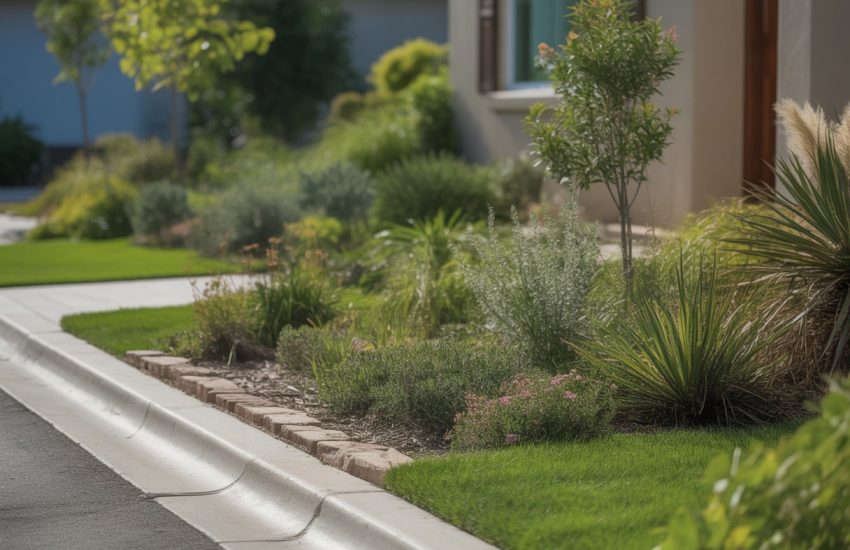
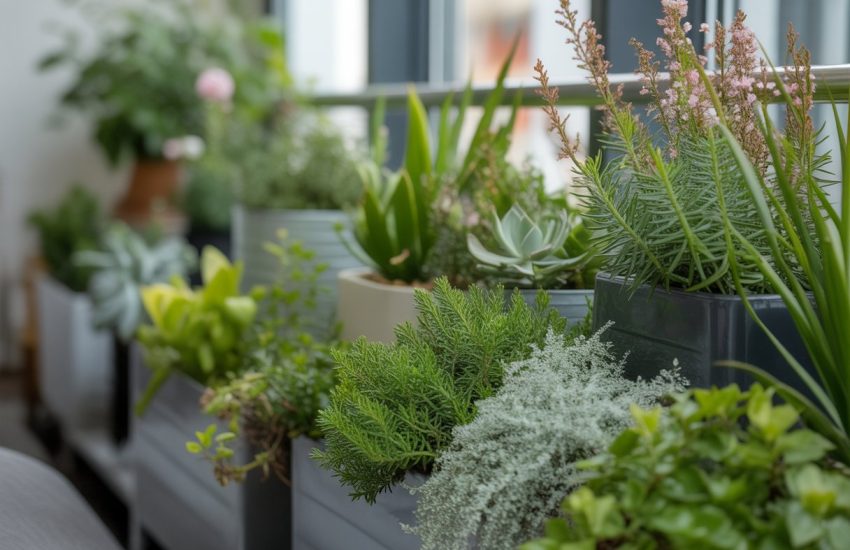
The coastal Mid-Atlantic region — Delaware, southern New Jersey, and Long Island — shares sandy soils, salt-influenced air, and hot, humid summers. Native plants from this region are uniquely equipped to handle these conditions, and they’ll outperform non-native ornamentals without the fuss.
If you’re landscaping near the coast, dealing with sandy or clay soils, or simply want a yard that supports local butterflies, songbirds, and pollinators, these species are your starting point. From showy native azaleas and viburnums to tough seaside grasses, there’s something here for every garden style.
How to Use This List
The tables below group plants by type — trees, shrubs, perennials, grasses, and ferns. Each includes growing requirements so you can match species to your site. Most plants on this list thrive in USDA Zones 6b–7b, covering the heart of this region.
Tip: Coastal gardens benefit enormously from native grasses and shrubs that tolerate salt spray. Look for bayberry (Morella pensylvanica), switchgrass (Panicum virgatum), and seaside goldenrod (Solidago sempervirens) in the lists below.
See Also:
- New York Native Plants for Landscaping
- Best Cherry Trees for New Jersey
- Best Shade Trees for Delaware
- Best Shade Trees for New Jersey
- Find a Native Plant Nursery Near You
Native Trees
Delaware, Southern New Jersey, and Long Island, New York Trees
| Common Name | Scientific Name | Sun | Moisture | Height | Comments |
|---|---|---|---|---|---|
| Box Elder | Acer negudo | S | W-D | 30-50' | Migrating birds eat seeds; male & female plants |
| Red Maple | Acer rubrum | F | W-D | 50-75' | Buds & young twigs are red: great fall color |
| Silver Maple | Acer saccharinum | F-P | A-W | 60-75' | Lacy leaves with a white bloom on the underside |
| Downy Serviceberry | Amelanchier arborea | F-P | A-D | 15-25' | Yellow-orange-red fall color; white flowers in April |
| Sweet Birch | Betula lenta | F-P | A | 40-55' | Golden yellow fall color |
| River Birch | Betula nigra | F | A-W | 40-70' | Modest yellow fall color; seed attracts birds |
| American Hornbeam | Carpinus caroliniana | P-S | W-A | 20-30' | Good street tree; yellow, orange, scarlet fall color |
| Bitternut Hickory | Carya cordiformis | F-P | D-W | 50-70' | Striking yellow buds; yellow fall color; rapid growth |
| Pignut Hickory | Carya glabra | P-S | D | 50-99' | Golden yellow fall color; rapid growth rate |
| Shagbark Hickory | Carya ovata | F-P | A | 70-90' | Yellow to golden-brown fall color; squirrels eat nuts |
| Hackberry | Celtis occidentalis | F-P | W-D | 50-75' | Mild yellow fall color; warty trunk interesting in winter |
| Atlantic White Cedar | Chamaecyparis thyoides | F | A-W | 40-50' | Green needle-like foliage with white markings |
| Fringetree | Chionanthus virginicus | F-P | A | 20' | Show-stopping creamy white flowers in Apr-May |
| Persimmon | Diospyros virginiana | F-S | D-A | 30-50' | Yellow, orange to mauve fall color; butterfly larval plant |
| American Beech | Fagus grandifolia | F-S | A | 50-80' | Golden brown fall color; nuts attract birds & squirrels |
| White Ash | Fraxinus americana | F-P | A | 60-80' | Yellow, maroon to purple fall color; butterfly larval plant |
| Green Ash | Fraxinus pennsylvanica | F-P | A | 50-60' | Grows fast; yellow fall color |
| American Holly | Ilex opaca | F-P | A-D | 20-40' | To ensure fruit one male is needed to 2-3 females |
| Red Cedar | Juniperus virginiana | F-P | D-A | 30-40' | Good for screening; attracts birds |
| Sweet Gum | Liquidambar styraciflua | F | W-A | 60-85' | Brilliant scarlet red to red-purple fall color |
| Tulip Tree | Liriodendron tulipifera | F | A | 70-90' | Large tulip-like flowers are yellow, green & orange |
| Sweetbay Magnolia | Magnolia virginiana | P-F | W-A | 60' | White, fragrant flowers(spr) become red seeds(summer) |
| Red Mulberry | Morus rubra | F-P | A | 50-70' | Red to dard purple sweet & juicy edible fruits |
| Black Gum | Nyssa sylvatica | F | A-D | 30-60' | Scarlet red fall color |
| Shortleaf Pine | Pinus echinata | F-P | D | 80-99' | Dark blue-green needles; seed eaten by birds |
| Loblolly Pine | Pinus taeda | F | D-W | 50-90' | Dark green needles; rapid growth; seed eaten by birds |
| Virginia Pine | Pinus virginiana | F | D | 15-40' | Foliage used in Christmas decorations; birds eat seeds |
| Sycamore | Platanus occidentalis | F-P | A-W | 70-99' | Leaves drop all summer; white mottled bark |
| Eastern Cottonwood | Populus deltoides | F | A | 70-99' | Modest fall color; can be messy |
| Large-tooth Aspen | Populus grandidentata | F | D-W | 50-70' | Fast growing; fall color; leaves flutter in wind |
| Wild Black Cherry | Prunus serotina | F-P | D | 50-80' | Messy tree; small edible berries in sum; attracts birds |
| White Oak | Quercus alba | F-P | D | 60-99' | Brown, red, wine fall color; acorns eaten by wildlife |
| Scarlet Oak | Quercus coccinea | F-P | D | 75' | Brilliant scarlet fall color; rapid growth |
| Southern Red Oak | Quercus falcata | P-S | D-A | 70-90' | Brown fall color; drought tolerant |
| Pin Oak | Quercus palustris | P-S | A-W | 60-80' | Russett, bronze, red fall color |
| Willow Oak | Quercus phellos | F-S | W-A | 100+' | Beautiful shade tree; good street tree; high branching |
| Sassafras | Sassafras albidum | F-P | D-A | 30-60' | Yellow flowers(Apr) yellow, orange, to scarlet fall color |
| Bald Cypress | Taxodium distichum | F | A-W | 50-75' | Deciduous needles turn russett in fall |
| American Basswood | Tilia americana | P-S | A-W | 60-80' | Wood used for carving; nectar makes honey; seeds |
| American Elm | Ulmus americana | F | A | 60-80' | Yellow fall color; high spreading canopy |
Native Shrubs
Delaware, Southern New Jersey, and Long Island, New York Shrubs
| Common Name | Scientific Name | Sun | Moisture | Height | Comments |
|---|---|---|---|---|---|
| Smooth Alder | Alus serrulata | F-S | W | 15-20' | Yellow & orange fall color; fruit eaten by birds |
| Red Chokeberry | Aronia arbutifolia | P-S | A-W | 6-10' | Red berries load schrub, eaten by mammals & birds |
| Paw Paw | Asimina triloba | P-S | A | 40' | Unique fruit resembles & tsstes like banana |
| Groundsel Tree | Baccharis halimifolia | F-P | A | 3-10' | White flower heads; attractive fall foliage |
| Common Buttonbush | Cephalanthus occidentalis | F-P | A | 6-12' | Golf-ball like fragrant flower clusters attract butterflies |
| Sweet Pepperbush | Clethra alnifolia | F-P | W-A | 2-4' | Ivory white fragrant blooms in summer |
| Silky Dogwood | Cornus amomum | P-S | A-W | 6-10' | Creamy-white flowers May-Jun; no fall color |
| Flowering Dogwood | Cornus florida | F-S | D-A | 25-30' | White flowers in spring become bird-attracting berries |
| American Hazelnut | Corylus americana | F-S | A | 12-15' | Edible nuts; suckering |
| Cockspur Hawthorn | Crataegus crus-galli | F | A-D | 20-30' | White flowers in spring; red fruit in sum; red fall color |
| Dwarf Hawthorn | Crataegus uniflora | F-P | A | 12' | White 5-petaled flowers(Apr-May); dull red berries(Oct) |
| Black Huckleberry | Gaylussacia baccata | P-S | D-A | 1-3' | Edible fruit - ancestor of blueberry |
| Dangleberry | Gaylussacia frondosa | P-S | A | 3-6' | Dark blue fruit is important to wildlife |
| American Witch-Hazel | Hamamelis virginiana | F-S | A-D | 8-20' | Golden yellow flowers in fall; spectacular fall color |
| Inkberry | Ilex glabra | P-S | A | 4-8' | Evergreen schrub; forms suckering colonies |
| Winterberry Holly | Ilex verticillata | F-P | A-D | 6-15' | Small red berries on female plants persist into winter |
| Virginia Willow | Itea virginica | F-P | W-D | 3-6' | White blooms early summer; red, orange, maroon in fall |
| Marsh Elder | Iva frutescens | F | A-W | 8' | No fall color; inconspicuous flowers; evergreen |
| Mountain Laurel | Kalmia latifolia | F-P | D-W | 5' | Terminal fragrant white flower clusters; wine fall color |
| Fetterbush | Leucothoe racemosa | F-P | A-W | 3-13' | Racemes of delicate bell shaped flowers(Apr-Jun) |
| Spicebush | Lindera benzoin | P-S | W-A | 8-15' | Yellow spicily fragrant blooms in early spring |
| Maleberry | Lyonia ligustrina | F-P | W-A | 6-12' | White flowers in June; fall color |
| Southern Bayberry | Myrica cerifera | P-S | D-A | 15-20' | Leaves are fragrant when crushed & olive green in color |
| Norhtern Bayberry | Myrica pensylvanica | F | D-W | 5-8' | Semi-evergreen; transplants well |
| American Plum | Prunus americana | F-P | W-D | 12-20' | White fragrant flowers in spring; 1" red or yellow fruit |
| Beach Plum | Prunus maritima | F | A-D | 10' | Profusion of white blooms in spring; fruit makes jam |
| Dwarf Azalea | Rhododendron atlanticum | F-P | A | 3-10' | Pinkish white fragrant flowers in mid April |
| Pink Azalea | Rhodod. periclymenoides | F-P | A | 6-10' | Variable color, but often pink; sometimes pink |
| Swamp Azalea | Rhododendron viscosum | P | A-W | 5-8' | Fragrant white flowers in late spring - early summer |
| Winged Sumac | Rhus copallinum | F | D | 8-20' | Brilliant red fall foliage; fruit feeds birds; butterfly host |
| Smooth Sumac | Rhus glabra | F | D-A | 9-15' | Velvety red fruit on female plants persists into winter |
| Staghorn Sumac | Rhus hirta | F-P | A-D | 30' | Provides food & shelter for wildlife; suckering |
| Swamp Rose | Rosa palustris | F | W-A | 4-6' | Fragrant flowers in summer; red hips persist; fall color |
| Common Elderberry | Sambucus canadensis | F-S | A-W | 5-12' | Showy white flowers(Jul); edible fruit in September |
| Highbush Blueberry | Vaccinium corymbosum | F-P | A | 6-12' | Brilliant red fall foliage; fruit attracts wildlife |
| Early Lowbush Blueber. | Vaccinium pallidum | F-P | A-D | 24" | Small white bell-shaped flowers in late spring; fall color |
| Squaw Huckleberry | Vaccinium stamineum | P | A-D | 6-8' | White bell-shaped flowers in late spring; fall color |
| Maple-leaf Viburnum | Viburnum acerifolium | F-P | A-D | 6' | Pie-shaped clusters of creamy-white flowers; fall color |
| Southern Arrowwood | Viburnum dentatum | F-P | D-A | 5-9' | Flowers May-Jun; small blue-black berries in fall |
| Possumhaw viburnum | Viburnum nudum | P-S | W | 5-20' | Clusters of small white-flowers (May-Jul) |
| Smooth Blackhaw | viburnum prunifolium | F-P | A | 12-15 | White flowers(spring); edible fruit attracts birds |
Native Perennials & Wildflowers
Delaware, Southern New Jersey, and Long Island, New York Vines
| Common Name | Scientific Name | Sun | Moisture | Height | Comments |
|---|---|---|---|---|---|
| Trumpet Creeper | Campsis radicans | F-P | A-D | 20-40' | Orange flowers attract hummingbirds; flowers in full sun |
| Trumpet Honeysuckle | Lonicera sempervirens | F-P | A | 15-25' | Red/yellow trumpet-shaped flowers; berries attract birds |
| Virginia Creeper | Parthenocissus quinquefolia | F-P | A | 30-50' | Excellent red fall color; attracts birds |
| Glaucous-leaf Greenbriar | Smilax Glauca | P-F | D-A | 10-20' | Thorny vine with small fragrant flowers; berries for birds |
Native Grasses & Sedges
Delaware, Southern New Jersey, and Long Island, New York Flowering Perennials
| Common Name | Scientific Name | Sun | Moisture | Height | Comments |
|---|---|---|---|---|---|
| Maidenhair Fern | Maidenhair Fern | S | A | 1-3' | White flowers in summer; dried seed heads nice cuttings |
| Lady Fern | Lady Fern | P-S | A | 12+" | Spathe appears Mar-May; red berries late sum/fall |
| Silvery Spleenwort | Silvery Spleenwort | S | A | 4-6" | Evergreen groundcover, glossy heart shaped leaves |
| Spinulose Wood Fern | Spinulose Wood Fern | F | A | 12-36" | Pink to white flowers in the spring |
| Crested Wood Fern | Crested Wood Fern | F-P | A | 24-36" | Clusters of brilliant orange flowers attract butterflies |
| Evergreen Wood Fern | Evergreen Wood Fern | F-P | D-A | 1-3' | Clusters of white flowers late summer into fall |
| Marginal Wood Fern | Marginal Wood Fern | F-P | A | 40-60" | Bright lavender flowers with yellow centers late summer |
| Sensitive Fern | Sensitive Fern | P | A-W | 8-16" | Terminal clusters of four-petaled white or pinkish flowers |
| Cinnamon Fern | Cinnamon Fern | P-S | A | 1-2' | Small yellow-green flowers(spring) blue berries in cluster |
| Interrupted Fern | Interrupted Fern | P-S | W | 1-3' | White to pink 1.5" flowers summer into fall |
| Royal Fern | Royal Fern | F | D | 2-3' | Bright yellow clusters of loose, single 1" daisy-like flower |
| Christmas Fern | Christmas Fern | P-S | A | 3-8' | Long slender candle-like clusters of white flowers |
| Bracken Fern | Bracken Fern | F | A-D | 36-48" | Purple flower attracts bees and butterflies |
Native Ferns
Delaware, Southern New Jersey, and Long Island, New York Perennial Ferns
| Common Name | Scientific Name | Sun | Moisture | Height | Comments |
|---|---|---|---|---|---|
| Maidenhair Fern | Adiantum pedatum | P-S | A | 18-36" | fan-shaped green fronds held on delicate black stems |
| Lady Fern | Athyrium filix-femina | S | A-W | 18-24" | Delicate & lacy arching fronds, red stems at maturity |
| Silvery Spleenwort | Deparia acrostichoides | F-S | A | 2-3' | Needs constant moisture; straw fall color |
| Spinulose Wood Fern | Dryopteris carthusiana | P-S | A-W | 2-3' | Nearly tri-pinnate, very lacy looking |
| Crested Wood Fern | Dryopteris cristata | F-P | W-A | 2-5' | Upright blade with sparse pinnea perpendicular |
| Evergreen Wood Fern | Dryopteris intermedia | S | A | 2-3' | Must not dry out; dark green lacy fronds |
| Marginal Wood Fern | Dryopteris marginalis | P-S | A-W | 18-24" | Evergreen fern grayish-green deeply cut leathery fronds |
| Sensitive Fern | Onoclea sensiblilis | F-P | W | 12-24" | Deeply pinnate leaves; poisonous to livestock |
| Cinnamon Fern | Osmunda cinnamomea | P-S | A-W | 24-48" | Circular clusters of arching fronds; brown fertile fronds |
| Interrupted Fern | Osmunda claytonia | S | D | 3-4' | Fertile leaflets interrupt the fronds; light green |
| Royal Fern | Osmunda regalis | P | A-W | 2-6' | Bi-pinnate blade; pinnae resemble locust tree leaves |
| Christmas Fern | Polystichum acrostichoides | P-S | A | 12-36" | Stiff deep green fronds are once-pinnate |
| Bracken Fern | Pteridium aquilinum | P-F | A-W | 2-7' | Attractive branching fern; is not a round cluster |
Resources
| Sun Exposure | Soil Moisture | Drought Tolerance |
|---|---|---|
| F = Full Sun | W = Wet | E = Excellent |
| P = Part Sun | A = Average | G = Good |
| S = Shade | D = Dry | M = Moderate |
| P = Poor |
Next Steps
Start small — pick 5 to 7 native species that match your yard’s sun and soil conditions. Plant in spring or early fall for the best establishment. And don’t forget: buying from a local native plant nursery ensures you’re getting plants adapted to your specific area. Find a nursery near you here.

Looking for a nursery that carries native Delaware, New Jersey & New York plants?
Browse our native plant nursery directory: Delaware · New Jersey