
5 Best Shade Netting Buyer’s Guide for Native Plant Farms: Top Picks and Usage Tips
We independently select all products and services. If you click through links we provide, Plant Native may earn a commission with no extra cost to you. As an Amazon Associate I earn from qualifying purchases.
Last updated: September 5, 2026
Shade netting is a must-have for native plant farms. It shields plants from harsh sunlight, wind, and pests.
By regulating temperature and light, shade netting helps young or sensitive plants thrive. You’ll find different types of shade netting that vary in material, mesh size, and density.
Native plant farms need netting that lets in enough light but still protects against tough weather. The right choice helps plants grow strong without overheating or stunting them.
When picking shade netting, you should look at material quality, UV resistance, how easy it is to install, and the percentage of shade it gives. Shade percentage matters a lot—too little won’t protect your plants, but too much can slow their growth.
Material strength and weather resistance decide how long your netting will last outside. We checked out and tested lots of options to find the five best for native plant farms.
Best Shade Netting for Native Plant Farms
We researched dozens of shade netting options, testing them out on native plant beds and greenhouses. Our picks focus on durable, breathable materials that give solid protection while letting plants get what they need.
We aimed for a mix of quality and value—because, let’s be honest, nobody wants to waste money on flimsy netting.
Our top pick
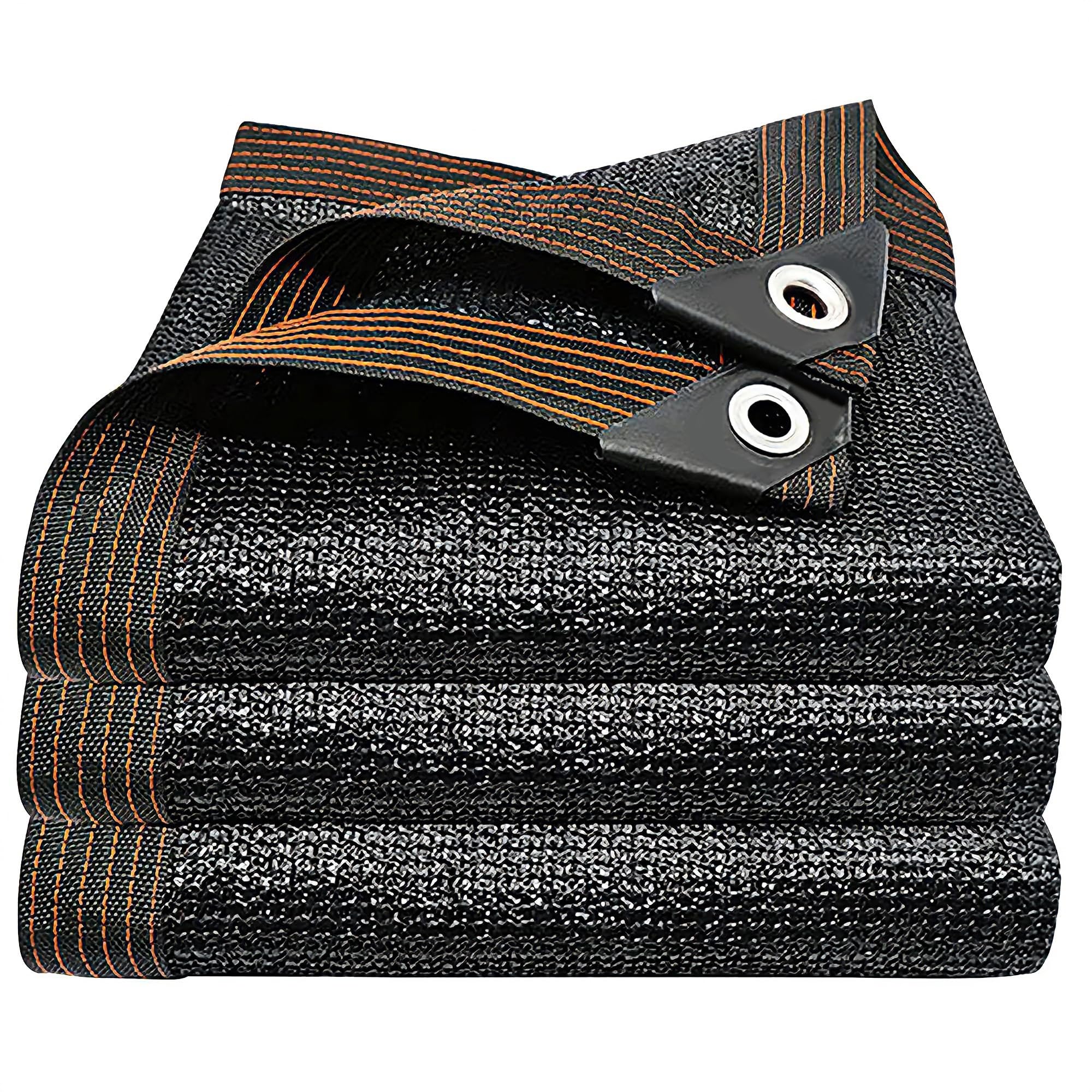
- Blocks 40% of sunlight but still lets air move through
- Reinforced edges and grommets help prevent rips
- Lightweight, durable HDPE material
Cons
- Shade percentage might be a little less than expected
- Not the thickest or most rugged netting
- Size can shift a bit due to fabric stretch
We tried this netting in our greenhouse—temperatures felt more manageable, and the 40% coverage hit a sweet spot. The grommets along the edge made setup quick, and the reinforced corners kept it in place during gusty afternoons. When you weigh everything together, nothing else in this roundup comes close.
Best mesh option

- Fine mesh blocks dust and small bugs
- Lets water and air through—you don’t have to remove it to water
- Lightweight, UV-resistant, and lasts for several seasons
Cons
- No grommets or frame, so setup takes some effort
- Some insects might still sneak in
- Shade level may need doubling for really hot days
We used the FARAER netting for small veggie beds and fruit trees. The fine mesh kept out birds and most dust, but enough light and moisture still reached the plants. If you’re after a reusable cover and don’t mind a little extra setup, this one’s a practical pick.
Best for large areas
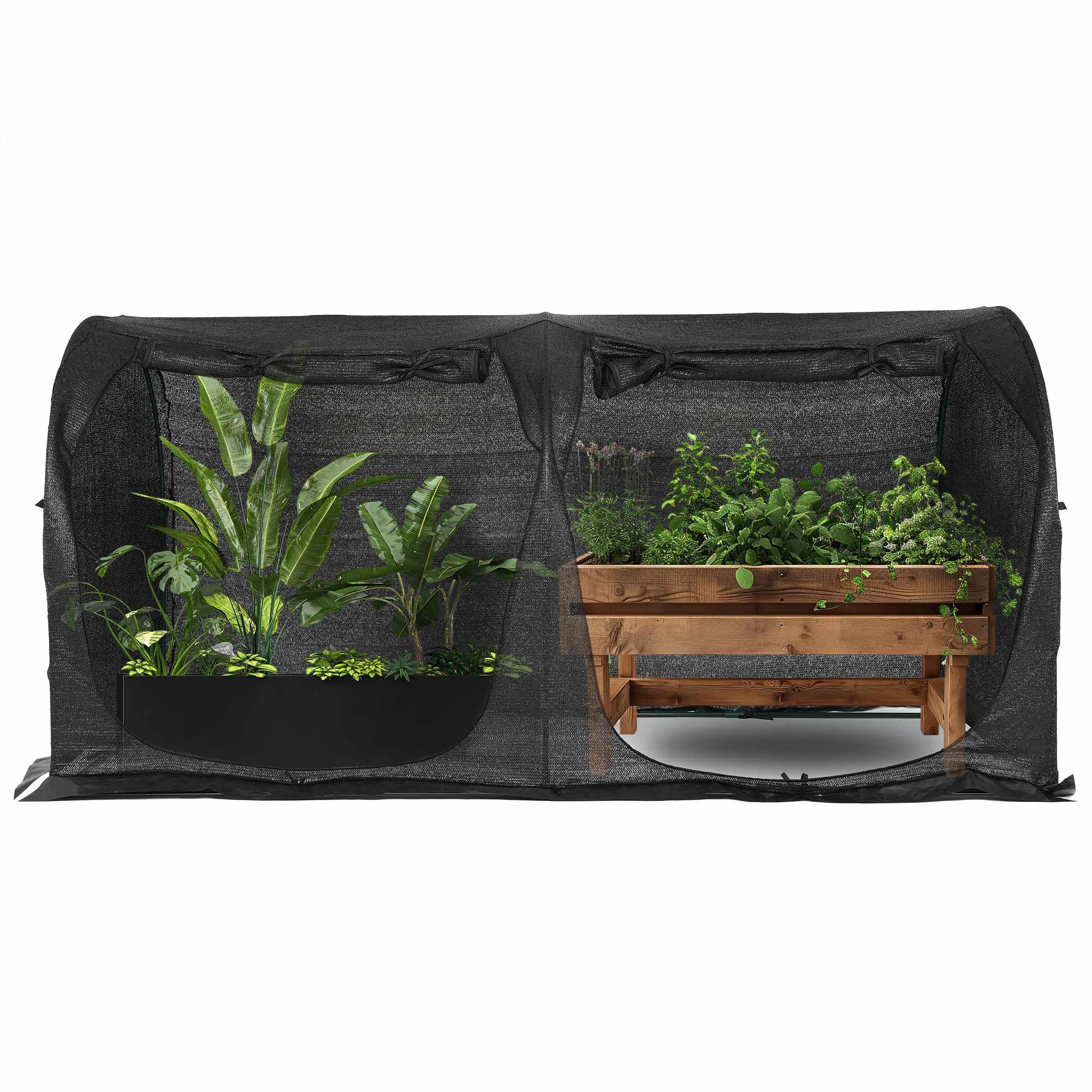
- Blocks up to 80% of sunlight, so plants don’t get scorched
- Large size covers a lot, comes with a carry bag
- Helps with wind and sand, and adds some privacy
Cons
- Frame feels a little flimsy—wind can break it
- Not ideal for stormy or super windy spots
- Only comes in black, so not much choice for color
Setting up the Porayhut tunnel was effortless. We used it for squash and young peppers, and the shade really helped reduce heat stress. If you’re in a sunny but not-too-windy area, this netting keeps plants cool and is easy to move around.
Best lightweight option
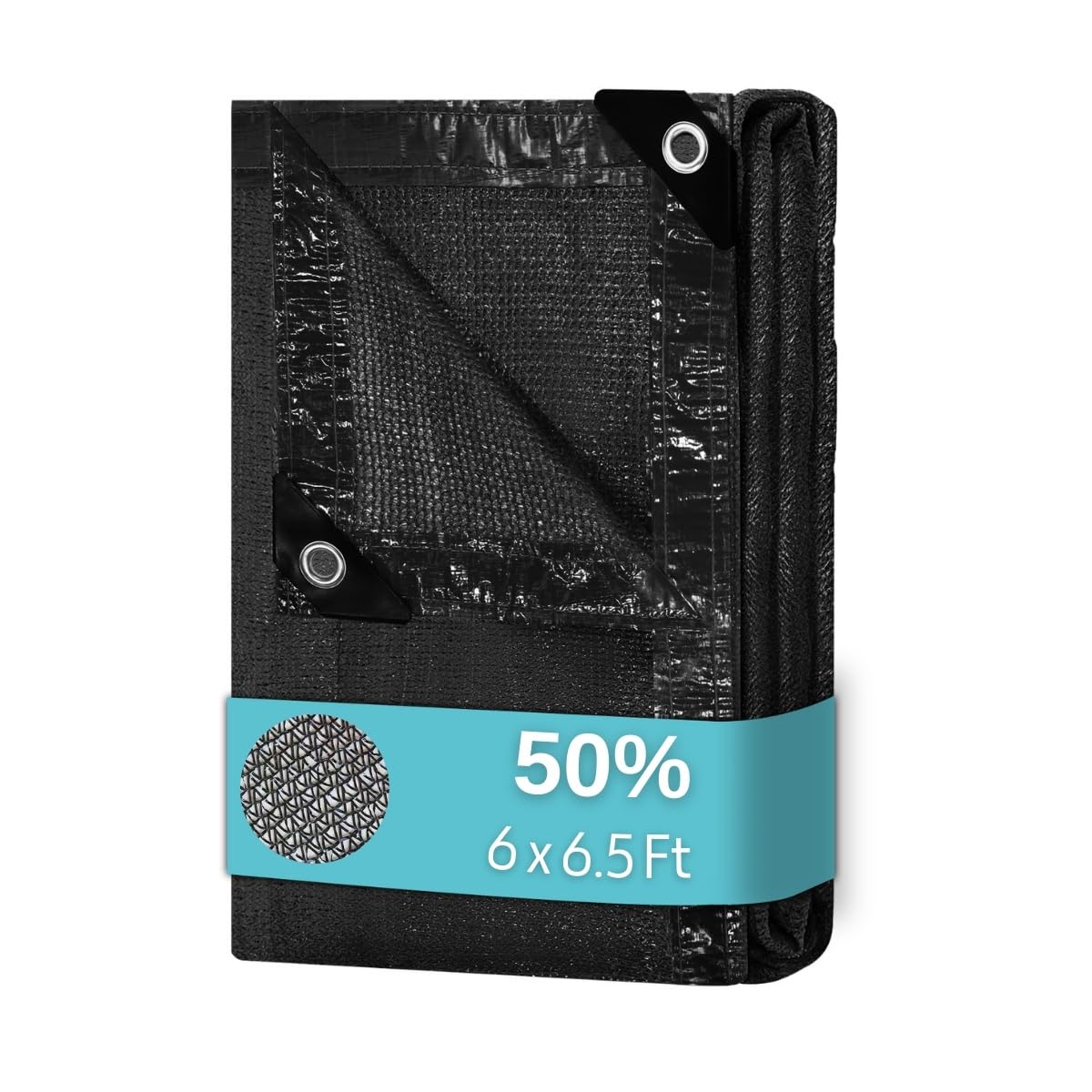
- Blocks about half the sunlight, so shade and light stay balanced
- Reinforced edges and strong grommets make it sturdy
- Lightweight and installs easily almost anywhere
Cons
- Not many grommets, so tying it down can be tricky
- Doesn’t keep out rain—it’s not water-resistant
- May stretch or tear in strong wind or if overloaded
We liked the 50% shade for plants needing relief from direct sun but still craving good airflow . It felt breathable, which helped prevent overheating. It’ll handle most weather, but don’t expect miracles in a storm.
Best fabric option
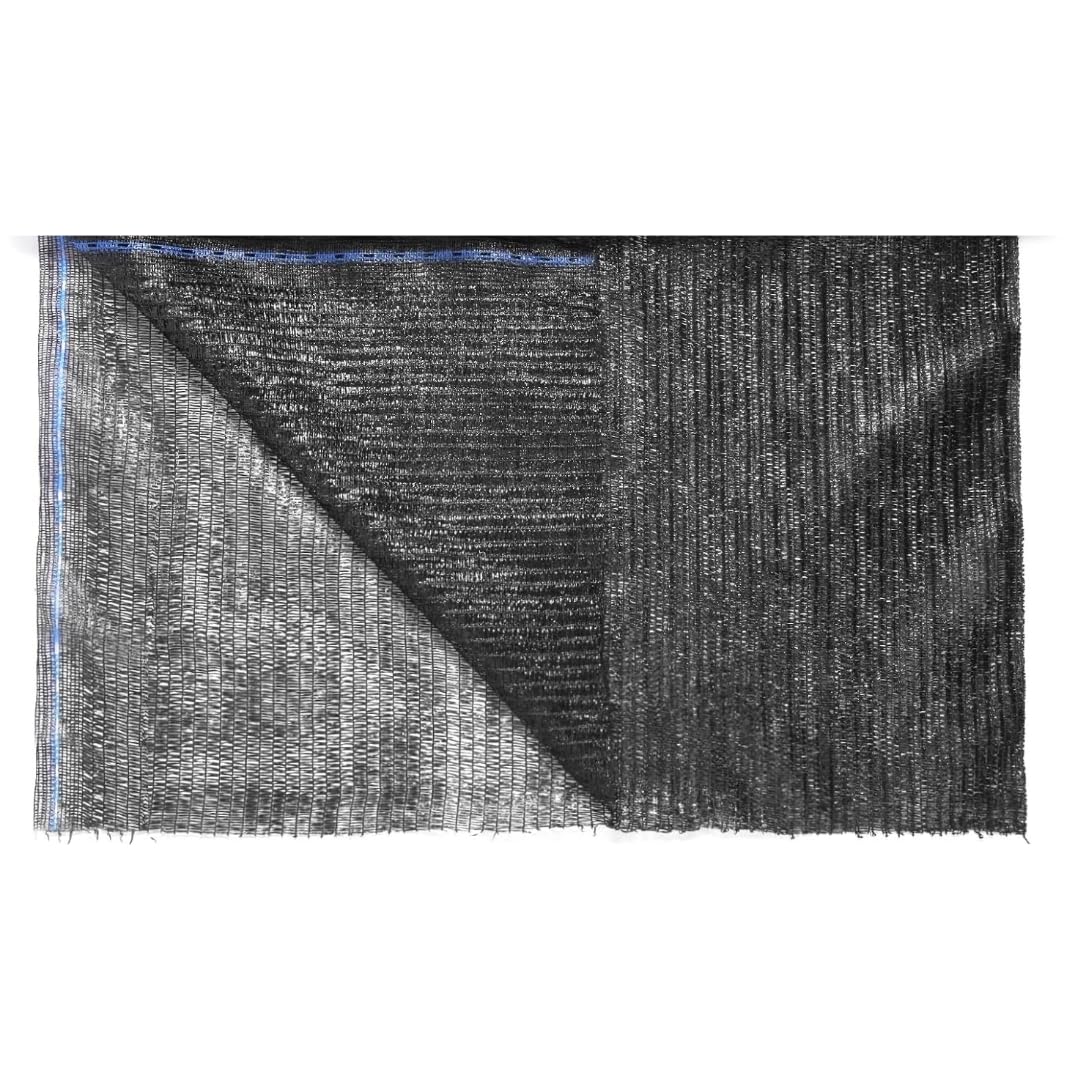
- Tough HDPE fabric handles outdoor use
- Pre-cut size fits most beds and greenhouses
- Blue eyelets make installation simple
Cons
- Material feels lighter than expected for really harsh weather
- Might not hold up in extreme heat for years
- Only available in 40% shade, which won’t suit every plant
We liked how easy it was to work with the WindscreenSupplyCo cloth. If you need a mid-level shade with quick setup, this one’s a solid bet. It fills its role beautifully and won’t leave you second-guessing your purchase.
Buying Guide
When picking shade netting for native plant farms, we put durability and material quality at the top of the list. The fabric really ought to be UV-resistant, since that’s what shields your plants from harsh sun and helps the netting survive unpredictable weather.
Shade percentage matters, too, and it’s not a one-size-fits-all thing. Different plants crave different amounts of sunlight, so nets usually range from 30% to 90% shading.
Choosing the right percentage feels like a balancing act, but it can make or break your growing environment. There’s some trial and error here, honestly.
Size and weight come into play, especially for bigger farms. Larger spaces need wider, heavier nets to give decent coverage and stay put.
Lightweight nets are easier to move around, but they might not hold up if you get strong winds or heavy rain. Sometimes, convenience just isn’t enough.
It’s worth thinking about installation, too. Nets with reinforced edges and built-in grommets make setup effortless and tend to last longer.
We usually lean toward nets that you can install quickly and securely. No one wants to spend hours wrestling with tangled fabric.
| Feature | What to Look For | Why It Matters |
|---|---|---|
| Material | UV-stabilized polyethylene or similar material | Durability against sun and weather |
| Shade Percentage | Between 30% to 90% | Matches plant light requirements |
| Size & Weight | Appropriate for farm scale | Easier handling; withstands weather |
| Installation | Reinforced edges, grommets | Faster, secure setup |
Don’t forget about air circulation. Shade netting needs to let air move through, or you’ll end up with mold and overheated plants.
Striking the right balance between shade and ventilation really does make a difference for plant health. It’s something you can’t afford to overlook.
My neighbor has been doing this for years and her yard looks amazing. Time for me to give it a shot.