
4 Best Eco-Friendly Planters for Sustainable Living: Top Choices for Green Gardening
We independently select all products and services. If you click through links we provide, Plant Native may earn a commission with no extra cost to you. As an Amazon Associate I earn from qualifying purchases.
Last updated: September 10, 2026
Eco-friendly planters are gaining popularity among gardening enthusiasts and environmentally conscious individuals. These sustainable containers offer a way to grow plants while minimizing environmental impact.
By choosing eco-friendly planters, we can reduce plastic waste and support more sustainable manufacturing practices.
When selecting an eco-friendly planter, it’s important to consider the material, durability, and production process.
Many sustainable planters are made from recycled materials, biodegradable substances, or renewable resources. Some options include recycled plastic, bamboo, coconut coir, and reclaimed wood.
We researched and tested numerous eco-friendly planters to find the best options for sustainable living. Our top picks combine durability, functionality, and environmental responsibility to help you create a greener garden or indoor plant display.
Best Eco-Friendly Planters for Sustainable Living
We’ve curated a list of the top eco-friendly planters that combine style with sustainability. These planters are made from environmentally conscious materials and offer a perfect way to green up your space while reducing your carbon footprint.
Our selection caters to various tastes and plant sizes, ensuring you’ll find the ideal planter for your eco-friendly gardening needs.
Our top pick
- Made from recycled or sustainably sourced materials
- Biodegradable options reduce long-term plastic waste in landfills
- Stylish designs complement both indoor and outdoor settings
Cons
- Biodegradable planters have a shorter lifespan than plastic or ceramic
- Limited color and style options compared to conventional planters
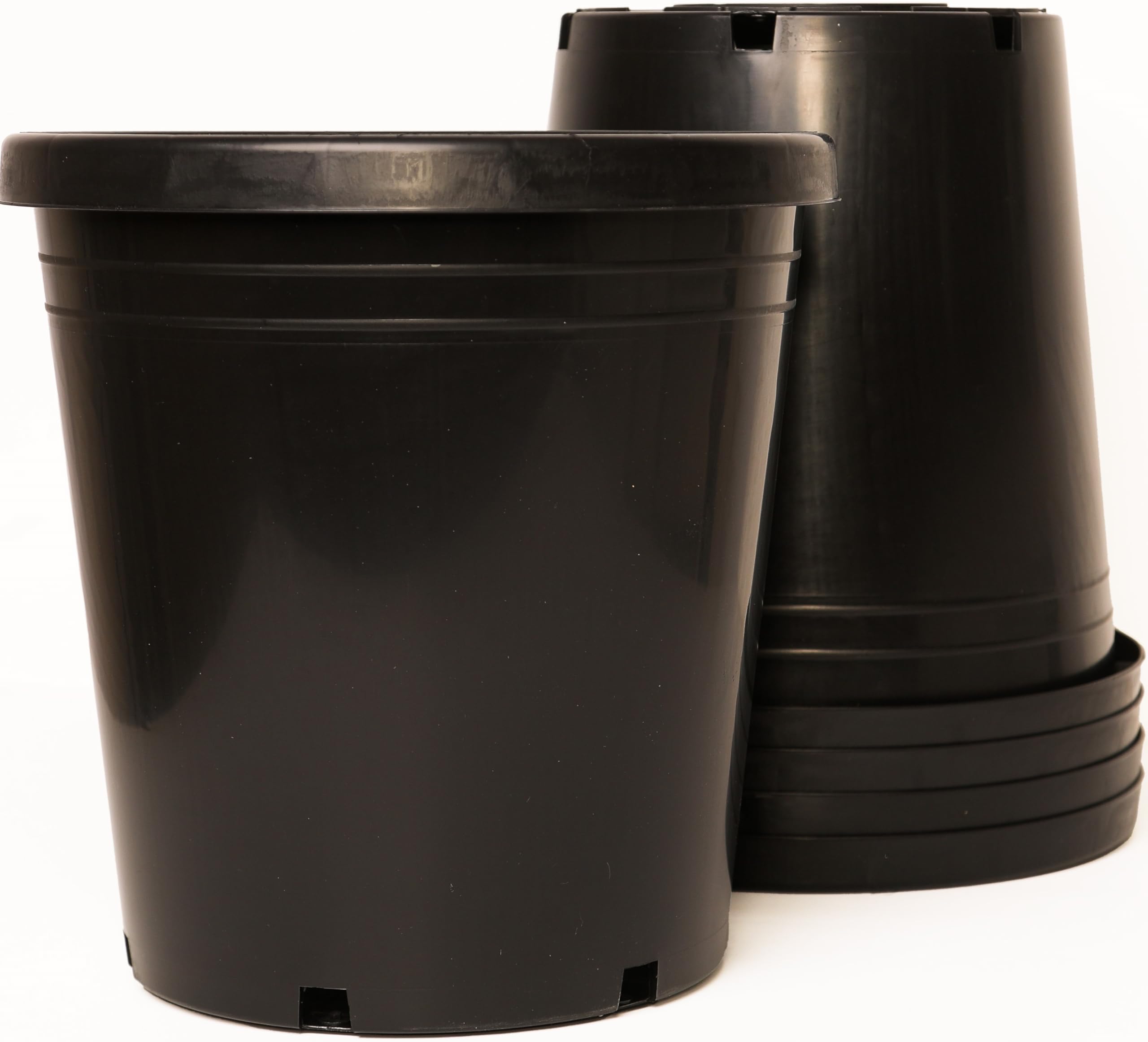
The 5-gallon capacity is perfect for a wide range of plants, from herbs to small shrubs. If you want the best all-around option, look no further. We’ve been using these Ecobloom nursery pots for several months now, and they’ve quickly become our go-to planters for both indoor and outdoor gardening.
Most versatile
- Made from recycled or sustainably sourced materials
- Biodegradable options reduce long-term plastic waste in landfills
- Stylish designs complement both indoor and outdoor settings
Cons
- Biodegradable planters have a shorter lifespan than plastic or ceramic
- Limited color and style options compared to conventional planters
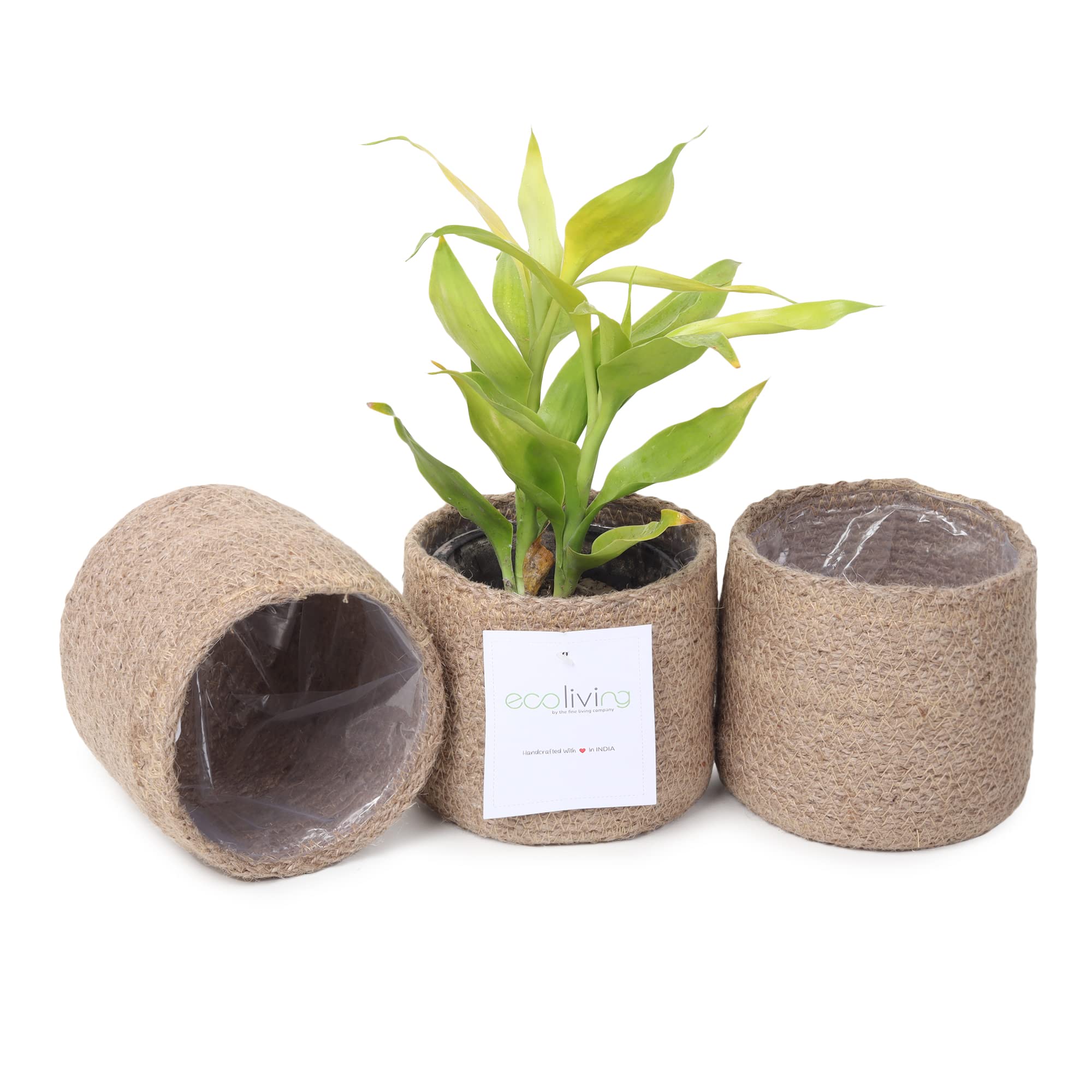
The planters fit 4-inch pots snugly, making them ideal for small succulents and herbs. While primarily designed for plants, we found these jute baskets to be surprisingly versatile. Its versatility makes it a true Swiss Army knife for your garden.
Best for indoors
- Made from recycled or sustainably sourced materials
- Biodegradable options reduce long-term plastic waste in landfills
- Stylish designs complement both indoor and outdoor settings
Cons
- Biodegradable planters have a shorter lifespan than plastic or ceramic
- Limited color and style options compared to conventional planters
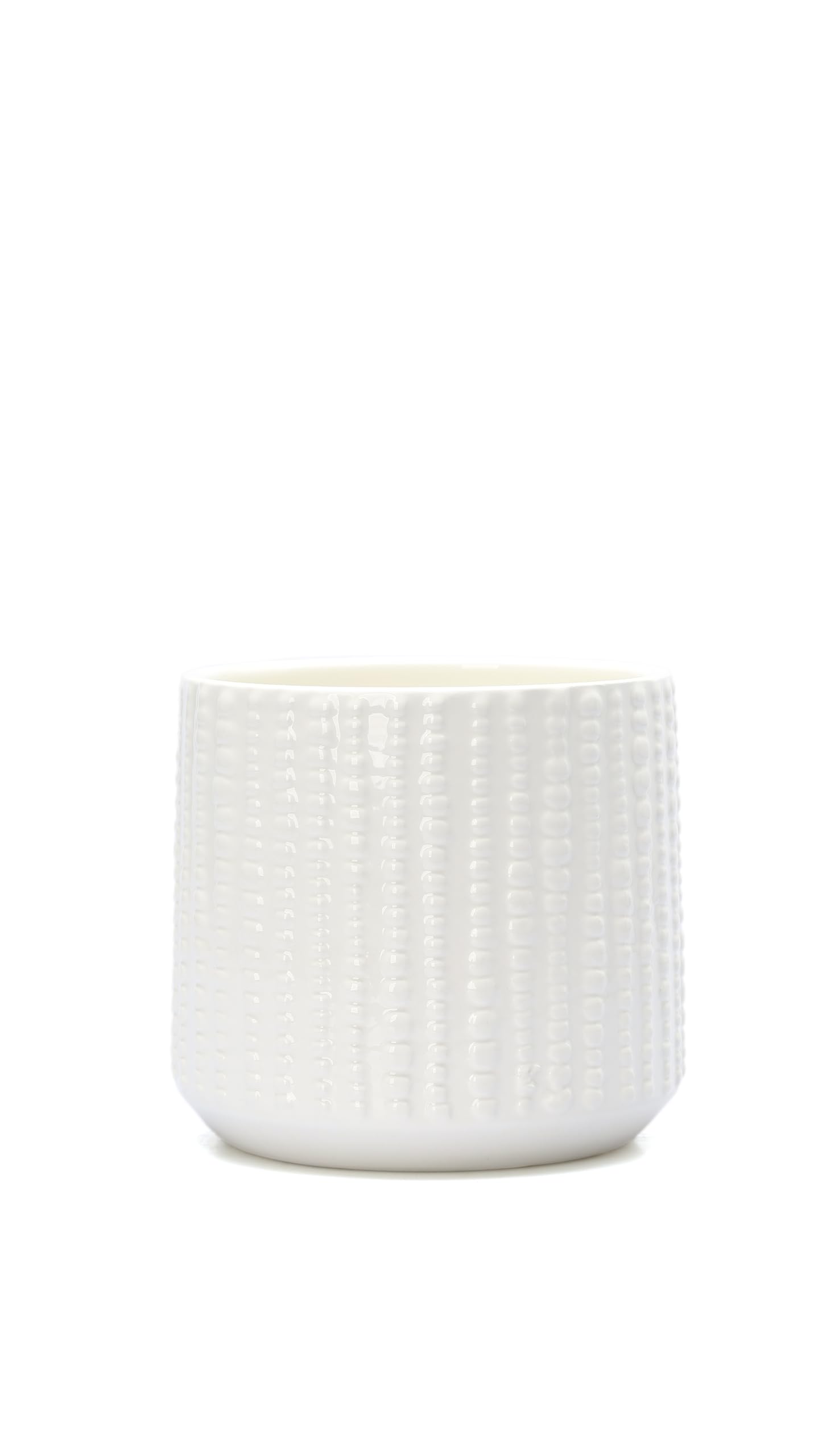
The 5-inch diameter pot strikes a perfect balance between compact and practical, making it ideal for small succulents, herbs, or decorative plants. The air permeability of the pot promotes healthy root growth, which we noticed in our plants over time. If your garden lives inside, this is purpose-built for the job.
Best heavy-duty option
- Made from recycled or sustainably sourced materials
- Biodegradable options reduce long-term plastic waste in landfills
- Stylish designs complement both indoor and outdoor settings
Cons
- Biodegradable planters have a shorter lifespan than plastic or ceramic
- Limited color and style options compared to conventional planters
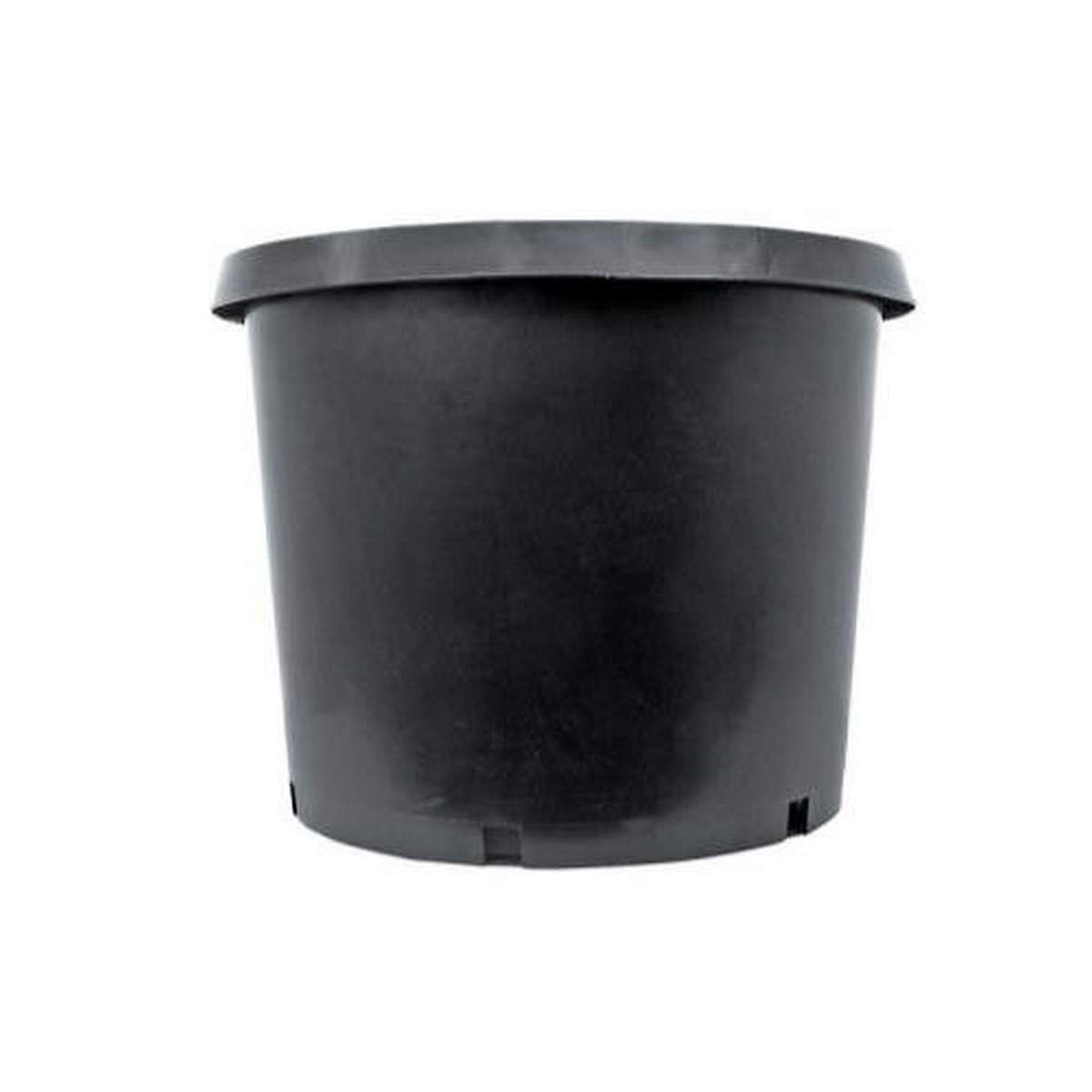
We found the impact-modified plastic to be noticeably tougher than standard pots, giving us confidence it would withstand outdoor use and frequent moves. The 5-gallon capacity provided ample room for root growth, making it ideal for larger vegetables and small trees. When selecting eco-friendly planters, we recommend considering several key factors to ensure you make the best choice for sustainable living.
Buying Guide
When selecting eco-friendly planters, we recommend considering several key factors to ensure you make the best choice for sustainable living.
Materials
Look for planters made from renewable or recycled materials:
- Bamboo
- Recycled plastic
- Reclaimed wood
- Biodegradable materials
Durability
Choose planters that will last for years to reduce waste. Check for:
- UV resistance
- Frost resistance
- Sturdy construction
Size and Drainage
Select planters that suit your plants’ needs:
| Feature | Importance |
|---|---|
| Proper drainage holes | Essential for plant health |
| Adequate depth | Allows root growth |
| Appropriate width | Accommodates plant spread |
Production Process
Consider how the planter is manufactured:
- Low-impact production methods
- Minimal use of chemicals
- Local manufacturing to reduce transportation emissions
End-of-Life Options
Think about what happens when the planter is no longer usable:
- Fully biodegradable
- Recyclable components
- Compostable materials
By keeping these factors in mind, we can choose planters that align with our sustainability goals and support a greener lifestyle.
customers at the garden center ask for kneelers and easy-grip trowels a lot. i’ll share this list.
We appreciate that, David! Happy gardening! 🌿 -Plant Native Team