
Animals That Live in the Desert Biome: A Comprehensive Guide
Last updated: September 13, 2026
The desert biome is a harsh and unforgiving environment, with extreme temperatures, scarce water sources, and little vegetation. Despite these challenges, many animals have adapted to survive in this environment. These animals have developed unique adaptations that allow them to thrive in the desert biome.
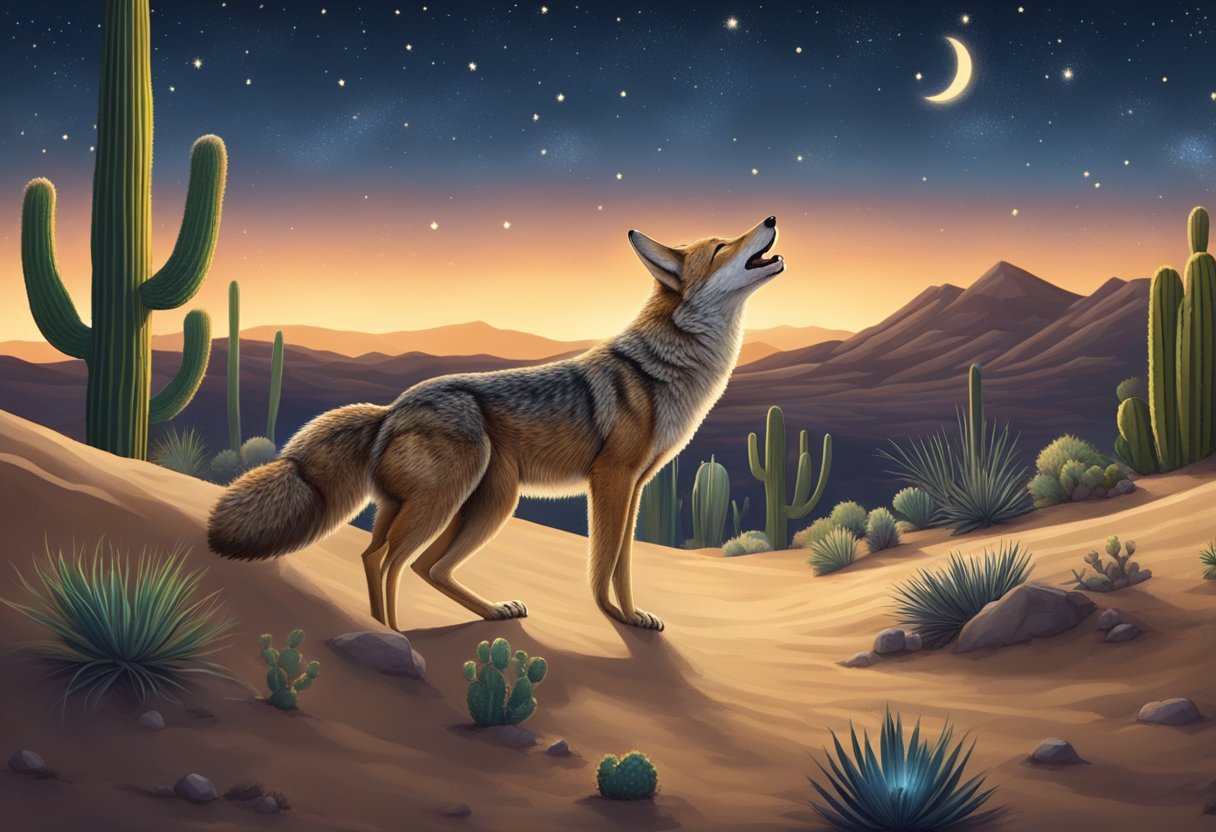
Desert animals come in a wide variety of shapes and sizes, from the smallest insects to the largest mammals. Some of the most well-known desert animals include camels, snakes, scorpions, and lizards. Each of these animals has developed unique adaptations that allow them to survive in the harsh desert environment.
One of the most important adaptations for desert animals is the ability to conserve water. Many desert animals have developed ways to store water, such as humps on camels or specialized kidneys in reptiles. Other adaptations include the ability to burrow underground to escape the heat, or to regulate body temperature through behaviors such as basking in the sun or seeking shade. Overall, the adaptations of desert animals are a testament to the incredible resilience and adaptability of the natural world.
Desert Wildlife and Habitats
The desert biome is home to a diverse range of animals that have adapted to survive in the harsh and arid conditions. These animals have evolved unique characteristics and behaviors that allow them to thrive in the desert environment.
Mammalian Inhabitants
Mammals that inhabit the desert biome include the fennec fox, meerkat, addax, camels, kangaroo rat, and jerboa. These animals have adapted to the desert environment by developing specialized physical and behavioral traits. For example, the fennec fox has large ears that help it dissipate heat and locate prey, while the kangaroo rat has specialized kidneys that allow it to survive without drinking water.
Many desert mammals live in burrows, which provide protection from predators and help regulate their body temperature. They are also often nocturnal or crepuscular, meaning they are active during the cooler hours of the day and night.
Reptiles and Amphibians
Reptiles and amphibians that inhabit the desert biome include the desert tortoise, scorpions, gila monster, and desert iguana. These animals have adapted to the desert environment by developing specialized physical and behavioral traits. For example, the desert tortoise can store water in its bladder and can survive for months without drinking, while the gila monster has venomous saliva that it uses to subdue prey.
Many desert reptiles and amphibians are also nocturnal or crepuscular, and they often seek shelter during the hottest parts of the day.
Birds of the Desert
Birds that inhabit the desert biome include the roadrunner and greater roadrunner. These birds have adapted to the desert environment by developing specialized physical and behavioral traits. For example, the roadrunner has long legs that allow it to run quickly on the ground, while the greater roadrunner can fly short distances to escape predators.
Many desert birds are also opportunistic feeders and will eat a variety of insects and small animals.
Insects and Arachnids
Insects and arachnids that inhabit the desert biome include ants, deathstalker scorpion, and tarantula. These animals have adapted to the desert environment by developing specialized physical and behavioral traits. For example, ants have evolved a social structure that allows them to efficiently forage for food, while the deathstalker scorpion has venomous stingers that it uses to subdue prey.
Many desert insects and arachnids are also active during the cooler hours of the day and night, and they often seek shelter during the hottest parts of the day.
Adaptation Strategies
Animals that live in the desert biome have developed various adaptation strategies to survive in the harsh and extreme environment. These strategies include water conservation, thermoregulation, and feeding and hunting techniques.
Water Conservation
Water is a scarce resource in the desert, so animals have developed various ways to conserve it. Some animals, such as the kangaroo rat, do not drink water at all and get all the moisture they need from the seeds they eat. Other animals, like the desert tortoise, store water in their bladder and can survive for months without drinking. Some animals, like the fennec fox, have large ears that help them dissipate heat and reduce water loss.
Thermoregulation
Desert temperatures can be extreme, with scorching hot days and freezing cold nights. Animals have developed various ways to regulate their body temperature. Some animals, like the sidewinder rattlesnake, burrow underground during the day to stay cool and come out at night to hunt. Other animals, like the desert iguana, bask in the sun during the day to warm up and hide in burrows at night to stay warm.
Feeding and Hunting
Food can be scarce in the desert, so animals have developed various ways to find it. Some animals, like the desert bighorn sheep, are herbivores and can survive on tough desert plants. Other animals, like the scorpion, are carnivores and hunt at night when prey is more active. Some animals, like the desert owl, have adapted to eat seeds and insects to survive.
Overall, animals that live in the desert biome have developed unique and effective adaptation strategies to survive in the harsh environment. These strategies have allowed them to thrive and continue to exist in one of the most extreme places on Earth.
Reptiles and Amphibians of the Desert
Reptiles are arguably the most successful desert dwellers — their cold-blooded physiology actually gives them advantages in extreme heat, as they don’t need to generate their own body heat. Notable desert reptiles include:
- Gila Monster (Heloderma suspectum): One of only two venomous lizards native to North America. Stores fat in its tail to survive months without food. Found in the Sonoran Desert.
- Desert Tortoise (Gopherus agassizii): Can live 50-80 years and survives without drinking water for up to a year, extracting moisture from plants.
- Sidewinder Rattlesnake: Its unusual sidewinding movement keeps maximum contact with hot sand to a minimum, reducing heat absorption.
- Collared Lizard: Can run on its hind legs at speeds up to 16 mph and is highly territorial.
- Spadefoot Toads: Remarkable amphibians that spend most of the year underground in a state of dormancy (estivation), only emerging after heavy rains to breed in temporary pools.
Desert Birds — Masters of Adaptation
Birds have developed some remarkable strategies for thriving in desert heat:
- Roadrunner (Geococcyx californianus): Can run up to 20 mph and prefers running to flying. Eats snakes, lizards, and scorpions. Absorbs morning sun through dark back patches to warm up quickly.
- Elf Owl (Micrathene whitneyi): The world’s smallest owl, often nests in saguaro cactus cavities. Nocturnal to avoid daytime heat.
- Cactus Wren: The state bird of Arizona, builds large dome-shaped nests in chollas and saguaros. Active during the day — tolerates temperatures that would be fatal to many other birds.
- Gila Woodpecker: Excavates nest holes in saguaro cacti, which the saguaro seals with a hard shell — the dried shell is so durable that Native Americans used them as water containers.
- Vultures: Essential desert cleanup crew. Cool themselves by urinating on their legs (urohidrosis) and can soar for hours without flapping, searching for carrion.
Desert Insects and Arachnids
The smallest desert residents are often the most numerous, and their adaptations are extraordinary:
- Scorpions: Fluoresce under UV light (useful for finding them at night). The bark scorpion is the most venomous in North America. Can survive being frozen solid and thawing out unharmed.
- Tarantulas: Desert tarantulas can live 20-30 years and survive months without food. Males wander in search of mates in late summer and fall.
- Desert Ants: Navigate precisely using the sun as a compass and can remember the direction and distance traveled. Active even in extreme heat when most predators avoid midday temperatures.
- Hawk Moths: Pollinate night-blooming cacti and other desert plants. Their long proboscis reaches deep into tubular flowers.
How Desert Animals Find Water
Water scarcity is the defining challenge of desert life. Animals have evolved diverse strategies:
- Metabolic water production: Many desert rodents (like kangaroo rats) extract water from seeds through the chemical process of digestion — they rarely if ever drink liquid water
- Fog collection: The Namib Desert beetle tilts its body into morning fog, collecting water droplets that run down its back to its mouth
- Dew lapping: Some lizards have textured skin that channels dew drops toward their mouths
- Cactus moisture: Coyotes, javelinas, and tortoises eat prickly pear pads and fruit for their water content
- Deep water access: Camels can detect subsurface water and are known to dig with their hooves to access it
Key Takeaways
- Desert animals use behavioral, physiological, and structural adaptations to survive extreme conditions
- Nocturnal behavior is one of the most common strategies — avoiding peak heat by being active at night
- Water conservation adaptations include concentrated urine, waxy skin, and metabolic water production
- Many desert animals are specialized for specific microhabitats — burrows, cacti, rocky outcrops
- The food web is tightly connected — changes to one species can ripple through the entire desert ecosystem
Frequently Asked Questions
What is the most dangerous animal in the desert?
It depends on the desert and the context. In North American deserts, the Gila monster and bark scorpion are venomous concerns, though human fatalities are extremely rare. In African deserts, the black mamba and puff adder are considered more dangerous. Globally, the Cape cobra in the Kalahari and various desert vipers across the Middle East and Central Asia cause more human deaths. However, statistically, dehydration and heat stroke pose far greater risks to humans in deserts than animal attacks.
How do desert animals stay cool?
Desert animals employ multiple cooling strategies: seeking shade or underground burrows during peak heat (behavioral thermoregulation), panting or sweating to release heat through evaporation, having large ears with blood vessels near the surface to radiate heat (as in the fennec fox and jackrabbit), being active only at dawn, dusk, or night, and having pale-colored coats that reflect solar radiation rather than absorbing it.
Do any mammals live in the desert?
Yes — many mammals have adapted to desert life. In North American deserts, you’ll find coyotes, mountain lions, peccaries (javelinas), kangaroo rats, pocket mice, bighorn sheep, mule deer, kit foxes, bobcats, and pronghorn antelopes. In African and Middle Eastern deserts, camels (now mostly domesticated), fennec foxes, addax antelopes, sand gazelles, and various species of bats are common. Mammals are generally less numerous than reptiles and insects in deserts because of their higher water requirements.
Interested in desert plants? Read our guide on ground cover plants for Arizona gardens and ideas for desert landscaping to complement your wildlife knowledge.

Never thought about how many desert animals have adaptations built around heat and scarce water.