
Are Petunias Toxic to Humans? A Comprehensive Guide
Last updated: September 7, 2026
Petunias are a popular flowering plant that can add vibrant colors to any garden. However, some people may wonder if these plants are toxic to humans. While it’s always important to be cautious around plants, the good news is that petunias are generally considered non-toxic to humans.
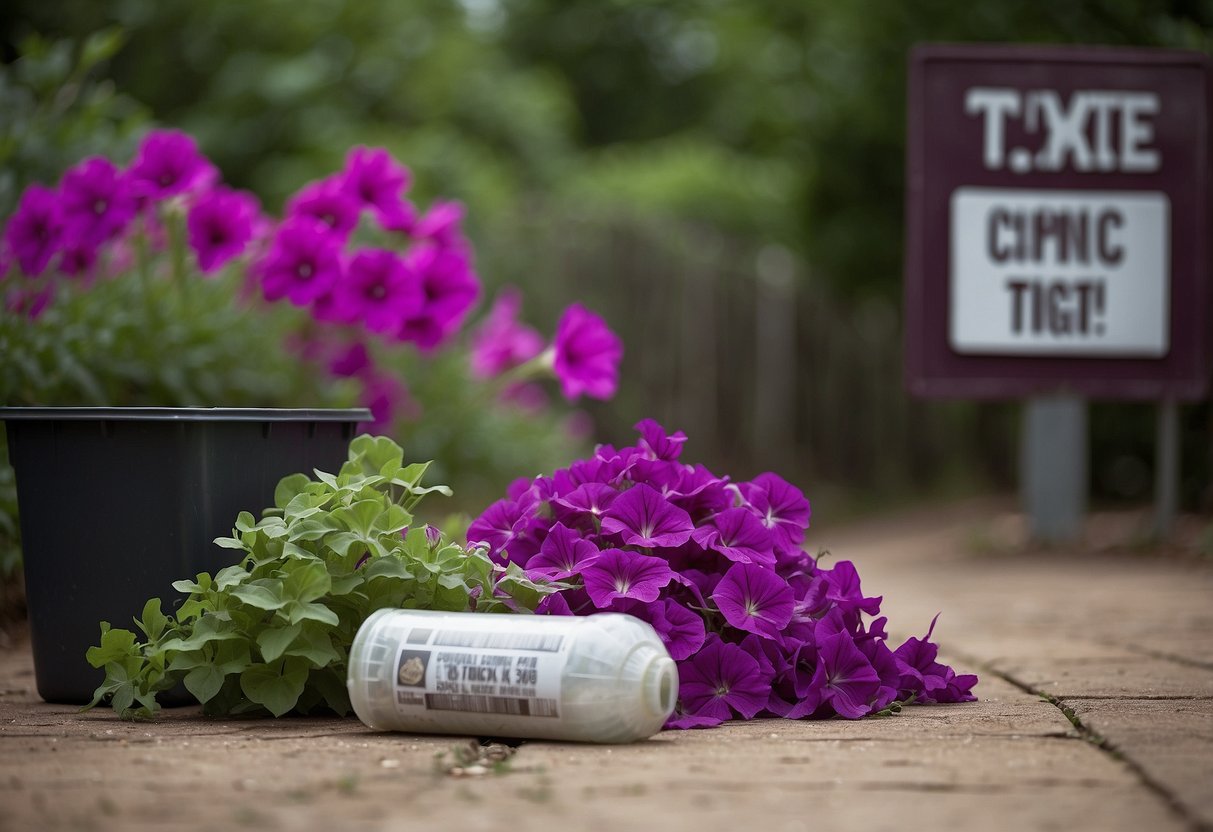
Petunias are part of the Solanaceae family, which includes other plants such as tomatoes, potatoes, and peppers. While some plants in this family can be toxic, petunias are not known to contain any harmful substances that could pose a threat to human health. In fact, petunias are sometimes used in cooking and as a garnish for dishes in some cultures.
That being said, it’s always a good idea to wash your hands after handling any plant material and to keep them out of reach of small children and pets. Additionally, some people may have allergies or sensitivities to certain plants, so it’s important to be aware of any reactions you may have when handling petunias.
Understanding Petunia Toxicity

Toxicity in Humans and Pets
Petunias are generally considered non-toxic to humans and pets, according to the ASPCA. However, it’s still important to practice good gardening habits and discourage the consumption of any plant material to prevent any accidental ingestion, particularly in young children or curious pets. While the risk of petunia poisoning is extremely low, it’s always wise to exercise caution.
Symptoms of Ingestion
Ingesting petunias may cause mild gastrointestinal upset, such as vomiting or diarrhea, in both humans and pets. However, these symptoms are generally not severe and should resolve on their own. If you or your pet experience more severe symptoms, such as difficulty breathing or swelling, seek medical attention immediately.
Petunia Varieties and Their Toxicity
All petunia varieties belong to the Solanaceae family, which also includes tomatoes, potatoes, and peppers. Some plants in this family contain alkaloids, which can be toxic in large amounts. However, petunias do not contain significant amounts of alkaloids and are generally considered non-poisonous plants.
While petunias are not considered edible, some varieties are grown specifically for their edible flowers and are safe for human consumption. These varieties include the grandiflora and multiflora types. However, it’s important to note that not all petunia varieties are safe to eat, and it’s always best to err on the side of caution and avoid consuming any plant material that you’re unsure of.
In summary, petunias are generally considered non-toxic to humans and pets, but it’s still important to practice good gardening habits and discourage the consumption of any plant material. If you or your pet experience any symptoms of ingestion, seek medical attention immediately.
Cultivating a Safe Garden with Petunias
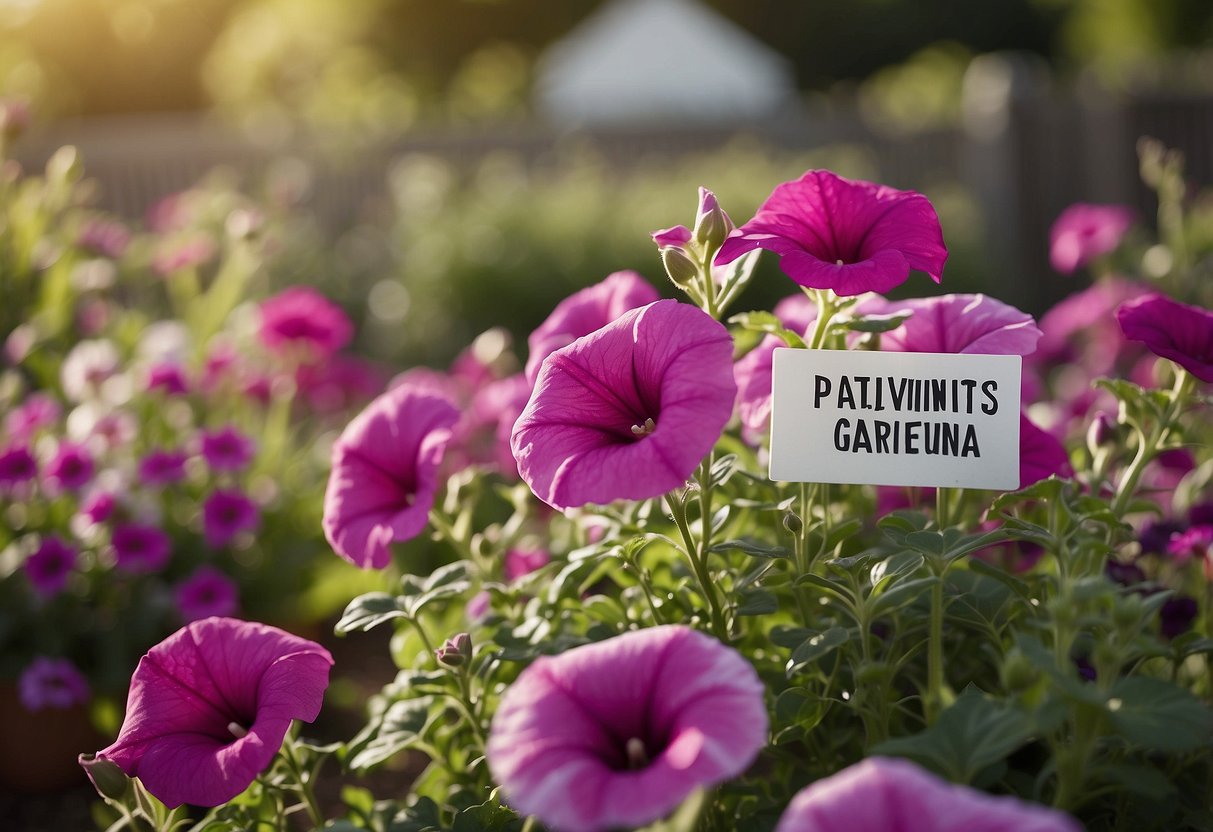
Petunias are popular annuals that produce trumpet-shaped flowers in a range of shades, from soft pinks and purples to bold limelight and prism sunshine. They are easy to grow and care for, making them a favorite among gardeners. However, it is important to note that while petunias are not toxic to humans, accidental ingestion can cause mild gastrointestinal upset. To prevent this, responsible gardening practices are necessary to ensure the safety of children and pets.
Gardening Precautions for Safety
To cultivate a safe garden with petunias, it is important to take certain precautions. First, petunias should be grown in a well-drained soil that receives full sun or partial shade. Fertilizing should be done in the spring, and pruning should be done regularly to encourage healthy foliage growth. In addition, vigilant monitoring is important to prevent disease and insecticide problems.
To ensure plant safety, gloves should be worn while handling petunias. The flowers should be kept out of reach of children and pets, and any accidental ingestion should be immediately addressed by seeking medical advice from a healthcare professional.
Creating Petunia-Friendly Outdoor Spaces
Creating a petunia-friendly outdoor space is easy. Window boxes and flower beds are ideal locations for petunias. These locations can be garnished with other non-toxic plants to create a beautiful and inviting garden. Consider planting pollinators such as butterflies and bees to add to the beauty of the garden.
Dispelling myths about petunias is important for responsible gardening. While petunias are not toxic to humans, they should be grown and cared for with minimal risk to prevent accidental ingestion. By following these simple precautions, gardeners can cultivate a safe garden with petunias that provides peace of mind and an enjoyable gardening experience.

Looking for a nursery that carries native petunias?
Browse our native plant nursery directory
Some of this might be region-specific. What works in the south doesn’t always apply up north.
Fair point, Justin. Every garden is different and results can definitely vary by region. Thanks for sharing your experience! -Plant Native Team
Good general info. I’d recommend also talking to your local extension office for area-specific advice.
Appreciate the honest feedback, Carol. Gardening is definitely more nuanced than any single article can cover. Local conditions play a huge role. -Plant Native Team