Looks Like a Raspberry: Identifying Wild Berries in Your Backyard
Last updated: October 24, 2026
Raspberries are a popular fruit that is enjoyed by many people around the world. They are known for their sweet taste and bright red color. However, there are many other plants that look like raspberries but are not actually raspberries. Some of these plants are edible, while others are not.
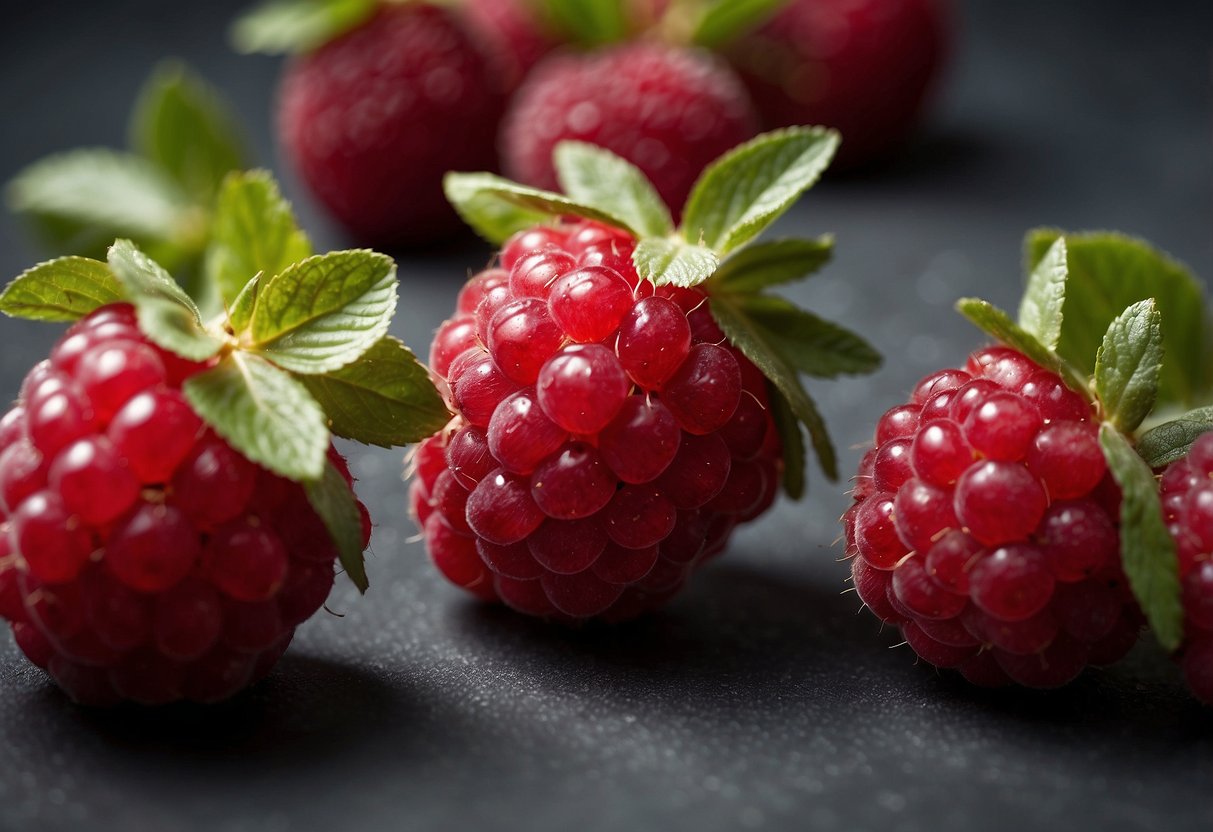
One of the plants that looks like raspberries is the strawberry madrone tree. This tree grows to be about 15 feet tall and produces round, red fruit that looks like raspberries. The fruit have a rough surface, almost like a lichi, and are edible. Strawberry madrone trees don’t really look like raspberry shrubs, but the fruit resemble raspberries to such an extent that it must be included in this list.
Another plant that looks like raspberries is the salmonberry. This bright golden or orange type of berry fruit looks like an orange raspberry and is edible. Despite their unusual appearance, salmonberries are packed with nutrients and are a great addition to any diet. In addition to being edible, salmonberries are also used for conservation and education purposes.
Identifying Raspberry Varieties
Raspberries are a popular fruit known for their sweet and tart flavor. They are also known for their distinct appearance, with their bright red color and small, round shape. However, not all raspberries look the same. In fact, there are many different varieties of raspberries, each with their own unique physical characteristics.
Physical Characteristics
Raspberry plants are typically identified by their leaves, flowers, stems, and thorns. The leaves of a raspberry plant are typically green and have serrated margins. They are arranged in a pattern of three to five leaflets on a single stalk. The flowers of a raspberry plant are typically white or pink and bloom in the spring. The stems of a raspberry plant are typically green or brown and have thorns. The thorns are typically small and sharp and can make harvesting raspberries difficult.
When raspberries are ripe, they are typically bright red in color and have a soft texture. Each raspberry is made up of many small, round drupelets that are arranged around a central receptacle. The drupelets have a slightly fuzzy texture and are filled with small, edible seeds.
Common Species and Hybrids
There are many different species and hybrids of raspberries, each with their own unique characteristics. Some of the most common species and hybrids of raspberries include:
- Red raspberries: These are the most common type of raspberry and are typically bright red in color.
- Black raspberries: These are a type of raspberry that are dark purple or black in color. They are typically smaller and sweeter than red raspberries.
- Golden raspberries: These are a type of raspberry that are yellow or gold in color. They are typically sweeter than red raspberries.
- Purple raspberries: These are a type of raspberry that are a cross between red and black raspberries. They are typically larger and sweeter than red raspberries.
Taxonomy and Botanical Relations
Raspberries belong to the Rubus genus, which is part of the Rosaceae family. This family also includes other popular fruits like strawberries, blackberries, and blueberries. Botanists have identified over 200 species of raspberries, many of which are found in North America.
In terms of taxonomy, raspberries are classified as subgenus Idaeobatus. This subgenus includes raspberries, blackberries, and dewberries. Raspberries are further divided into different sections based on their physical characteristics and genetic makeup.
While raspberries are relatively easy to identify, there are other fruits and plants that may look similar to raspberries. Some common lookalikes include elderberries, mulberries, and even some types of currants. It’s important to be able to identify the physical characteristics of raspberries in order to avoid confusion with these other plants.
Cultivation and Uses
Growing Raspberry Plants
Raspberry plants are relatively easy to grow and require little maintenance. They grow best in well-drained soil with a pH level between 5.5 and 6.5. Raspberry plants can be propagated by seed or by cuttings from existing plants. New plants should be planted in early spring or fall, and canes should be spaced 18 inches apart with about four feet between rows. Raspberry plants should be watered regularly, especially during dry spells, and should be fertilized periodically with a balanced fertilizer.
Raspberry Products
Raspberries are a delicious and versatile fruit that can be used in a variety of products. Raspberry jam, jelly, and syrup are popular products that can be made at home using fresh raspberries. Raspberries can also be used to make wine, and are often used in desserts such as pies, tarts, and cakes. In addition, raspberry leaves can be used to make tea.
Health Benefits and Nutrition
Raspberries are a good source of vitamin C, fiber, and other nutrients. They are also low in calories and have a tart taste and fleshy pulp. Raspberries are often used in smoothies and other health drinks, and can be eaten fresh or frozen. In addition to raspberries, other fruits such as grapes, tomatoes, and bananas are also good sources of vitamin C.