
Pine Trees of Alabama: A Comprehensive Guide to Species and Characteristics
Last updated: August 29, 2026
Pine trees are one of the most common tree species in Alabama and are an essential part of the state’s ecosystem. With six different types of pine trees, Alabama is home to a diverse range of species that contribute to the state’s wildlife and conservation efforts. These trees are not only important for their ecological value but are also used for various commercial purposes, including lumber, paper, and Christmas trees.
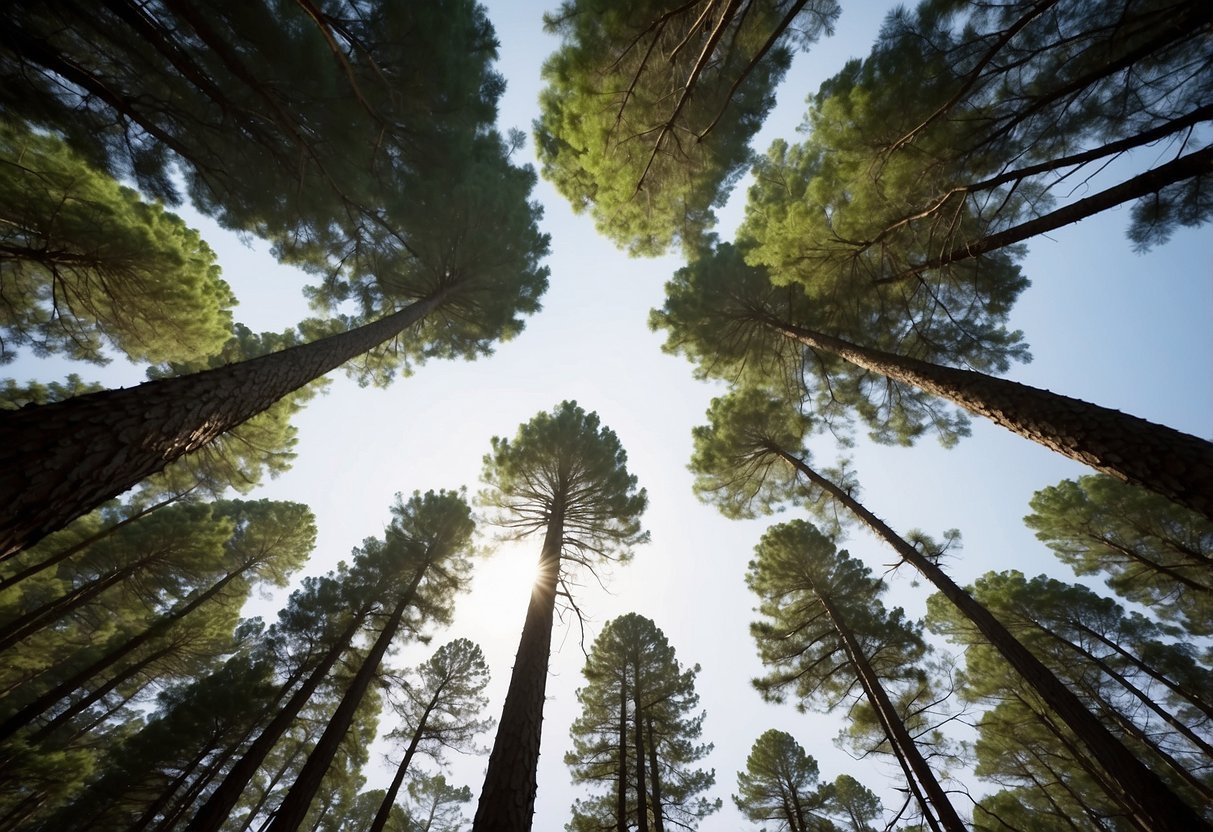
The Longleaf pine tree is the state tree of Alabama and is one of the most prominent species found in the state. This species has a unique ecosystem that supports a wide range of wildlife, including the endangered Red-cockaded Woodpecker. The Longleaf pine is also a popular choice for reforestation due to its ability to thrive in harsh environments and its resistance to pests and diseases.
Conservation efforts in Alabama have focused on restoring Longleaf pine forests, which have been declining due to urbanization and commercial development. The state has implemented several programs to protect and restore these forests, including the Longleaf Pine Initiative, which has helped restore over 870,000 acres of private land. These conservation efforts not only benefit the environment but also support the state’s economy by promoting sustainable forestry practices.
Diversity of Pine Species in Alabama
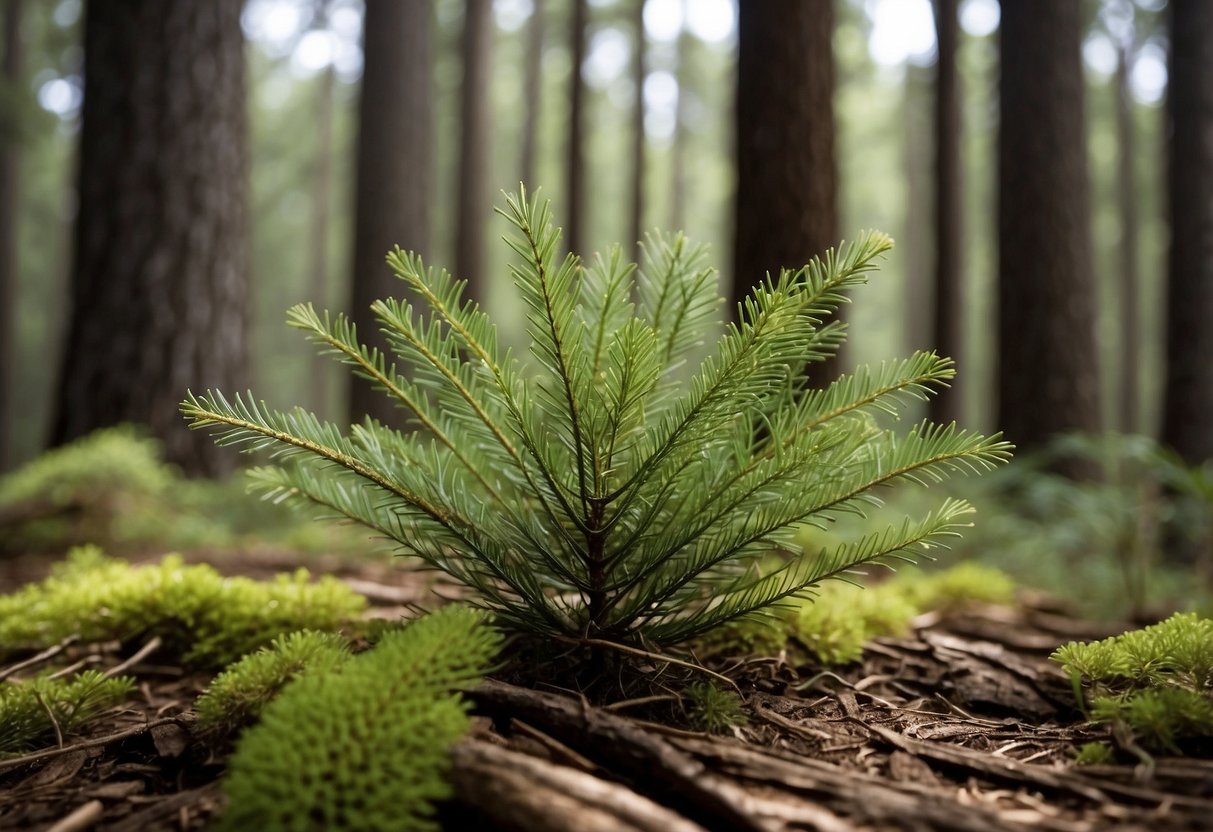
Alabama is home to a diverse range of pine species. Some of the most notable species include Longleaf Pine, Loblolly Pine, Shortleaf Pine, Sand Pine, Pond Pine, Eastern White Pine, Pinus Clausa Chapm Ex Engelm, Pinus Serotina Michx, Pinus Strobus L, Alabama Pine, Florida Spruce Pine, Southern Yellow Pine, Longleaf Yellow Pine, and Northern White Pine.
Longleaf Pine: Pinus Palustris Mill
Longleaf Pine is one of the most iconic pine species in Alabama and is also the state tree. It is a slow-growing species that can live up to 500 years. The needles of Longleaf Pine are long and flexible, and the tree is known for its ability to withstand fires. Longleaf Pine forests are home to a variety of wildlife, including the endangered Red-cockaded Woodpecker.
Loblolly Pine: Pinus Taeda
Loblolly Pine is another common species found in Alabama. It is a fast-growing species that can reach up to 100 feet in height. The needles of Loblolly Pine are shorter than those of Longleaf Pine, and the tree is known for its strong wood, which is used for a variety of purposes, including construction and paper production.
Shortleaf Pine: Pinus Echinata Mill
Shortleaf Pine is a medium-sized tree that can grow up to 100 feet in height. It is a hardy species that can tolerate a variety of soil types and is often found in mixed forests. The wood of Shortleaf Pine is used for a variety of purposes, including furniture, flooring, and pulpwood.
Other Notable Pines
In addition to Longleaf Pine, Loblolly Pine, and Shortleaf Pine, there are several other notable pine species found in Alabama. Sand Pine, Pond Pine, and Eastern White Pine are all species that are adapted to specific habitats and are found in certain areas of the state. Pinus Clausa Chapm Ex Engelm, Pinus Serotina Michx, and Pinus Strobus L are other species that can be found in Alabama, but they are less common. Alabama Pine, Florida Spruce Pine, Southern Yellow Pine, Longleaf Yellow Pine, and Northern White Pine are also species that can be found in Alabama, but they are not as widespread as Longleaf Pine, Loblolly Pine, and Shortleaf Pine.
Overall, the diversity of pine species in Alabama is a testament to the state’s rich natural heritage. Each species has its own unique characteristics and plays an important role in the ecosystem.
Conservation and Economic Significance
Habitat and Wildlife Preservation
The longleaf pine ecosystem in Alabama is a vital wildlife habitat, providing shelter and food for a diverse range of species. However, due to the drastic reduction of the longleaf pine forest, many species are now endangered, including the red-cockaded woodpecker. To address this issue, conservation efforts have been put in place to restore and protect the longleaf pine ecosystem. The U.S. Fish and Wildlife Service and the Natural Resources Conservation Service (NRCS) have been working with agricultural producers and conservation partners to restore longleaf forests through the Longleaf Pine Initiative (LLPI).
Timber and Paper Industries
The timber and paper industries are important to Alabama’s economy. The longleaf pine is a valuable timber species, known for its strength and durability. It is used for a variety of purposes, including construction, furniture, and flooring. The longleaf pine is also used in the production of paper, pulp, and other wood products.
Environmental Challenges and Solutions
The longleaf pine ecosystem faces a number of environmental challenges, including invasive species, disease, and wildfires. To address these challenges, reforestation efforts have been put in place, along with prescribed burning to maintain the health of the forest. In addition, the NRCS provides technical and financial assistance to help landowners implement conservation practices that benefit the longleaf pine ecosystem and promote biodiversity.
In conclusion, the longleaf pine ecosystem in Alabama is a vital wildlife habitat and an important economic resource. Conservation efforts are necessary to protect the long-term health of the ecosystem, while also supporting the timber and paper industries. Through reforestation, prescribed burning, and other conservation practices, the longleaf pine can continue to thrive in Alabama for generations to come.

six kinds of pine in alabama with longleaf as the state tree, a good clear summary.