
Vegetable Planting Guide Minnesota: Essential Tips for Successful Growing Seasons
Last updated: September 9, 2026
Gardening in Minnesota isn’t exactly a walk in the park. The short growing season and those brutal winters mean timing matters a lot.
Knowing when to plant each vegetable can be the difference between a big harvest and, well, disappointment. The best time to start planting most vegetables in Minnesota is from mid-April to early June, but it really depends on the crop and your local climate.
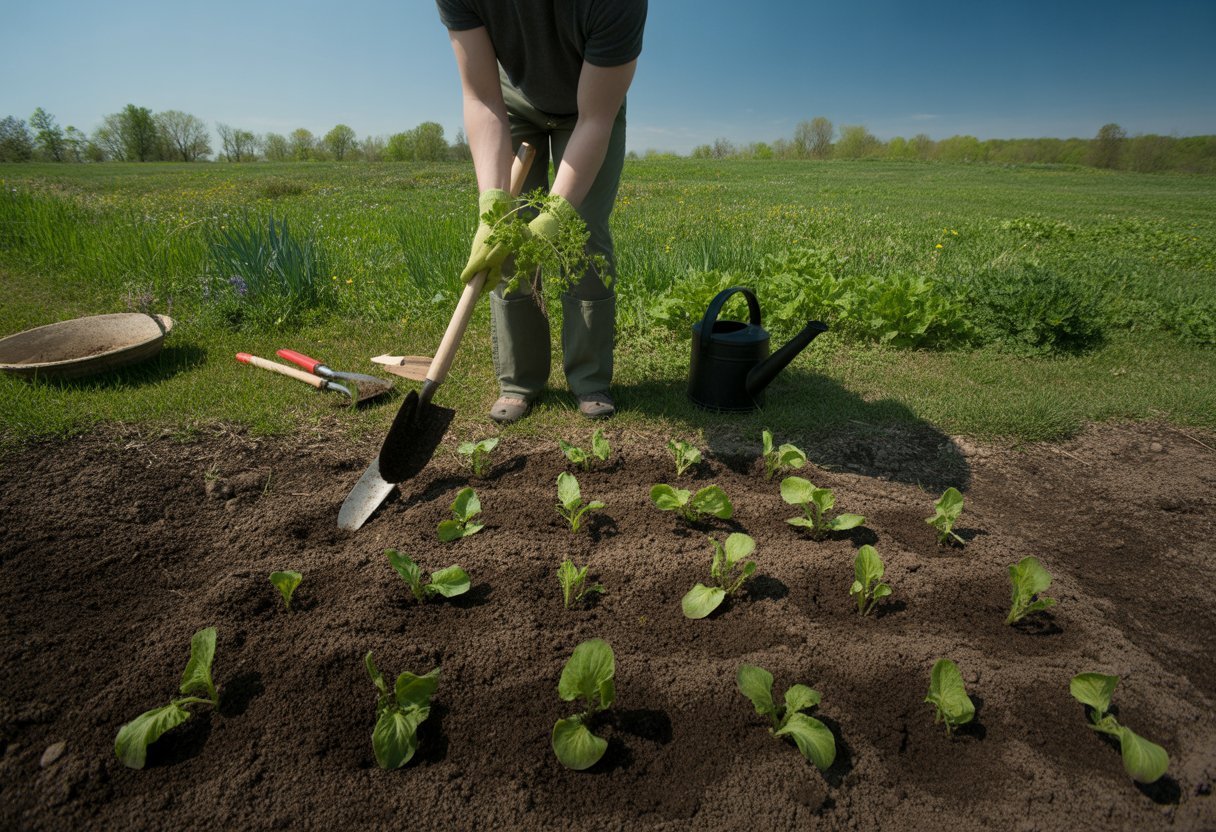
You can get cold-hardy veggies like peas and spinach in the ground as soon as the soil’s workable in spring. Tomatoes and peppers, though, need a little more pampering—start them indoors or plant outdoors only after the frost risk is gone, usually late May.
Understanding these timelines? It’s how you squeeze the most out of Minnesota’s growing season.
Getting the soil right and picking vegetable varieties that can handle Minnesota’s climate are just as important. A solid planting guide can help your garden push through the region’s quirks.
Understanding Minnesota’s Vegetable Planting Seasons
Planting vegetables in Minnesota means paying attention to its unpredictable climate and those shifting hardiness zones. If you don’t time things right or pick the wrong crops, it’s easy to end up empty-handed.
Recognizing Local Hardiness Zones
Minnesota covers USDA hardiness zones 3a through 5a, which basically means winters can get anywhere from -40°F to -20°F.
Figure out your zone before choosing seeds—cold-hardy stuff like root veggies and brassicas do well in the chillier zones. Warm-season things like tomatoes? They’re happier in zones 4b and 5a.
The zone also tells you when to expect the last frost: early May in zone 5a, late May or even early June in 3a. That’s your cue for when it’s safe to start planting or moving seedlings outside.
Adapting to Minnesota’s Climate
Minnesota’s growing season is short—usually 100 to 120 days. That puts some limits on what you can grow.
Spring weather can turn on a dime, so it’s smart to plant cold-hardy vegetables like peas, spinach, and radishes early. Crops like cucumbers and peppers? Better wait until the last frost is behind you.
Starting seeds indoors, using cold frames, and adding row covers can stretch the season a bit. You’ll want to pay attention to both daily temps and soil warmth before dropping those seeds in.
Minnesota Vegetable Planting Schedule
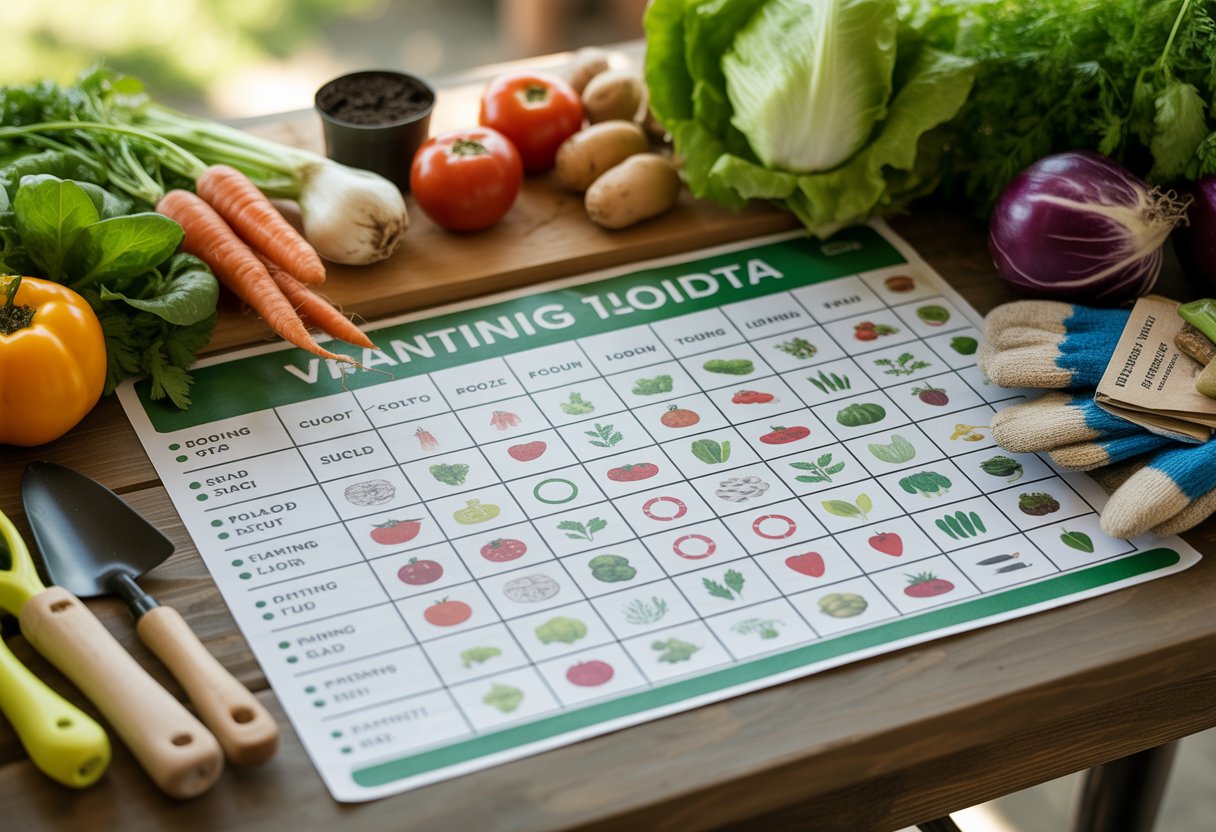
If you want a decent harvest, you’ve got to watch those frost dates and soil temps. Timing your seeding or transplanting really matters.
Cool-Season Vegetable Planting Times
Cool-season crops like lettuce, spinach, peas, and broccoli can handle a little frost. Start planting these 4-6 weeks before the last expected spring frost—mid-May’s the usual mark in a lot of Minnesota.
You can sow peas and spinach right outside once the soil hits about 40°F. Leafy greens prefer it a bit warmer, between 45°F and 55°F.
Broccoli and cabbage transplants can go out 2-4 weeks before the last frost, as long as you’ve hardened them off.
You can also plant things like kale and radishes for a fall harvest—aim for late July or early August so they’re ready before the first autumn frost.
Warm-Season Vegetable Planting Guidelines
Warm-season veggies need soil at least 60°F to get going. Tomatoes, peppers, cucumbers, squash, and beans should go in after the last frost date—usually after mid-May in southern Minnesota, early June up north.
Start tomatoes and peppers indoors 6-8 weeks before you plan to move them outside. Beans, cucumbers, and squash can be seeded right in the garden once the soil’s warmed to 65°F or more.
Keep the soil warm and moist during the first few weeks to help roots establish and avoid stunted plants.
Succession Planting Techniques
Succession planting lets you stretch your harvest and use every inch of space. Plant new rounds of crops every 2-3 weeks, especially fast-growers like radishes, lettuce, and bush beans.
In Minnesota, start cool-season succession planting in mid-April and keep it up through early summer. For warm-season crops, plant every 2-4 weeks from June to mid-July.
Row covers or cold frames can help you get a jump on the season or keep things going later into fall. If you plan it right, you’ll avoid those annoying gaps in your veggie supply.
Essential Tips for Success in Minnesota Gardens
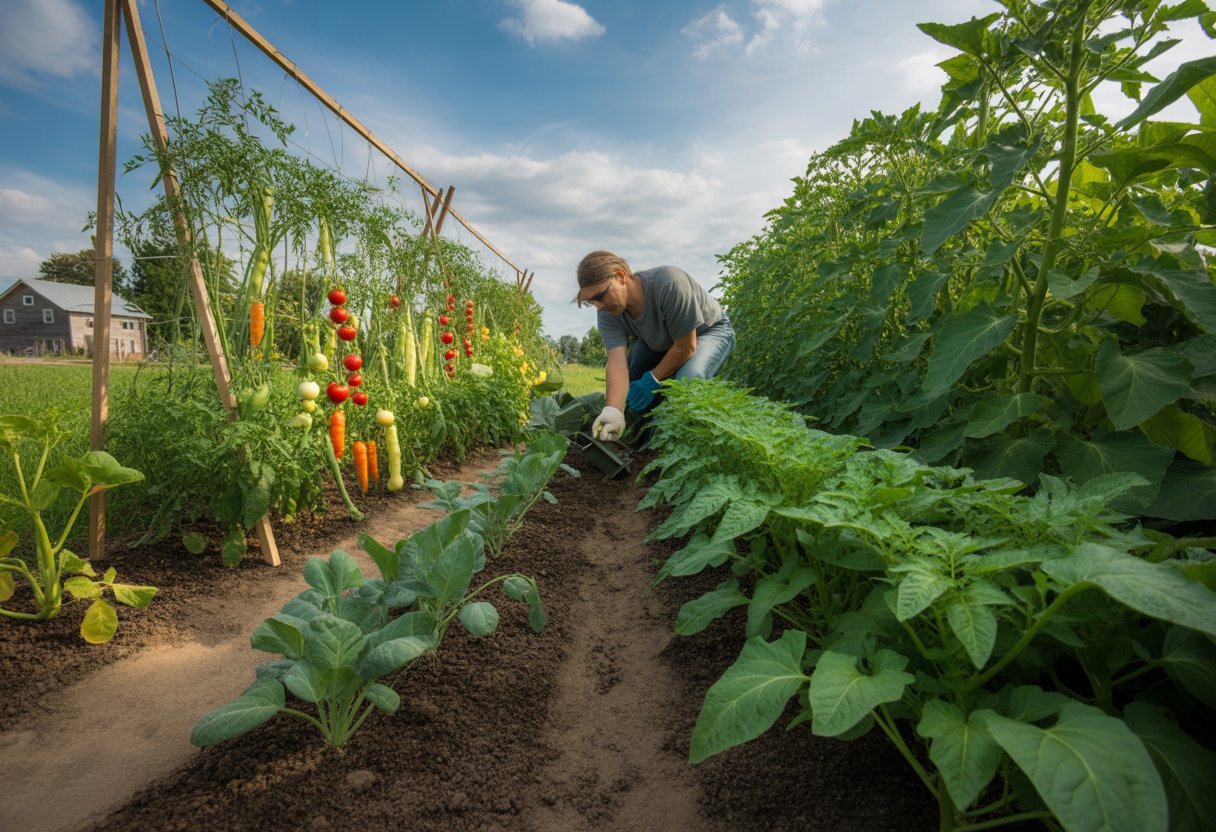
A good Minnesota garden needs healthy soil, steady watering, frost protection, and a bit of vigilance. If you pay attention to these, your chances of success go way up.
Soil Preparation and Fertility
Most Minnesota soils need the pH adjusted to between 6.0 and 7.0. It’s worth testing before planting so you know what you’re working with.
Add organic matter like compost or aged manure to boost soil structure and fertility. That helps with water retention and gives plants more to work with.
Nitrogen, phosphorus, and potassium are the big three nutrients. Use a balanced fertilizer based on your soil test results.
Keep tilling shallow to protect soil life. Raised beds work well in heavy clay soils, which pop up a lot here.
Watering and Frost Protection
Vegetables want about 1 to 1.5 inches of water per week, especially when they’re flowering or fruiting. Drip irrigation or soaker hoses are handy for keeping leaves dry and reducing disease.
Try to water early in the day so leaves dry off quickly.
Frost can sneak up in late spring or early fall. Cover plants with row covers or frost cloths when temps dip to protect tender crops.
Harden off seedlings by gradually moving them outside to toughen them up before planting.
Common Mistakes to Avoid
Planting too early puts veggies at risk for frost and stunted growth. Wait until the soil’s over 50°F for things like tomatoes and peppers.
Overwatering leads to root rot, but underwatering stresses plants. Keep an eye on soil moisture and adjust as needed.
Crowded plants don’t get enough airflow, making disease more likely. Stick to spacing guidelines to keep things healthy.
Letting weeds take over just means more competition for your veggies. Regular weeding really does make a difference.
Incorporating Cover Crops and Crop Rotation
Keeping soil healthy and pests in check takes a little extra effort in Minnesota. A few smart practices can make a huge difference.
Benefits of Cover Crops for Soil Health
Cover crops like clover, rye, and vetch help prevent soil erosion in the off-season. They add organic matter, which makes the soil easier to work and better at holding water.
Legumes like clover fix nitrogen, so you get a natural boost for your vegetable crops the next season. Their roots break up compacted soil, letting air and water move more freely.
Cover crops also shade out weeds and give beneficial insects a place to hang out. That can mean fewer pests in your veggies.
In Minnesota, it’s smart to plant cover crops in late summer after harvesting. That way, they do their thing all winter long.
Crop Rotation Strategies for Vegetables
Rotating vegetable families cuts down on disease buildup in soil, especially for crops like tomatoes and cucumbers. This approach also throws off pest life cycles tied to specific plants.
A typical rotation plan splits the garden into sections. Each section gets a group, like:
- Nightshades (tomatoes, peppers)
- Brassicas (cabbage, broccoli)
- Legumes (beans, peas)
- Root vegetables (carrots, beets)
You move each group to a different section every year. That way, you’re less likely to wear out the soil or let diseases settle in.
Honestly, keeping records from year to year really helps. It’s easy to forget where you planted things, and you definitely don’t want to plant the same family in the same spot two years in a row.
Nice one.