Plants That Look Like Spinach: Identifying Similar Greens for Your Garden
Last updated: October 25, 2026
Plants that look like spinach are a great alternative for gardeners who want to switch up their leafy greens game. Spinach-like plants are often easy to grow, highly nutritious, and versatile in the kitchen. While spinach is a popular choice for salads and smoothies, these alternative plants can add variety and flavor to any dish.
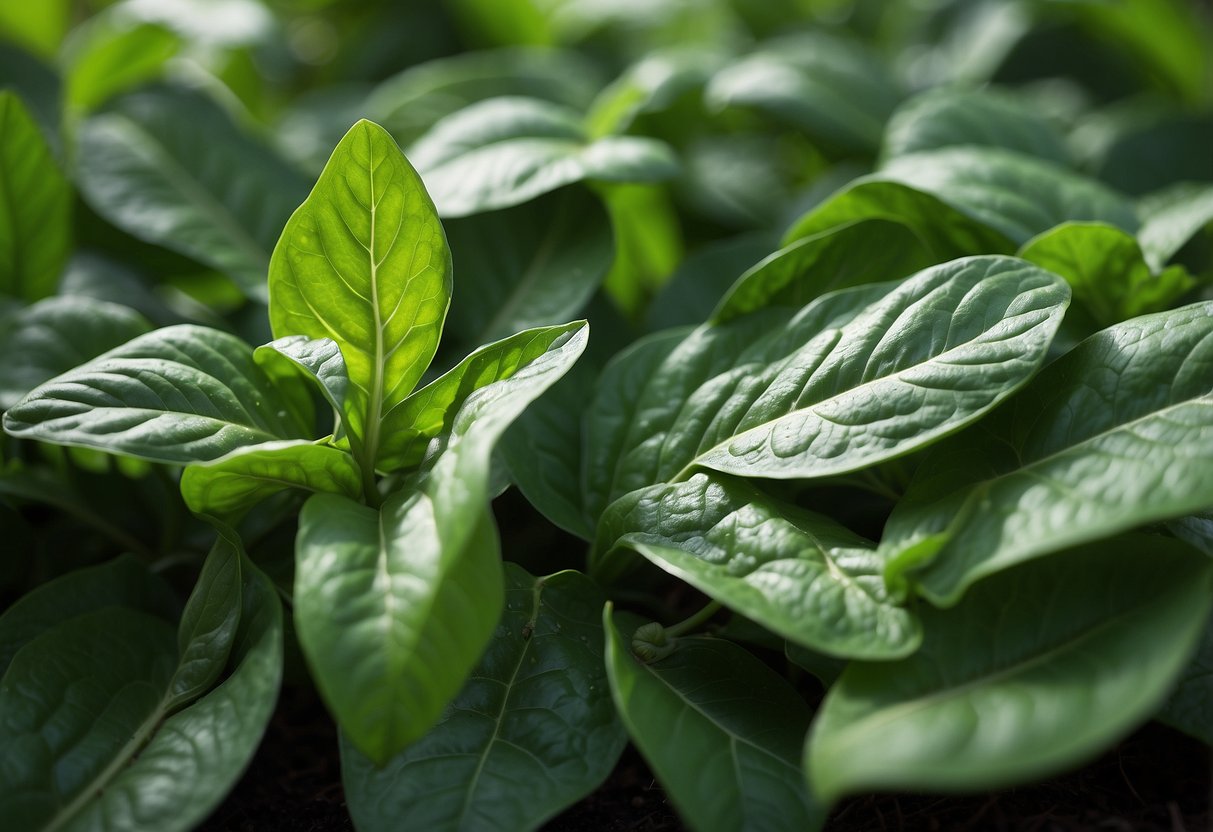
Some popular spinach-like plants include beet greens, lamb’s quarters, and basil. Beet greens are attached to a beetroot and have a similar appearance to spinach. Lamb’s quarters, also known as wild spinach, has leaves that are similar in appearance to spinach and is a wild edible. Basil, specifically a few types of basil, can look quite similar to young spinach leaves. These plants offer similar nutritional benefits to spinach and can be used in a variety of dishes.
Whether you’re looking to switch up your garden or add variety to your meals, plants that look like spinach are a great option to consider. With their similar appearance and nutritional benefits, these plants can be a great addition to any garden or meal plan.
Identifying Spinach and Its Lookalikes
Spinach Characteristics
Spinach (Spinacia oleracea) is a leafy green that is commonly grown as an annual vegetable crop. It is a member of the Amaranthaceae family, which also includes other leafy greens like Swiss chard and New Zealand spinach. Spinach is known for its dark green leaves, which can be smooth or crumpled, and its preference for cool weather.
There are several common varietals of spinach, including savoy spinach, semi-savoy spinach, flat spinach, and Tyee spinach. Savoy spinach has crinkled leaves, while semi-savoy spinach has slightly crinkled leaves. Flat spinach has smooth leaves, and Tyee spinach has slightly savoyed leaves.
Common Spinach Varietals
-
Savoy Spinach: Savoy spinach has crinkled leaves and is a popular choice for salads and sandwiches. It is also great for cooking and can be used in a variety of dishes.
-
Semi-Savoy Spinach: Semi-savoy spinach has slightly crinkled leaves and is a good all-purpose spinach. It is easy to clean and can be used in salads, sandwiches, and cooked dishes.
-
Flat Spinach: Flat spinach has smooth leaves and is a popular choice for salads and sandwiches. It is also great for cooking and can be used in a variety of dishes.
-
Tyee Spinach: Tyee spinach has slightly savoyed leaves and is known for its sweet flavor. It is a popular choice for salads and sandwiches and can also be used in cooked dishes.
Spinach Lookalikes
There are several plants that look like spinach, including:
-
Lamb’s Quarters (Chenopodium album): Lamb’s quarters is a wild edible plant that has leaves similar to spinach and is sometimes referred to as wild spinach. It is a member of the same family as spinach and can be used in many of the same ways.
-
Swiss Chard: Swiss chard is a leafy green that is closely related to spinach. It has large, flat leaves and a slightly bitter taste. It can be used in many of the same ways as spinach.
-
New Zealand Spinach: New Zealand spinach is a leafy green that is native to New Zealand. It has thick, fleshy leaves and a slightly salty taste. It can be used in many of the same ways as spinach.
-
Malabar Spinach: Malabar spinach is a leafy green that is native to India. It has thick, fleshy leaves and a slightly sour taste. It can be used in many of the same ways as spinach.
-
Kale: Kale is a leafy green that is closely related to spinach. It has curly leaves and a slightly bitter taste. It can be used in many of the same ways as spinach.
-
Goosefoot: Goosefoot is a wild edible plant that has leaves similar to spinach. It is a member of the same family as spinach and can be used in many of the same ways.
Overall, while these plants may look like spinach, they each have their own unique characteristics and flavors. It’s important to properly identify each plant before using it in recipes or consuming it.
Growing and Harvesting Leafy Greens
Optimal Growing Conditions
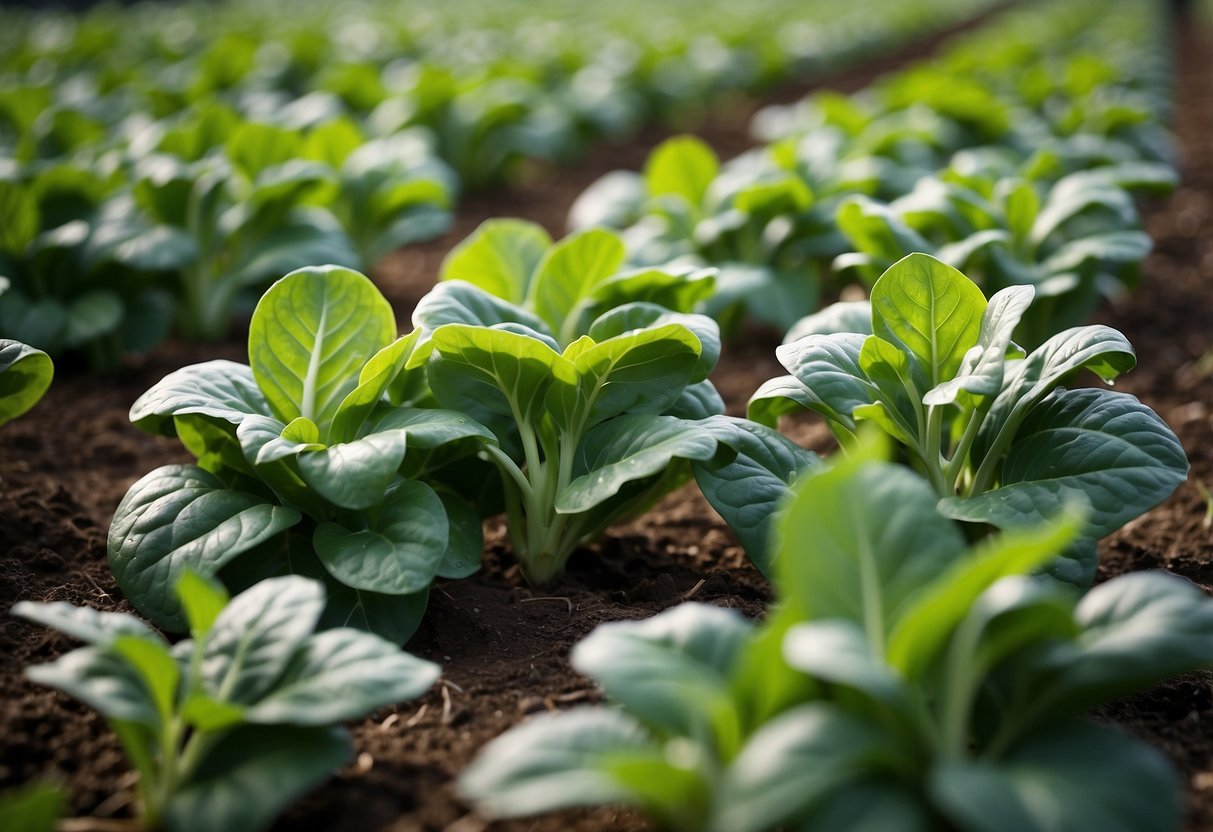
Leafy greens, including plants that look like spinach, thrive in cool weather and prefer temperatures between 50-70°F. They require well-draining soil with a pH between 6.0 and 7.5. These plants grow best in full sun but can tolerate partial shade.
Planting and Cultivation
To grow leafy greens, sow seeds in early spring or late summer in rows spaced 12-18 inches apart. Sow seeds 1/2 inch deep and cover with soil. Space the seeds 2 inches apart and thin the seedlings to 6 inches apart. Mulch around the plants to retain moisture and suppress weeds.
Leafy greens require regular watering, especially during dry spells. Water the plants deeply once a week, providing 1-2 inches of water per week. Fertilize the plants with compost or a balanced fertilizer every 4-6 weeks to promote healthy growth.
Harvesting Techniques
Harvest leafy greens when they reach their mature size, usually 4-6 weeks after planting. Pick the outer leaves first, leaving the center leaves to continue growing. Alternatively, harvest the entire plant by cutting it off at the soil level.
Pests and Diseases
Leafy greens are susceptible to several pests and diseases, including aphids, white rust, downy mildew, and mosaic virus. To prevent these problems, keep the plants healthy by providing adequate water and nutrients. Remove any infected plants and dispose of them to prevent the spread of disease.