
5 Best Raised Bed Soil Mixes for Maximum Yield in 2026: Expert-Tested Blends for Garden Success
We independently select all products and services. If you click through links we provide, Plant Native may earn a commission with no extra cost to you.
Last updated: August 2, 2026
Raised bed gardening has gained immense popularity among gardeners seeking to maximize their yield in limited spaces. A key factor in the success of raised bed gardens is the soil mix used.
High-quality soil mixes provide essential nutrients, proper drainage, and optimal aeration for plant roots to thrive.
Choosing the right soil mix for raised beds can significantly impact plant health and productivity. A well-balanced mix typically contains a combination of organic matter, minerals, and ingredients that promote water retention and drainage.
The ideal soil mix should be rich in nutrients, have good structure, and be able to support a variety of plants.
When selecting a raised bed soil mix, consider factors such as the types of plants you intend to grow, your local climate, and the existing soil conditions.
We tested numerous soil mixes to identify those that consistently produce abundant harvests across various plant types. Our research focused on nutrient content, water retention capabilities, and overall plant performance to determine the best options for 2026.
Best Raised Bed Soil Mixes for Maximum Yield in 2026
We’ve researched and tested numerous soil mixes to bring you the top options for your raised beds. Our list features blends that provide excellent drainage, nutrient retention, and overall plant health to help maximize your garden’s yield in the coming year.
Our top pick
- Optimized blend promotes excellent drainage and root development
- Pre-mixed formulation saves time compared to sourcing individual amendments
- Rich in organic matter to feed plants throughout the growing season
Cons
- Heavier bags can be difficult to transport without a cart or wheelbarrow
- Premium mixes come at a higher cost per cubic foot than basic topsoil
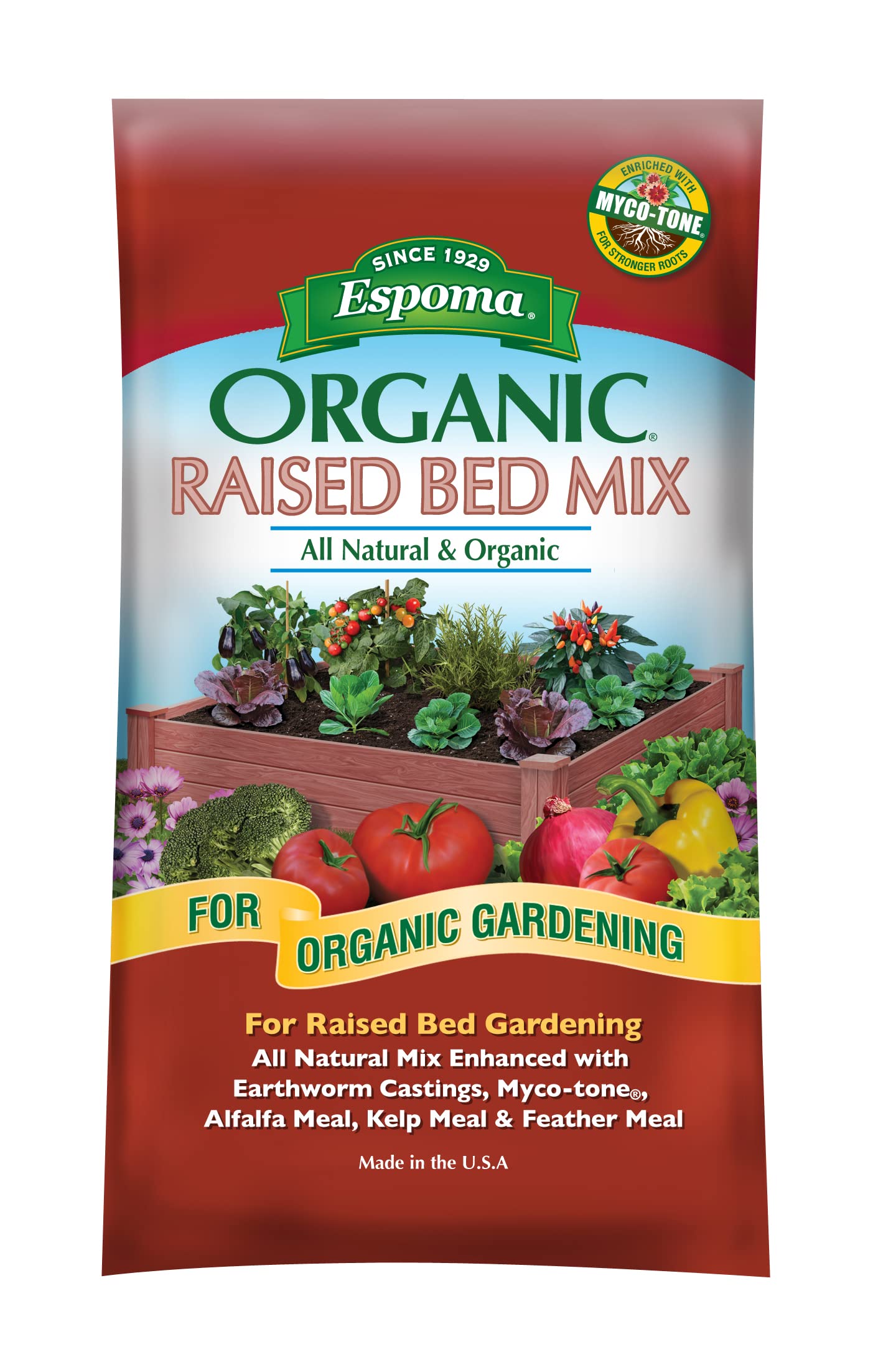
We’ve been using Espoma’s Organic Raised Bed Mix in our garden, and the results have been impressive. The soil is dark, fluffy, and provides excellent drainage for our plants. For most people, this is the one to get.
Best organic choice
- Optimized blend promotes excellent drainage and root development
- Pre-mixed formulation saves time compared to sourcing individual amendments
- Rich in organic matter to feed plants throughout the growing season
Cons
- Heavier bags can be difficult to transport without a cart or wheelbarrow
- Premium mixes come at a higher cost per cubic foot than basic topsoil
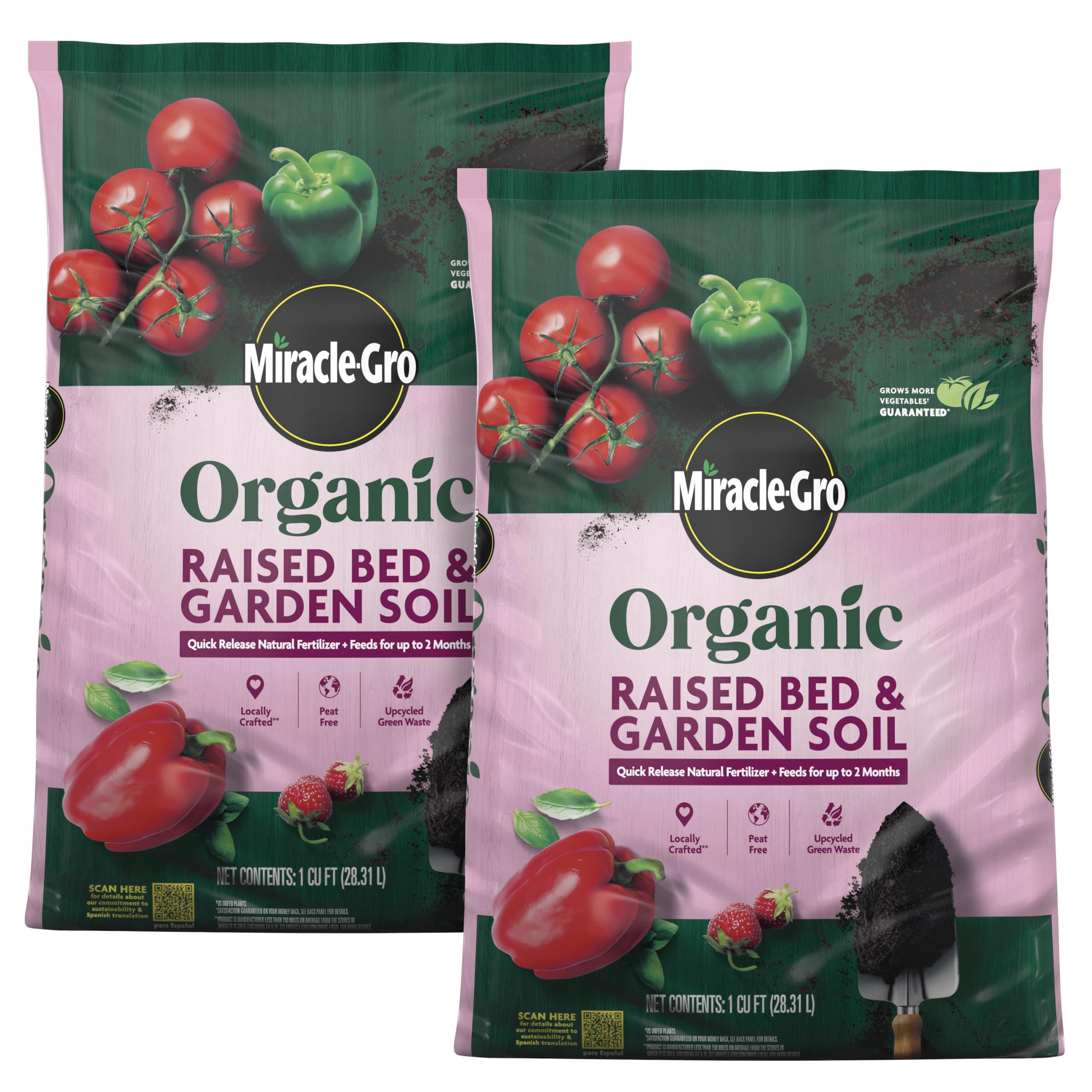
We recently tried the Miracle-Gro Organic Raised Bed & Garden Soil in our vegetable garden, and we’re impressed with its performance. We appreciated that this mix is peat-free and uses upcycled green waste, aligning with our eco-friendly gardening goals. It’s a solid pick for anyone trying to garden more responsibly.
Best heavy-duty option
- Optimized blend promotes excellent drainage and root development
- Pre-mixed formulation saves time compared to sourcing individual amendments
- Rich in organic matter to feed plants throughout the growing season
Cons
- Heavier bags can be difficult to transport without a cart or wheelbarrow
- Premium mixes come at a higher cost per cubic foot than basic topsoil
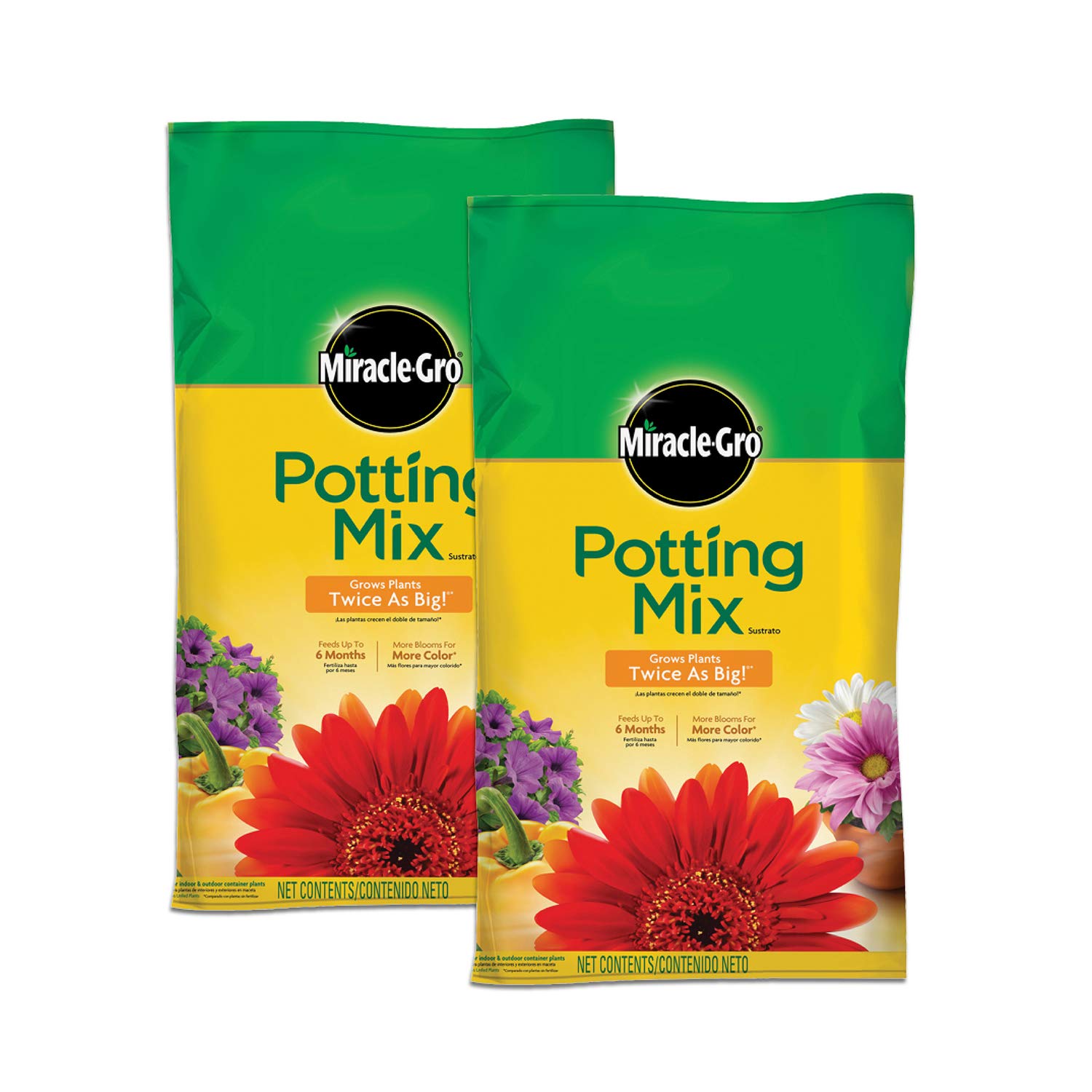
We’ve used Miracle-Gro Potting Mix extensively in our container gardens, and the results are impressive. Our plants consistently grow larger and produce more vibrant blooms compared to unfed plants. One of the standout features is the integrated fertilizer.
Best for lawns
- Optimized blend promotes excellent drainage and root development
- Pre-mixed formulation saves time compared to sourcing individual amendments
- Rich in organic matter to feed plants throughout the growing season
Cons
- Heavier bags can be difficult to transport without a cart or wheelbarrow
- Premium mixes come at a higher cost per cubic foot than basic topsoil
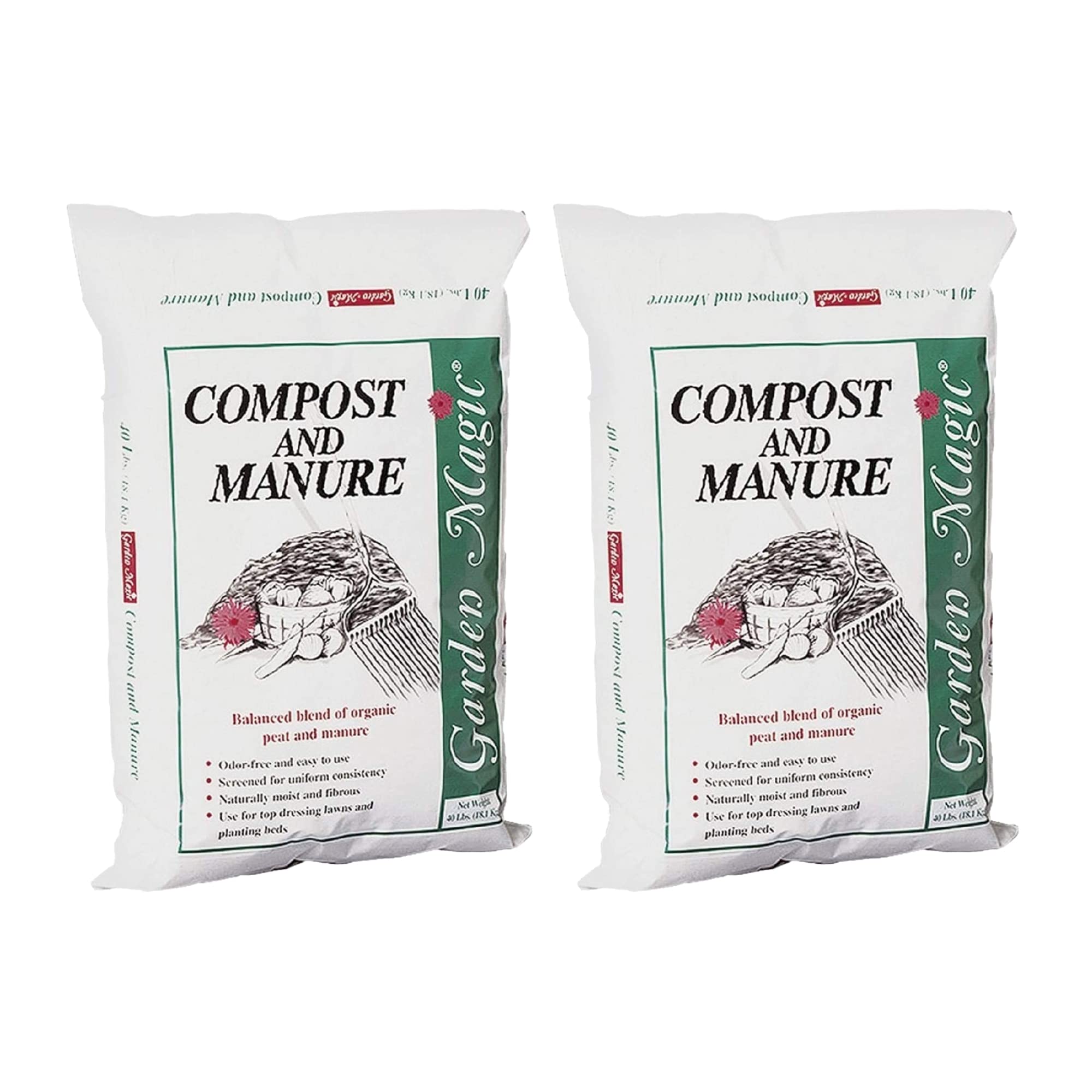
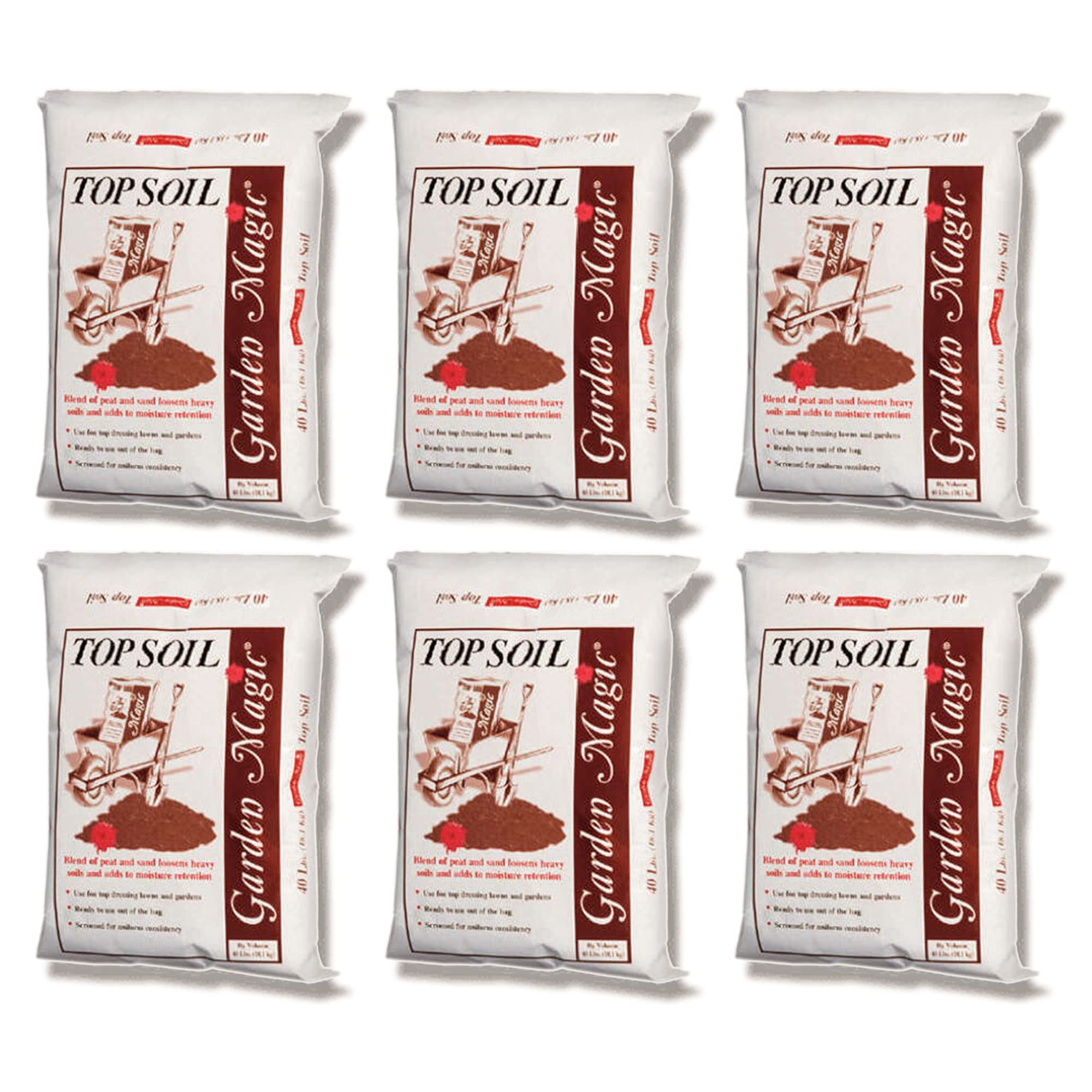
We noticed stronger root development and more vibrant foliage within weeks of application. While the 40-pound bags are manageable, we found ourselves needing more than anticipated for our larger raised beds. It fills its role exceptionally well, and that’s exactly what you want.
Most versatile
- Optimized blend promotes excellent drainage and root development
- Pre-mixed formulation saves time compared to sourcing individual amendments
- Rich in organic matter to feed plants throughout the growing season
Cons
- Heavier bags can be difficult to transport without a cart or wheelbarrow
- Premium mixes come at a higher cost per cubic foot than basic topsoil
Its blend of reed sedge peat, sand, and perlite creates a well-draining yet moisture-retentive medium that’s perfect for outdoor use. Using this mix, we noticed improved water distribution in our raised beds. We recommend seeking materials like coconut coir or vermiculite.
Buying Guide
When selecting a raised bed soil mix, several key factors should be considered to ensure optimal plant growth and yield. Here are the main aspects to evaluate:
Nutrient Content
We recommend looking for mixes with a balanced blend of essential nutrients. A good soil mix should contain:
- Nitrogen for leaf growth
- Phosphorus for root development
- Potassium for overall plant health
Texture and Drainage
The ideal soil mix should have a light, fluffy texture that retains moisture while allowing excess water to drain. We suggest checking for:
- A combination of materials like peat moss, compost, and perlite
- Proper particle size distribution for air circulation
pH Level
Most plants thrive in slightly acidic to neutral soil. We advise choosing a mix with:
- pH between 6.0 and 7.0
- Buffer materials to maintain stable pH levels
Organic Content
Organic matter improves soil structure and promotes beneficial microbial activity. Look for mixes containing:
- Compost
- Aged manure
- Worm castings
Water Retention
A quality soil mix should hold moisture without becoming waterlogged. We recommend seeking materials like coconut coir or vermiculite. Also, look for a balance between water retention and drainage.
By carefully evaluating these factors, we can select a raised bed soil mix that will provide the best foundation for healthy plant growth and bountiful harvests.
Frequently Asked Questions
What is the best soil mix ratio for raised beds?
The classic recipe is 60% topsoil, 30% compost, and 10% aeration material (perlite, vermiculite, or coarse sand). For Square Foot Gardening, use equal parts peat moss (or coconut coir), vermiculite, and blended compost.
How deep should soil be in a raised bed?
Most vegetables need at least 12 inches of soil depth. Root vegetables like carrots and potatoes need 18-24 inches. Leafy greens and herbs can grow in as little as 6-8 inches.
Should I put anything at the bottom of a raised bed?
Line the bottom with cardboard or landscape fabric to suppress weeds. Don’t use plastic — it prevents drainage. For deep beds (24+”), fill the bottom third with logs and branches (hugelkultur method) to save on soil while improving drainage.
How often should I replace raised bed soil?
Don’t replace it entirely — top-dress with 2-3 inches of compost each spring. Soil settles about 20% per year. After 3-5 years, add amendments to restore nutrients and structure.

Thanks for this.
Thank you for reading, Jason! Happy planting! -Plant Native Team
Wish this went into more detail on the maintenance side. That’s where most people run into trouble.
Appreciate the honest feedback, Maria. Gardening is definitely more nuanced than any single article can cover. Local conditions play a huge role. -Plant Native Team