
4 Best Eco-Friendly Planters for Sustainable Living: Top Choices for Green Gardening
We independently select all products and services. If you click through links we provide, Plant Native may earn a commission with no extra cost to you.
Last updated: November 7, 2026
Eco-friendly planters are gaining popularity among gardening enthusiasts and environmentally conscious individuals. These sustainable containers offer a way to grow plants while minimizing environmental impact.
By choosing eco-friendly planters, we can reduce plastic waste and support more sustainable manufacturing practices.
When selecting an eco-friendly planter, it’s important to consider the material, durability, and production process.
Many sustainable planters are made from recycled materials, biodegradable substances, or renewable resources. Some options include recycled plastic, bamboo, coconut coir, and reclaimed wood.
We researched and tested numerous eco-friendly planters to find the best options for sustainable living. Our top picks combine durability, functionality, and environmental responsibility to help you create a greener garden or indoor plant display.
Best Eco-Friendly Planters for Sustainable Living
We’ve curated a list of the top eco-friendly planters that combine style with sustainability. These planters are made from environmentally conscious materials and offer a perfect way to green up your space while reducing your carbon footprint.
Our selection caters to various tastes and plant sizes, ensuring you’ll find the ideal planter for your eco-friendly gardening needs.
Our top pick
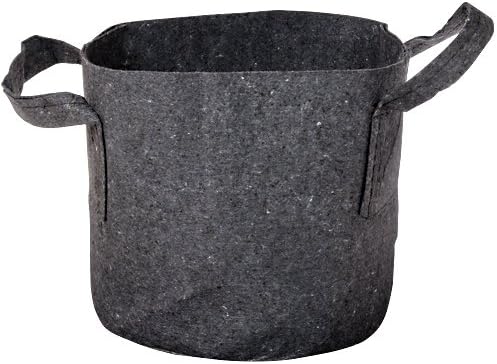
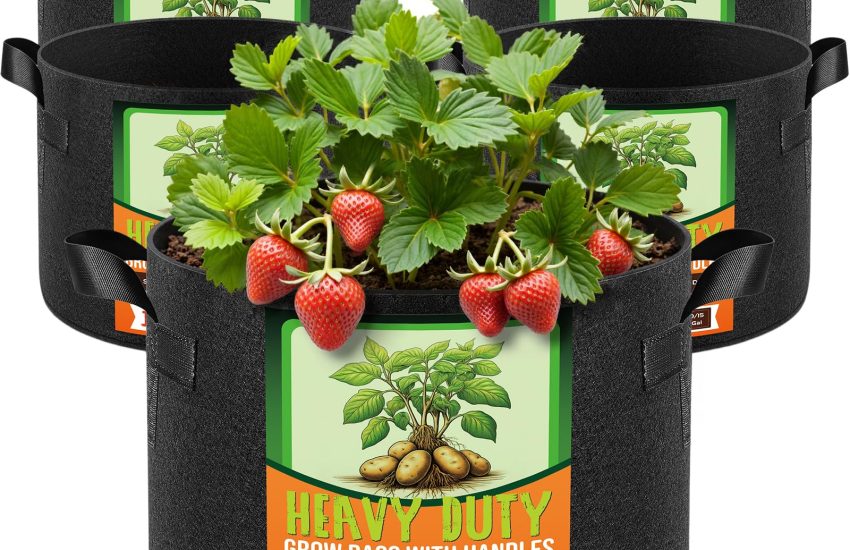
- Made from 100% recycled materials
- Degradable fabric lasts 36–48 months, then breaks down instead of lingering as plastic waste
- Breathable fabric drains through the walls, so no drainage holes are needed
- Bundle of 10 at a low per-pot cost
Cons
- Limited lifespan by design; not a permanent planter
- Fabric dries out faster than solid pots, so plants need more frequent watering
- Utilitarian gray look suits gardens more than decor
The 5-gallon size suits a wide range of plants, from herbs and peppers to tomatoes and small shrubs. If you need sustainable nursery pots in bulk for the garden or patio, these recycled-material fabric pots are a practical, low-waste choice.
Most versatile
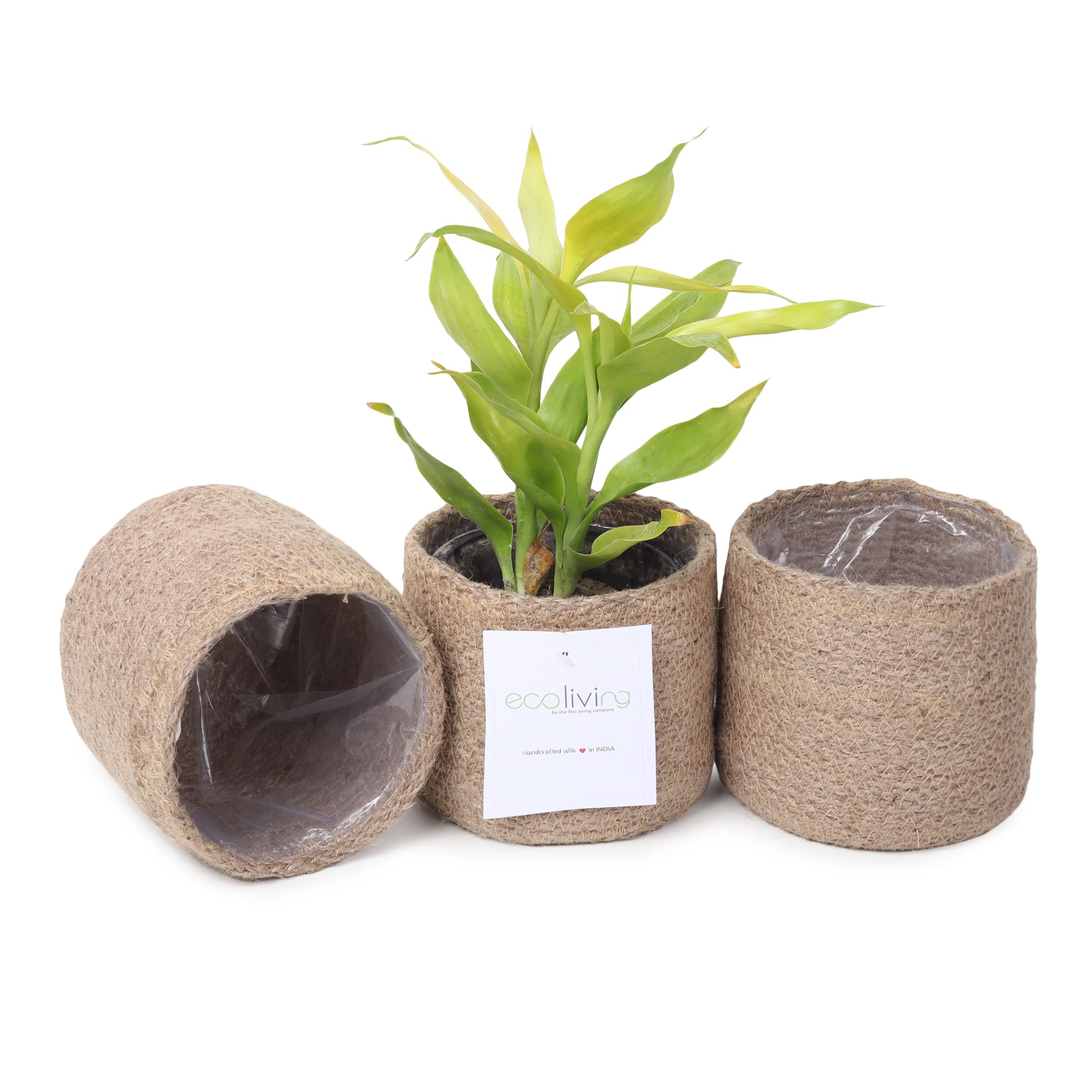
- Natural jute is a renewable alternative to plastic pot covers
- Waterproof inner lining prevents leaks onto shelves
- Also works as small storage baskets
Cons
- Fits only pots 4 inches or smaller in diameter and height
- Ships flat and needs reshaping overnight
- For indoor use; the lining is plastic
The covers fit 4-inch nursery pots snugly, making them ideal for small succulents and herbs. A plant-based, handmade way to dress up small pots on a windowsill or shelf, and they double as organizers when not holding plants.
Best for indoors
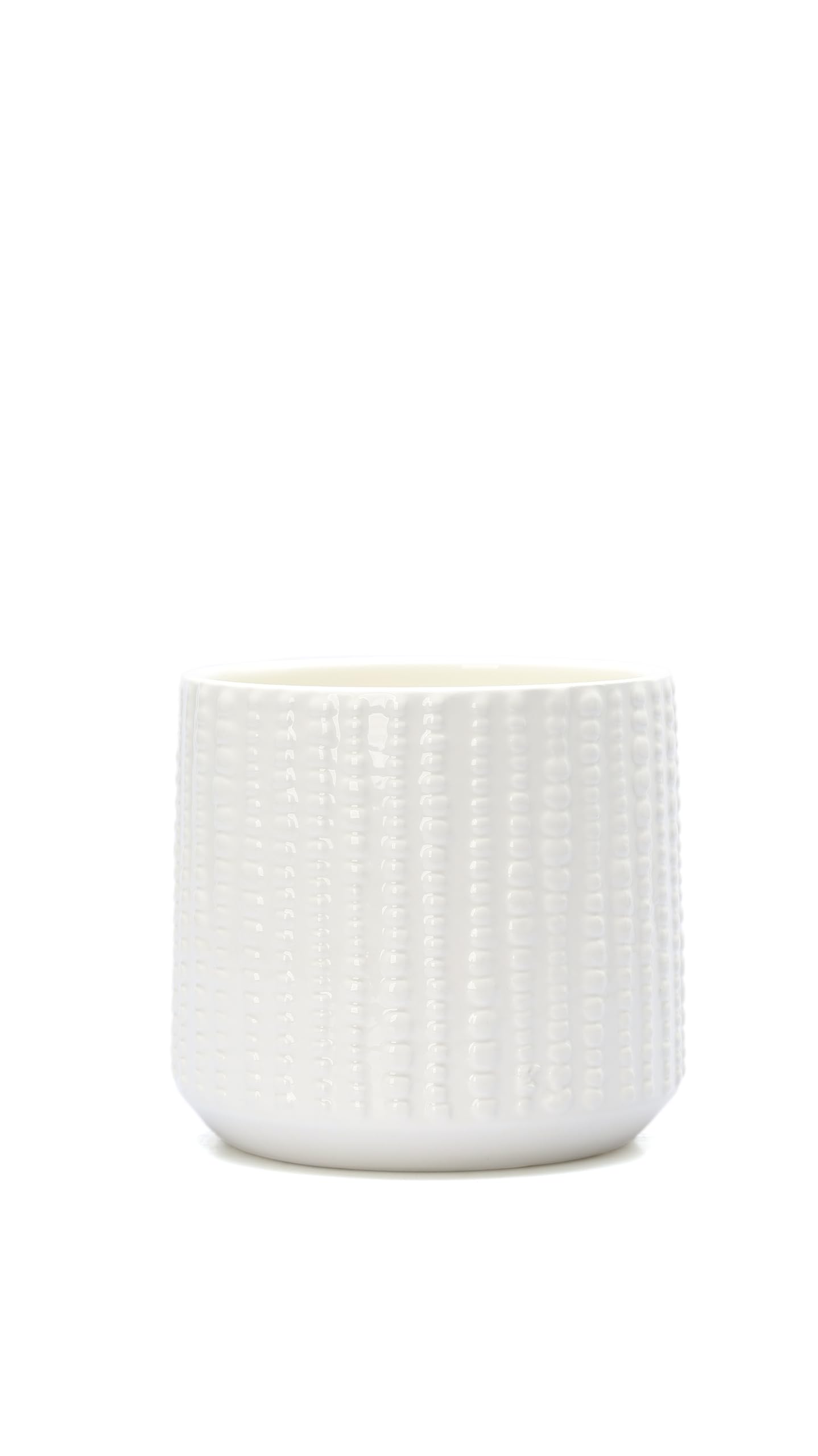
- Durable ceramic made to last for years, reducing replacement waste
- Drainage hole with removable silicone plug
- Thick walls help buffer roots from heat and cold
Cons
- Small 5-inch size suits only compact plants
- Ceramic can chip or crack if dropped
- Not made from recycled or biodegradable materials
The 5-inch size strikes a balance between compact and practical, making it ideal for small succulents, herbs, or snake plants. Choose it when you want a long-lasting, reusable indoor pot rather than a disposable one.
Best heavy-duty option
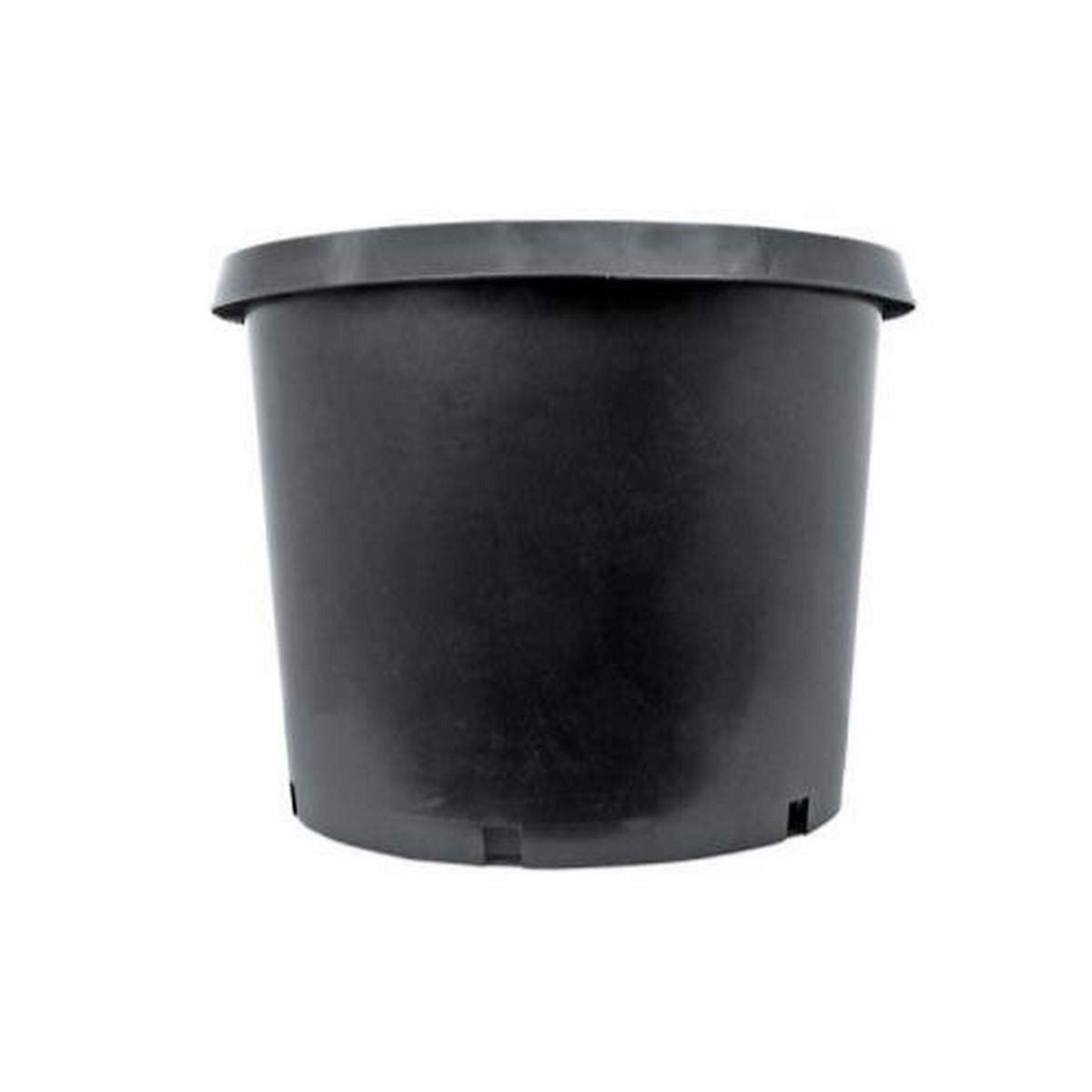
- Impact-modified plastic for extra strength
- Thick rim with grip lip for easy lifting and moving
- Reusable for many seasons
- Made in the USA
Cons
- Plastic, not recycled or biodegradable
- Plain black nursery-pot look
- Sold as a single pot by a third-party seller
The impact-modified plastic is built to handle outdoor use and frequent moves, and the 5-gallon capacity gives ample room for root growth, making it suited to larger vegetables and small trees. Reusing one sturdy pot for years is a lower-waste option than replacing flimsy ones every season.
Buying Guide
When selecting eco-friendly planters, we recommend considering several key factors to ensure you make the best choice for sustainable living.
Materials
Look for planters made from renewable or recycled materials:
- Bamboo
- Recycled plastic
- Reclaimed wood
- Biodegradable materials
Durability
Choose planters that will last for years to reduce waste. Check for:
- UV resistance
- Frost resistance
- Sturdy construction
Size and Drainage
Select planters that suit your plants’ needs:
| Feature | Importance |
|---|---|
| Proper drainage holes | Essential for plant health |
| Adequate depth | Allows root growth |
| Appropriate width | Accommodates plant spread |
Production Process
Consider how the planter is manufactured:
- Low-impact production methods
- Minimal use of chemicals
- Local manufacturing to reduce transportation emissions
End-of-Life Options
Think about what happens when the planter is no longer usable:
- Fully biodegradable
- Recyclable components
- Compostable materials
By keeping these factors in mind, we can choose planters that align with our sustainability goals and support a greener lifestyle.
We independently select all products and services. If you click through links we provide, Plant Native may earn a commission with no extra cost to you. As an Amazon Associate I earn from qualifying purchases.
customers at the garden center ask for kneelers and easy-grip trowels a lot. i’ll share this list.
We appreciate that, David! Happy gardening! 🌿 -Plant Native Team