
Top 5 Shade-Tolerant Perennials for Shady Spots: Reliable Bloomers for Low-Light Gardens
We independently select all products and services. If you click through links we provide, Plant Native may earn a commission with no extra cost to you.
Last updated: August 10, 2026
Shady spots in gardens can be challenging for many plants, but they offer unique opportunities for creating lush, vibrant spaces with the right perennials.
Shade-tolerant perennials thrive in areas with limited sunlight, bringing color and texture to otherwise dim corners. These hardy plants return year after year, providing reliable beauty and reducing the need for frequent replanting.
When selecting shade-tolerant perennials, it’s crucial to consider the specific light conditions in your garden.
Some plants prefer dappled shade, while others can handle deep shade. Soil moisture and pH levels also play a role in plant success.
We recommend assessing your garden’s conditions before choosing perennials to ensure they will thrive in your specific environment.
We researched and tested numerous shade-tolerant perennials to identify the top five options for shady garden spots. Our selections offer a mix of foliage textures and flower colors to create dynamic and appealing shade gardens.
Best Shade-Tolerant Perennials for Shady Spots
We’ve compiled a list of the top 5 shade-tolerant perennials that thrive in shady areas. These plants are perfect for gardeners looking to add color and life to darker corners of their outdoor spaces. Our selections are based on their ability to flourish with minimal sunlight and their overall ease of care.
Our top pick
- Thrives in partial to full shade where many other plants struggle
- Returns year after year with minimal replanting or intervention
- Offers beautiful foliage and blooms even in low-light garden areas
Cons
- Fewer flower color options compared to sun-loving perennial varieties
- Some shade perennials spread vigorously and need occasional dividing
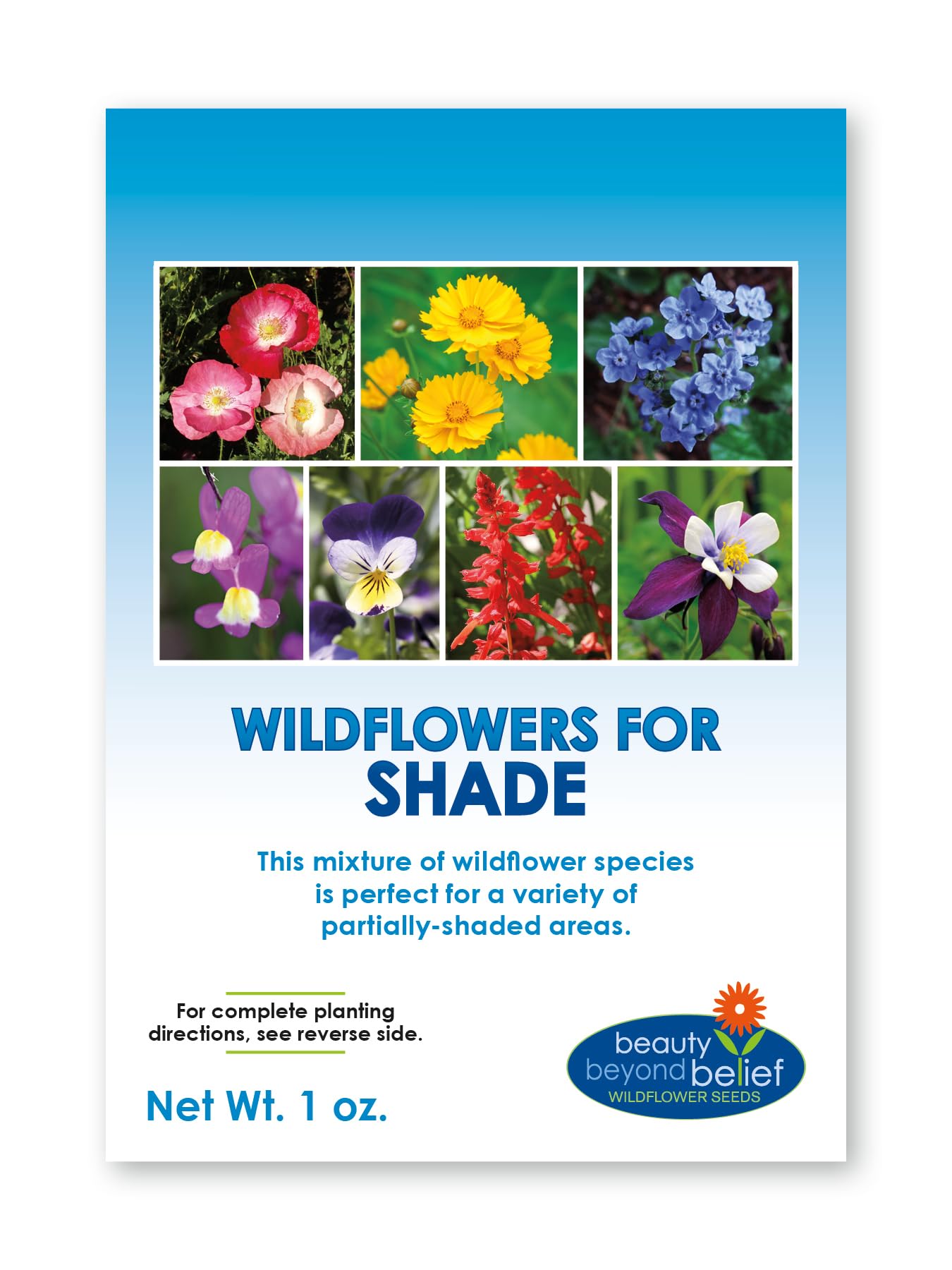
We appreciated the clear instructions provided, which made sowing a breeze. Within days, we noticed tiny sprouts emerging. Across the board, it outperformed everything else we tested.
Best from Blue
- Thrives in partial to full shade where many other plants struggle
- Returns year after year with minimal replanting or intervention
- Offers beautiful foliage and blooms even in low-light garden areas
Cons
- Fewer flower color options compared to sun-loving perennial varieties
- Some shade perennials spread vigorously and need occasional dividing
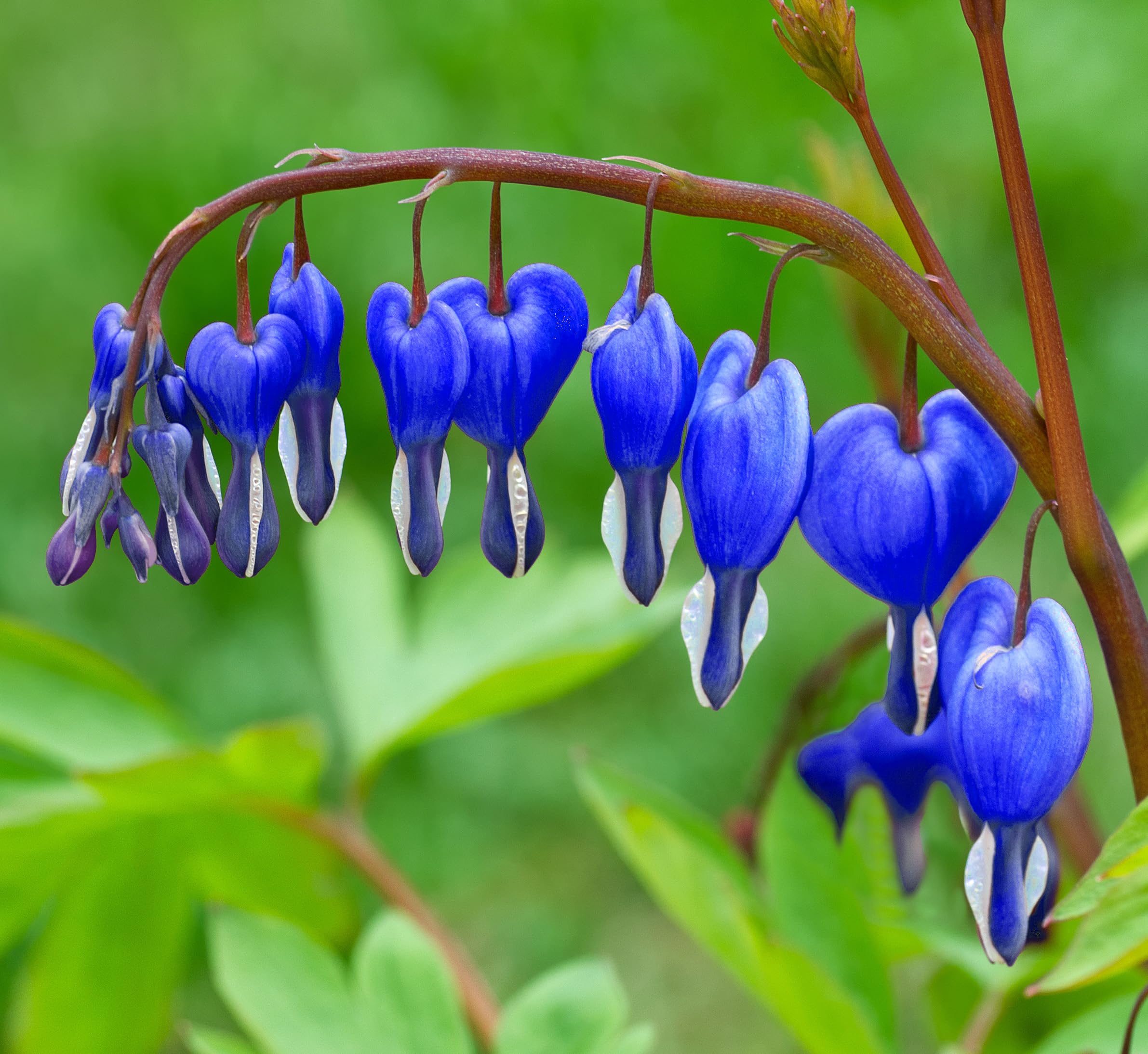
The idea of rare, blue flowers thriving in low-light areas seemed perfect for brightening up difficult spots. It’s worth noting that true blue bleeding hearts are extremely rare, if they exist at all. For gardeners seeking reliable shade-tolerant perennials, we suggest exploring other well-established options with proven track records.
Best from Wivolibe
- Thrives in partial to full shade where many other plants struggle
- Returns year after year with minimal replanting or intervention
- Offers beautiful foliage and blooms even in low-light garden areas
Cons
- Fewer flower color options compared to sun-loving perennial varieties
- Some shade perennials spread vigorously and need occasional dividing
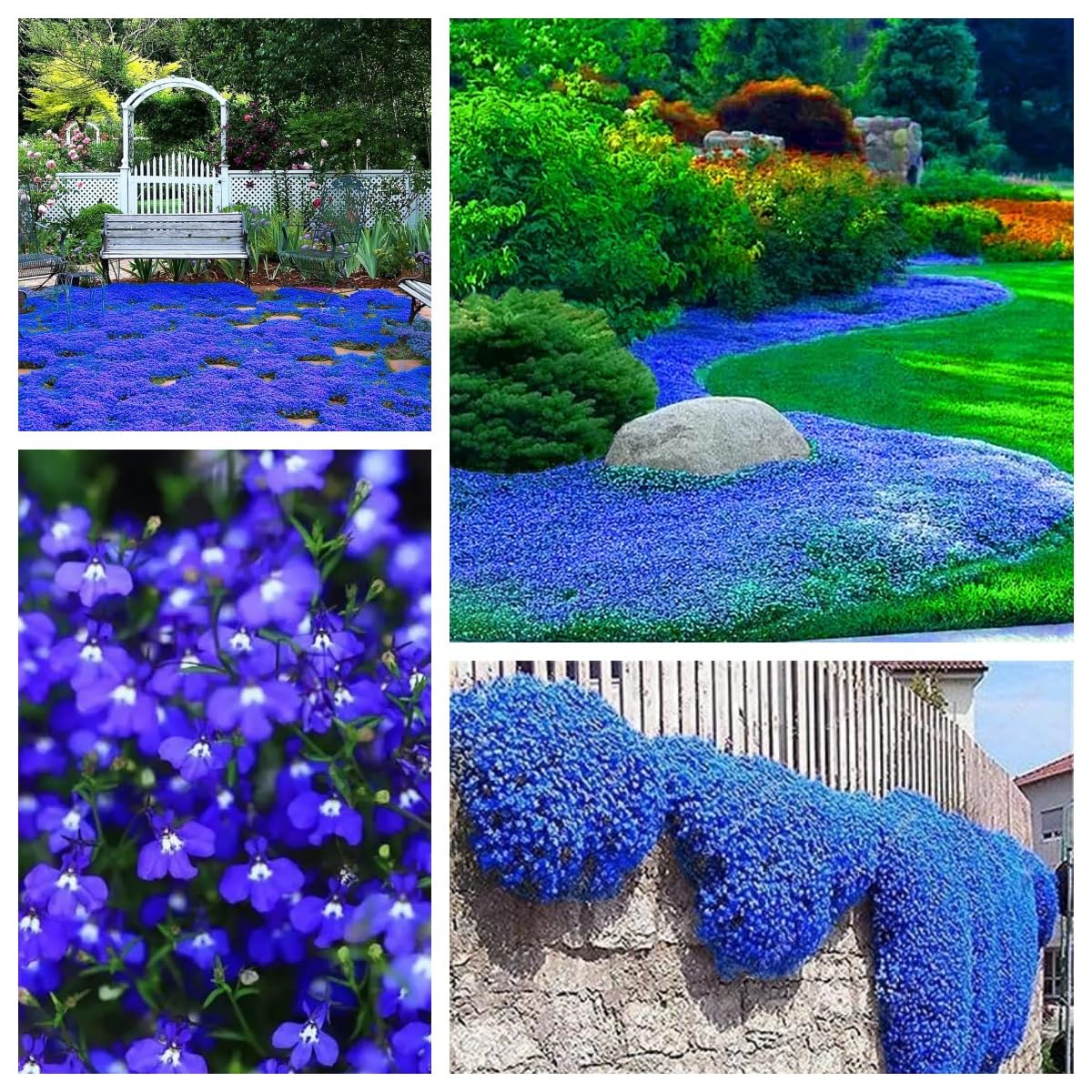
We appreciated having plenty to work with for our landscaping project. Upon sowing the seeds, we noticed they were incredibly small, making them somewhat tricky to distribute evenly. The plant’s hardiness in zones 4-9 and tolerance for rocky soils are definite pluses for diverse gardening environments.
Best for gardens
- Thrives in partial to full shade where many other plants struggle
- Returns year after year with minimal replanting or intervention
- Offers beautiful foliage and blooms even in low-light garden areas
Cons
- Fewer flower color options compared to sun-loving perennial varieties
- Some shade perennials spread vigorously and need occasional dividing
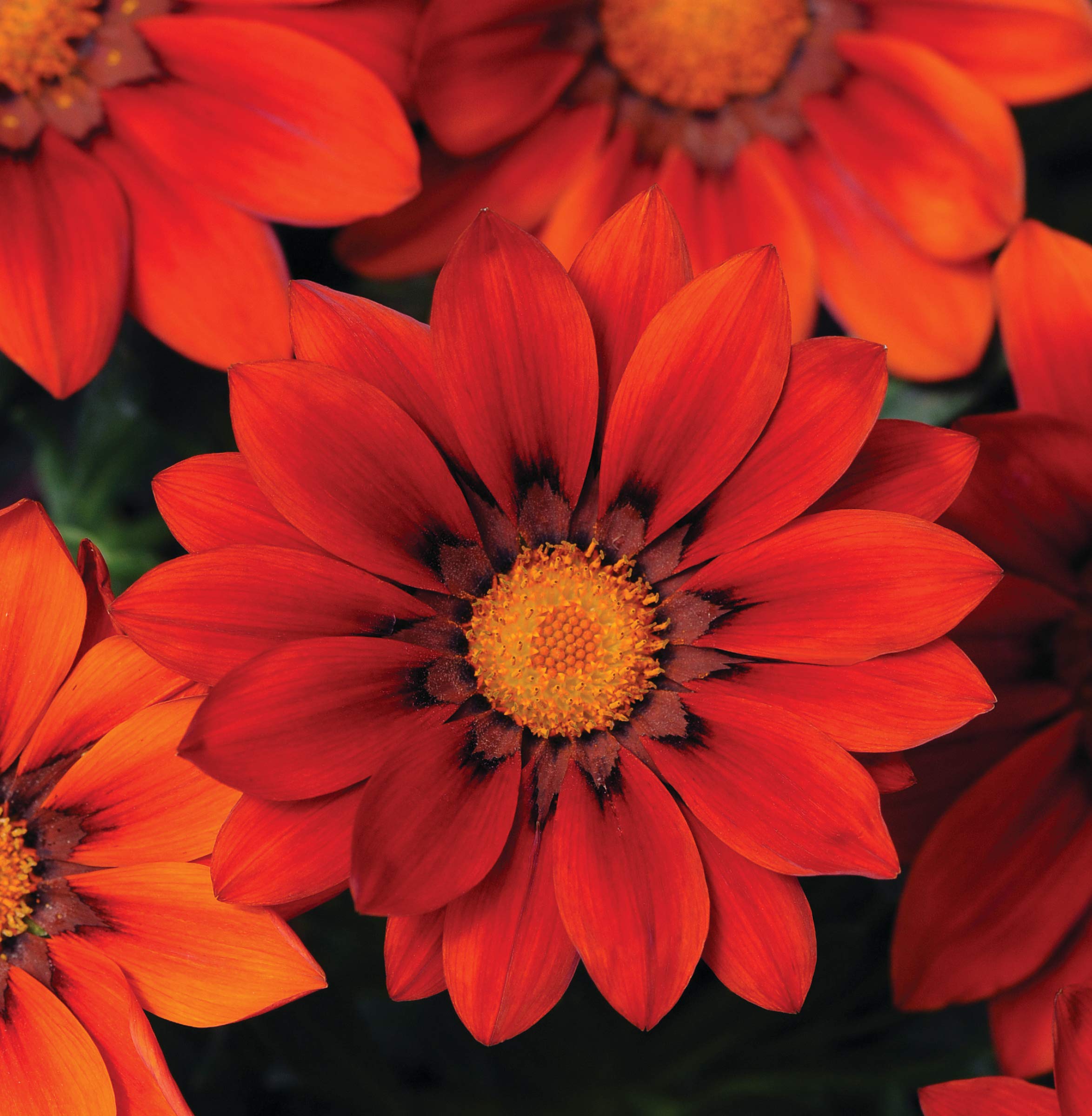
We’ve had mixed results with germination, so we recommend sowing extra seeds to ensure a good show of flowers. We’ve found these Outsidepride Gazania Red Shades seeds to be a fantastic addition to our garden. Once established, these Gazanias bloom profusely from spring through fall, with a brief slowdown during the hottest summer months.
Also great
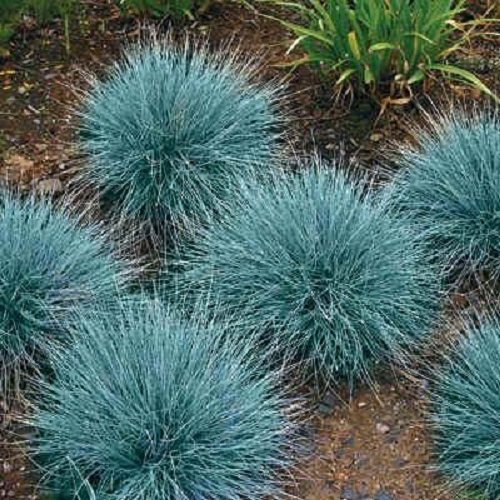
- Thrives in partial to full shade where many other plants struggle
- Returns year after year with minimal replanting or intervention
- Offers beautiful foliage and blooms even in low-light garden areas
Cons
- Fewer flower color options compared to sun-loving perennial varieties
- Some shade perennials spread vigorously and need occasional dividing
It’s marketed as drought-tolerant and low-maintenance, ideal for gardeners looking for hardy perennials. When selecting shade-tolerant perennials, we recommend considering several key factors to ensure the best choices for your garden. In its niche, it’s tough to find a better option.
Buying Guide
When selecting shade-tolerant perennials, we recommend considering several key factors to ensure the best choices for your garden.
Shade Level
Assess the amount of shade in your planting area:
- Full shade: Less than 2 hours of direct sunlight
- Partial shade: 2-4 hours of direct sunlight
- Dappled shade: Filtered light through tree canopies
Choose plants that match your specific shade conditions for optimal growth.
Soil Type and Moisture
Test your soil’s pH and drainage. Most shade perennials prefer slightly acidic to neutral soil with good moisture retention. Amend the soil if necessary to create ideal growing conditions.
Mature Size
Consider the mature size of each plant to ensure proper spacing. This allows for adequate air circulation and prevents overcrowding as plants grow.
Bloom Time and Color
Select a variety of plants with different bloom times to maintain visual interest throughout the growing season. Mix foliage colors and textures for added depth in your shady garden.
Hardiness Zone
Check your USDA hardiness zone and choose perennials that can withstand your local climate. This ensures your plants will survive winter and return year after year.
Maintenance Requirements
Consider your willingness to maintain the plants. Some shade perennials require more care than others.
Choose low-maintenance options if you prefer a hands-off approach.
By carefully evaluating these factors, we can select the best shade-tolerant perennials for our gardens. This will help us create beautiful and thriving shady spots.
Not bad. I’d add that soil prep matters way more than most people think.