Best-Selling Field Roller For Native Plant Farms in 2025: Top Models and Features
We independently select all products and services. If you click through links we provide, Plant Native may earn a commission with no extra cost to you. As an Amazon Associate I earn from qualifying purchases.
Last updated: October 21, 2026
Field rollers play a big role in agriculture. They’re used to compress soil, boost seed-to-soil contact, and break up clumps in fields.
On native plant farms, field rollers help create an even planting bed. That’s huge for healthy root growth and water absorption.
Using a roller can bump up germination rates and lead to more uniform plants. It’s one of those tools you don’t always realize you need—until you do.
A field roller designed for native plant farms has to strike a balance with weight and size. If it’s too heavy, it’ll compact the soil too much and mess with delicate roots.
Go too light, though, and you won’t get enough soil contact for the seeds to take. Durability really matters, since these things roll over rocky, uneven ground a lot.
When you’re choosing a field roller, take a look at the drum material, how easy it is to adjust the weight, and whether you can tow or handle it without hassle. Steel drums last a long time, but they might compact the soil more than you’d want.
Plastic or rubber drums are easier on the soil but they won’t last as long. We spent time testing and researching rollers that hit a sweet spot for native plant farms.
Best-Selling Field Rollers For Native Plant Farms
We picked out top field rollers for native plant farms based on durability, efficiency, and real user feedback. These products are all about improving soil contact and seedling establishment.
Our top pick
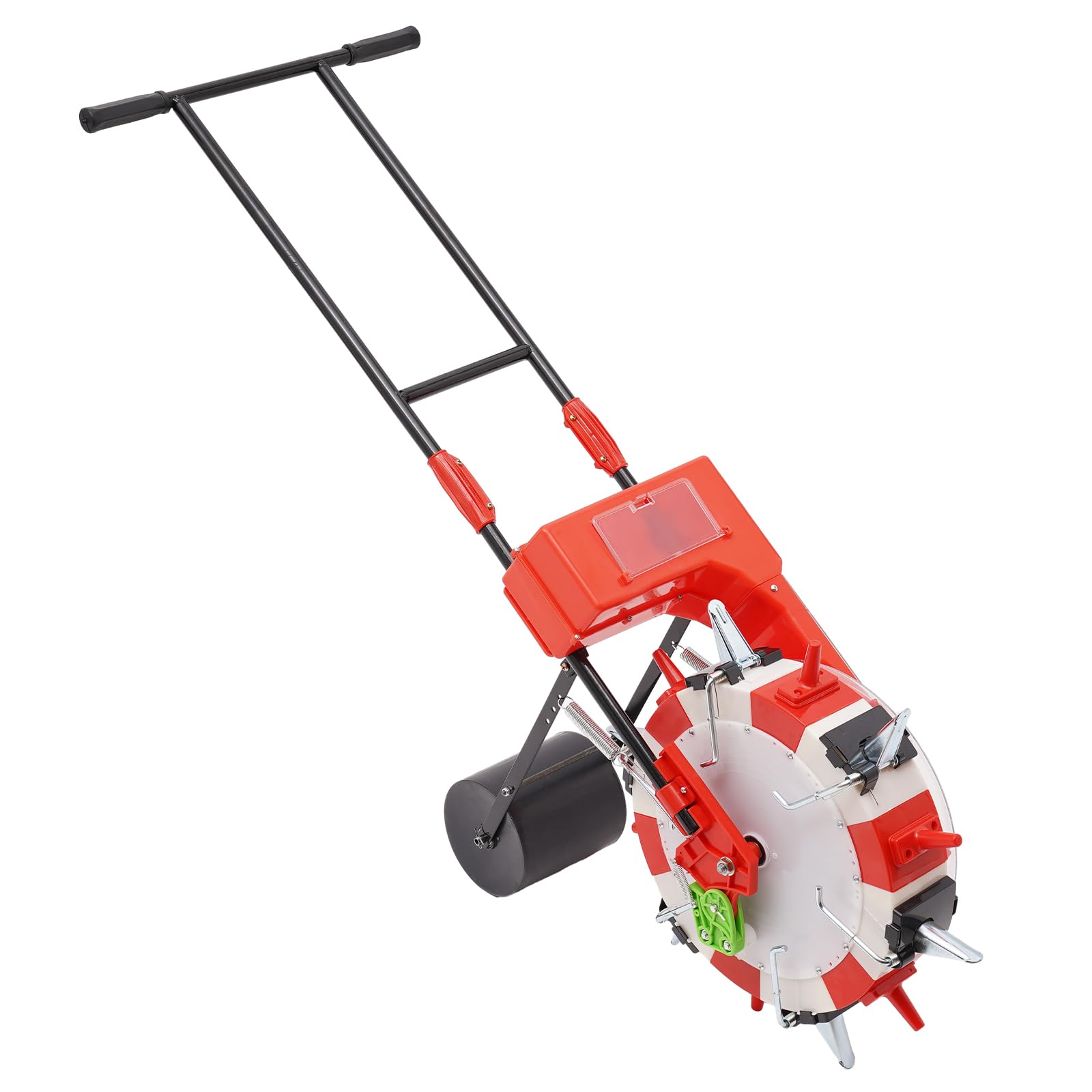
- Built tough with galvanized iron and strong plastic
- Lets you adjust seed spacing and sowing depth
- Comfortable, thick handrail—easy to handle
Cons
- Doesn’t work well in paddy or super wet fields
- Needs cleaning and oiling after use
- Takes a bit of practice to get seed placement right
We used the GOSHET Manual Seeder on hills and rocky soil, and it stayed accurate. The spring and suppression wheel pressed soil back around seeds, which seemed to help germination.
The clear seed box made it easy to keep an eye on seed levels. With the wide capacity, we didn’t have to stop and refill as often.
Pushing it was smooth, even over bumpy patches. That kept fatigue down, which is something I always appreciate.
It’s not meant for wet or muddy ground, so we avoided those spots. Assembly was mostly straightforward, though we did need the manual to dial in the seed settings.
Regular cleaning and oiling kept it running well. If you want a tool that’s sturdy and gives you control without being complicated, this seeder fits the bill.
Best runner-up
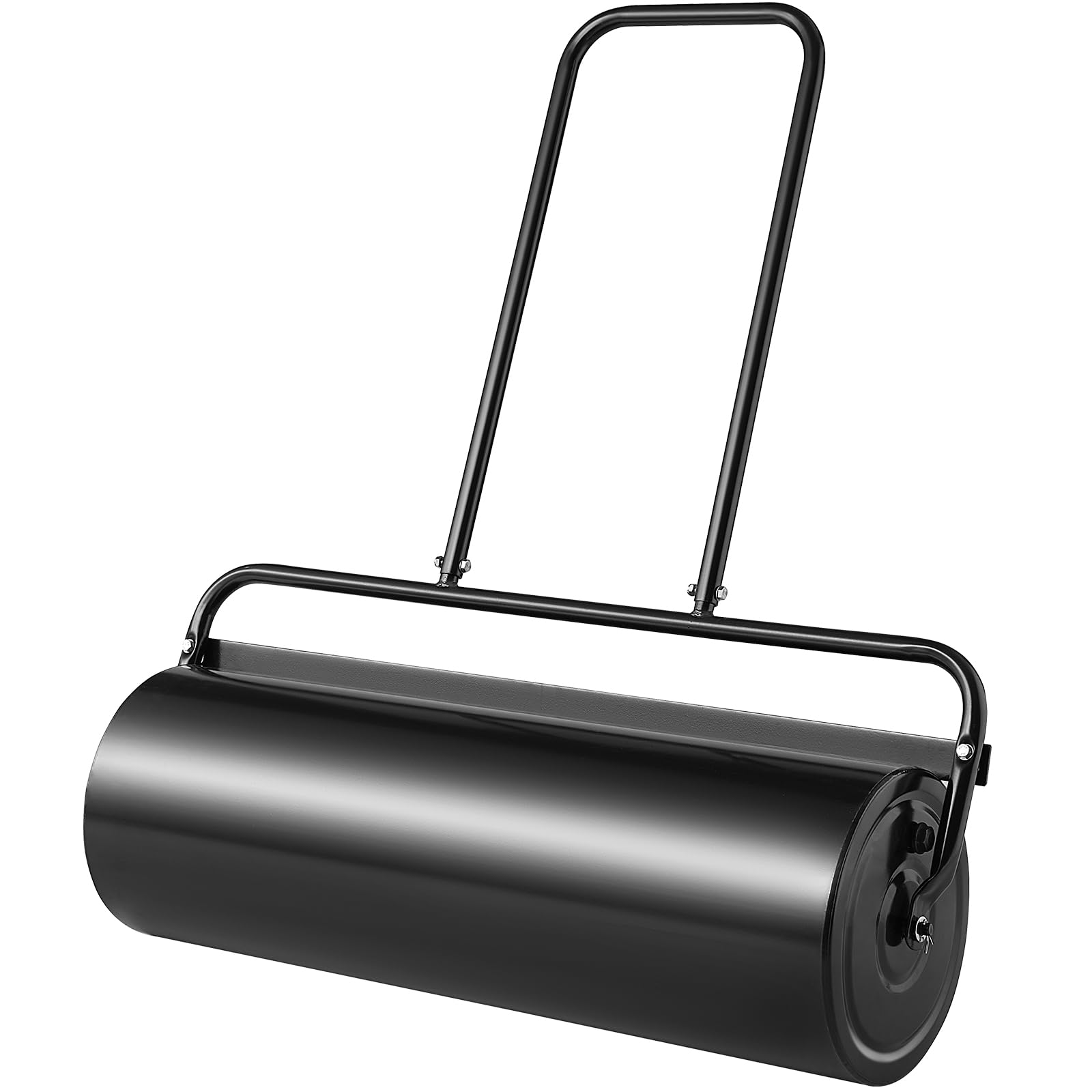
- Big 61L drum—holds water or sand for extra weight
- Push-pull handle makes it easy to move
- Steel drum with rust-resistant coating
Cons
- Feels light on really firm ground unless you add more weight
- Can get tiring to pull by hand on tough soil
- Takes a while to assemble and fill
We used the VEVOR Lawn Roller to smooth out uneven spots around our native plant beds. You can fill the drum with water or sand, which lets you adjust the weight for different soil types.
The U-shaped handle felt comfortable, and the roller glided over most ground with little effort. On denser soil, we had to push harder or use a tow.
It stores easily—you can hang it on a wall. The steel drum didn’t rust after being left outside, so that’s a plus.
For small to mid-sized native plant projects, it’s a practical way to get level soil.
Best budget option

- Can push by hand or tow behind a tractor
- Polyethylene drum resists rust and dents
- Filling and draining is easy with the tethered plug
Cons
- Assembly takes some patience and mechanical skill
- Handle attachment can swivel during use
- Gets heavy to push once filled
We liked being able to push it by hand in tight spots and tow it for bigger areas. The 28-gallon drum felt right—not too bulky, but heavy enough to get a solid roll.
The drum stood up to outdoor use and didn’t rust or dent. Rounded ends kept it from damaging edges when we turned sharply.
Assembly was a bit time-consuming, but the manual and online video helped. The handle’s single bolt did twist sometimes, which got annoying after a while.
Still, the Brinly roller is tough and versatile, and it’s a good tool for leveling soil and helping seeds take root.
Best premium choice

- Explains no-till roller/crimper techniques in detail
- Offers practical advice from real-world farm experience
- Shows how to improve soil health naturally
Cons
- It’s a book, not a physical roller
- Focused only on no-till farming
- Might be tough to follow without some background knowledge
We picked up this book to learn more about using roller/crimpers in no-till farming. It breaks down the process and explains why this technique helps soil and native plants.
The advice is practical, not just theory, so it’s easier to put into practice. It covers benefits like weed suppression and moisture retention.
If you want to get more out of field rollers on a native plant farm, there’s a lot to take away here.
Also great
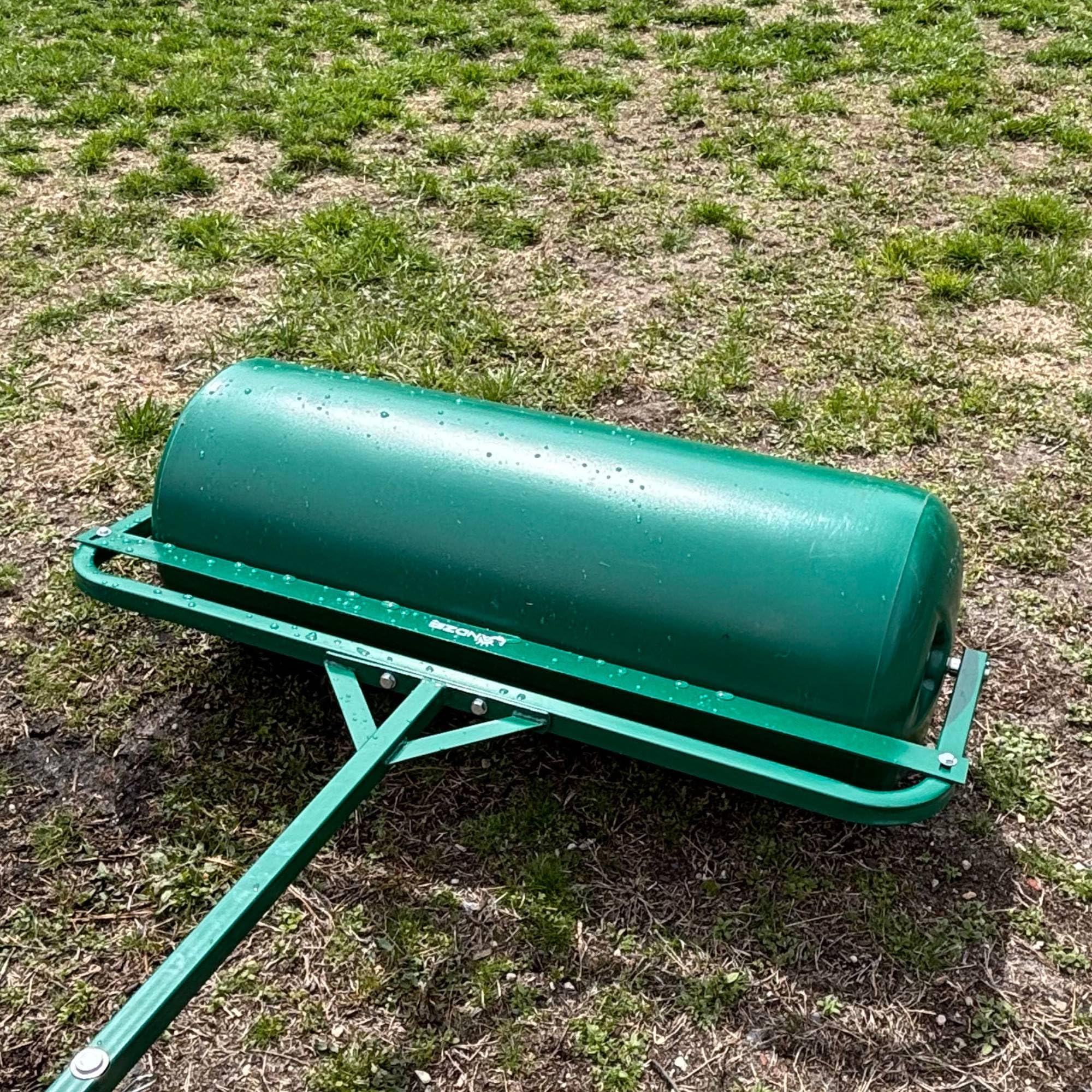
- Lightweight—easy to push or tow
- Drum fills with water so you can adjust weight
- Poly construction resists rust and stands up to the elements
Cons
- Bearings can loosen after lots of use
- Drum might shrink if you leave water inside
- Smaller size means more passes on big fields
We used the Landzie roller to press in seeds and level rough ground. Switching between pushing by hand and towing was simple, which made it flexible for different spots.
Filling the drum with water gave us control over how much pressure we wanted—enough for good soil contact but not so much that we packed the soil too tight. The plastic drum held up well and didn’t rust.
We did notice the bearings loosened after a while, so maintenance is something to watch. Always drain the water out before storing, or you might run into problems.
If you handle it with some care, it’s a reliable tool for native plant farm work.
When we’re picking a field roller for native plant farms, we look at a few key things. Weight matters—a heavier roller compacts soil better, but you’ll need stronger equipment to pull it.
Size and width come into play too. A wider roller covers more ground, but it’s harder to maneuver in tight spots.
Durability is a must. Rollers made from heavy-duty steel or reinforced materials last longer and don’t need as much upkeep.
Check if the roller matches your tractor or towing vehicle. You don’t want to deal with modifications later.
Think about how easily you can move the roller between fields or over bumpy ground. Some designs just make life easier.
Look for simple, user-friendly features. Foldable frames or extra handles can make storage and handling a lot less of a headache.
Buying Guide
When we’re picking a field roller for native plant farms, we look at a few key things. Weight matters—a heavier roller compacts soil better, but you’ll need stronger equipment to pull it.
Size and width come into play too. A wider roller covers more ground, but it’s harder to maneuver in tight spots.
Durability is a must. Rollers made from heavy-duty steel or reinforced materials last longer and don’t need as much upkeep.
Key Features to Look For
| Feature | Importance | Our Notes |
|---|---|---|
| Weight | Ensures effective soil compaction | Balance weight with tractor power |
| Width | Affects coverage and maneuverability | Choose width based on field size |
| Material | Determines durability and maintenance | Steel is preferred for longevity |
| Ease of Attachment | Influences setup time and compatibility | Check for universal hitch options |
| Maintenance Needs | Affects long-term usability | Low-maintenance designs save time |
Check if the roller matches your tractor or towing vehicle. You don’t want to deal with modifications later.
Think about how easily you can move the roller between fields or over bumpy ground. Some designs just make life easier.
Look for simple, user-friendly features. Foldable frames or extra handles can make storage and handling a lot less of a headache.