Top 5 Durable Row Tarp to Consider for Farm Managers in 2025
We independently select all products and services. If you click through links we provide, Plant Native may earn a commission with no extra cost to you.
Last updated: November 17, 2026
Protecting crops and soil is crucial for farm managers who want to keep productivity up and avoid unnecessary damage. Row tarps give you a straightforward way to shield plants from things like frost, heavy rain, or that relentless summer sun.
These tarps are built for efficiency, letting you cover rows of crops without blocking growth. Most use tough materials—think polyethylene or woven fabric—that can really take a beating from weather and regular handling.
Size and ease of use matter too. You want something you can throw on quickly, but that still fits your setup.
When picking a tarp, focus on material strength, UV resistance, size options, and whether water seeps through. Durability and protection are the big ones—nobody wants to replace tarps every season.
We tried out a bunch of heavy-duty row tarps to see which ones actually hold up and make life easier, without costing a fortune.
Top 5 Durable Row Tarps for Farm Managers
We dug through the options to find the most durable row tarps that can handle whatever your farm throws at them. Our picks focus on quality, longevity, and features that really matter in the field.
Our top pick

- Reinforced corners really hold up under stress
- Sturdy, rust-resistant grommets for easy tie-downs
- Thick material shrugs off rips and UV damage
Cons
- Not as thick as some pricier tarps
- Corners feel stiff out of the box—takes time to soften
- Limited size choices in certain thicknesses
We used the TICONN tarp to shield equipment and materials from rain and sun, and it didn’t tear, even after several uses. Those reinforced corners really help when you need to stretch it tight over awkward shapes.
The rustproof aluminum grommets are spaced evenly, so setup and secure fastening go quickly. The material isn’t the thickest out there, but it’s tough enough for general protection and doesn’t fade much in the sun.
We covered everything from tractors to feed supplies with it. For the price, it’s a practical, everyday workhorse.
Best runner-up

- Heavy-duty canvas doesn’t rip easily
- Rustproof aluminum grommets keep tie-downs secure
- Reinforced corners add serious lifespan
Cons
- Smaller size limits coverage for bigger jobs
- Heavier than plastic tarps, so less portable
- Water resistance is decent, but not totally waterproof
The 12 oz canvas held up against wind and rain in our tests. We tied and untied it repeatedly, and still didn’t see any real wear.
The grommets stayed rust-free and let us pull the tarp tight on uneven ground. Corners with vinyl reinforcement meant no fraying, even after weeks outside.
At 5×7, it’s really for smaller piles or equipment, not whole fields. It resists water, though after a soaking rain, you might see a few damp spots. Still, it’s a solid alternative to plastic tarps that fall apart too fast.
Best budget option

- Polyester keeps things dry during heavy rain
- Light and easy to move wherever you need it
- Reinforced loops make tie-downs simple
Cons
- Material feels a little thin for rough use
- Loop stitching could be beefier
- Not big enough for large areas
Rain rolled right off in our tests, and the tarp kept our gear dry. It’s light enough to move around the farm without a struggle, which matters when you’re covering different rows or equipment.
Tie-downs stayed put even when it got windy, thanks to the reinforced webbing loops on the edges. The stitching could be stronger, though, if you’re planning to use it nonstop.
At 5×16 feet, it covers a decent chunk, but you’ll need more than one for bigger spaces. For easy handling and reliable water resistance, it’s a good fit.
Best premium choice
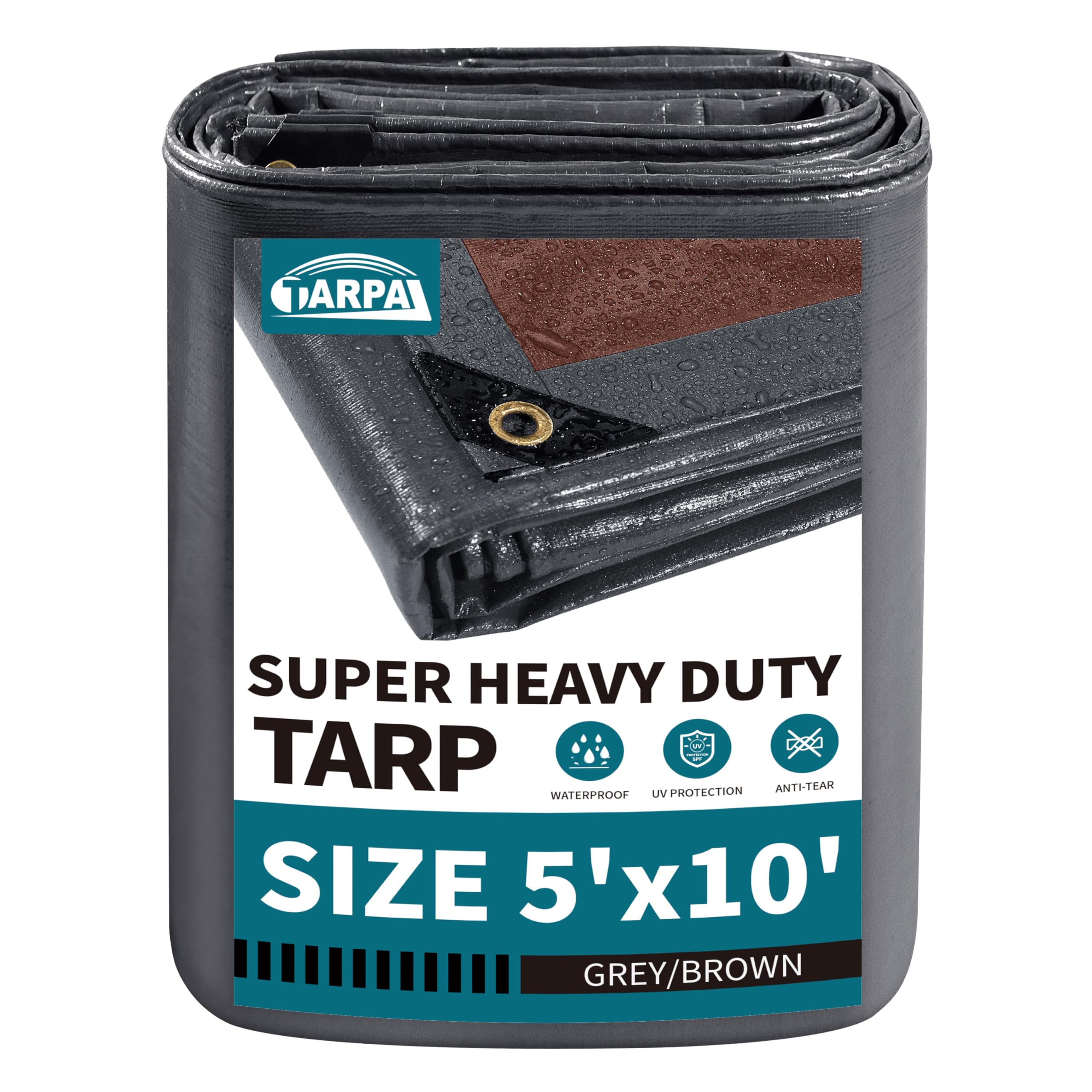
- Really thick material stands up to abuse
- Grommets are sturdy and spaced close together
- UV resistance keeps things safe from sun
Cons
- Heavy, so not easy for one person to move
- Size could be too small for big jobs
- Thick material dries slowly after rain
We used this tarp to cover a firewood pile during a rainy, windy spell. It didn’t budge, and the dense fabric didn’t tear, even after a lot of handling.
The grey color looks a bit nicer than your average utility tarp, so it doesn’t stick out if you use it for vehicles or equipment. UV protection held up in direct sun, which we liked.
It’s not the easiest to move by yourself, but that’s the trade-off for something this tough. For farm managers who want a tarp that lasts, this one gets the job done.
Also great
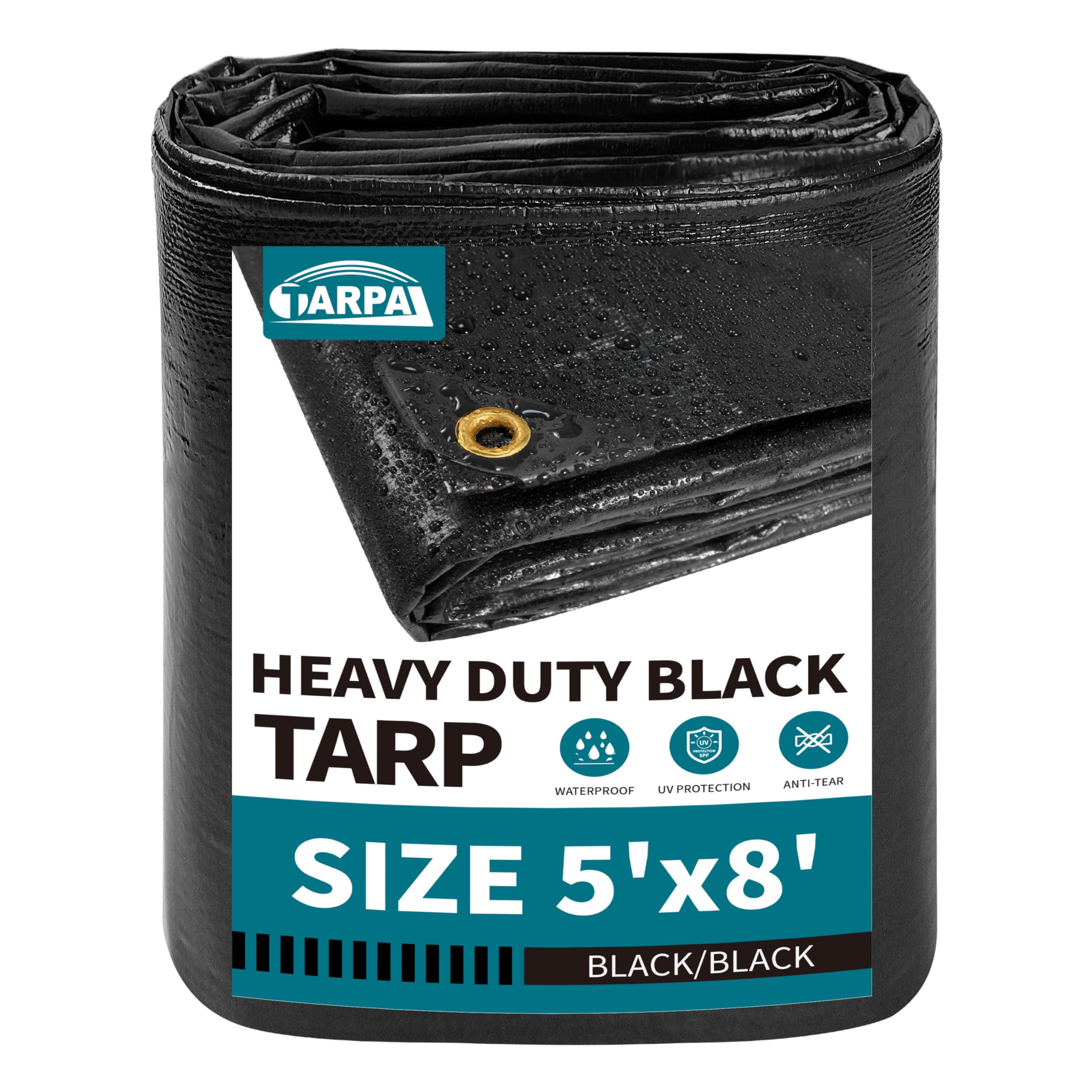
- Thick 14 mil fabric resists tears and wear
- Reinforced, rust-resistant grommets make anchoring easy
- Good for UV and snow protection all year
Cons
- Size is on the small side
- Edges feel stiff at first
- Black color soaks up heat in the sun
The TARPAL tarp felt much tougher than the lightweight stuff. It held up on windy days and kept our feed and equipment dry during rain and snow. That double-coated surface feels solid—not flimsy—so we weren’t worried about rips.
Grommets are secure and spaced well, so anchoring is simple even when it’s pulled tight. It folds up neatly, but the stiffness takes a bit to work out when new.
The black color does get hot in direct sunlight, but the UV protection helps keep things underneath safe. For smaller jobs or seasonal use where you want tough fabric that won’t fall apart, it’s a reliable pick.
Weight can be tricky. If the tarp’s too heavy, moving it is a pain. Too flimsy, though, and the wind will have it halfway across the field.
Buying Guide
When you’re picking out a row tarp for the farm, durability really tops the list. Go for something tough—polyethylene or vinyl usually does the trick because they can handle rough weather and don’t tear easily.
Size and coverage matter more than you might think. Measure your rows or beds first, so you don’t end up with a tarp that’s either flapping everywhere or just barely covering what you need.
Don’t forget about UV resistance. Sun beats down pretty hard, and a regular tarp will break down fast. Look for ones that mention UV inhibitors; they’ll last longer and keep your crops safer.
Water resistance is a must. You want a tarp that keeps the rain out, right? Check for waterproof coatings and seams that don’t leak, but sometimes a little breathability helps too.
Weight can be tricky. If the tarp’s too heavy, moving it is a pain. Too flimsy, though, and the wind will have it halfway across the field.
| Feature | Importance | What to Look For |
|---|---|---|
| Material | High | Heavy-duty polyethylene/vinyl |
| Size | Medium | Matches row length and width |
| UV Resistance | High | UV inhibitors included |
| Water Resistance | High | Waterproof with sealed seams |
| Weight | Medium | Balance between durability and manageability |
Always check out the tarp’s edge reinforcements and the grommets or tie-down spots. Good, sturdy edges and solid fasteners make life a lot easier and keep the tarp from ripping when the wind picks up.
We independently select all products and services. If you click through links we provide, Plant Native may earn a commission with no extra cost to you. As an Amazon Associate I earn from qualifying purchases.