Top 5 Picks: Heavy-Duty Pest Repeller for Modern Farmers to Protect Crops Efficiently
We independently select all products and services. If you click through links we provide, Plant Native may earn a commission with no extra cost to you.
Last updated: November 8, 2026
Heavy-duty pest repellers have become an essential tool for modern farmers looking for chemical-free solutions to protect crops and livestock. These gadgets use ultrasonic sound waves, electromagnetic pulses, or other clever methods to keep wildlife and insects at bay—without harming the environment.
Compared to traditional pesticides, pest repellers give you a safer, low-maintenance option. You can use them continuously across large farming areas, which is a relief if you’re tired of reapplying sprays.
For farmers, a heavy-duty pest repeller needs to survive outdoor conditions, cover wide ranges, and actually target the pests that matter most on a farm. Power source, durability, range, and frequency settings—those are the features that matter. Some models even offer solar charging or multiple repelling modes, which can help save money and hassle over time.
When picking a pest repeller, we look at coverage area, weather resistance, energy efficiency, and the types of pests it targets. These details really shape how well a device works out in the field.
We tested a bunch of options and narrowed it down to the most reliable, tough, and effective units for today’s farms.
Top 5 Heavy-Duty Pest Repellers for Modern Farmers
We’ve researched and tested a range of pest repellers built for tough agricultural environments. Here are the most effective and durable choices to help protect your crops and livestock from pests.
Our top pick

- Covers a wide pest range with multiple sound frequencies
- Energy efficient at just 3–5 W per unit
- Safe for humans and pets—no chemicals
Cons
- You’ll wait several weeks to see effects
- Not great for heavy infestations
- Some users complain about durability
The Haycone Ultrasonic Repeller is a handy option for managing pests like roaches, mosquitoes, and rodents when the problem isn’t out of control. Its three switchable sound modes (20–60 kHz) target different pests, which is useful on a farm with a mixed bag of critters.
Setup is easy—just plug it in. Each unit draws only 3–5 W, so you can leave the six units running around the clock.
The maker says results typically take one to two weeks and up to three to four weeks for full effect. If you’re dealing with a big infestation, you’ll probably need to add other control methods.
Some buyers have concerns about how sturdy it is, so it suits small-to-medium indoor spaces best.
Best runner-up
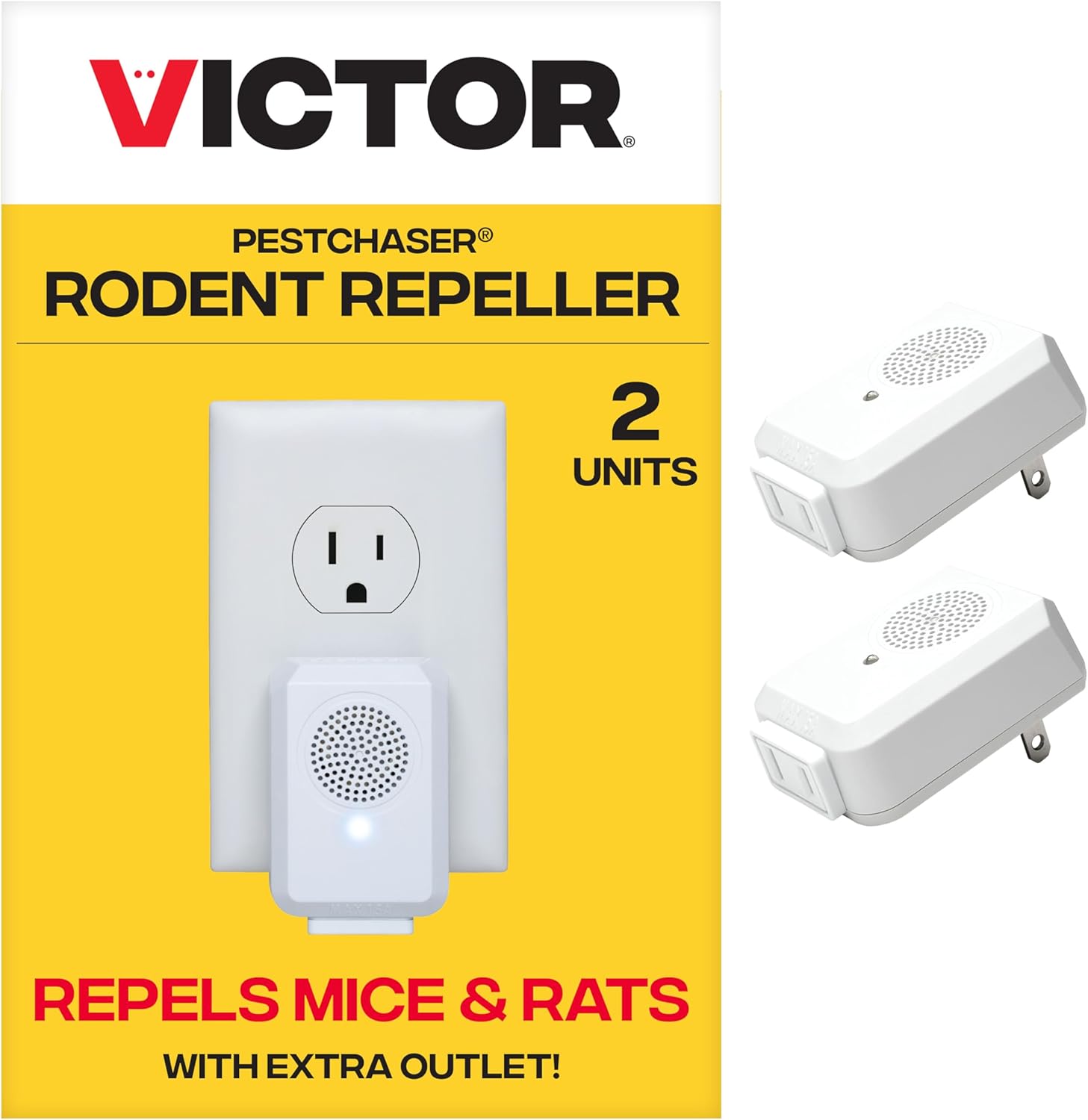
- Inaudible to people; safe around people and non-rodent pets when used as directed
- Pass-through outlet means you don’t lose plug space
- Built-in nightlight for dark corners
Cons
- Placement matters—a lot. Obstacles block effectiveness
- Covers one average-size room, so you’ll need extras for bigger spaces
- Targets rodents only, not insects
The Victor M752PS works best when it has a clear path—keep it free of furniture or curtains so the ultrasonic sound can spread through the room.
It feels good to use something that skips chemicals or traps, especially near livestock or where you store food. The built-in nightlight and extra outlet are nice touches, too.
For barns or big storage areas, you’ll want several units since the sound won’t go through walls. This pack includes two.
All in all, it’s a low-maintenance, safe rodent control option that fits well in an integrated approach.
Best budget option
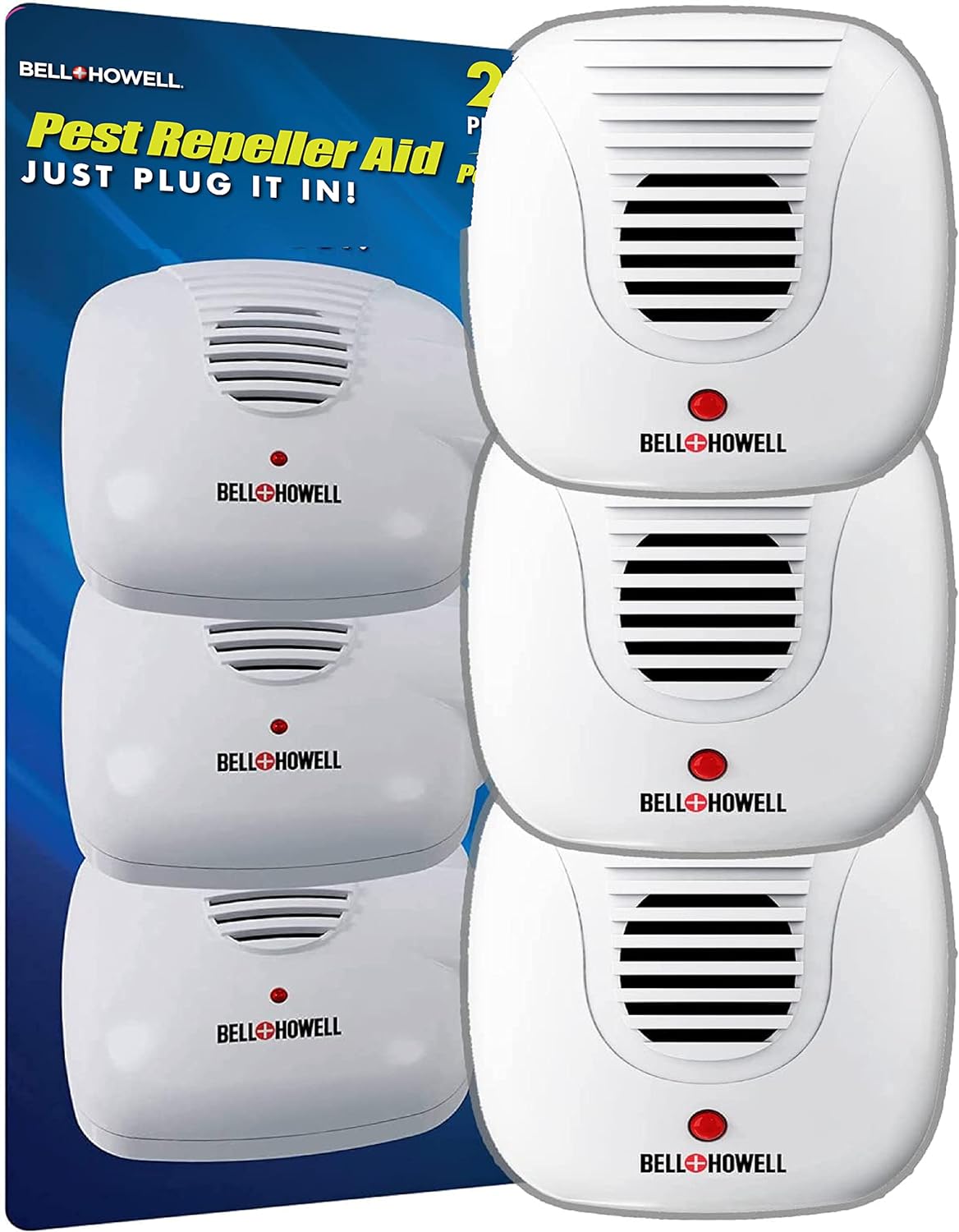
- Odor-free and chemical-free, safe for families and pets
- Variable ultrasonic frequencies help keep pests from getting used to the sound
- LED indicator shows the unit is working
Cons
- You’ll need multiple units for big farm buildings
- Works better on some pests than others
- Results take time and vary by space
The Bell+Howell kit is easy to set up around barns, storage rooms, offices and kitchens—just plug in each of the three units.
It uses a mix of ultrasonic frequencies aimed at mice, rats, spiders, ants and roaches, and the LED indicator light lets you know the waves are working.
For bigger spaces, you’ll still need enough units to hit every corner, since ultrasonic sound doesn’t pass through walls.
The low price and chemical-free design stand out. No poisons or traps, so it’s comfortable to use near animals and people.
Best premium choice
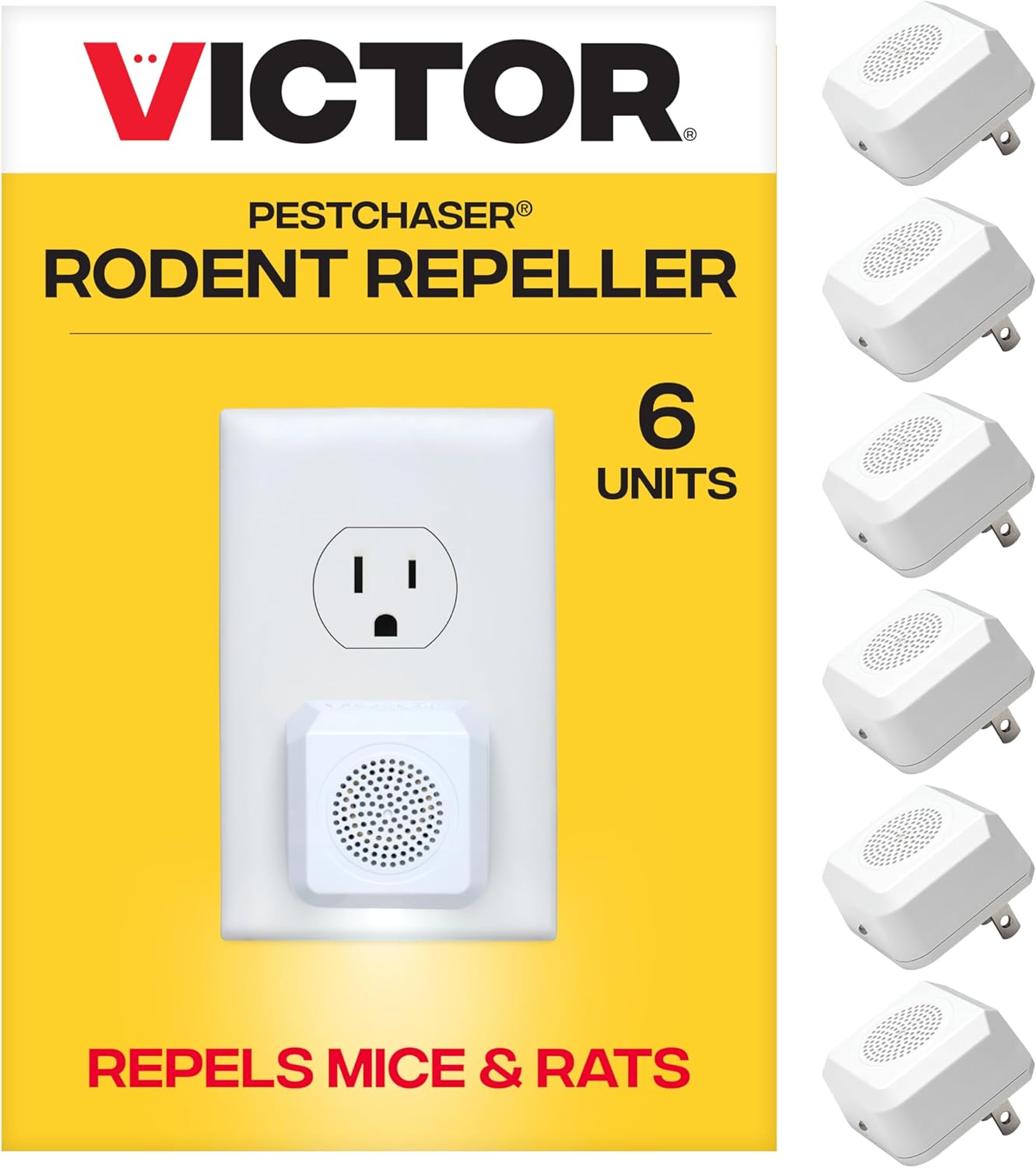
- Plug it in—done. No extra setup
- Non-toxic and poison-free; safe around children and non-rodent pets
- Six compact units cover multiple average-size rooms
Cons
- Each unit covers only one average-size room
- Targets mice and rats, not insects
- Won’t send sound through walls
The Victor PestChaser is straightforward—just plug it in and let it work quietly. Its high-frequency sound is inaudible to humans, and it’s handy in kitchens and storage rooms since it doesn’t give off smells or chemicals that could bother livestock or workers.
With six units in the box, you can place one in each room you need to protect, and the built-in nightlight adds soft illumination.
This repeller makes pest management less hands-on and skips the chemicals. It fits into the daily routine of farmers who want to protect food storage and living areas without extra risks.
Also great
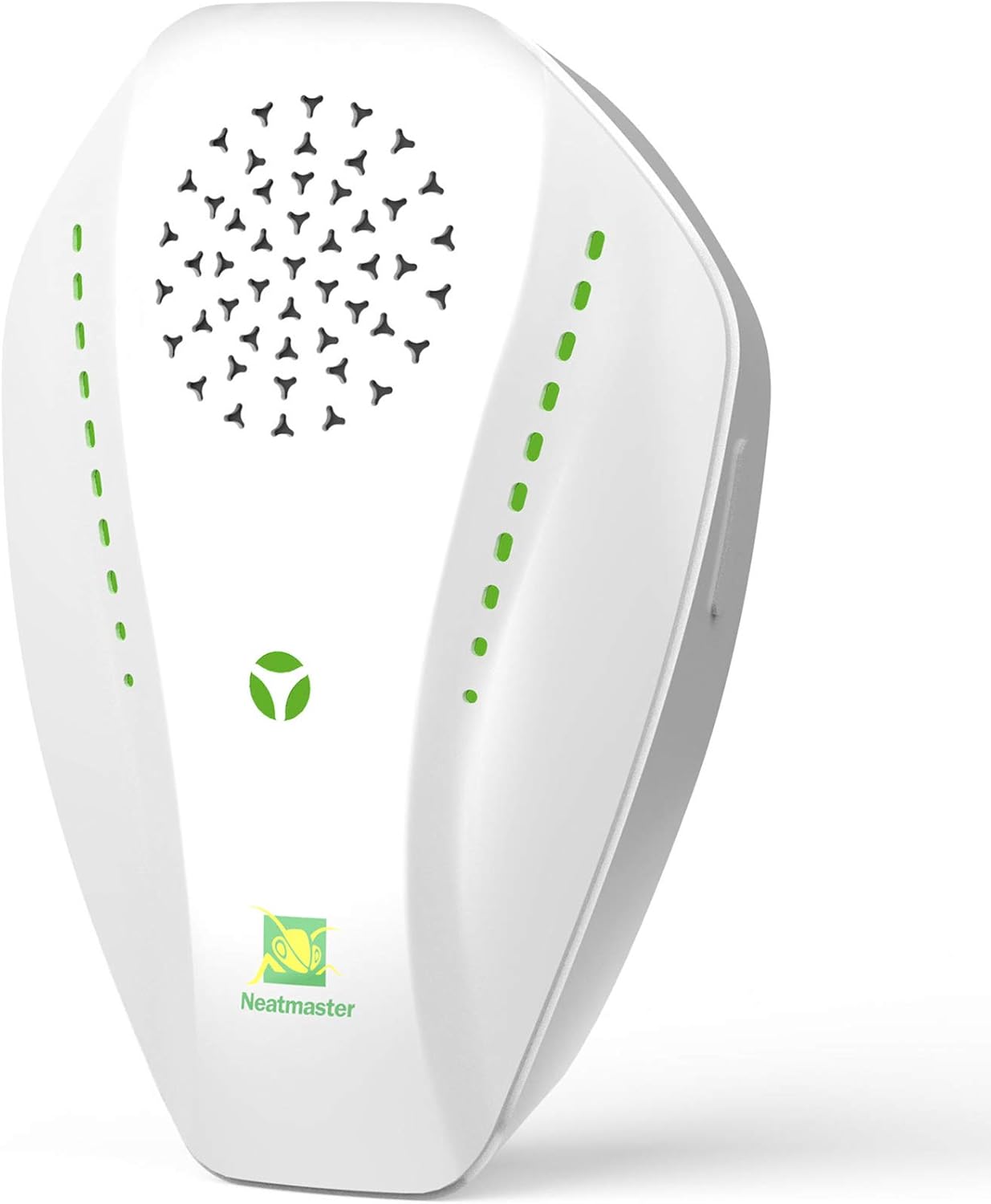
- Covers large indoor areas—up to 800–1,200 sq ft
- Three modes (green, blue, red) for light, moderate or heavy infestations
- Chemical-free and poison-free
Cons
- Typical results take 3–4 weeks
- Some pests just don’t care
- Ultrasonic waves don’t travel through walls
The Neatmaster covers a good chunk of space, which is key for farm buildings or storage rooms with lots of entry points.
The three modes let you step up the output as the infestation gets worse, and the colored indicator shows which mode is running.
It’s simple to use—just plug it in and pick a mode. The maker notes results typically take three to four weeks, so it isn’t instant.
If pests are stubborn, you might want to pair this with another control method. Still, this repeller can cut down on pests without the mess or risks of chemical traps.
Buying Guide
When I pick out a heavy-duty pest repeller, the first thing on my mind is coverage area. The device really needs to cover the whole farm, or what’s the point?
I always check out the power source options too. Solar-powered or battery-operated machines work great for remote spots where plugging in just isn’t possible.
The type of pests targeted matters a lot. Some gadgets chase off rodents, others go after insects, and a few deal with bigger animals. I try to figure out which pests are actually causing trouble before buying anything.
Durability and weather resistance can’t be ignored. The equipment sits outside all day, so it better handle rain, dust, and whatever the weather throws at it.
Sound frequency range is another thing I check. The device should blast frequencies that annoy pests but don’t bother people or livestock. If it lets me tweak the settings, that’s even better.
| Feature | What to Look For | Why It Matters |
|---|---|---|
| Coverage Area | Matches farm size | Ensures full pest control |
| Power Source | Solar, battery, or plug-in | Determines ease of use |
| Pest Type | Specific pests targeted | Effectiveness on relevant pests |
| Durability | Waterproof and dustproof | Long-lasting outdoor use |
| Frequency Range | Adjustable ultrasonic or sonic | Customizable pest deterrence |
I can’t stand complicated setups, so ease of installation is a big deal. If I can get it running quickly and not fuss with it much, that’s a win.
Staying within budget while checking off these features seems like the smartest way to protect the crops.
We independently select all products and services. If you click through links we provide, Plant Native may earn a commission with no extra cost to you. As an Amazon Associate I earn from qualifying purchases.