6 Best Pine Trees To Grow In Texas
Last updated: August 25, 2026
⚡ Quick Facts: Pine Trees for Texas
- Best zone: East Texas (zones 7–8) is ideal for pines; West Texas is challenging (very dry)
- Native pines: Loblolly Pine and Shortleaf Pine are native to East Texas
- Heat tolerance: Afghan Pine and Pinyon Pine handle West Texas heat and drought best
- Fastest grower: Loblolly Pine — up to 2 feet per year
- Best for wildlife: Loblolly provides nesting for red-cockaded woodpeckers and dense cover for deer
- Planting tip: In alkaline West Texas soils, amend with sulfur to lower pH before planting
West Texas is characterized by subzero temperatures in the winter and very hot temperatures during the summer. It is estimated that there are only 12 inches of rain per year at elevations between 3,000 and 4,500 feet, mostly in midsummer.
There are many areas in this region such as Amarillo, Lubbock, Odessa, and El Paso that need trees that are hardy and durable to provide shade and shelter from the wind.
This is a short list of some of the best Types of Pine Trees in west Texas that you can plant in your landscape that are fast-growing as well as commercially valuable!
A native of Texas, the pine tree is one of the most widespread trees in North America. As a hardy tree, it can adapt to different conditions of the environment and can last a long time.
There are also many other uses for these trees, including furniture, land management, construction, and many other purposes. Here are some of the plants of the pine tree family that are most famous in the western part of Texas.
Loblolly Pine Tree
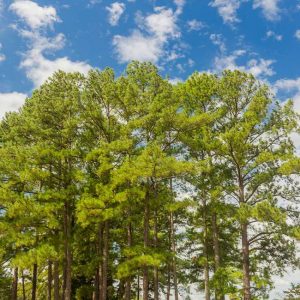
Because of its speedy growth, the Loblolly Pine has become a very popular tree for gardeners and landscapers looking to establish privacy quickly.
It has a neat oval shape, slender needles and red-brown cones with a dark green color, making it an attractive landscape element.
A long-living tree with a height of 60-90 feet at maturity, you’ll be able to enjoy this tree for generations to come!
This tree native to the southeast of the United States is easy to grow, and it can tolerate heat, flooding, poor soil conditions, and even moderate drought conditions.
The Loblolly Pine makes a great addition to any yard because it provides shelter and food for many of the animals in the Southeast, including chickadees, nuthatches, turkeys, chipmunks, squirrels, and many more.
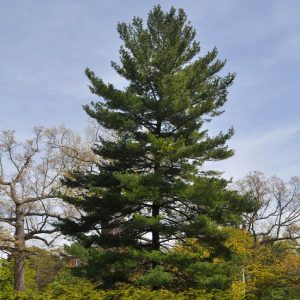
Consider planting a tree that will live for generations. As long as they are given the proper care and attention, Eastern White Pine Trees can live for centuries, especially since they thrive down to -30 degrees Celsius and adapt well to almost any environment.
Eastern White Pines are suitable for large, open spaces or under the canopy of taller trees, such as Aspens and Birches.
This tree is capable of adapting to any landscape. A large, open space is no problem for this plant, which also tolerates most types of soil and boasts evergreen foliage that is beautiful all year-round.
You will also enjoy observing the snow-covered branches full of needles and pine cones against the backdrop of the white and gray of winter.
The Eastern White Pine is also loved by wildlife for its ability to attract them.
It is no wonder why porcupines, red squirrels, snowshoe hares and so many other animals love the bark of the Eastern White Pine, so it is an excellent choice for a graceful show in your own backyard.
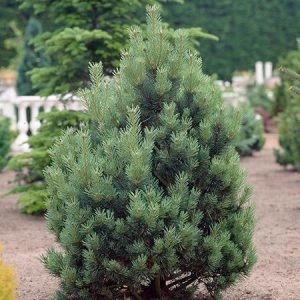
Among the top privacy trees in urban environments because it has a high tolerance for pollution and smog, the Austrian Pine is one of the most popular choices.
Black Pines, also known as ‘European Black Pines’, grow as lush, solid living walls.
As one of the largest tree species in the world, Austrian Pines reach heights of 40 to 60 feet when planted individually or in rows, growing to such an extent that they will block your neighbor’s view of your home while at the same time adding beauty to the landscape.
With a high salt tolerance, they are able to thrive near the coast and in northern regions, where salt sprays are used during the winter months.
Due to their high salt tolerance, they will flourish near the coast as well as in Northern areas, where salt sprays are commonly used in the winter.
It’s also worth noting that Austrian Pines were planted during the dust bowl because they were one of the only varieties that could survive the dry, windy conditions and the depleted soil that these conditions brought.
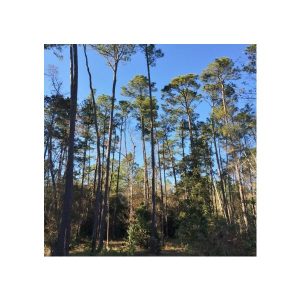
In the Southeast, the magnificent Longleaf Pine Tree (Pinus palustris) remains an extremely important resource.
These trees provide saw timber as well as pine straw mulch, which is of considerable value.
Nature Hills cultivators take special pride in producing plants of the highest quality for your property.
Ultimately, a well-managed plantation or stand of Longleaf Pines can serve as a source of income for your grandchildren and great grandchildren.
In mature trees, the trunks are extremely straight, and the limbs reach a height of 50 feet.
These poles are heavy, resistant to rot and termites, and perfect for power lines and telephone lines.
A brown bark with slight orange overtones covers the straight trunk of this tree. As a result, it occupies a prominent position in the landscape.
Japanese Black Pine
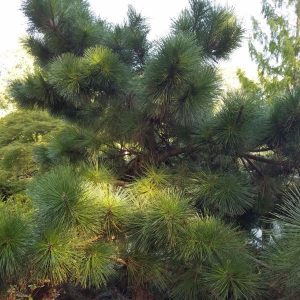
The Japanese Black Pine, Pinus thunbergiana, is a very adaptable tree and the most common landscape tree in its native country!
This variety is notable for its striking, free-form growth and expressive needles.
This plant can grow in a wide range of soil types and moisture conditions, and is tough enough to thrive in adverse conditions.
The rugged nature of this plant and its rapid growth make it an excellent choice for wind screens; it can also be trained into bonsai forms or can be trimmed to suit any size garden.
A great choice for coastal areas due to its salt tolerance. This stunning dramatic Japanese Black Pine is becoming increasingly popular due to its ease of maintenance and pest resistance.
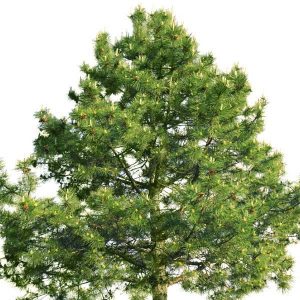
There are many words that describe this popular tree, such as classic, regal, and festive.
Regardless of who you are and what you think about pine trees, one look at the French Dark Green Scotch Pine (Pinus sylvestris ‘French Dark Green’) may be enough to make you say, “oh la la!”
It would be remiss of us if we did not mention that Scotch Pine is one of the most popular varieties of Christmas Tree that is available today.
It is easy to see why this plant is so popular due to its appealing symmetrical pyramid shape and its pleasing lush dark green, almost blueish color.
In this pine, the needles grow in clusters of two, making for a very full looking tree due to the clustering of the needles.
You can picture the earth being softened by white blankets of snow. The sound of carolers singing their way down the street can be heard.
You are sipping hot chocolate on the stove while admiring your lovely French Dark Green Scotch Pine that is decked out in Christmas lights, garlands, and ornaments in your front yard. Even if that is not enough to make you want to snuggle up in front of the fireplace, there is nothing that will!

Looking for a nursery that carries native evergreen trees in Texas?
Browse our native plant nursery directory: Texas
Choosing the Right Pine for Your Texas Region
Texas is a huge state spanning multiple climate zones — the pine that thrives in East Texas may die in West Texas, and vice versa. Here’s a regional breakdown:
East Texas (Piney Woods Region)
This is pine country. The acidic, sandy soils and higher rainfall (40–60 inches/year) of East Texas support naturally occurring pine forests. Native species like Loblolly Pine and Shortleaf Pine are the easiest choices — they’re already adapted to local soil and climate. The Piney Woods ecoregion extends from the Louisiana border west to roughly I-45. For landscape plantings, Loblolly is the go-to choice for fast growth and excellent wildlife value.
Central Texas (Hill Country to I-35 Corridor)
More challenging for pines due to alkaline limestone soils and less rainfall (25–35 inches/year). Eldarica (Afghan) Pine performs surprisingly well here — it’s drought-tolerant and handles alkaline soils better than most pines. Italian Stone Pine is another option for central Texas, providing a distinctive umbrella-shaped form and edible pine nuts as a bonus.
West Texas (Trans-Pecos, Panhandle)
The most challenging environment for pines. Pinyon Pine is the best native option for higher elevation areas of West Texas (Big Bend region, Davis Mountains). In the drier Panhandle, most pines struggle with the intense heat, alkaline soils, and very low humidity. Consider drought-tolerant junipers or cedars as alternatives in these areas.
For more on Texas tree planting, see our guides on pine trees for Austin and cherry trees for Texas.
Frequently Asked Questions
Can pine trees survive in the Dallas–Fort Worth area?
Yes, with the right species. Eldarica Pine (Afghan Pine) and Loblolly Pine both do reasonably well in DFW, which receives about 35 inches of rain per year. Avoid Slash Pine and Longleaf Pine, which are too humidity-dependent for DFW’s drier summers. Loblolly Pine planted in slightly acidic soil with regular watering in the first few years can establish well throughout North Texas.
How fast do pine trees grow in Texas?
Growth rates vary significantly by species and location. Loblolly Pine is the fastest, growing 1–2 feet per year in favorable East Texas conditions. Eldarica Pine grows about 1 foot per year in Central Texas. Pinyon Pine is the slowest — typically 4–6 inches per year, though it’s extremely long-lived. Providing adequate water in the establishment phase dramatically improves early growth rates regardless of species.
Do pine trees lose their needles in Texas?
All pines shed older needles periodically, but they’re considered evergreen — they don’t go bare in winter like deciduous trees. Loblolly and Eldarica pines drop their oldest (innermost) needles each fall, which is normal. A sudden, dramatic needle drop accompanied by new shoots turning brown could indicate pine wilt disease (spread by pine sawyer beetles), which is a serious problem in Central and East Texas.
What is the best pine tree for privacy in Texas?
For privacy screening in Texas, Eldarica (Afghan) Pine is one of the best choices outside of East Texas. It grows quickly to 30–80 feet, maintains a dense, columnar to pyramidal form, and is far more drought and alkaline-soil tolerant than most pines. In East Texas, Loblolly Pine provides faster establishment and excellent screening, though its form is less formal. For a formal hedge or screen, Leyland Cypress (though technically not a pine) is another proven performer across most of Texas.