
5 Standout Premium Biodegradable Mulch for Native Plant Farms Enhancing Growth and Sustainability
We independently select all products and services. If you click through links we provide, Plant Native may earn a commission with no extra cost to you. As an Amazon Associate I earn from qualifying purchases.
Last updated: September 10, 2026
Mulch is essential in landscaping and farming. It protects soil, keeps moisture in, and helps keep weeds at bay.
Biodegradable mulch gives you an eco-friendly alternative to plastic. It breaks down naturally and doesn’t leave behind harmful residues.
This mulch is especially useful for native plant farms. Here, soil health and reducing environmental impact matter a lot. Soil health is always at the top of the list.
Premium biodegradable mulches try to balance durability with how fast they break down. They control weeds and keep soil moist for the season, then turn into organic matter.
These mulches have to withstand weather and farm activity. At the same time, they need to break down without leaving toxins or microplastics.
Native plant farms usually want mulches that support local ecosystems. Material composition and how quickly it breaks down are big factors.
When picking biodegradable mulch, the material type matters. Cornstarch, cellulose, or bio-based polymers all affect how long it lasts and how safe it is for the environment.
Size, thickness, and breathability also play a role in how well it works. We spent time researching different premium biodegradable mulches to find the best for native plant farms.
Best Premium Biodegradable Mulch for Native Plant Farms
We picked out five premium biodegradable mulches that offer both durability and eco-friendliness. These are great for supporting native plant growth while keeping environmental impact low.
Our choices try to strike the right balance between performance and sustainability for native plant farms.
Our top pick

- Suppresses weeds without chemicals
- Fully breaks down and leaves nothing behind
- Installation is simple once you get used to it
Cons
- Material is thin and tears easily
- Installation can be tricky if you ignore temperature guidelines
- Not very durable in windy or rough spots
We found this mulch film easy to roll out and cut. That flexibility can help if you’re dealing with unpredictable climates. When you weigh everything together, nothing else in this roundup comes close.
Best for kids

- Holds moisture, so you don’t have to water as often
- Suppresses weeds and helps balance acidic soils
- Quick, hassle-free use — ready in minutes indoors or outdoors; safe for kids and pets
Cons
- Fine texture works better as a top dressing than as traditional mulch
- Smaller bag size isn’t ideal for big outdoor projects
- High carbon content can reduce nitrogen if you don’t apply it right
We spread this mulch around young trees and native plants. It noticeably helped keep soil moist, especially when things got dry. If you’re covering big beds, though, the small bag size might be a hassle.
Best for gardens
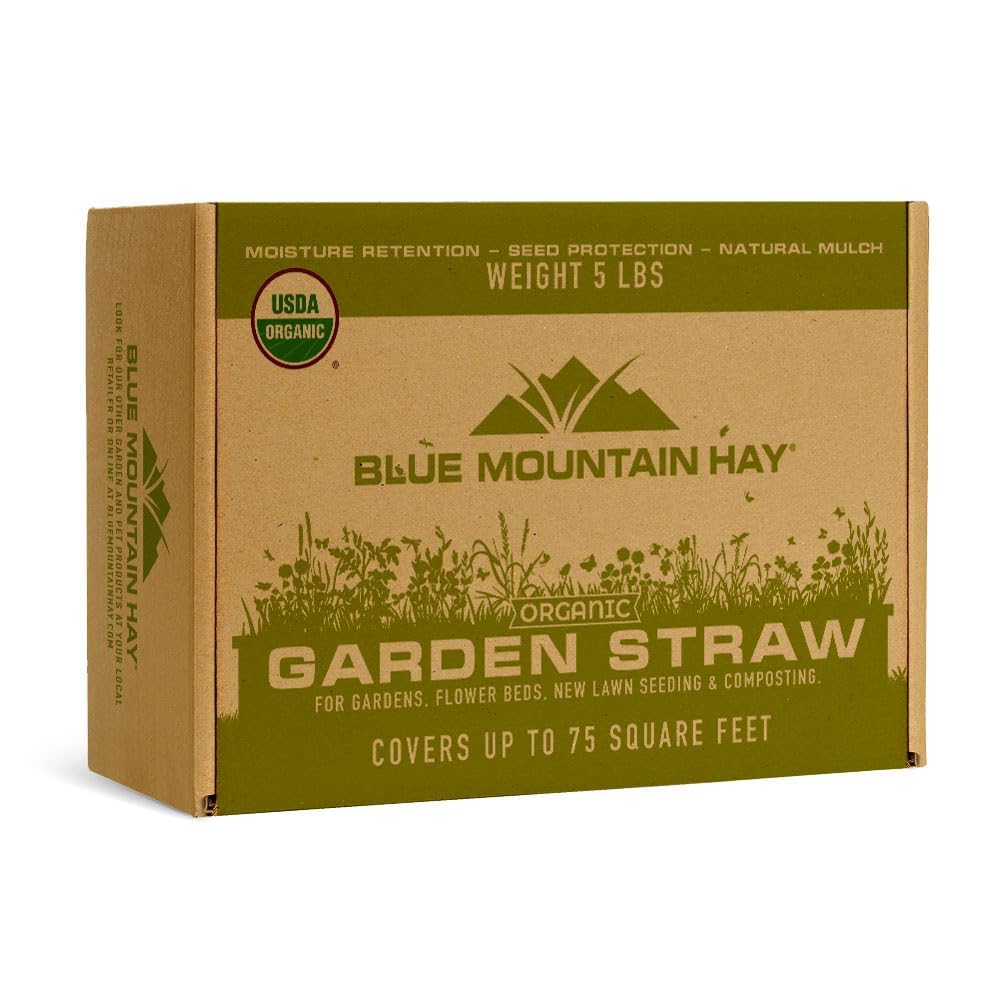
- Clean and mostly free of debris
- Covers a decent area for the weight
- Delivers reliable performance for tomatoes and veggies
Cons
- Contains seeds that can sprout
- Straw pieces are long and need breaking up
- Price is a bit high for the amount you get
We found this straw fairly clean and easy to spread over raised beds. That could be a dealbreaker if you want a seed-free mulch. Still, for organic farms that care about natural materials, it’s a solid pick—even if the coverage isn’t super generous for the price.
Best compact design

- Made from upcycled plant material, so it’s eco-friendly
- Blend includes pH balancing and moisture control additives
- Compact packaging expands with water—handy for storage
Cons
- Contains larger wood chunks, not great for seed starting
- Texture is coarser than most potting soils
- One cubic foot bag might not be enough for big projects
We noticed the wood pieces improve aeration, but they’re a drawback if you want a fine mix for seedlings. If you want something eco-conscious without giving up performance, this mulch is a strong contender. Its peat-free base and added nutrients make it a practical and sustainable option for a range of native plant setups.
Best lightweight option

- Lightweight and easy to handle
- Stays put when stretched tight on raised beds
- Comes in different widths for flexibility
Cons
- Thin and tears easily, especially in wind
- Not the best at keeping weeds down
- Can be tricky to manage solo since it sticks and flies around
We found this mulch easy to lay down because it’s flexible and light. It tears if the wind catches it or if you poke at it too hard. For the right user, it’s a genuinely excellent choice.
Buying Guide
When I’m picking out biodegradable mulch for native plant farms, I zero in on a few features that really make a difference. Material composition tops the list—it shapes how fast the mulch breaks down and what it leaves behind in the soil.
I always lean toward mulches made from natural stuff like plant starches or fibers. These tend to break down cleanly, without those weird residues nobody wants.
Thickness comes into play, too. If the mulch is thicker, it sticks around longer, but sometimes it takes forever to decompose, which can throw off planting schedules.
Water permeability is a big deal. Mulch should let water and air reach the soil, or roots just won’t thrive.
I steer clear of anything that acts like a total barrier. That somewhat mulch can cause water to pool up or, worse, dry out the soil beneath.
Weather resistance matters more than you’d think. The mulch needs to handle rain and sun but still break down within a decent window of time.
Getting that balance right helps keep weeds at bay and protects soil all season.
| Feature | Why It Matters | What to Look For |
|---|---|---|
| Material | Affects biodegradability and soil health | Natural plant-based fibers or starches |
| Thickness | Controls lifespan and protection | Moderate thickness for balance |
| Water Permeability | Ensures soil hydration and air exchange | Permeable or semi-permeable mulch |
| Durability | Maintains coverage during the growing season | Resists weather but decomposes timely |
I also think about how easy the mulch is to put down and whether it fits with the way we farm. If it’s a pain to spread or remove, that just slows everything down.
Before I commit, I’ll check for environmental certifications and poke around in product reviews. It’s the only way to know if those biodegradability claims actually hold up.
OK so I’ve tried about half of these. Some worked, some didn’t. Depends a lot on your specific conditions.
The info on soil is a bit thin. That’s honestly the most important part and it barely gets a mention.
Thanks for this.
Glad you found it useful, Eric! Best of luck this season. -Plant Native Team
Do deer bother these? That’s my biggest problem — they eat everything.
Hi Zach, you might have luck at local nurseries or online suppliers. Check out our nursery directory for options near you: https://plantnative.org/category/nursery/ -Plant Native Team