
Benefits of Planting Native Carrot for Sustainable Gardening and Ecosystem Health
Last updated: September 10, 2026
Planting native carrot brings a mix of environmental and practical perks for both gardeners and the broader ecosystem. It gives local wildlife food and shelter that fit right into the natural landscape.
Growing native carrot helps preserve biodiversity while reducing the need for fertilizers and pesticides.
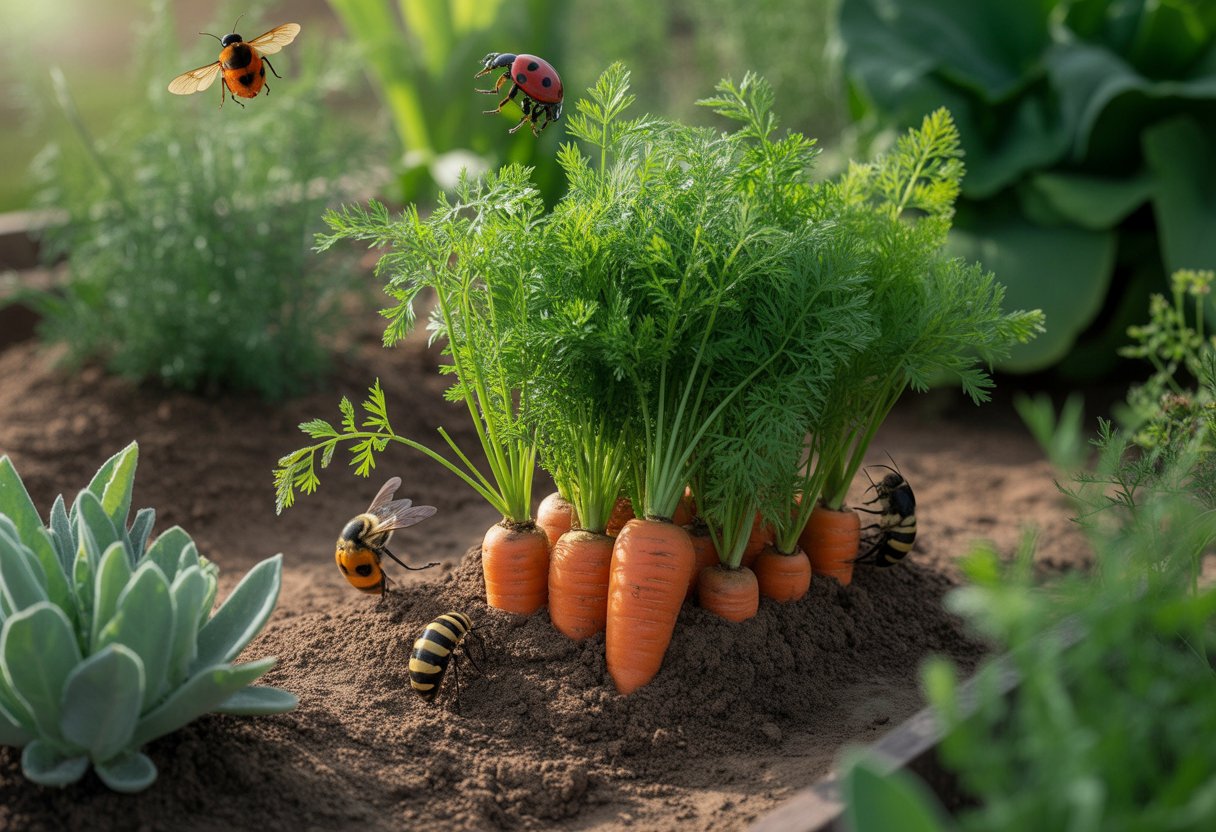
This plant thrives in its home soil and climate. It’s easier to grow, shrugs off pests and diseases, and just doesn’t need as much water or fuss as non-native species.
For gardeners and farmers, native carrot’s deep roots work wonders for soil health. Those roots dig down, aerate the soil, and help cycle nutrients, which means the soil stays productive with less effort.
Nutritional Benefits of Planting Native Carrot
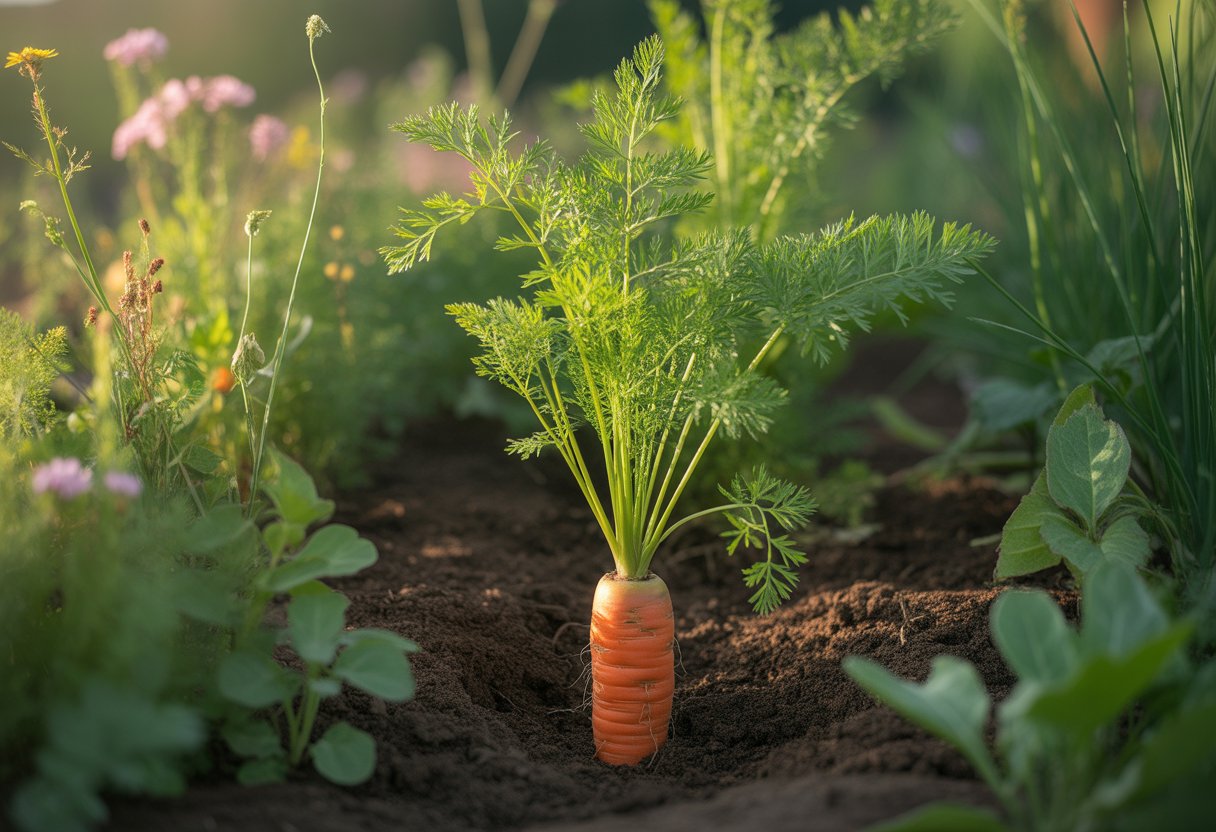
Planting native carrot gives you a nutrient-dense vegetable loaded with vitamins, minerals, antioxidants, and fiber. It supports everything from your immune system to your digestion.
Essential Vitamins and Minerals
Native carrots pack a punch of vitamin A because they’re high in beta-carotene. Your body turns this into vitamin A for vision, immunity, and skin.
You’ll also get vitamin C and vitamin K for immune health and blood clotting. On top of that, native carrots offer minerals like potassium, iron, manganese, magnesium, calcium, and copper—all important for muscles, blood, enzymes, and bones.
They’ve got folate and pantothenic acid (vitamin B5) too, which help with energy and cell growth.
High Antioxidant and Carotenoid Content
Native carrots come loaded with carotenoids like beta-carotene and lutein, both powerful antioxidants. These help protect your cells from oxidative stress and might even calm inflammation.
Beta-carotene supports eye health and could lower the risk of some chronic diseases. Lutein is great for your retinas.
Other antioxidants in native carrots work together to tackle free radicals. It’s a solid addition to any diet that’s aiming to reduce oxidative damage.
Fiber Content and Digestive Health
Native carrots are high in fiber, especially soluble fiber. That type of fiber slows digestion and helps keep blood sugar and cholesterol in check.
The overall fiber content keeps your digestive system regular and feeds the good bacteria in your gut. This can improve how you absorb nutrients and lower the risk of digestive issues.
Eating native carrots regularly helps keep your digestion balanced thanks to their fiber and nutrient mix.
Ecological and Garden Advantages
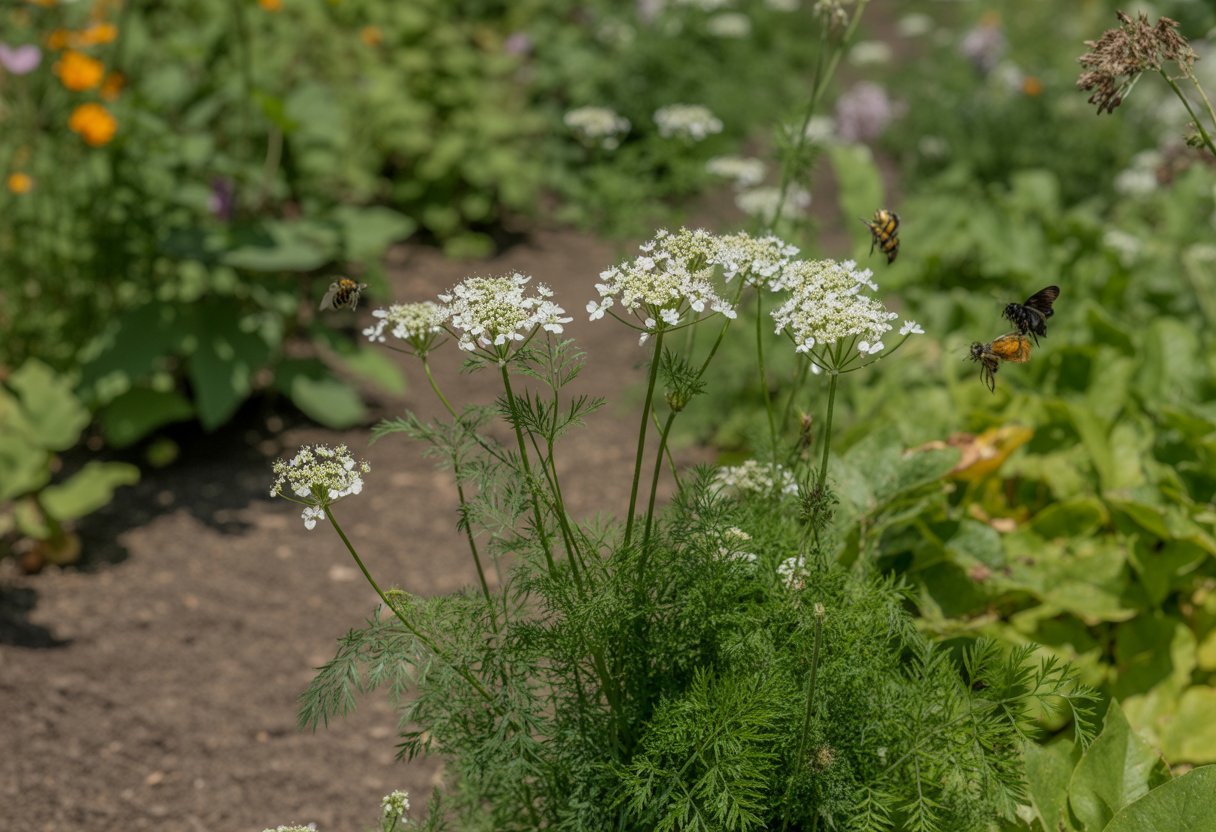
Planting native carrot attracts beneficial insects and improves soil structure. It gives gardeners practical advantages and boosts local biodiversity.
Supporting Local Pollinators and Biodiversity
Daucus carota, or wild carrot, grows umbrella-shaped flower clusters that pull in all sorts of pollinators. Bees, butterflies, and others count on its nectar and pollen, so it’s a key player for healthy pollinator populations.
The mix of insects it attracts helps keep local food webs humming. Wild carrot offers habitat and food, which means more biodiversity in gardens and wild spaces.
Its flowers even look a bit like a bird’s nest, which might throw off some predators and give pollinators a break. It’s a neat trick that helps balance the ecosystem without chemicals or much human effort.
Soil Health and Root System Benefits
Wild carrot’s taproot digs deep, breaking up packed soil and letting water and nutrients move more freely. This makes things easier for other plants nearby.
As those roots reach into the soil, they pull up nutrients from below and, when they break down, return them to the topsoil. That’s a natural way to fertilize without chemicals.
Being part of the Umbelliferae family, wild carrot helps the soil by adding organic matter. Its roots also keep erosion in check and stabilize the garden—pretty handy in sustainable gardening.
Cultivation and Care of Native Carrot
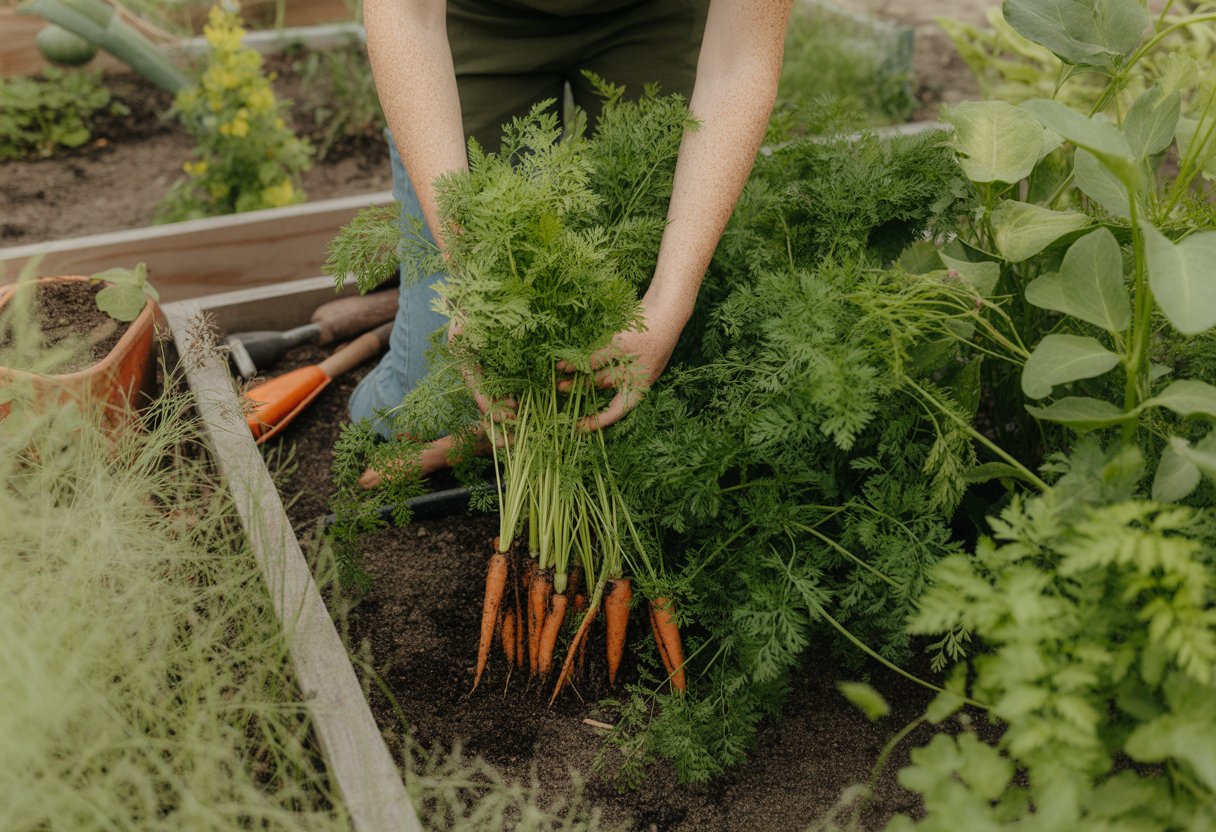
Growing native carrot well comes down to good soil, smart propagation, and gentle handling of seedlings. These steps make a real difference in how your carrots turn out.
Optimal Soil Requirements and Preparation
Native carrot likes well-drained, loose soil—no compaction, please. Sandy loam or loamy soil with plenty of air is best for those roots.
Aim for soil that’s a bit acidic to neutral, around pH 6.0 to 7.0. Before you plant, till the soil 12-15 inches deep so roots can stretch out.
Raised beds or garden plots help keep soil structure and moisture just right. Mixing in compost boosts fertility and holds water, but don’t go overboard on nitrogen or you’ll get too much leaf, not enough carrot.
Germination and Propagation Techniques
Native carrot seeds need steady moisture and moderate temps—somewhere between 50-70°F (10-21°C)—to sprout. Soaking the seeds for a bit before planting can help them get started.
Most folks sow seeds straight into the soil. Give them 1-2 inches of space so roots have room. Cover seeds lightly with about a quarter inch of soil to keep them moist and safe.
Propagation’s usually done by seed because native carrots don’t handle transplanting well. Keep the soil damp but not soggy; too much water and you’ll run into fungus problems.
Seedlings and Planting Methods
Once seedlings hit 2-3 inches tall, thin them out to 3-4 inches apart. This gives each plant enough space and nutrients to grow strong roots.
Plant in rows spaced 12-18 inches apart for better airflow and easier care. Be gentle when thinning or moving seedlings—those roots are fragile.
Keep an eye on soil moisture. Dry soil stunts growth, but soggy soil leads to rot. A bit of mulch around the plants keeps moisture in and helps with temperature swings.
Resilience and Health Benefits Associated With Native Carrot
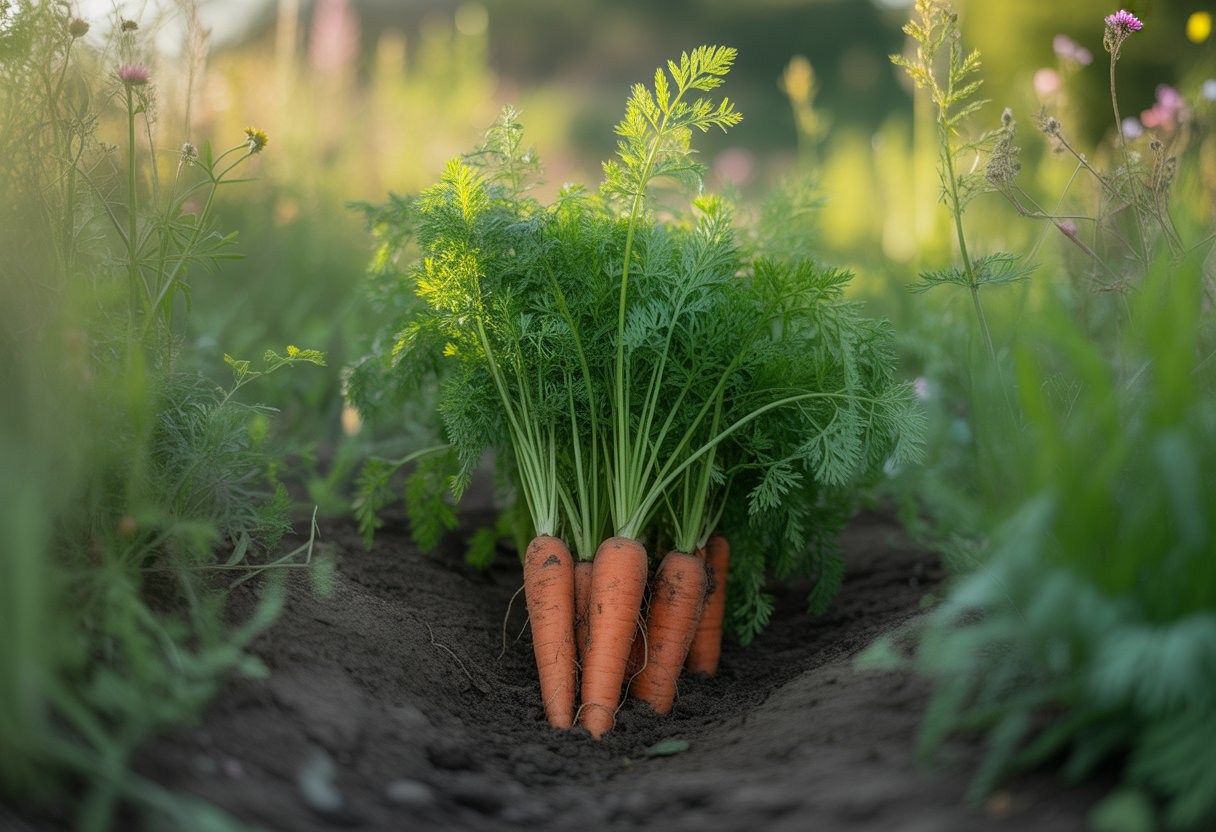
Native carrot varieties show impressive resilience and bring some unique health perks thanks to their special biochemistry. They need less chemical input for pest control and come packed with compounds that might be good for you.
Natural Pest and Disease Management
Native carrots naturally fight off pests like carrot rust flies and aphids. Their biennial growth means their roots get a good start, making them tough and less likely to catch soil-borne diseases.
They often do fine with little or no fertilizer because they’re built for local soils. Some of their natural compounds act as gentle bug repellents, so you don’t have to rely on synthetic pesticides.
Farmers save on input costs and cut down on environmental impact. Plus, native carrots attract helpful insects that lend a hand with pest problems.
Potential for Disease Prevention and Treatment
Native carrots contain antioxidants and polyacetylenes, which have been linked to anti-inflammatory and anticancer effects. These bioactive compounds might help prevent disease, especially as we age or face chronic conditions.
Some studies suggest that native carrot roots and greens have antimicrobial properties, which could help fight infections. Their rich nutritional profile boosts the immune system, too.
Eating native carrots regularly might offer broader health benefits than the standard varieties, thanks to their unique mix of phytochemicals.
Low Toxicity and Safety
Native carrots usually have much lower toxicity levels than some cultivated varieties. Some farmed carrots can soak up harmful pesticides, but native ones tend to avoid that problem.
Their natural resistance to pests means farmers don’t have to use as many chemicals. That’s a win for anyone worried about toxin residues in their veggies.
If you’re sensitive to chemicals—kids, older folks, anyone, really—native carrots just feel like a safer bet. You don’t have to stress as much about what’s lurking on your plate.
Plus, since the plant’s biennial cycle doesn’t need constant attention, growers can skip a lot of the chemical treatments. That means less chance of chemical run-off or environmental messes. It’s a relief for both consumers and people working the land.
I’ve seen conflicting advice on this topic. This seems reasonable though.