2 Top-Rated Essential Mulch Film Layer Buyer’s Guide for Sustainable Farm Efficiency and Growth
We independently select all products and services. If you click through links we provide, Plant Native may earn a commission with no extra cost to you.
Last updated: November 20, 2026
Mulch film layers play a big role in sustainable farming. They help farmers apply plastic mulch on crop beds fast and efficiently.
These layers help soil hold onto moisture and regulate temperature. They also suppress weeds, which leads to healthier crops and better yields.
The right mulch film layer makes the job easier. It saves time, cuts down on labor, and supports eco-friendly farming.
Essential mulch film layers for sustainable farms focus on durability and ease of use. They also work well with biodegradable or recyclable films.
There’s a lot of variety out there. Some layers are heavier, some are light, and adjustment options differ to fit different farm sizes or crop types.
When you’re picking a mulch film layer, check the build quality and see how simple it is to operate. Make sure it doesn’t damage the film you’re using.
Features that let you set up quickly or place film consistently can boost efficiency. We dug deep and reviewed two top-rated mulch film layers for sustainable farmers who want reliable, effective tools.
Top-Rated Essential Mulch Film Layers
We picked out mulch film layers that blend efficiency and sustainability for modern farms. Each product here meets high standards for durability and environmental impact, which helps us all push for responsible farming.
Our top pick

- Breaks down naturally and leaves nothing harmful behind
- Controls weeds without chemicals
- Simple to unroll, cut to fit and lay on different crops
Cons
- Tears easily if you’re rough
- Not super durable in high-traffic spots
- Only a handful of user reviews, so not much feedback yet
It’s great for the environment, but if you want something rugged and long-lasting, this might not be your pick. The biodegradable mulch is designed to keep weeds in check and encourage plant vigor . If you only buy one, this should be it.
Best runner-up
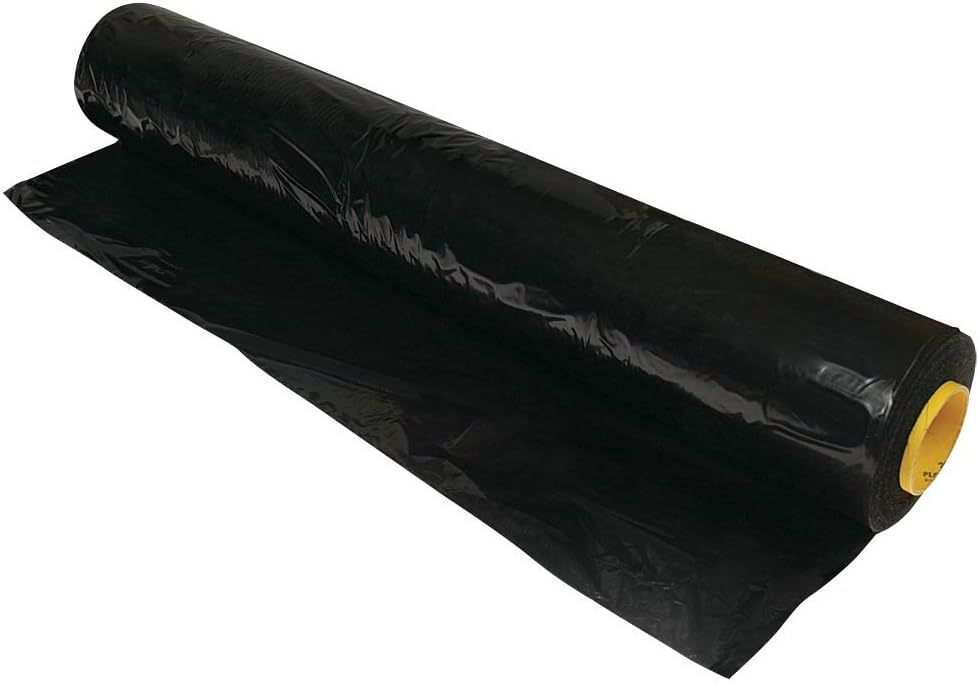
- High tensile strength resists rips and tears
- UV-stabilized to last through the season
- Comes in several widths and thicknesses
Cons
- Plastic film doesn’t break down, so it has to be removed and disposed of
- Blocks water, so you’ll need careful irrigation
- A 1000-foot roll is heavy (about 24 lb) and more than a small garden needs
Still, any thin film can rip if you’re not gentle or if the wind picks up. The Farm Plastic Supply film’s 1.5 mil thickness and UV protection make it a sturdier choice for full-season use on raised or flat beds.
Buying Guide
When you’re picking out the best mulch film layer for sustainable farming, durability, material, and environmental impact really top the list. These details shape how long the film lasts and what it does for your soil and crops.
I always lean toward films made from biodegradable or recyclable materials. That way, there’s less plastic waste in the end. Thicker films usually stick around longer, but you’ll probably pay a bit more up front.
finding the right balance between durability and sustainability isn’t always straightforward.
Think about the size and width of the film, too. You want it to fit your planting rows just right—too wide or too narrow, and you’re either trimming off the excess or leaving gaps that don’t help anyone.
UV resistance matters more than you might expect. Stronger protection keeps the film from breaking down before the season’s over.
| Feature | What to Look For | Why It Matters |
|---|---|---|
| Material | Biodegradable or recyclable | Minimizes environmental impact |
| Thickness | 1.5 to 3 mil or as needed | Balances durability and cost |
| Size and Width | Customize for row and crop spacing | Efficient coverage and less waste |
| UV Resistance | Good UV protective properties | Longer lifespan under sun exposure |
I also check how easy it is to lay down the film. If it works with your equipment and goes on smoothly, you’ll save time and probably some frustration.
Price always comes into play, but I try to weigh it against the film’s environmental benefits and how long it’ll last. Sometimes paying a bit more up front makes sense if it means getting better value in the long run.
We independently select all products and services. If you click through links we provide, Plant Native may earn a commission with no extra cost to you. As an Amazon Associate I earn from qualifying purchases.