Pollinator Friendly Gooseberry for Indiana: Best Varieties and Planting Tips
Last updated: October 15, 2026
If you’re gardening in Indiana and want to help pollinators, you might want to plant the gooseberry variety ‘Pixwell.’ Pixwell gooseberries bloom early, drawing in bees and other pollinators—so they’re a solid pick for anyone hoping to boost biodiversity right at home.
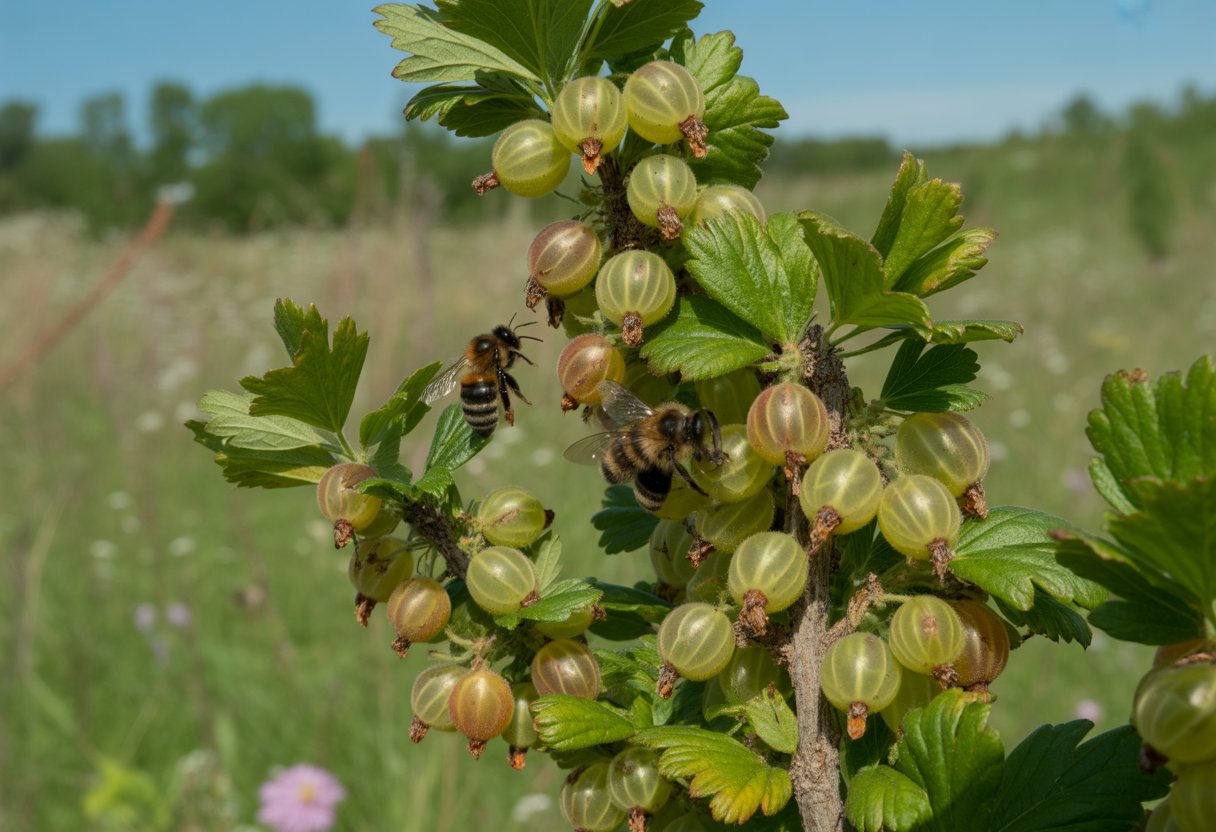
This shrub handles Indiana’s climate with ease and offers up both flowers for pollinators and fruit for your table. Its compact shape fits into small yards or bigger gardens where ecological health matters.
Benefits Of Pollinator Friendly Gooseberry Varieties In Indiana
Choosing pollinator friendly gooseberries gives gardeners practical perks and helps the ecosystem. These plants support more than just fruit—they’re good for local agriculture and the environment, too.
Encouraging Healthy Bee Populations
Gooseberries with bee-friendly blooms offer nectar and pollen, so native bees and honeybees show up in droves. Bees need this food, especially in spring and early summer when not much else is flowering.
With a steady food source, bee colonies stay healthier, and that’s great news for Indiana crops like veggies. More bees around means better pollination for all sorts of plants.
Gooseberries add diversity to bee diets, which can reduce stress and help fight off problems caused by pesticides and habitat loss. Gardeners who plant these varieties are quietly doing their part for pollinator populations.
Enhancing Vegetable Garden Yield
Bees visiting gooseberry flowers often move on to nearby veggies, helping those plants set more fruit and seeds. If you grow tomatoes, cucumbers, or squash, that’s a win.
Cross-pollination like this can boost the size and uniformity of your harvest. It’s a simple way to get bigger, better produce without relying on artificial pollination.
Adding gooseberries to your veggie patch helps keep the pollination process natural. It saves time and maybe even a little frustration for gardeners who’d rather not fuss with hand-pollinating.
Supporting Conservation Efforts
Planting pollinator friendly gooseberries fits right in with conservation goals focused on native species. These shrubs give native bees both food and shelter, and honestly, those bees don’t always get the attention they deserve.
Gooseberries help maintain biodiversity by supporting pollinators with unique needs. Conservation projects can really benefit from adding these plants.
Supporting pollinators and local ecosystems with gooseberries is a straightforward way to push back against habitat loss. It’s a small but meaningful piece of the bigger conservation puzzle.
Selecting And Growing Gooseberries For Indiana Gardens
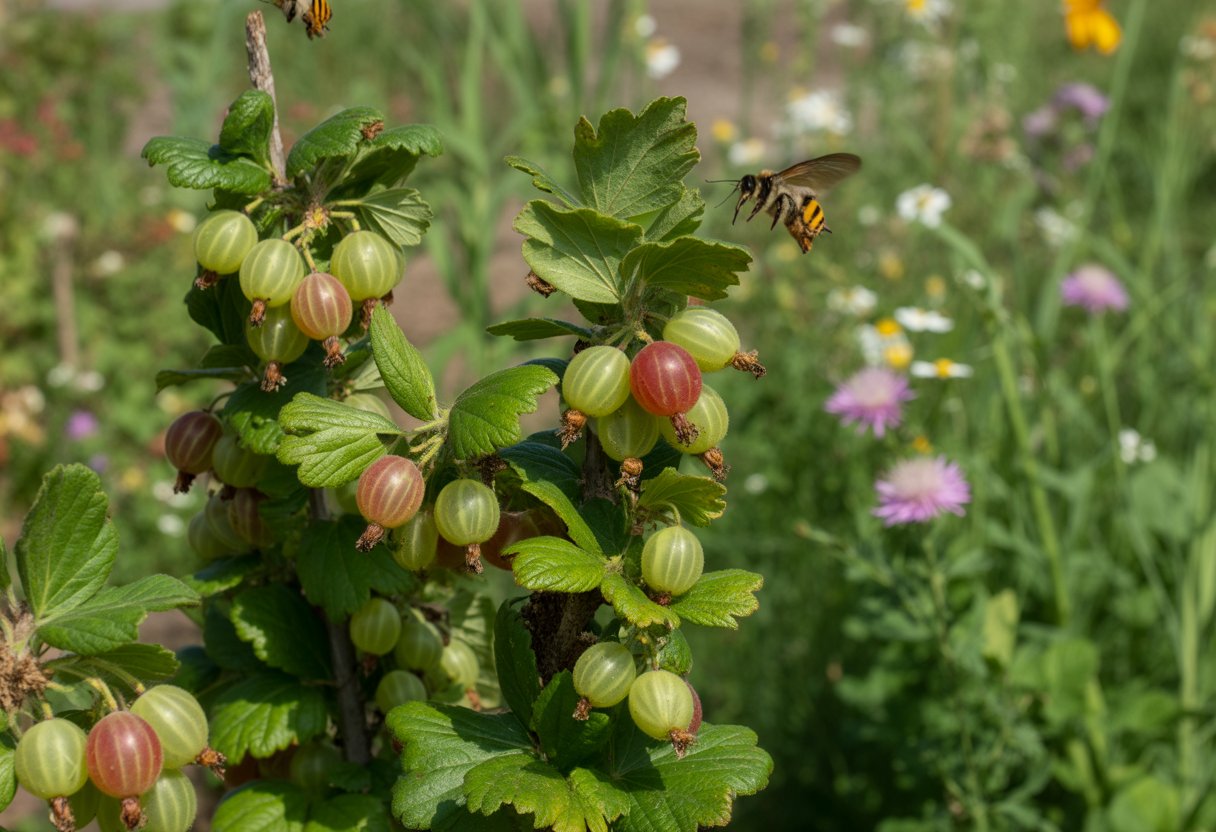
Gooseberries do well in Indiana if you pick the right variety, prep your soil, and plant thoughtfully. Choosing disease-resistant types, using well-drained soil, and mixing them with other pollinator-friendly plants all make a difference.
Best Gooseberry Cultivars For Indiana Climate
‘Pixwell’ and ‘Hinnomaki Red’ both handle Indiana’s weather and resist disease. ‘Pixwell’ gives you big green berries and stands up to powdery mildew, while ‘Hinnomaki Red’ offers sweet, red fruit and also resists mildew.
Early varieties help you dodge some disease issues and stretch out harvest time, which is a plus in Indiana’s humid summers. It’s smart to skip cultivars that tend to get American gooseberry mildew—those just cause headaches.
Soil And Site Preparation
Gooseberries like well-drained, loamy soil with a pH between 6.0 and 6.8. Mixing in organic matter boosts drainage and helps hold nutrients.
Pick a spot with plenty of sun, though a bit of shade is okay. Too much shade, though, means less fruit and more risk of disease.
Space plants about 4 feet apart for good airflow, which helps keep mildew at bay when humidity spikes.
Companion Planting With Vegetables
Gooseberries get along with tomatoes, peppers, eggplant, cucumbers, and beans. These veggies attract pollinators that will also visit gooseberry flowers.
Garlic nearby can help keep pests away, but don’t let it hog all the nutrients. Melons and squash need more room, so plant them a bit farther from your gooseberries to avoid shading them out.
Adding flowers like lavender or coneflowers nearby brings in even more pollinators. This approach keeps your plants happy and boosts your harvest.
Effective Strategies For Maximizing Pollinator Activity
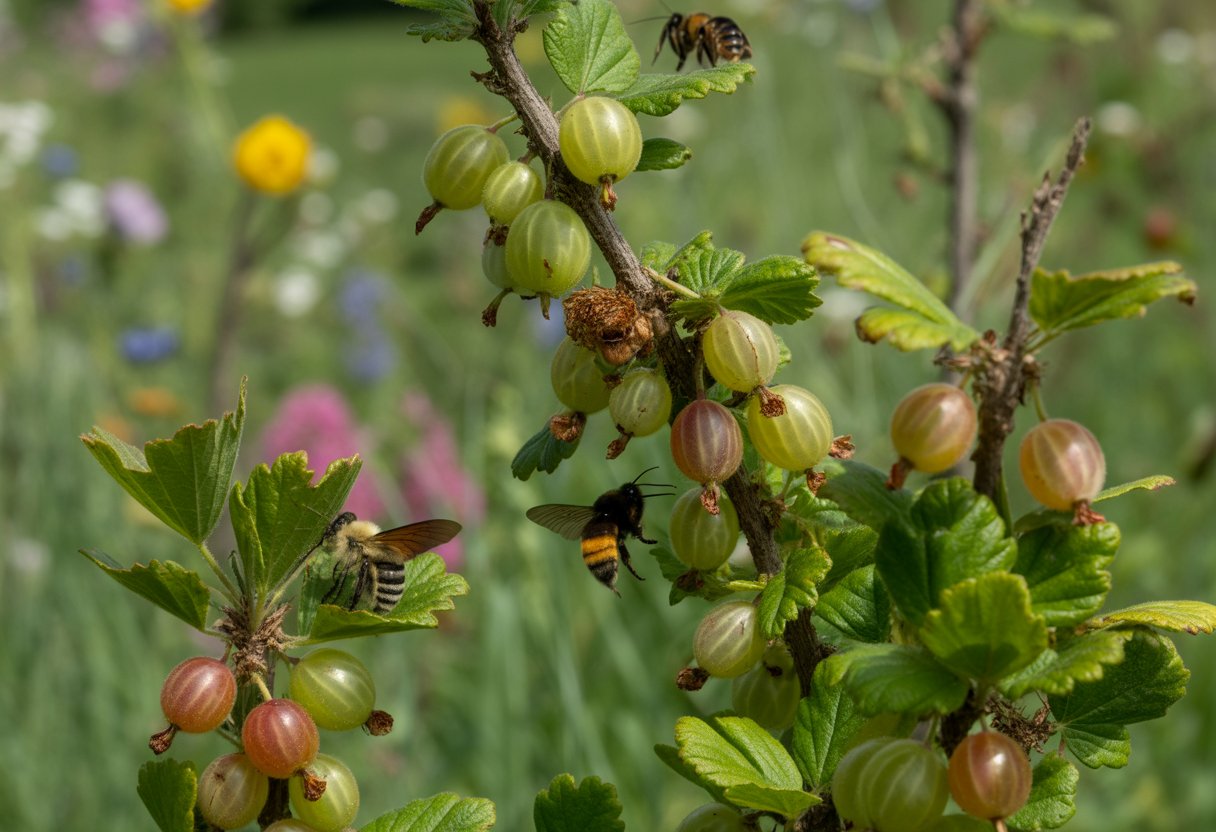
If you want more pollinators around your gooseberries, focus on making the garden inviting and keeping your plants healthy. Attracting bees and supporting their foraging habits just makes sense.
Creating A Bee-Friendly Garden Habitat
To draw in bees, plant a mix of native wildflowers near your gooseberry bushes. Skipping pesticides is crucial—those chemicals really do more harm than good for pollinators.
Set out shallow dishes with pebbles so bees can get a drink without drowning. Leaving some hollow stems or small wood blocks around gives solitary bees a place to nest.
Try to keep something blooming from early spring through fall. That way, bees always have a reason to stop by.
Mulch with organic material to help the soil and attract helpful insects. And it’s worth keeping invasive plants out, since they can throw off the balance and make things tougher for local pollinators.
Utilizing Foliar Application For Plant Health
Foliar application with seaweed or algae-based solutions can really give gooseberry plants a boost. Healthier plants mean more vibrant flowers and fruit, which, in turn, make pollinators happy.
These treatments deliver nutrients straight to the leaves. That direct hit helps with photosynthesis and builds up stress resistance.
If you spray in the early morning or late afternoon, you’ll dodge most of the evaporation and get better absorption. I’ve noticed regular use during flowering keeps nectar and pollen production going strong.
Seaweed extracts bring in micronutrients and growth hormones, adding some extra vigor. The best part? Bees aren’t harmed.
You won’t need as much synthetic fertilizer with this method. Healthier, more robust plants tend to draw and support pollinators all season long.