When to Plant Lupine in Massachusetts: Optimal Timing for Successful Growth
Last updated: October 14, 2026
Lupines are a favorite for Massachusetts gardeners who crave vibrant colors and eye-catching foliage. Getting the timing right is crucial if you want healthy plants and lots of blooms.

The best time to plant lupine in Massachusetts is early spring, right after the last frost, usually between mid-April and early May. This gives lupines the whole growing season to get established before winter rolls around.
Some folks try planting lupine seeds in the fall for natural cold stratification. Still, spring planting tends to work out best for this climate.
Understanding Lupine and Massachusetts Climate

Lupines do well under certain environmental conditions that line up pretty nicely with Massachusetts’ climate. The type of soil, amount of sunlight, and temperature swings all play a part in how well these plants grow here.
About Lupine
Lupine, or Lupinus sp., is a tough little herb with those classic blue flowers that people love. It’s also known for fixing nitrogen, which actually helps the soil and benefits nearby plants.
Lupines like full sun but will tolerate some shade. They’re spread all over North America, including right here, and can handle cold winters surprisingly well.
You’ll usually see blooms from late spring into early summer. Honestly, they’re a gardener’s dream for both looks and the boost they give the ecosystem.
Massachusetts Plant Hardiness Zones
Most of Massachusetts falls within USDA Plant Hardiness Zones 5b to 7a, but zones 6 and 7 are where lupines really shine. In zone 6, winters can dip to -10°F, while zone 7 stays a bit warmer, rarely dropping below 0°F.
Lupines are tough enough for these zones, shrugging off frost and cold snaps. It’s smart to keep an eye on frost dates and pay attention to when the soil starts to warm up—timing is everything.
Ideal Habitat and Soil Conditions
Lupines love full sun—it really brings out their color and vigor. They’re happiest in sandy or gravelly soil that drains well, but they aren’t too picky as long as the water doesn’t stick around.
If the soil’s too rich or heavy, lupines just don’t thrive. Their knack for fixing nitrogen means they’ll even perk up poorer soils, which is a nice bonus for sustainable gardens.
Keeping the soil pH between 6.0 and 7.5 is ideal. Avoid soggy spots, because standing water can spell trouble for their roots.
Optimal Timing for Planting Lupine in Massachusetts
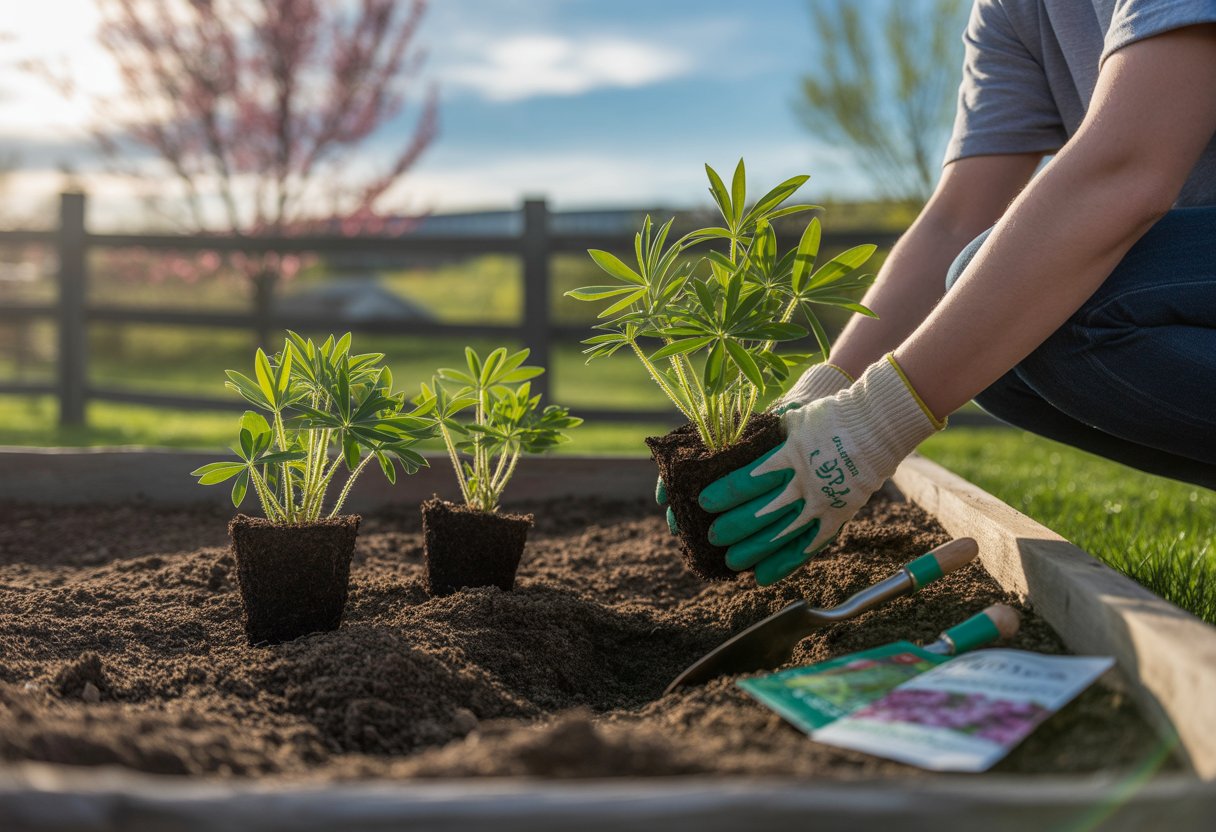
If you want your lupines to thrive, timing matters. Massachusetts weather can be unpredictable, so you’ll want to work with the seasons, not against them.
Temperature swings and frost risk are the main things to watch.
Spring vs. Fall Planting Windows
In Massachusetts, you can plant lupine in early spring or late fall. Most people go with spring, just after the last frost—somewhere between mid-April and early May.
This way, the seeds get a jump start as the soil warms up. Fall planting, from late September to early October, is an option too, using the winter cold to help seeds germinate.
That said, spring is usually easier, especially if you’re new to growing lupine.
Frost Dates and Temperature Considerations
Depending on where you live, the last spring frost in Massachusetts falls between April 15 and May 15. If you plant too early and the soil is still below 40°F, seeds can get zapped by frost.
Aim for soil temperatures between 55°F and 65°F for best results. Fall planting lets nature do the cold stratification, but if seeds sprout before a hard freeze, they could get damaged.
If night temps stay above freezing, that’s a good sign it’s safe to plant in spring.
Direct Sowing and Germination Tips
You can sow lupine seeds right in the ground if you prep a bit. Scratching the seed coat (yep, scarification) helps them soak up water and sprout faster.
Soak seeds overnight before planting. Bury them about ¼ to ½ inch deep in loose, well-drained soil.
Keep the soil moist but not soggy. Germination usually takes two to three weeks if the temperature’s right.
Lupine seedlings grow slow. It’s tempting to fuss with them, but they really do best if you leave them alone. Mulch helps keep the soil just right while they get going.
Growing and Maintaining Healthy Lupine

Lupines need a gentle touch when it comes to transplanting. You’ve also got to keep an eye out for pests and think about livestock safety.
Transplanting and Moving Lupines
Lupines really hate having their roots messed with. If you have to transplant, do it while the plants are still young—ideally within six weeks of sprouting.
Move them in early spring or fall when the soil’s cool and moist. Prep the new spot with well-draining soil and a bit of compost or organic matter.
Don’t plant them too deep; keep the crown right at soil level. Water them right after transplanting and keep the soil moist (but not soggy) for the first couple of weeks.
Mulch helps with moisture and keeps weeds down. Try not to move older lupines unless you absolutely have to—their roots are just too fragile.
Dealing with Pests and Diseases
Aphids, slugs, and caterpillars are the main troublemakers for lupines. Aphids like to pile onto new shoots, but you can knock them back with insecticidal soap or neem oil.
Slugs come out at night and can be caught with traps or iron phosphate pellets. Fungal stuff like powdery mildew or root rot pops up if air circulation is poor.
Space your plants 12 to 18 inches apart to help with airflow. Skip overhead watering to keep the leaves dry.
Check your plants regularly for any signs of damage. If you spot infected leaves, pull them off and toss them out—don’t let disease spread.
Go easy on the nitrogen fertilizers. Too much makes the leaves go wild but actually weakens the plant’s defenses.
Ensuring Safety Around Livestock and Toxicity Concerns
Lupines have alkaloids that can harm livestock, especially cattle and horses. If they eat lupines, you might see weakness, trembling, or digestive trouble.
Sheep usually handle lupines a bit better, but honestly, it’s still not a great idea to let them munch on these plants. Best to keep exposure minimal.
Try fencing off lupine patches or planting them far from grazing spots. If you can, just pull lupines out of pastures altogether.
Sometimes lupines sneak into hay or feed, and drying doesn’t always make them safe. If you spot them, either toss that batch or dilute it very carefully.
Keep an eye out for lupine growth in your fields. If you see any, yank them up right away—why risk it?
 Looking for a nursery that carries native pines in Massachusetts?
Browse our native plant nursery directory: Massachusetts