
Best Soil for Columbine Growth: Optimal Conditions for Healthy Plants
Last updated: August 21, 2026
Columbine plants, or Aquilegia if you want to sound fancy, really do best in well-drained soil that’s just a bit acidic to neutral—think pH 6.0 to 7.0. The best soil for columbine growth is rich in organic matter, loose, and holds moisture without feeling swampy.
This kind of soil lets roots stretch out and keeps those blooms looking lively.
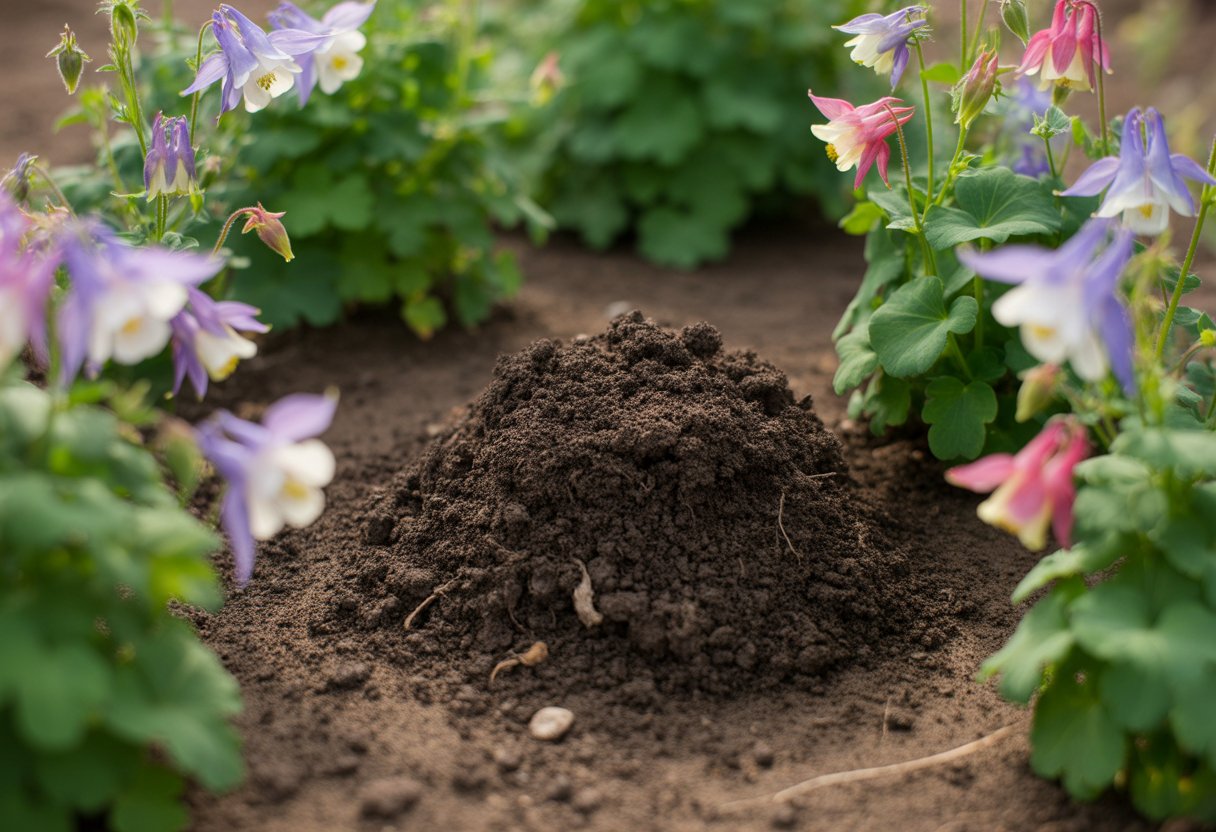
Columbines like soil that feels a bit like a woodland floor—nutrient-rich but never soggy. If your garden’s got heavy clay or sand, toss in some compost or leaf mold to help things along.
Essential Soil Requirements for Columbine Growth
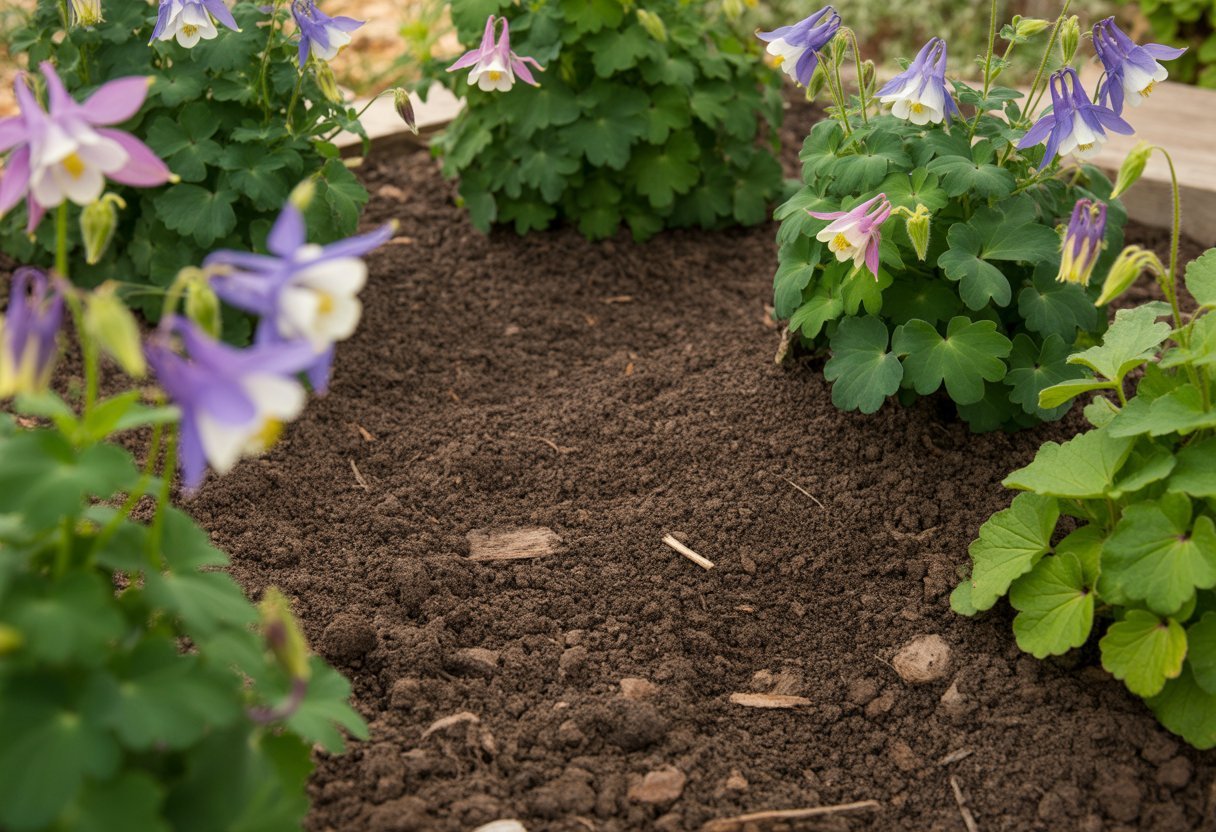
Columbines want soil that holds moisture but also drains well. The right blend of nutrients, texture, and pH sets them up for success.
Well-Drained Soil Characteristics
Roots need air, so well-drained soil is a must to dodge root rot and fungal headaches. Soil that stays damp but not soggy is the sweet spot.
Sand or loam usually gets the job done since they let extra water slip away. Clay soil hangs onto too much water, so break it up with peat moss or organic matter if that’s what you’re working with.
Soil Composition and Organic Matter
Columbines love a mix that includes compost, peat moss, or even some rotted leaves. This stuff fluffs up the soil and feeds the plants slowly.
Organic material also wakes up soil microbes, which help roots grab nutrients. If you can, shoot for about 20-30% organic matter in your mix.
Optimizing pH and Fertility
Slightly acidic to neutral—6.0 to 7.0—is where columbines are happiest. If your soil’s out of whack, use lime to nudge pH up or sulfur to bring it down.
Don’t go too wild with fertilizer. Too much, and you’ll get leaves at the expense of flowers. A balanced fertilizer (equal N-P-K) helps with healthy blooms and roots.
Keep adding organic matter to keep nutrients steady.
Planting and Growing Columbine Successfully
Columbines just want the right mix of light, water, and elbow room. Picking the right spot and handling transplants gently can make all the difference.
Light and Exposure Preferences
Columbines do best in part shade or dappled shade, especially when things heat up. In cooler spots, they can take full sun, but hot afternoons can be rough.
A little morning sun with afternoon shade is usually perfect. That way, leaves won’t scorch, and you’ll get sturdy stems and more flowers.
Too much shade, though, and blooms might be sparse. If you grow them in full sun, water more often to prevent stress.
Watering and Mulching Needs
Keep columbines watered, especially when they’re young or during dry spells. They want moist but never soggy soil.
A winter mulch can shield roots from wild temperature swings. Mulch also holds moisture and keeps weeds down.
Aim for a 2-3 inch layer of organic mulch. During hot spells or in full sun, bump up the watering, but don’t overdo it—roots hate sitting in water.
Spacing and Site Selection
Give columbines some space—12 to 18 inches apart works for mature plants. This helps air move around and keeps diseases at bay.
Pick spots with good drainage, like raised beds or gentle slopes. The soil should hold moisture but never turn swampy.
Try to avoid planting in low, soggy spots or places that collect frost in winter.
Transplanting and Hardening Off
Move seedlings or divisions in early spring or fall when it’s not blazing hot or freezing. Handle roots gently so you don’t set them back.
Before planting outside, harden off your columbines. Let them spend a little more time outdoors each day for about a week or so.
This helps them adjust to wind, sun, and temperature swings. After planting, keep the soil moist until they settle in.
Propagation and Care Tips for Columbine Plants
Columbines grow pretty well from seeds, but you need to set the stage for successful propagation. Timing, soil prep, and steady care make all the difference if you want a riot of colors.
Starting from Seed and Germination
Columbine seeds need cold stratification—basically, a chilly, damp nap for 2-4 weeks—to wake up. This mimics winter and helps them sprout.
After their cold spell, sow seeds on the soil surface or just barely cover them. Germination usually takes 2-3 weeks if temps hover around 60-70°F (15-21°C).
Keep the soil damp but don’t drown them. If your soil drains poorly, seeds might rot instead of sprouting.
Sowing and Seedling Care
Once they sprout, columbine seedlings need moderate light—bright but not direct sun, or under grow lights for half the day. Let the top layer of soil dry a bit between waterings.
Seedlings grow slowly and don’t like their roots messed with. Thin them to 6-8 inches apart when true leaves show up.
A diluted balanced fertilizer every few weeks helps. If you leave the plants alone, some will self-seed and pop up next year.
Protect young seedlings from heavy rain or harsh sun.
Encouraging Blooming and Flowering
Columbines usually flower in their second year. For more blooms, give them partial shade and soil that’s rich, well-drained, and just a touch acidic.
If the soil’s too rich, you’ll get more leaves than flowers—so don’t overdo it. Snip off spent blooms to keep the show going.
Hybrid varieties tend to bloom more reliably and come in all sorts of colors. Water regularly, but don’t let them sit in puddles.
A layer of mulch keeps the soil cool and moist, which encourages better flowering.
Managing Pests, Diseases, and Environmental Challenges
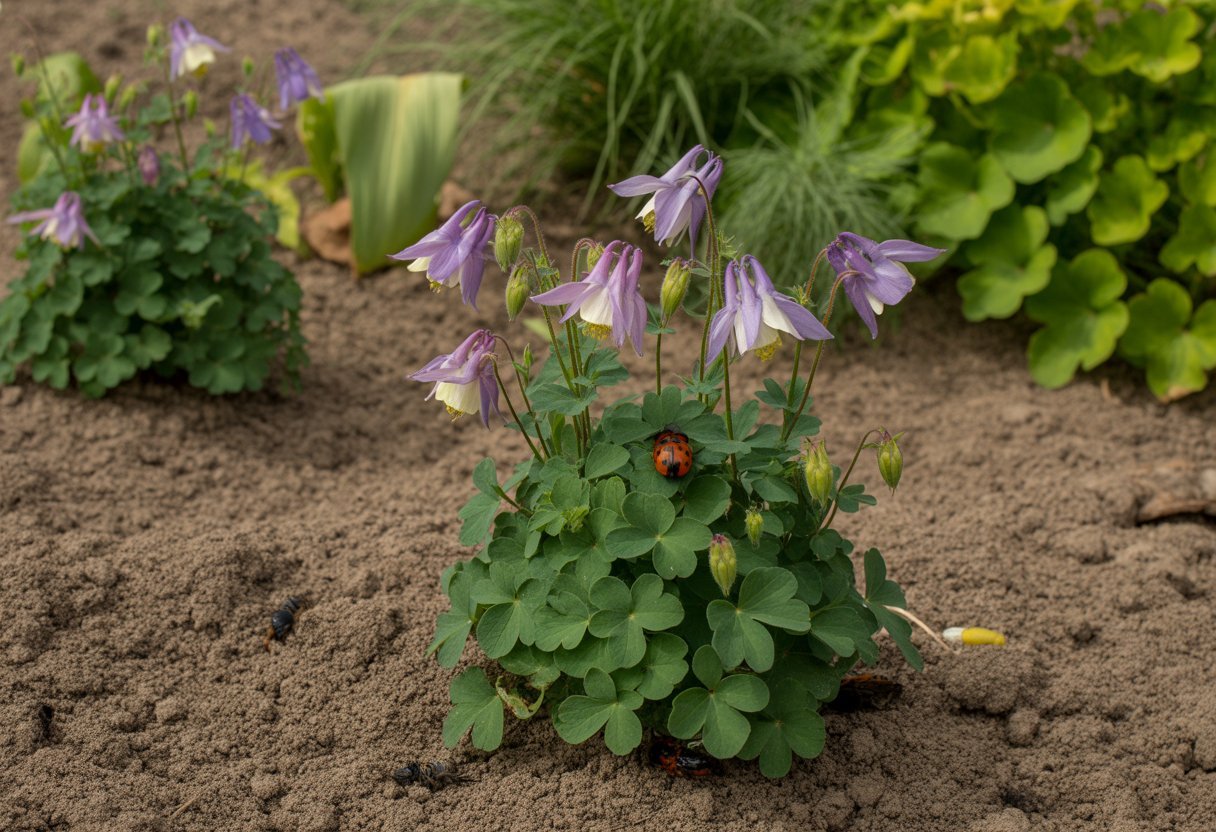
Columbines face a few pest and disease headaches, plus some environmental curveballs. Staying on top of these can keep your plants looking sharp.
Identifying and Preventing Common Pests
Aphids and leaf miners love columbines. Aphids hang out on new growth, sucking sap and curling leaves. Leaf miners tunnel inside leaves, leaving squiggly trails behind.
Snip off affected leaves to slow pests down. Ladybugs eat aphids, so they’re handy to have around.
Spray neem oil or insecticidal soap to break the pest cycle. Skip the broad-spectrum stuff—it wipes out the good bugs too.
Check your plants often, especially in spring and early summer when pests are busiest.
Soil-Borne Diseases and Prevention
Powdery mildew and root rot can show up if conditions aren’t right. Powdery mildew looks like white dust on leaves, usually from poor air flow and too much moisture.
Root rot hits in soggy soil, causing wilting and yellowing even if you water just right. Improve drainage and don’t overwater to keep roots healthy.
Fungicides with sulfur or potassium bicarbonate help control powdery mildew. Rotate planting spots and sterilize soil when you can.
Keeping the soil rich in organic matter encourages good microbes that keep pathogens down. Try not to plant columbines in the same spot every year to dodge disease buildup.
Improving Air Circulation and Site Health
Good air circulation keeps humidity down around columbine foliage. That means fungal diseases have a tougher time taking hold.
Give your columbines some space—at least 12 to 18 inches between each plant. This way, air can move freely.
Don’t tuck them near dense shrubs or in damp, low spots where air just sits. If you notice crowded neighbors or dead leaves, go ahead and prune a bit to let things breathe.
Mulch helps too, but choose something coarse like bark chips. That keeps soil from splashing up onto the leaves, which is one less way for pathogens to move in.
Keep mulch about 2 to 3 inches thick. It holds in moisture, but not so much that things get too soggy.
If you spot diseased or dead plant bits, just pull them out. Staying on top of this stuff makes a big difference for your columbines’ health.
Hmm, I don’t think that’s quite right. In my experience it takes a lot longer than what’s described here.