
Eco-Friendly Lawn Alternatives Nebraska: Sustainable Options for Midwest Yards
Last updated: September 13, 2026
If you live in Nebraska and want an eco-friendly lawn, you’ve got a bunch of practical choices that cut down on water and chemical use. Native grasses, clover, and groundcovers like creeping thyme actually thrive here, supporting wildlife and needing less work than you might expect.
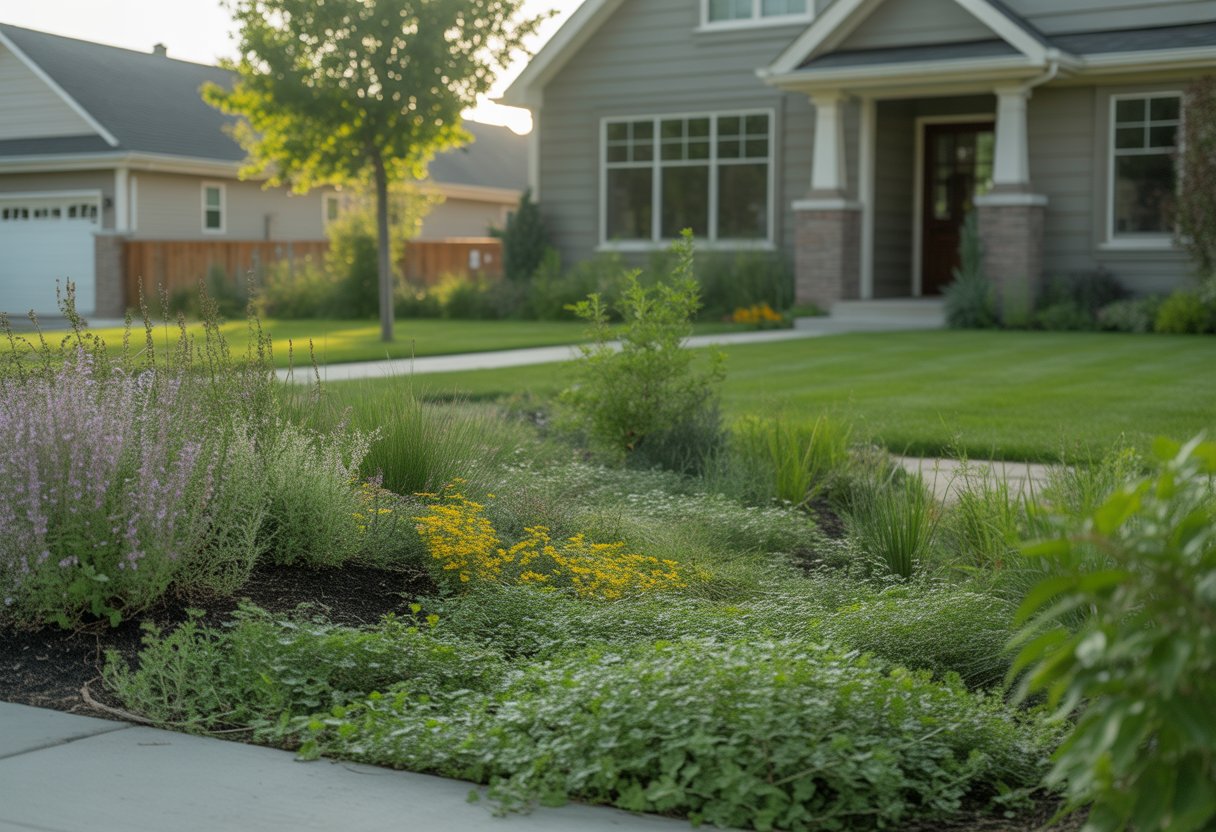
Choosing drought-tolerant plants and low-maintenance ground covers lets you build a lawn that saves resources and helps the environment. These options can help fight soil erosion, cut down on mower emissions, and—let’s be honest—often look a lot more interesting than a standard patch of grass.
Let’s take a look at eco-friendly lawn options that actually work in Nebraska’s soil and weather, and see how you can get a greener yard without a heavy environmental footprint.
Benefits of Eco-Friendly Lawn Alternatives in Nebraska
Eco-friendly lawns bring a bunch of real-world perks for Nebraskans. They save water, cut out a lot of chemicals, and support the local ecosystem—plus, they’re easier to care for.
Water Conservation Advantages
Nebraska gets its fair share of droughts, so water conservation really matters. Native grasses and drought-tolerant ground covers just don’t need as much water as Kentucky bluegrass.
When you water less, your utility bills drop, and you help keep the city’s water supply steady during dry spells. Many native plants have deep roots that hold onto moisture, so the lawn stays green with barely any extra watering.
That kind of landscaping also keeps runoff and erosion in check, so local streams stay cleaner. Depending on your plant choices, you might use half as much water as you would on a regular lawn.
Reduced Chemical Use
Traditional lawns usually need a steady diet of fertilizers and pesticides, which just isn’t great for the environment. Eco-friendly alternatives, especially Nebraska natives, get by with little or no chemicals since they’re already adapted to local pests and weather.
Native and drought-tolerant plants handle Nebraska’s soil and weather with hardly any help from synthetic fertilizers or weed killers. This means fewer chemicals end up in groundwater or streams, and your yard is safer for everyone.
Using organic mulches and focusing on integrated pest management keeps things healthy without the chemical overload.
Biodiversity Support
Eco-friendly lawns create little havens for Nebraska’s insects, birds, and small mammals. Plants like wildflowers and clover draw in pollinators—bees, butterflies, all the good stuff that keeps gardens and crops going.
Most regular lawns are just one kind of grass, which doesn’t do much for wildlife. When you mix in wildflowers and native grasses, you get more species and more natural interactions.
That diversity means fewer pests and richer soil. It’s a win for the whole ecosystem, and your yard actually becomes part of Nebraska’s natural landscape.
Popular Eco-Friendly Lawn Solutions for Nebraska
The best eco-friendly lawns in Nebraska use plants suited to the local climate and soil. Water savings, easy care, and wildlife support top the list of priorities.
Native Grass Varieties
Buffalo Grass, Little Bluestem, and Switchgrass are all native grasses that thrive here with barely any irrigation. Buffalo Grass, in particular, shrugs off drought, needs mowing just a few times a season, and rarely has pest issues.
Little Bluestem and Switchgrass have deep roots that boost soil health and stop erosion. They also give pollinators and birds a place to hang out, so they’re a solid pick for anyone who cares about sustainability.
Ground Covers and Clover Lawns
Clover lawns—especially white clover—naturally add nitrogen to the soil, so you need less fertilizer. They stay green even when it’s dry and attract bees like crazy.
Clover also mixes well with regular grasses for a tough, low-water lawn. Ground covers like creeping thyme and sedum give you green space without all the mowing and can handle a fair bit of foot traffic.
Prairie Plantings
Prairie plantings blend native wildflowers and grasses for a natural, colorful look. Options like Purple Coneflower, Black-eyed Susan, and Indian Grass attract pollinators and help wildlife.
These plantings don’t need much water and are easier to maintain than a plain grass lawn. Occasional mowing or controlled burns keeps them looking good and healthy.
Ornamental Grasses
If you want something with a bit of flair, ornamental grasses like Feather Reed Grass and Maiden Grass add texture and look great year-round. They handle drought and Nebraska’s soil just fine.
You won’t have to fertilize much or worry about pests. Plus, their structure gives beneficial insects a home, and they work in both sun and partial shade.
Implementation Tips for Sustainable Lawns
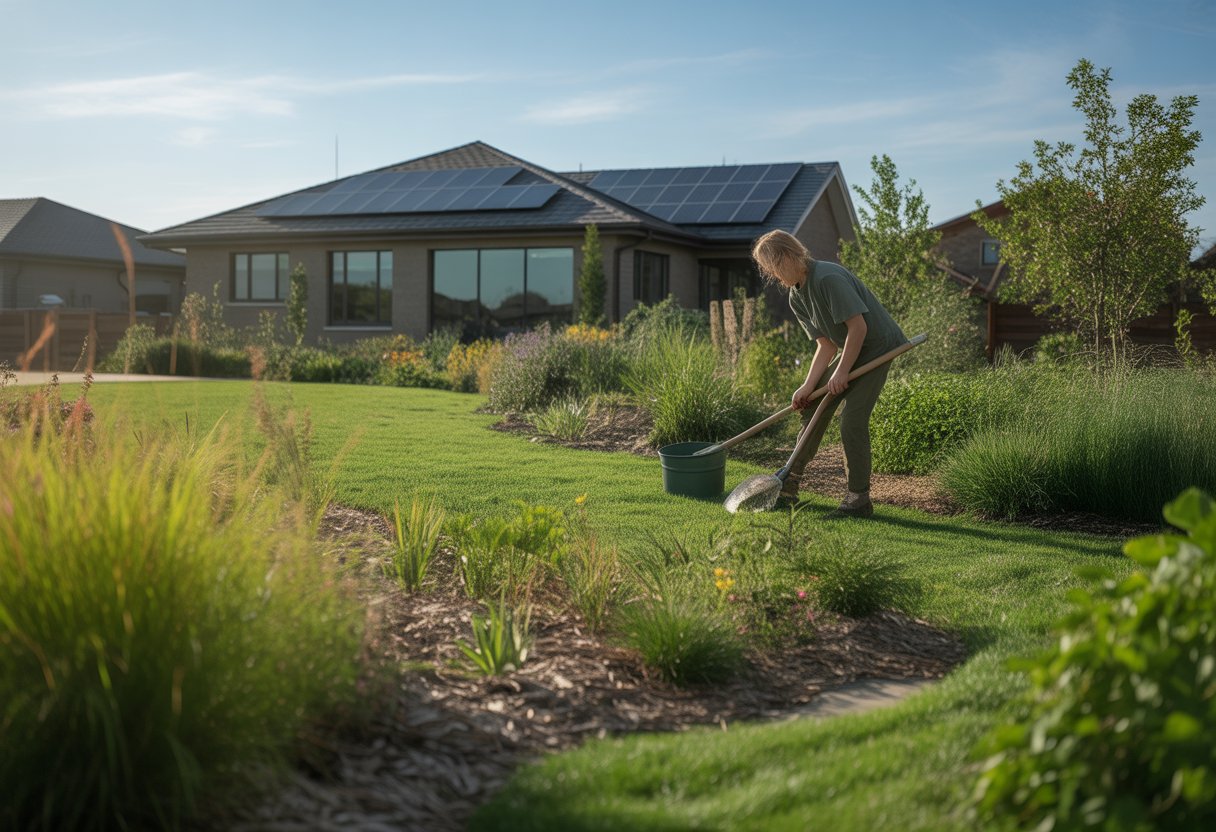
Getting a sustainable lawn off the ground means planning, picking the right plants, and keeping up with some basic care. Every step affects water, soil, and the critters you’ll see in your yard.
Site Preparation
Start by testing your soil to check pH and nutrients. You might need to add lime or compost, depending on what you find.
Clear out old turf or weeds, either by solarizing or just pulling them up. That way, you won’t have to lean on herbicides later.
Make sure the area drains well so you don’t end up with soggy spots. A layer of mulch helps hold moisture and keeps weeds down while your new plants get established.
Plant Selection for Nebraska’s Climate
Pick stuff that can handle Nebraska’s ups and downs in temperature and rainfall. Little bluestem and buffalograss barely need watering once they’re going.
Drought-tolerant perennials like purple coneflower and prairie dropseed add color and support wildlife. Stay away from needy hybrids that always want water or chemicals.
Mixing wildflowers with native grasses helps pollinators and makes for a tougher lawn. Look for seed mixes made for Nebraska’s soil and climate zones.
Maintenance Best Practices
Water deeply but not too often—this encourages roots to go deep and builds drought resistance. Watering early in the morning helps cut down on evaporation.
Keep grass between 3 and 4 inches tall to shade the soil and keep weeds at bay. Sharp mower blades make a cleaner cut.
Limit fertilizer to once a season, and stick to slow-release, organic types. Watch for pests, but try biological controls before reaching for pesticides.
Landscaping Design Ideas and Community Impact
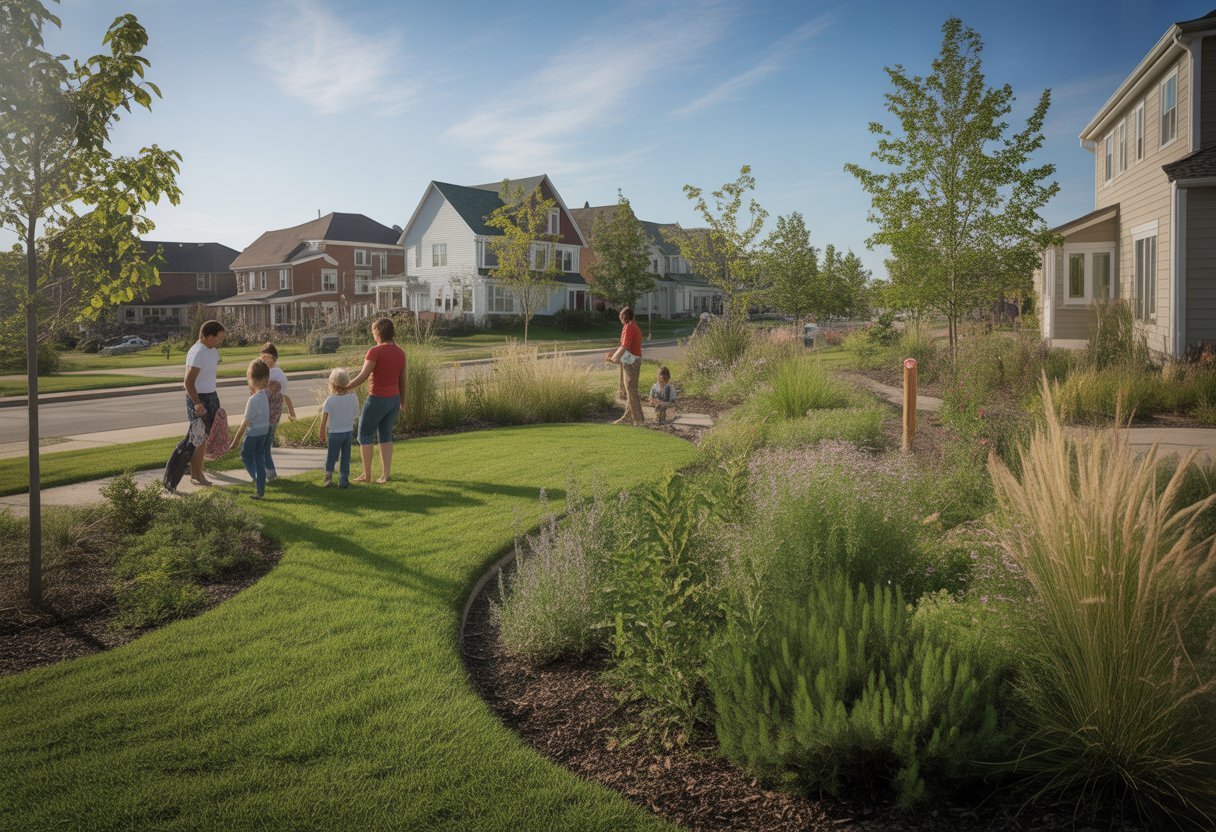
Eco-friendly lawns in Nebraska can look great and do a lot of good. Thoughtful design supports wildlife, saves water, and brings neighbors together.
Incorporating Walkways and Functional Spaces
Paths made from gravel, decomposed granite, or porous concrete let water soak in and keep soil healthy. Walkways help manage foot traffic and protect your plants.
Adding spots to sit, fire pits, or raised beds creates places to hang out and relax. These features also mean you’ll have less grass to water and mow.
A mix of open space and hardscaping makes the yard more usable and efficient. Walkways can wind through native plant beds, giving you the best of both worlds.
Pollinator Gardens Integration
Pollinator gardens give bees, butterflies, and other helpful insects a place to thrive. Planting a range of native flowers and grasses keeps blooms going from spring through fall.
Flowers like coneflowers, milkweed, and goldenrod attract specific pollinators and need less water and fertilizer than grass. That means less work for you.
Putting pollinator gardens near veggies or fruit trees can boost your harvest by drawing in more pollinators. Plus, they help control pests by attracting the right bugs.
Local Initiatives and Incentives
Nebraska has some pretty interesting programs nudging homeowners toward eco-friendly landscaping. In some cities, you might even snag rebates if you swap out your concrete for permeable hardscaping or plant more native species.
Community groups sometimes run workshops on sustainable gardening. They’ll usually focus on what actually works for Nebraska’s climate and soil—none of that generic advice.
If you show up, you might walk away with a discount on native plants or maybe a deal on a rainwater collection system. Not bad.
Most of these incentives try to cut down on water use and chemical runoff. That lines up with what the state wants, which makes sense.
If you’re curious about what’s available right now, reach out to your local extension office. They’ll have the latest info and can help you figure out if you qualify.
Nice one.
Thank you for the kind words! Wishing you a great growing season. -Plant Native Team