Best Soil for Serviceberry Growth Essential Tips for Optimal Plant Health
Last updated: September 14, 2026
Serviceberry, or Amelanchier, really likes well-drained, loamy soil with a slightly acidic to neutral pH.
The best soil for serviceberry growth holds moisture but doesn’t get soggy, giving roots a balanced, comfy place to grow. That way, the plant grabs nutrients easily and keeps growing strong all year.
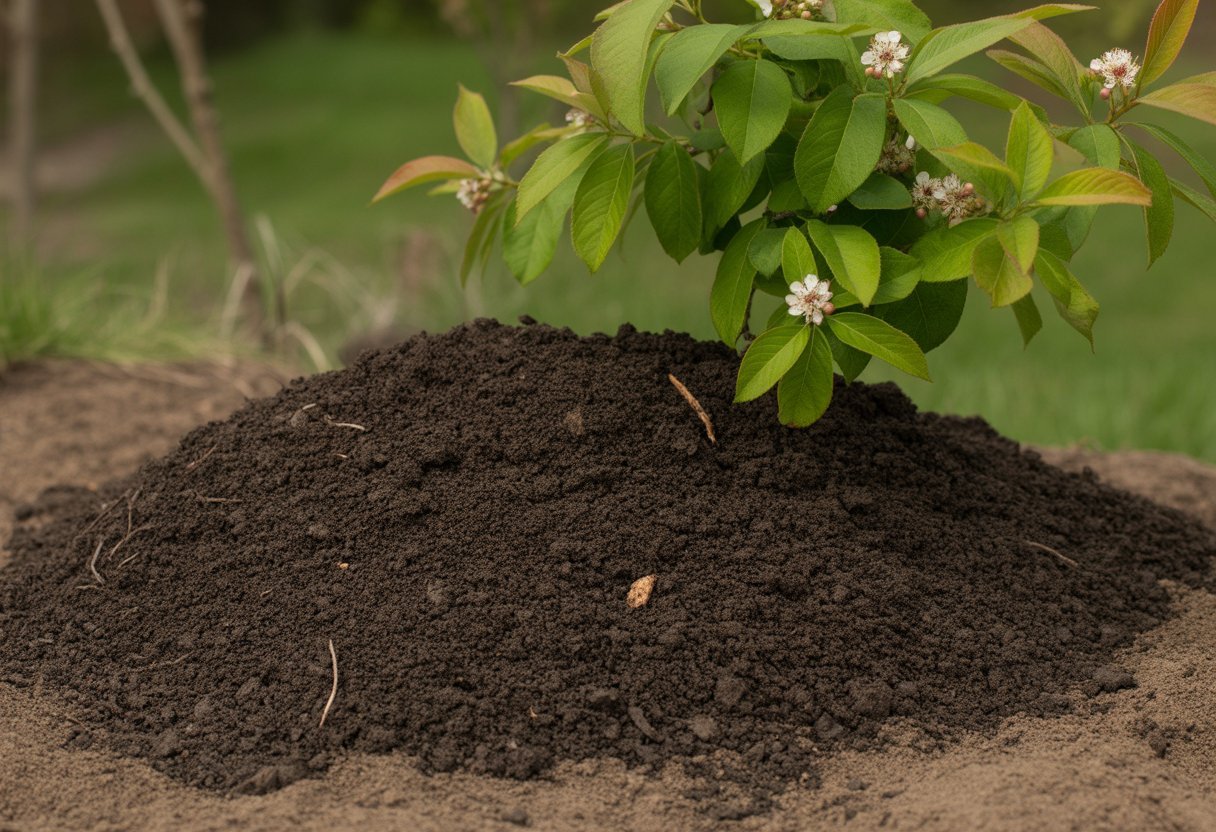
Serviceberry adapts to many soil types, but it really shines in soils packed with organic matter.
If you’ve got sandy or heavy clay soil, mixing in compost or aged mulch can make a big difference for texture and fertility.
Soil conditions affect how vigorous your Amelanchier gets, and you’ll notice it in the flowers and fruit.
If you want strong, healthy serviceberries, prepping and maintaining the soil is worth your time.
Key Soil Requirements for Serviceberry Growth
Serviceberry plants really need certain soil conditions for strong roots and steady growth.
If you pay attention to soil texture, pH, and moisture, your Amelanchier species will do better—whether you’re planting Amelanchier laevis, Amelanchier arborea, or another variety.
Ideal Soil Type and Texture
Serviceberry likes well-drained soil with plenty of air pockets.
Loam—a nice blend of sand, silt, and clay—usually works best since it holds nutrients and moisture but doesn’t drown the roots.
Sandy loam’s pretty good, too, since it drains fast, but pure sand dries out way too quickly for most folks.
Clay soils can get tricky because they hold too much water, risking root rot.
Adding organic matter to clay helps drainage, so don’t skip that step.
Native soil can work fine if it drains well and doesn’t get rock-hard.
Maintaining Optimal Soil pH
Serviceberry does best in soil with a pH between 5.5 and 6.5—just a bit acidic to neutral.
This pH helps nutrients stay available so the plant can actually use them.
If your soil’s out of that range, you can add sulfur to lower the pH or lime to bump it up.
Just don’t overdo it—test first, then tweak as needed.
Importance of Soil Moisture and Drainage
Serviceberries need consistent soil moisture, especially when they’re getting established.
Still, soggy soil is a no-go; roots hate standing water.
Once mature, these shrubs tolerate a bit of drought but appreciate regular watering during dry spells.
Partial sun helps keep soil from drying out too fast, which can be handy if you’re in a hot spot.
Good drainage plus enough moisture really sets them up for long-term success.
Enhancing Soil Health for Robust Serviceberries
Healthy soil gives Amelanchier x grandiflora a real boost, leading to better growth and more fruit.
If you take time to prep your soil and add the right stuff, your serviceberries will thank you, whether they’re in sun or shade.
Enriching Soil With Organic Matter
Mixing in compost or well-rotted mulch makes the soil richer and helps it hold onto moisture.
Organic matter also wakes up beneficial microbes, which break down nutrients for your plants.
Try working 2–4 inches of compost into the top 6–8 inches of soil before planting.
That really helps young roots settle in and get going.
Organic matter also keeps the pH in a good range for serviceberries.
If you’re repotting or propagating, mixing compost with perlite helps drainage but keeps things moist enough.
Finding that balance is key—nobody wants root rot, especially with deciduous trees like these.
Using Soil Amendments for Better Growth
Soil amendments can change texture and boost nutrients, letting serviceberries thrive even when your native soil isn’t perfect.
Perlite helps air get to the roots and stops the soil from packing down.
If your pH is off, lime or sulfur can tweak it—just test first so you don’t go overboard.
A slow-release fertilizer made for fruiting shrubs keeps nutrients coming without overwhelming the plant.
If your soil’s sandy or heavy, mixing in organic matter and amendments gives you a well-draining medium.
That’s what you want for strong, disease-resistant roots.
Soil Preparation and Planting Tips
Give serviceberries enough room—about 10–15 feet apart—for air to move and keep fungi at bay.
Dig a planting hole twice as wide as the root ball but not deeper, so roots can spread out.
Loosen up the soil at the base (don’t skip this!), then set the plant in, fill with your amended soil, and water well to settle everything.
Mulch around the base to keep moisture in and soil temps steady, but don’t let mulch touch the trunk.
Especially in deciduous species, too much moisture right against the bark can cause problems.
Environmental Factors Impacting Soil Performance
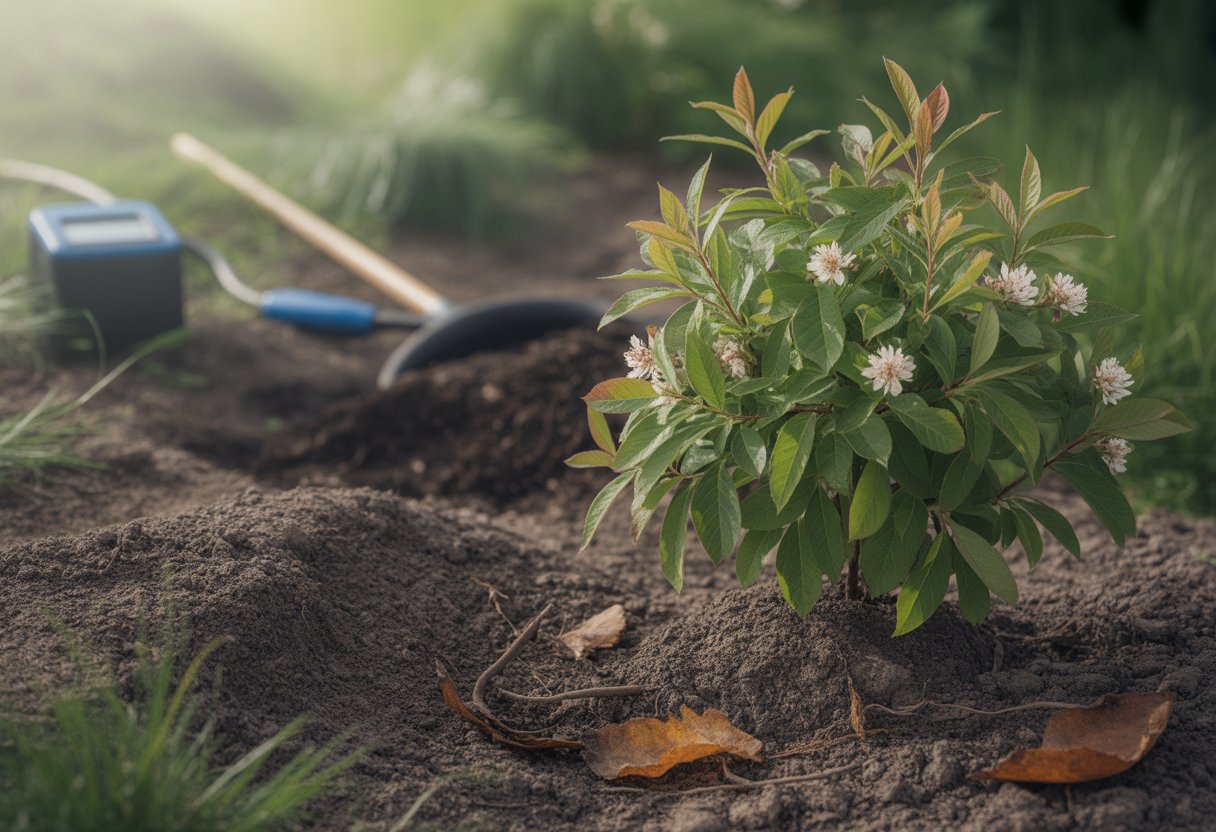
Soil performance for serviceberry depends a lot on the environment—things like sunlight, climate, and pests.
These factors shape how nutrients cycle, how well the soil holds water, and how happy the roots are.
Sunlight and Exposure Requirements
Serviceberry likes full sun to partial shade.
Plenty of sun means more photosynthesis, faster growth, and better fruit.
If you’re growing one as a street tree or big shrub in town, shoot for at least six hours of direct sun.
Too much shade means fewer flowers and more risk of root disease, since damp, dark soil just doesn’t dry out.
Soil in sunny spots also warms up faster in spring, which gets roots moving early.
Pollinators show up more when there’s good sun, which helps with fruit, too.
Finding a spot with steady, gentle sun (not blazing all day) keeps the soil’s microbiome humming and nutrients flowing.
Climate and Hardiness Zone Considerations
Serviceberry handles a range of hardiness zones from 3 to 8.
It can take cold winters and mild summers, but the soil’s got to drain well in cold areas to avoid frozen roots.
If you’re in a hot zone, soil needs to hold enough moisture to survive heatwaves.
Climate changes soil temp and moisture, which both matter for root growth.
Dry climates benefit from extra organic matter to hold water, while wet climates need soil that drains fast to dodge fungus.
Growth slows outside those ideal zones, so matching your soil prep to your location helps keep serviceberries healthy.
Disease and Pest Management in Soil
Good soil cuts down on pests and diseases like powdery mildew, fire blight, and rust.
Draining soil keeps roots and stems dry, making it harder for fungi to get a foothold.
Aphids and other bugs usually show up when plants are stressed by crummy soil.
Balanced pH and nutrients help serviceberries fight back naturally.
Organic mulches and crop rotation can keep pathogens from building up in the soil.
Testing for soil-borne diseases lets you catch issues early and treat them before they get out of hand.
Serviceberry Care, Flowering, and Harvest
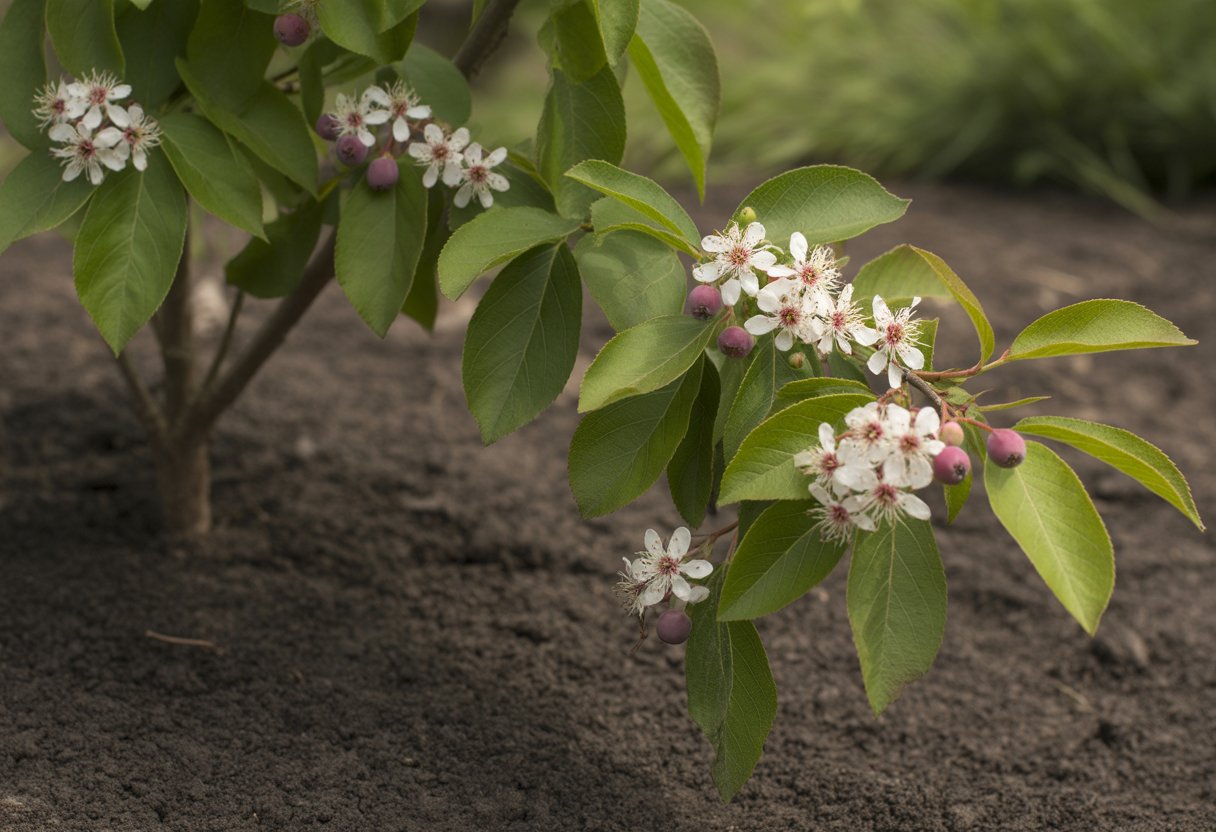
Serviceberry trees—including Allegheny and Downy varieties—need specific care for healthy growth and lots of white spring flowers.
Pruning, routine maintenance, and knowing when they bloom all help you get great berries and attract wildlife.
Pruning and Long-Term Maintenance
Prune serviceberries in late winter or early spring, before new growth shows up.
Cut out dead, damaged, or crossing branches to boost air flow and sunlight, which keeps disease down.
Shape young trees in the first five years for a strong branch structure.
Skip heavy pruning after midsummer—it can mess with fall color and berry yields.
Serviceberry types like Rainbow Pillar or Saskatoon do well if you thin out crowded branches every few years.
Trimming upper branches keeps trees at a manageable height and helps prevent storm damage.
Supporting Abundant Flowering and Fruit Production
Serviceberries bloom in May, with pretty white flowers that bring in pollinators.
Keeping the soil well-drained and a bit acidic, plus watering during dry spells, keeps flowers healthy.
Use a balanced, slow-release fertilizer in early spring for better blooms and berries, but don’t overdo it.
Too much fertilizer can actually cut down on flowers.
If you want bigger, juicier berries, thin out extra flower clusters so the tree can focus its energy.
That’s good for wildlife and makes for a better harvest, too.
Utilizing Harvest for Culinary and Ornamental Purposes
Serviceberry fruits—sometimes called juneberries or saskatoons—ripen in early summer. Their sweet, nutty flavor is honestly hard to resist.
They’re packed with antioxidants. People often pick them for jams, pies, or a good old-fashioned cobbler.
Birds love these berries and can strip a bush clean before you know it. If you want a decent harvest, you might need to pick early or throw some netting over the plants.
Serviceberries attract butterflies, too, which adds a bit of magic and helps boost garden biodiversity.
The trees don’t just stop at fruit. In autumn, especially with cultivars like Autumn Brilliance, their leaves turn vibrant colors that keep the yard looking lively long after harvest.