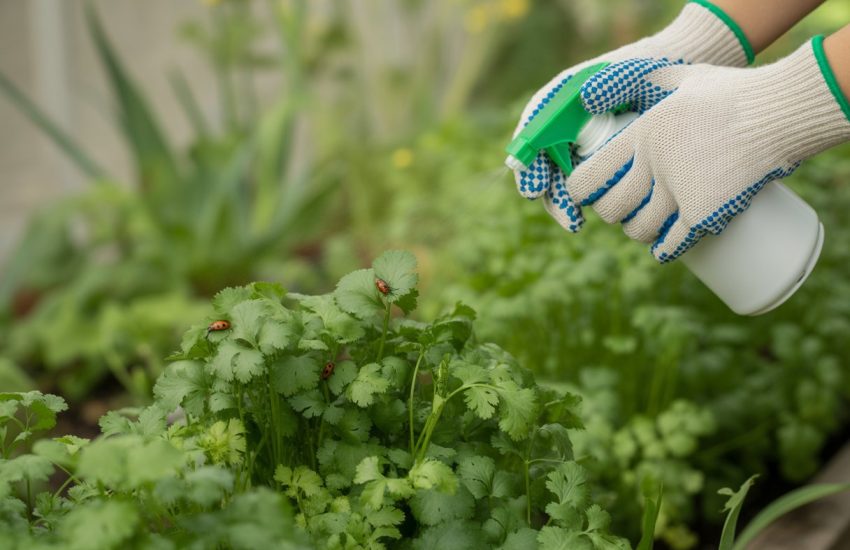
Eco-Friendly Lawn Alternatives South Dakota for Sustainable Landscaping Solutions
Last updated: September 26, 2026
Plenty of homeowners in South Dakota want greener options for their lawns—something that saves water and ditches harsh chemicals. Traditional grass? Honestly, it’s thirsty and needs a lot of fertilizer, which doesn’t really fit with the state’s climate or environmental goals.
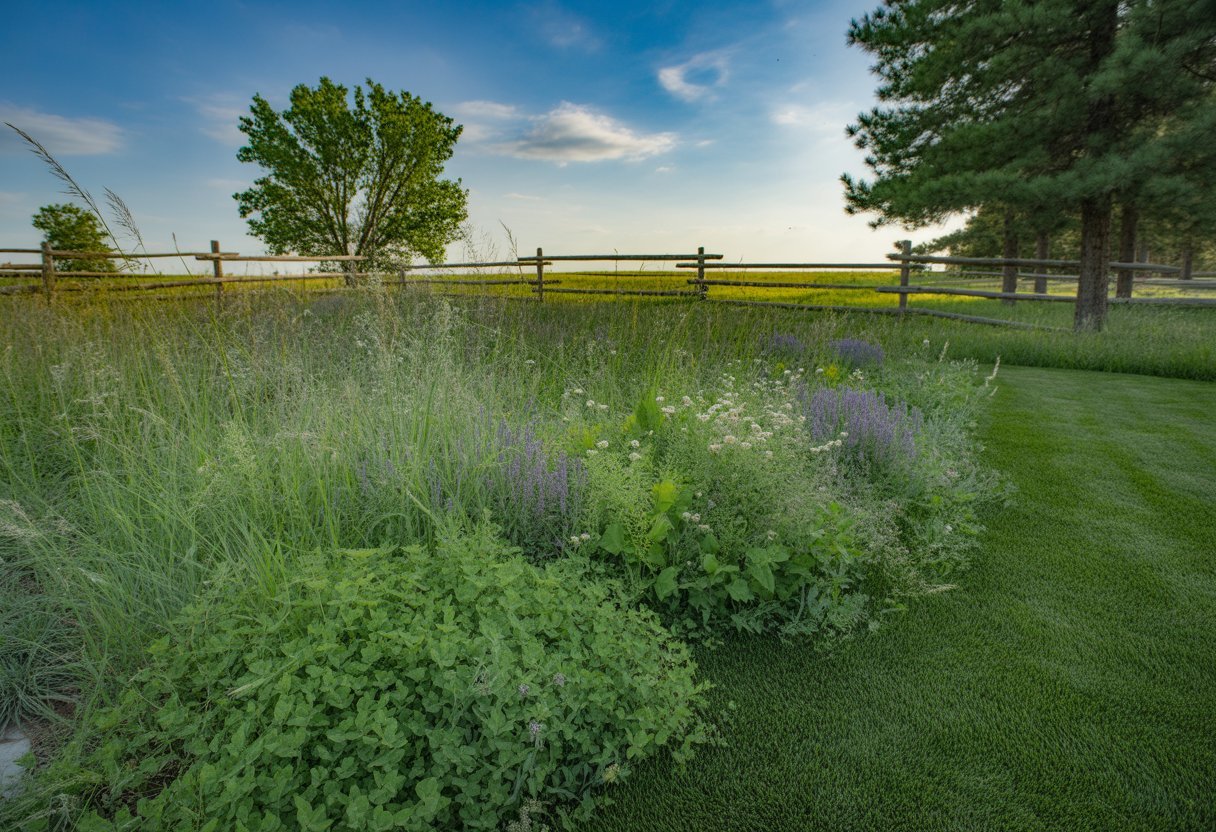
Native plants, drought-tough ground covers, and clover lawns actually thrive in South Dakota and help local ecosystems. These options make it easier to save water and create a sustainable yard, whether you’re out in the country or living in town.
We’ll look at solid lawn alternatives that balance curb appeal with environmental responsibility. There are specific picks that work with South Dakota’s unique soil and weather, making it less of a headache to swap to a greener, low-maintenance yard.
Why Choose Eco-Friendly Lawn Alternatives in South Dakota
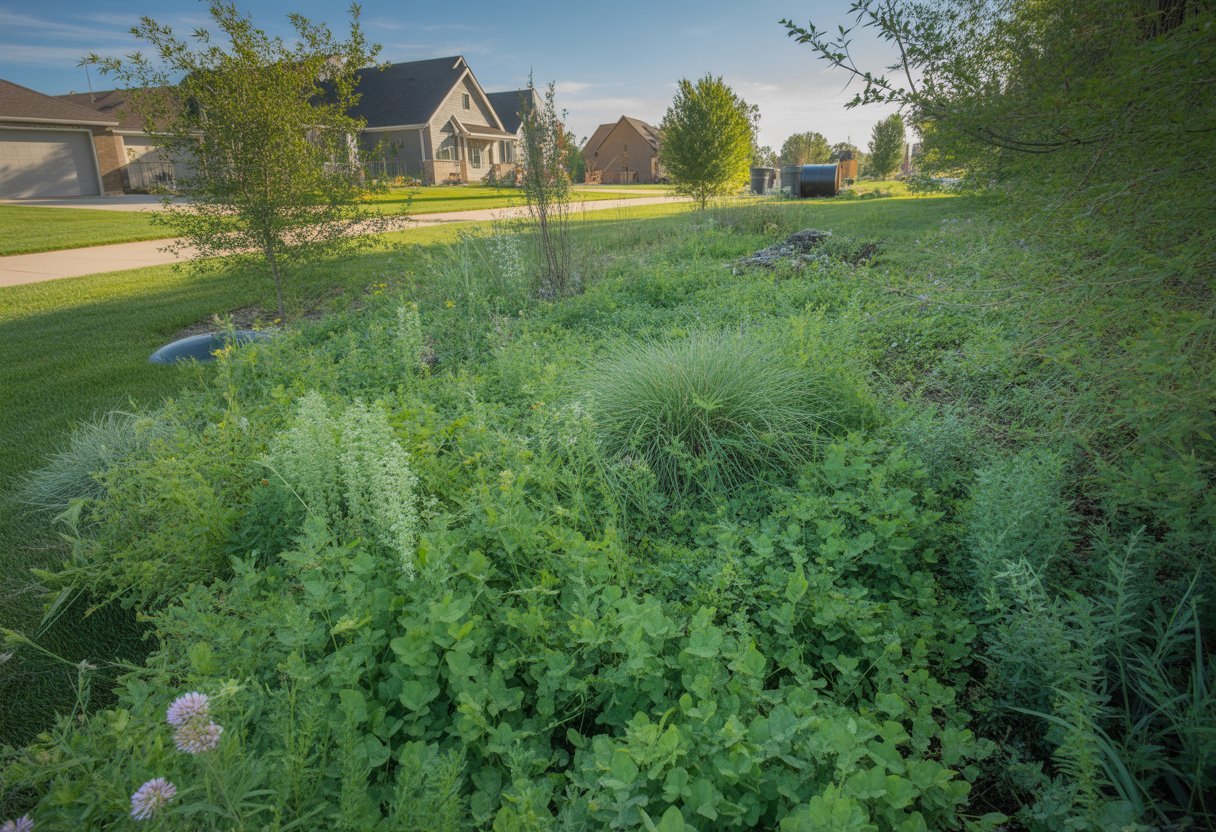
Eco-friendly lawn alternatives really do cut down on upkeep, offer habitat for local critters, and help manage invasive weeds. These choices fit South Dakota’s soil and climate, and they’re just better for the environment.
Reducing Landscape Maintenance
Native grasses and ground covers don’t guzzle water like traditional turfgrass. Cutting back on irrigation saves a lot, especially when South Dakota gets dry.
These plants grow slower, so you’ll mow less. They need fewer fertilizers and pesticides, which saves money and keeps chemicals out of your yard. Lawn care gets easier and more sustainable with these swaps.
Promoting Wildlife Habitat
Wildflower meadows and native prairie plants give pollinators, birds, and insects a place to live and feed. These habitats bring in species that belong in South Dakota.
Unlike regular lawns, these plants offer seeds, nectar, and pollen. You’ll see more butterflies and birds, and your landscape supports local wildlife. It’s a small way to boost the area’s ecological resilience.
Addressing Weed Growth
Dense, competitive plant cover from eco-friendly alternatives keeps weeds in check. Deep-rooted natives grab nutrients and water first, leaving weeds struggling.
Some of these plants even release natural chemicals that stop weed seeds from sprouting. It’s a pretty clever way to cut back on herbicides and keep your yard healthy with less effort.
Top Eco-Friendly Lawn Alternatives for South Dakota
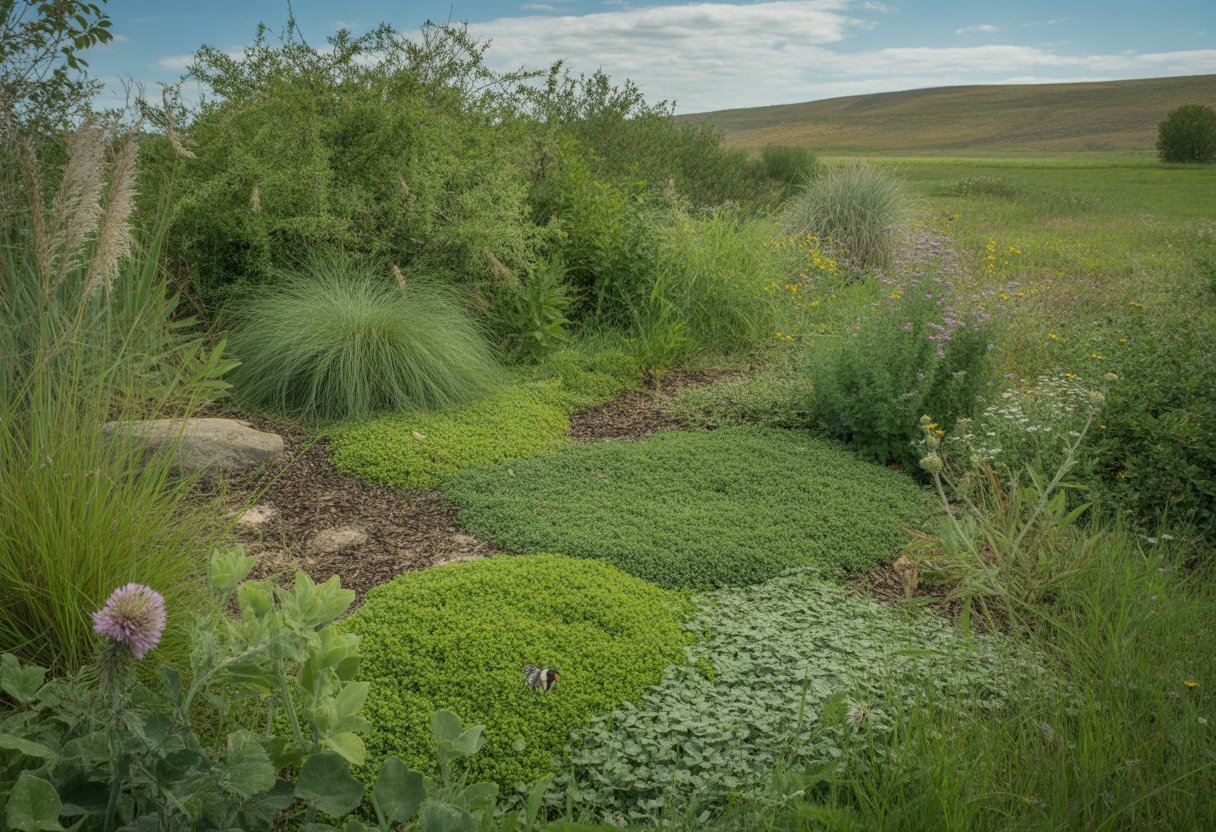
South Dakota’s climate and soil actually support quite a few sustainable ground covers. These options don’t need much water or maintenance, and they’re good for local wildlife.
Native Plants Solutions
Native plants just get South Dakota’s climate and soil. They barely need watering or fertilizing, so you’re lowering your environmental impact right away.
Purple Coneflower (Echinacea purpurea) and Prairie Dropseed (Sporobolus heterolepis) are two that really thrive here. These plants boost biodiversity, offering food and shelter for pollinators and wildlife.
Deep roots help with soil health and prevent erosion. That’s a win for gardens and bigger landscapes.
Clover Lawns
Clover lawns are a laid-back alternative to grass. White Dutch clover is the favorite—it fixes nitrogen, so you don’t have to fuss with fertilizers.
Clover handles drought, bounces back from foot traffic, and stays green longer than grass when it’s dry. It attracts bees and other helpful insects, and you can mix it with grass or let it take over for a soft, lush look.
Ornamental Grasses
Ornamental grasses don’t mind South Dakota’s weather swings. Little Bluestem (Schizachyrium scoparium) and Switchgrass (Panicum virgatum) add texture and stand up to tough conditions.
They barely need water, skip the pesticides, and don’t ask for fertilizer. These grasses help local wildlife and keep soil from getting packed down. Their seed heads and fall colors add something special to the yard.
Wildflower Gardens
Wildflower gardens swap out boring lawns for a burst of color and more pollinators. They use less water and bring in bees, butterflies, and birds.
You’ll see species like Black-Eyed Susan (Rudbeckia hirta) and Blanketflower (Gaillardia aristata). Wildflower gardens need a bit of work to get started, but once they’re going, they’re easy to keep up and offer color all season.
Design and Maintenance Tips for Alternative Landscapes
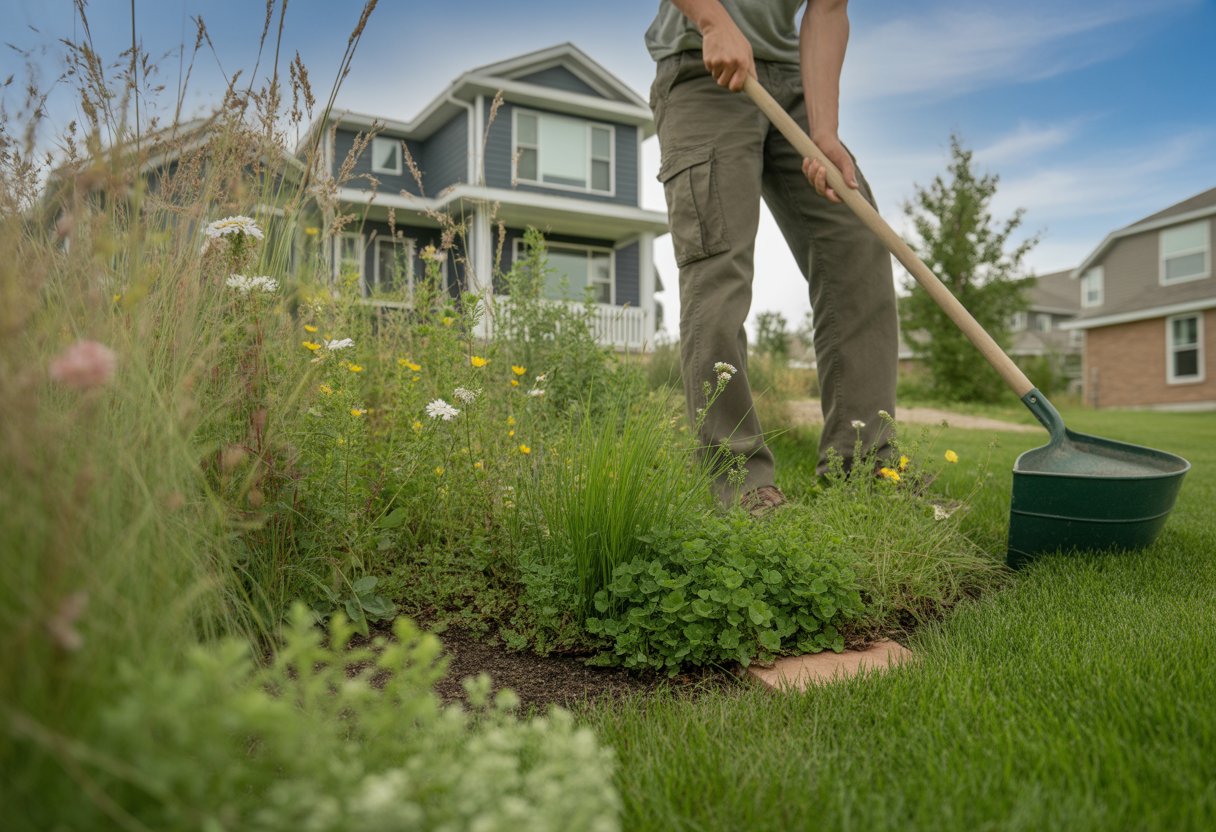
If you want your alternative landscape to work, focus on plant placement, soil health, and helping local wildlife. You’ll use less water, avoid chemicals, and keep biodiversity alive.
Landscape Design Best Practices
Pick native or drought-tolerant plants to start. Grouping plants by their water needs makes irrigation way more efficient.
Mixing ground covers, shrubs, and ornamental grasses adds texture and keeps soil from getting bare. Paths and mulched beds help with foot traffic and stop soil compaction.
Rain gardens or bioswales manage runoff and improve drainage. Think about how plants change through the seasons so your yard looks good year-round.
Stick to natives like little bluestem and prairie dropseed for low-maintenance care. Skip invasive species—they’re more trouble than they’re worth. Give plants enough space to breathe and avoid disease.
Compost Use and Soil Health
Compost really changes the game for soil structure and nutrient content. Spread 2-3 inches each year to help plants grow without synthetic fertilizers.
Healthy compost encourages good microbes in the soil. Regular soil tests help you know how much compost to use, especially since South Dakota has lots of sandy or clay soil.
Turn your compost pile every few weeks to keep it breaking down. Use both green (nitrogen-rich) and brown (carbon-rich) materials for the best results. It’s a simple way to cut waste and boost your landscape’s health.
Attracting Beneficial Insects
Ladybugs, lacewings, and ground beetles eat pests for you. Plant nectar-rich flowers like coneflowers and black-eyed susans to give them food and shelter.
Skip broad-spectrum pesticides—they’ll hurt the good bugs. Integrated pest management works better and keeps predator bugs around.
Stone piles or mulched areas give insects a place to hide. The more plant variety you have, the more types of good bugs you’ll attract. Keep an eye on insect activity to see how your landscape is doing.
Sustainable Practices and Resources for Homeowners
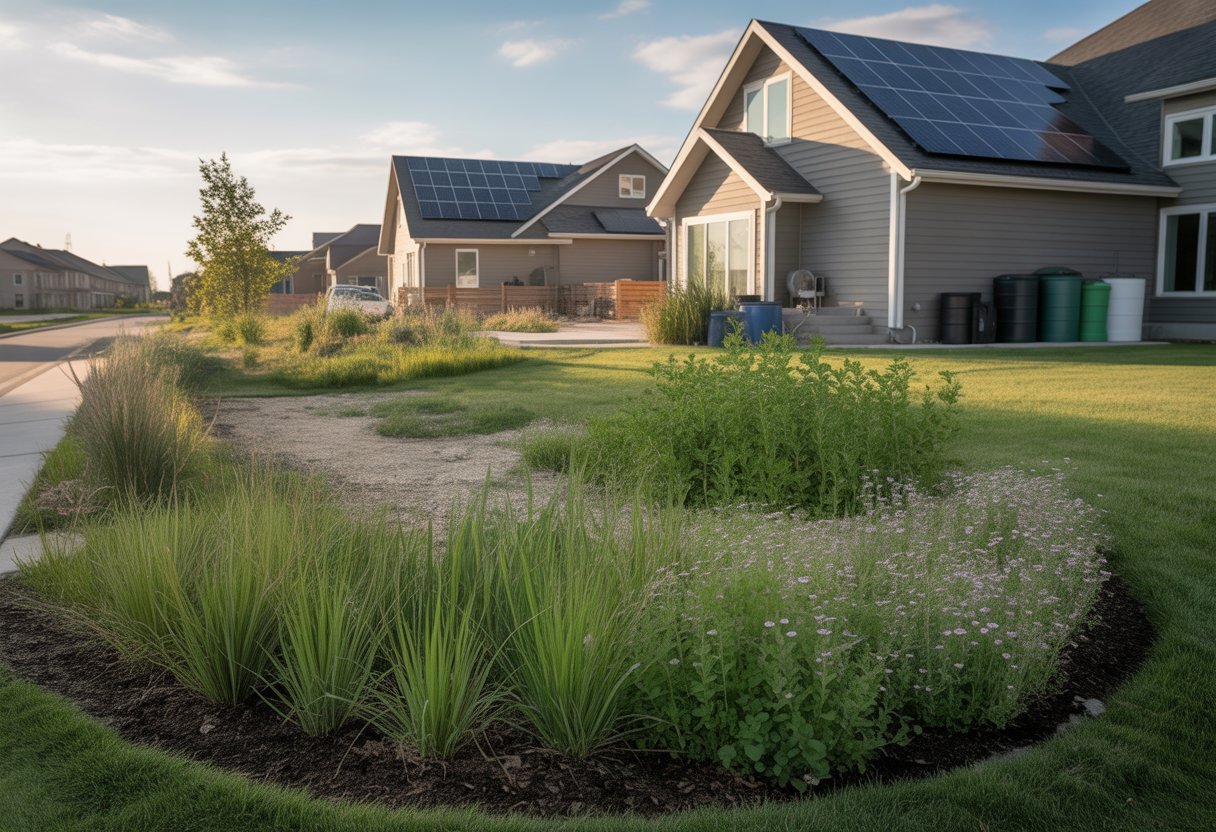
You can boost your lawn’s health and cut down on environmental impact with a few simple changes. Adjusting fertilizer use and finding solid resources makes a big difference.
Limiting Lawn Fertilizer Use
Too much fertilizer pollutes water and wrecks soil. Test your soil before adding anything, so you know what your lawn actually needs.
Only fertilize during the growing season to avoid waste. In South Dakota, early spring and late summer work best for grass growth. Slow-release fertilizers keep nutrients from washing away.
Try organic options or compost to support soil health. Steer clear of high-nitrogen products that make grass grow too fast—otherwise, you’ll just end up mowing and watering more.
Building a Resource List
Building a solid resource list makes it easier to find trustworthy materials and expert advice. Homeowners might want to check out local extension offices or garden centers that focus on native plants.
Environmental organizations can also point you in the right direction. Online databases and local workshops are great for digging up info about sustainable lawn care products or native grass seed suppliers.
Try reaching out to South Dakota State University Extension services for tips tailored to your area. Honestly, sometimes a quick call or email saves a lot of headaches.
A handy resource list usually includes:
- Soil testing labs
- Certified organic fertilizer dealers
- Native plant nurseries
- Lawn care professionals who actually use sustainable practices