Plants That Look Like Basil: A Guide to Identifying Similar Species
Last updated: August 25, 2026
Basil is a popular herb used in many cuisines worldwide. Its fragrant leaves add a distinct flavor to dishes and are also used for medicinal purposes. However, there are several plants that look like basil, making it challenging to differentiate them from the herb.
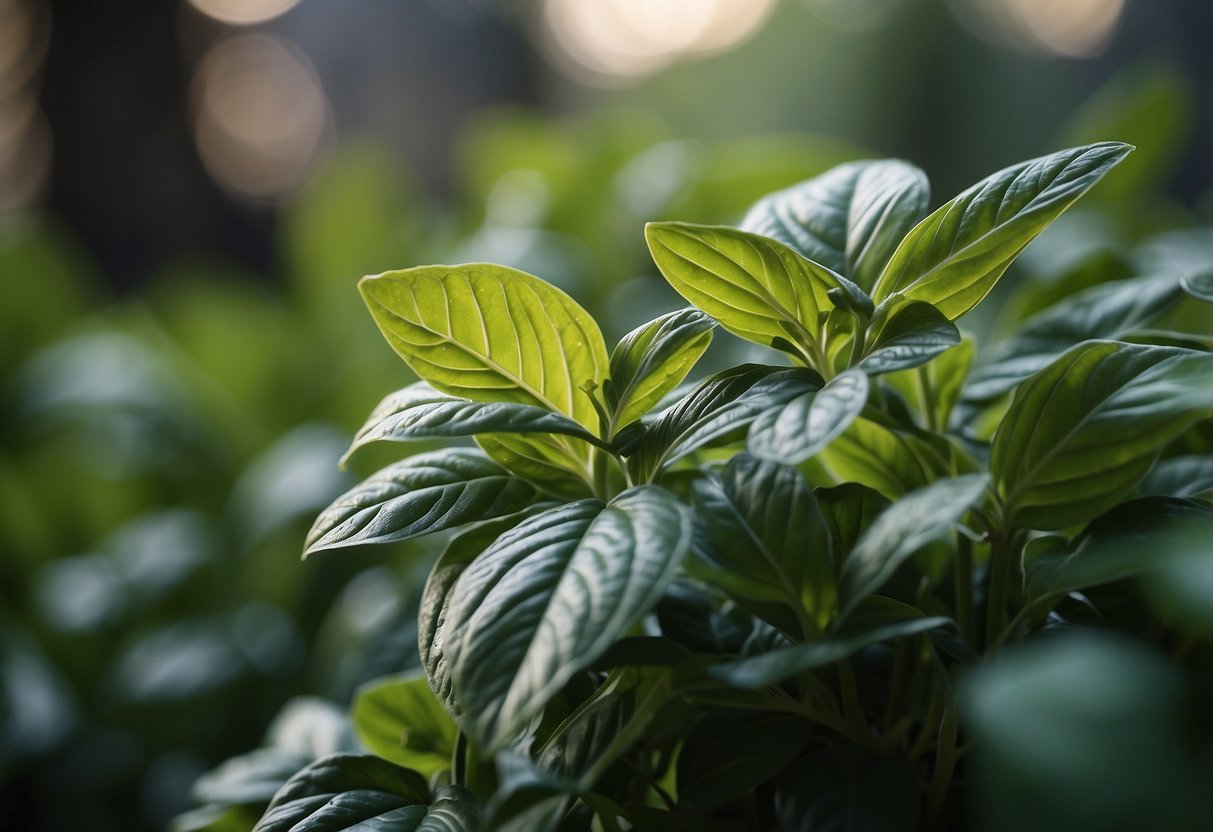
One such plant is holy basil, also known as tulsi. It is a sacred plant in Hinduism and is used in Ayurvedic medicine to treat various ailments. Holy basil has green leaves with purple veins and a spicy, clove-like aroma. Another plant that looks like basil is cinnamon basil, which has a sweet, spicy aroma and reddish-purple leaves. It is often used in desserts and tea.
Sweet basil, Thai basil, purple basil, and lemon basil are some of the most popular varieties of basil. Sweet basil has large, green leaves with a sweet aroma and is commonly used in Italian cuisine. Thai basil has a licorice-like flavor and is used in Thai and Vietnamese dishes. Purple basil has dark purple leaves and a milder flavor than sweet basil. Lemon basil has a citrusy aroma and is often used in salads and seafood dishes.
Identifying Basil Look-Alikes
Physical Characteristics
Basil is a member of the mint family and has a distinct appearance with its fragrant, serrated leaves that are typically dark green or deep purple. However, there are several plants that closely resemble basil and can be easily mistaken for it.
One such plant is chickweed, which grows on rounded stems and has broad spade-shaped leaves of dark green with faint veining on the surface. Chickweed grows to almost the same height as basil at 18 inches tall and has a similar leaf shape and arrangement, if slightly more spaced out, than basil leaf pairings. Another plant that looks like basil is nettle, which has leaves that resemble basil and can be identified by their serrated edges.
Popular Basil Varietals and Their Twins
There are several popular basil varietals, each with its own unique appearance and flavor. Sweet basil, also known as Genovese basil, is the most common type of basil and has large, bright green leaves with a sweet, slightly spicy flavor. Thai basil, on the other hand, has narrow, pointed leaves with a purple stem and a licorice-like flavor. Lemon basil has leaves that are lighter green in color and have a lemony scent, while holy basil has a more pungent aroma and a slightly bitter taste. Cinnamon basil has a cinnamon-like flavor and a purple stem, while purple basil has dark purple leaves and a milder flavor than sweet basil.
Plants that resemble sweet basil include licorice mint, which has leaves and flowers that look like basil, and petunias, which have leaves that look like basil leaves. Sesame and nicotiana are two other plants that resemble basil leaves. Lavender, on the other hand, has flowers that look like basil.
When identifying basil look-alikes, it is important to pay attention to the plant’s foliage, flowers, and overall appearance. While some plants may closely resemble basil, they may have distinct differences that can help you tell them apart. By taking the time to properly identify the plant, you can ensure that you are using the correct herb in your cooking or gardening.
Cultivation and Care of Basil
Growing Conditions
Basil is a popular herb that can be grown both indoors and outdoors. It is an annual plant that requires warm temperatures and plenty of sunlight to grow. Basil can be grown from seeds or purchased as seedlings from a garden center. If growing basil from seeds, start them indoors 4 to 6 weeks before the last frost date. Basil should be planted in rich, moist soil with a pH between 6.0 and 7.0.
Basil should be planted in a location that receives at least 6 hours of full sun each day. If growing basil indoors, place the plant near a sunny window or under grow lights. Basil can also be grown in containers on a kitchen windowsill. When planting basil in a container, choose a pot that is at least 6 inches deep and has drainage holes.
Maintenance and Harvesting
Basil requires regular watering to keep the soil moist but not waterlogged. Water the plant when the top inch of soil feels dry to the touch. Overwatering can lead to root rot, so be sure to allow the soil to dry out slightly between waterings.
To encourage branching and prevent the plant from becoming too tall, pinch off the top leaves of the basil plant when it reaches 6 inches in height. Regular pruning will also encourage the plant to produce more leaves.
Basil can be harvested once the plant reaches 6 to 8 inches in height. To harvest basil, pick the leaves in the early morning when they are at their juiciest. Harvesting the leaves regularly will encourage growth throughout the summer.
Basil is susceptible to a few pests and diseases, including aphids and slugs. To prevent these pests from damaging the plant, keep the soil moist and provide adequate air circulation. If necessary, treat the plant with an insecticidal soap or slug bait.
When the basil plant begins to flower, the leaves may become bitter. To prevent this, pinch off the flowers as soon as they appear.
Transplanting and Storing
If growing basil in a container, transplant the plant into a larger pot once it outgrows its current container. When transplanting, be sure to gently loosen the roots and plant the basil at the same depth it was previously growing.
Basil can be stored by drying the leaves or freezing them in ice cube trays with water or oil. To dry the leaves, hang them upside down in a warm, dry place until they are brittle. Once dry, store the leaves in an airtight container.
Basil can also be stored in the refrigerator for up to 1 week. To store basil in the refrigerator, wrap the leaves in a damp paper towel and place them in a plastic bag.
Fertilizing
Basil plants benefit from regular fertilization. Use a balanced fertilizer once a month during the growing season.
Conclusion
Basil is a versatile herb that can be grown in a variety of conditions. By following these tips for cultivation and care, gardeners can enjoy a bountiful harvest of fresh basil throughout the summer.