Native Plants

Landscaping with Native Mayapple in New Mexico: Enhancing Local Gardens with Indigenous Flora

Last updated: February 20, 2026

Mayapple (Podophyllum peltatum) brings lush, umbrella-shaped foliage and delicate spring blooms to shaded New Mexico gardens — a striking contrast to the desert landscape most people associate with the state. If you have a north-facing slope, a woodland edge, or a shady courtyard, Mayapple can transform it into a green oasis with almost zero maintenance once established.

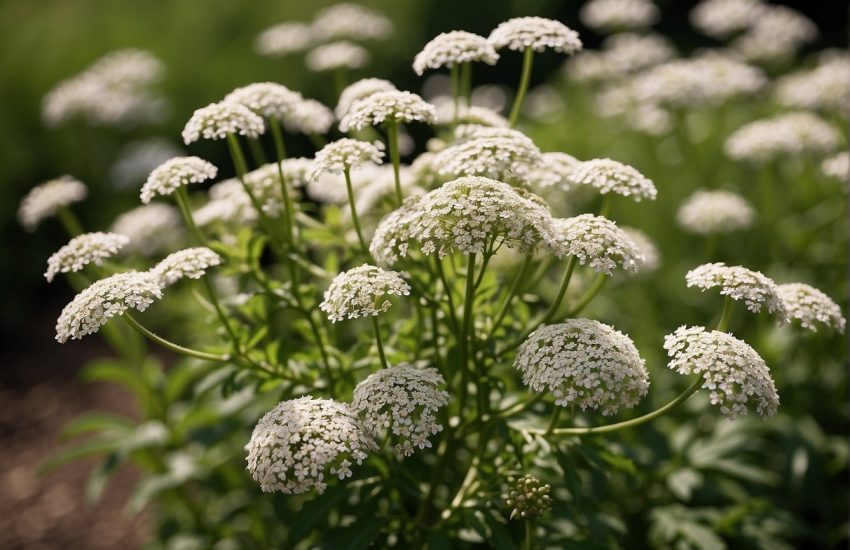
A garden bed in New Mexico with green mayapple plants and native desert vegetation under a clear blue sky.

This native perennial spreads by rhizomes to form a dense ground cover that holds soil moisture, prevents erosion, and provides habitat for native pollinators. It goes dormant by midsummer, so pair it with later-season natives for year-round interest.

If you’re hoping to cut down on watering and avoid chemicals, Mayapple fits right in with eco-friendly gardening. Folks who want a resilient, native landscape will probably find Mayapple both appealing and useful.

The Three-Season Design Approach

Because Mayapple disappears by July in New Mexico, successful planting designs address all three active seasons:

  • Spring (March-May): Mayapple is the star. Dramatic unfurling of umbrella-shaped leaves creates an otherworldly display. The single white flower hides beneath the leaf canopy — you’ll notice it if you look under the leaves.
  • Early summer (June-July): Mayapple ripens its lemon-yellow fruit and then begins to fade. Pair with later-emerging companions that fill the gap.
  • Late summer and fall: Mayapple is fully dormant underground. Companion plants carry the display. The bare ground where Mayapple grew can be mulched to retain moisture and prevent weeds.

Best Companion Plants for Mayapple in New Mexico

Choose companions that emerge after Mayapple fills the spring display, then cover the gap when it goes dormant:

  • Wild Ginger (Asarum caudatum): Evergreen in mild climates, fills the same shady, moist niche. Grows lower than Mayapple and looks good year-round. Native to the Pacific Northwest but adaptable to irrigated New Mexico shade gardens.
  • Ferns — especially Christmas Fern (Polystichum acrostichoides): Native and evergreen (semi-evergreen in New Mexico). Emerges as Mayapple fades and holds the display through fall and winter.
  • Bleeding Heart (Lamprocapnos spectabilis): Blooms beautifully alongside Mayapple in spring. Also goes dormant by midsummer — pair both with ferns to cover the gap.
  • Virginia Bluebells (Mertensia virginica): Another spring-blooming native that creates a stunning blue-purple complement to Mayapple’s green. Both go dormant by midsummer — use them together and plan ahead for late-season coverage.
  • Native Columbine (Aquilegia species): Blooms in May-June as Mayapple fades, bridges the gap before going semi-dormant in summer heat.

Mayapple for Wildlife in New Mexico

Planting Mayapple does more than beautify your yard — it supports native wildlife in a state where natural woodland habitats are limited and precious:

  • Pollinators: The solitary bee queen (Bombus species) is the primary pollinator of Mayapple. The flowers provide early-season pollen and nectar when few other native plants are blooming in shade environments.
  • Box turtles and wildlife: In eastern states where Mayapple is native, box turtles are the primary seed dispersers for the fruit. In New Mexico, the ripe fruit can attract native rodents and birds that also disperse seeds.
  • Thrushes and other ground-feeding birds: The dense ground cover created by a Mayapple colony provides ideal foraging habitat for birds searching for insects in leaf litter.
  • Soil health: As a rhizomatous native perennial, Mayapple’s spreading root system improves soil structure and adds organic matter through leaf litter — building the kind of rich woodland soil that supports a cascade of other beneficial organisms.

Mayapple Toxicity — Important Safety Information

Mayapple is classified as toxic, and it’s important to understand what that means for your garden:

  • All parts except ripe fruit: The rhizomes, leaves, stems, and unripe fruit contain podophyllotoxin — a powerful cytotoxin that causes severe digestive upset and can be harmful with large exposures. Do not consume any part of the plant except ripe fruit.
  • Ripe fruit: The fully ripe, lemon-yellow fruit is edible and has a sweet tropical flavor sometimes compared to passion fruit. “Ripe” means fully yellow, soft, and practically falling off the stem — not just turning yellow. Even ripe fruit should be eaten in moderation.
  • Medical uses: Podophyllotoxin is the basis for pharmaceutical etoposide and teniposide — important cancer treatment drugs. This gives Mayapple a fascinating medicinal history, but do not attempt home medicinal use of any plant part.
  • Gloves recommended: When dividing rhizomes or handling the plant extensively, wear gloves. Skin absorption of podophyllotoxin from plant handling is low risk but not zero.
  • Pets and children: Keep children and pets from consuming the leaves, stems, rhizomes, or unripe fruit. A ripe fruit sampled by a curious child is unlikely to cause serious harm, but unripe plant material is genuinely toxic.

Key Takeaways

  • Mayapple is native to eastern North America but grows successfully in irrigated shady spots in New Mexico
  • Ideal for north-facing slopes, woodland edges, shaded courtyards, and under large trees
  • Goes dormant by midsummer — plan companion plantings to fill the gap (ferns, wild ginger)
  • Spreads by rhizomes to create a dense, maintenance-free ground cover over time
  • All parts except ripe fruit are toxic — important to know for households with children or pets
  • Supports native pollinators, especially bumblebee queens, in spring when few other shade plants are blooming

Frequently Asked Questions

Is Mayapple native to New Mexico?

No — Mayapple (Podophyllum peltatum) is native to eastern North America, from the Atlantic Coast west to the eastern Great Plains, and south through the Appalachians. Its natural western limit doesn’t reach New Mexico. However, as a native perennial adapted to woodland conditions, it can be successfully cultivated in New Mexico wherever shaded, moist conditions can be provided — particularly in north-facing microclimates with supplemental irrigation or natural shade from structures or larger trees.

Can you eat Mayapple fruit?

Only the fully ripe fruit is edible — and “fully ripe” means completely yellow, soft, and almost falling off the plant. Ripe Mayapple has a distinctive sweet-tropical flavor that some describe as reminiscent of passion fruit or guava. It can be eaten raw, or used to make jelly and jam. Unripe fruit and all other parts of the plant (leaves, stem, rhizome) are toxic and should not be consumed. Most years, Mayapple plants don’t fruit unless there were two or more plants for cross-pollination by native bees.

How quickly does Mayapple spread?

Mayapple spreads at a moderate pace through rhizome extension — typically 6-12 inches per year under good conditions. A single plant becomes a colony over several years. This spreading habit is an asset for ground cover purposes but worth knowing if you’re planting near areas you don’t want it to colonize. The rhizomes are easily divided in late summer when the plant is dormant to transplant to new areas or share with other gardeners. In New Mexico’s dry conditions, spreading will be slower unless adequate moisture is provided.

Explore more native plant landscaping options: ground cover plants for Arizona gardens, desert landscaping ideas, and ground covers for Oregon.

Understanding Native Mayapple in New Mexico

Mayapple (Podophyllum peltatum) stands out among native perennials, especially in woodland settings. It’s got a few quirks that make it important for North American gardens.

When you compare it to other natives, Mayapple’s unique features and gardening value become pretty clear.

Characteristics of Mayapple

Mayapple is a herbaceous perennial with leaves that look like little umbrellas, usually sprouting from a single stem. In spring, each plant puts out one white flower beneath the leaves, which later turns into a yellow fruit.

The leaves spread out and form a dense, shady ground cover. Plants grow about 12 to 18 inches tall and prefer moist, well-drained soils in shady areas.

By midsummer, Mayapple goes dormant and disappears until the next year. Its rhizomes help it spread slowly but steadily.

The fruit is only safe to eat when it’s fully ripe—otherwise, the plant is toxic. Gardeners should keep this in mind for safety, especially if kids or pets are around.

Mayapple really shines in garden designs that focus on native woodland plants and early wildflowers.

Ecological Role and Native Range

Mayapple is native to the eastern USA but does grow in some of New Mexico’s wooded, cooler, shaded areas. It thrives in native woodland ecosystems as an understory plant and helps support biodiversity.

The flowers attract early pollinators, and mammals eat the ripe fruit, spreading seeds around. Its rhizomes also help keep soil in place.

Conservation groups and native plant societies often point to Mayapple as a sign of healthy woodlands. Its presence usually means the local ecosystem is in good shape.

Comparison With Other Native Plants

Among New Mexico’s native woodland plants, Mayapple brings something different to the table. It produces a single, large flower—no clusters—so it stands out.

Unlike drought-tolerant natives, Mayapple wants shade and moisture. Its broad leaves also look pretty different from the skinny foliage of many local wild perennials.

In native gardens, Mayapple fills in the early spring gap and pairs well with other perennials. Since it’s toxic, gardeners should avoid planting it where children or pets play.

It helps support biodiversity, but does so with its own rhythm and growth habits.

Best Practices for Landscaping With Native Mayapple

A natural New Mexico garden with green Mayapple plants growing among desert vegetation under a clear blue sky.

Landscaping with Mayapple works best when you match its natural habitat—think shade, good soil, and steady moisture. Adding organic matter and paying attention to shade really helps.

Site Selection and Shade Requirements

Mayapple loves partial to full shade, usually found on the north side of trees or buildings. It needs protection from harsh sun to avoid leaf burn.

Woodland edges or shaded garden beds with dappled sunlight work great. Open, sun-exposed areas just don’t suit this plant.

If you want Mayapple to thrive, pick a moderately shady spot for a more natural look. Full sun is a no-go—it’ll stress the plant out.

Soil Preparation and Requirements

Mayapple prefers humus-rich, loamy soil loaded with organic matter. Soil should stay moist but drain well—no swampy spots.

In New Mexico’s sandy soils, mixing in compost or leaf mold boosts fertility and helps the ground hold moisture. Organic matter makes the soil structure better and keeps roots happy.

Check soil pH if you’re unsure—Mayapple likes it slightly acidic to neutral (pH 6.0–7.0). Avoid heavy clay or very alkaline soils unless you’re willing to amend them.

Watering and Moisture Needs

Mayapple wants the soil to stay consistently moist, especially during its spring growth spurt. It’s not drought-hardy, so supplemental watering is usually necessary in New Mexico.

Focus on deep, occasional watering to build strong roots. A layer of mulch helps conserve moisture and keeps the soil temperature steady.

Don’t overdo it—too much water can rot the roots. Balanced moisture is key, just like in the plant’s native woodlands.

Benefits of Native Landscaping

Planting native Mayapple helps local wildlife by providing shelter and food for insects and small animals. It fits right into conservation-minded gardens.

Mayapple doesn’t need much in the way of chemicals and usually asks for less maintenance than non-natives. It helps keep local biodiversity and soil health strong.

Adding this plant to your garden supports sustainable practices and reinforces New Mexico’s natural ecosystems.

Planting, Propagation, and Maintenance

Mayapple grows beautifully in shaded spots with rich, moist soil, so it’s a solid pick for naturalistic New Mexico gardens. Good planting and propagation habits set it up for success, and a little attention during the year keeps it healthy.

Propagation Techniques for Mayapple

Mayapple mostly spreads through underground rhizomes, so dividing them is the easiest propagation method. Dig up rhizome sections in early spring or late fall, making sure each piece has a growth bud.

Plant divisions 6 to 12 inches apart and cover them with about 2 inches of soil. Seed propagation is possible but takes patience—collect seeds from ripe fruits in late summer.

Seeds need to chill in cold, moist conditions for 90 days before they’ll sprout. Seedlings can take years to mature and flower.

Grafting and other fancy propagation tricks aren’t common for Mayapple. It’s best to keep it away from aggressive exotics like Buddleja or fast-growing vines to avoid competition.

Seasonal Care and General Maintenance

Mayapple goes dormant in summer, so the leaves die back and you can cut back on watering. In spring, growth returns with new leaves and flowers, and the plant needs steady moisture to bloom and support pollinators.

A mulch of organic material keeps soil moist and slowly adds nutrients. Try not to disturb the roots—they’re shallow and don’t like being messed with.

Prune nearby low shrubs or ornamental grasses lightly to improve airflow and keep pests down. Small trees and tall shrubs that cast dappled shade create the best conditions, much like a woodland.

Pest, Disease, and Companion Planting

Mayapple shrugs off most pests but might get nibbled by slugs or snails now and then. Natural predators and simple barriers work better than chemicals.

Fungal diseases can pop up if things get too wet, but good spacing and mulch help prevent problems. Pairing Mayapple with native low shrubs and ornamental grasses boosts garden biodiversity and keeps out invasive species.

Steer clear of planting it near aggressive vines or exotics like Buddleja—they’ll hog resources and pollinators. Creating a habitat for pollinators helps Mayapple reproduce and keeps the ecosystem humming.

This plant does best in a balanced community that feels like its native woodland home.

Mayapple Uses, Safety, and Conservation Considerations

A natural New Mexico landscape with green mayapple plants growing among native desert vegetation under a clear blue sky.

Mayapple isn’t just pretty—it’s got a history of traditional uses and plays a unique role in local habitats. Handling it takes a bit of care, though.

Edible and Medicinal Properties

Mayapple puts out an edible fruit that ripens from late spring to early summer. Only the ripe fruit is safe to eat—unripe fruit and the rest of the plant are toxic.

Some indigenous groups used mayapple extracts for medicinal purposes, treating things like liver problems and warts. Modern research has found anti-cancer properties in mayapple, but the risks mean you shouldn’t use it medicinally without expert supervision.

Mayapple is actually in the Apiaceae family, along with other native plants that you might see growing with red maple (Acer rubrum) and staghorn sumac (Rhus typhina). Its fruit attracts wildlife, which adds to its value in the garden.

Toxicity and Safe Handling

Every part of the mayapple plant—except the ripe fruit—contains podophyllotoxin, a toxic compound. If you touch the sap, it can irritate your skin, and eating any part but the ripe fruit can make you sick.

Wearing gloves when handling or harvesting mayapple is just smart. Keep pets and kids away from it, since its toxicity isn’t something to take lightly.

This is a key difference from plants like sugar maple (Acer saccharinum) or ilex vomitoria, which don’t have these risks but still add to native habitat diversity.

Role in Habitat Restoration

Mayapple thrives in shaded woodlands, usually hanging out with hardwoods like silver maple (Acer saccharinum) and red maple.

It helps stabilize the soil and spreads out as ground cover, giving small animals and insects a bit of protection.

In restoration projects, mayapple boosts native plant diversity and makes it harder for invasive species like Norway maple (Acer platanoides) to take over.

Its flowers and leaves support pollinators and wildlife, working well with plants like ilex vomitoria.

If you’re thinking about using mayapple in restoration, it’s a good idea to source plants responsibly—nobody wants to see wild populations wiped out.

Start Your Native Mayapple Garden

Ready to add Mayapple to your New Mexico landscape? Source plants from a reputable native plant nursery — wild-harvesting harms natural populations. Find a native plant nursery near you to get started.

Related guides:

Designing with Mayapple in a New Mexico Garden

Mayapple’s unusual growth pattern — emerging in spring, creating a lush ground cover, then going dormant by midsummer — is actually a design asset once you plan around it. Here’s how to integrate it into a beautiful, low-maintenance New Mexico garden:

Leave a Reply

Your email address will not be published. Required fields are marked *