
Is Mayapple Native to New Mexico? Range and Garden Suitability
Last updated: September 18, 2026
Mayapple (Podophyllum peltatum) is not native to New Mexico. Its natural range lies in eastern and central North America. An earlier version of this article incorrectly described it as indigenous to New Mexico. This guide corrects that claim and separates native-range information from the possibility of growing a plant outside its range.
A species being native somewhere in North America does not make it native to every state. For New Mexico habitat restoration, choose plants documented as native to the local area rather than treating Mayapple as part of the state’s natural woodland flora.
Where Is Mayapple Native?
Kew’s Plants of the World Online identifies Mayapple’s native range as southeastern Canada and the central and eastern United States. Its native-area list does not include New Mexico. The Flora of North America treatment likewise places the species outside New Mexico’s native flora.
NatureServe’s account describes its eastern North American distribution, extending west to Texas, Nebraska and Minnesota. A cultivated specimen outside that range would not establish local nativity.
Recognizing Mayapple
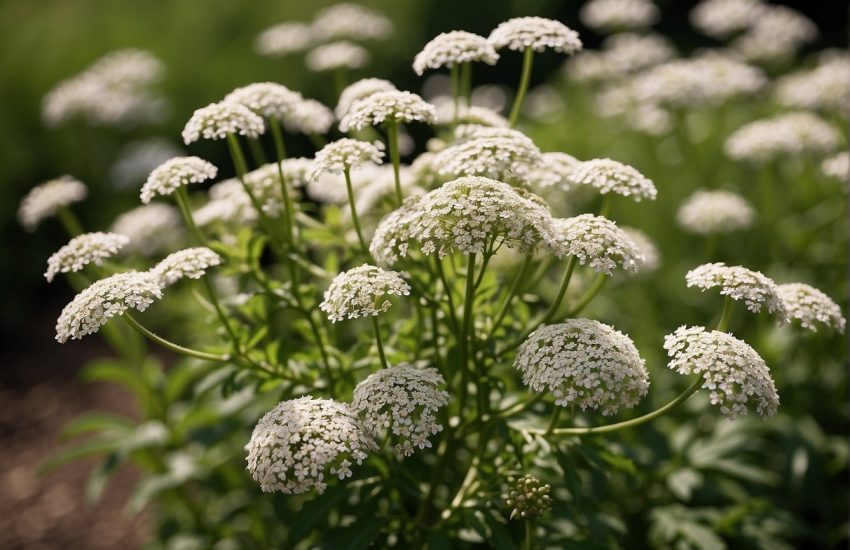
Mayapple belongs to the barberry family, Berberidaceae, not Apiaceae. This herbaceous perennial typically stands about 12–18 inches tall and bears broad, lobed, umbrella-like leaves. Flowering shoots have two leaves with a single white flower between them; one-leaf shoots do not flower. It spreads through underground rhizomes, and its foliage dies back during summer dormancy.
Is It a Good Choice for a New Mexico Garden?
Mayapple prefers partial to full shade and moist, humus-rich, well-drained soil. NC State Extension notes that it can be difficult to grow in home landscapes. Those woodland requirements make it a poor default choice for water-saving New Mexico landscaping. That suitability assessment is an inference from its growing requirements, not a claim supported by a local cultivation trial.
A shaded courtyard is not automatically a suitable woodland habitat. Shade alone does not establish that soil conditions, moisture availability or summer temperatures will suit the plant. We cannot promise successful cultivation in New Mexico, a particular flowering calendar there, or “almost zero maintenance.”
If you already grow Mayapple outside its native range, treat it as a cultivated ornamental. Do not introduce it into natural areas or use it as a substitute for locally appropriate restoration plants. Non-native does not automatically mean invasive; this article does not classify Mayapple as invasive in New Mexico.
Woodland Care: General Information, Not a Local Guarantee
Where conditions suit it, allow room for rhizomes to spread and plan for the gap left by summer dormancy. Division in fall is a propagation option; seedlings can take years to mature. These are general cultivation characteristics, not evidence that the same results can be expected at a particular New Mexico site.
Consult local horticultural advice before changing irrigation or soil management for a non-native woodland plant. Do not assume that adding compost will make any garden suitable. Similarly, a USDA cold-hardiness rating alone does not establish suitability for a dry or hot landscape.
Wildlife and Native Landscaping
Mayapple has wildlife relationships in its native range, but that is not evidence that planting it restores New Mexico ecosystems. The previous version overstated local benefits and presented unrelated woodland plants as suitable native companions. Those recommendations have been removed.
For a native garden, verify each candidate’s species identity, local native range and site needs separately. “Woodland plant,” “North American native” and “New Mexico native” are not interchangeable labels. A restoration planting should be based on the particular habitat being restored, not on visual resemblance to a forest garden elsewhere.
Toxicity and Handling
Mayapple contains poisonous compounds. Roots, leaves, unripe fruit and seeds must not be eaten. Although botanical references describe ripe fruit pulp as edible, this article is not a harvesting or food-identification guide. Keep plant material away from children and pets, wear gloves when handling it, and do not attempt home medicinal use. See NC State Extension’s Mayapple profile for its toxicity and contact-dermatitis warnings.
Frequently Asked Questions
Is Mayapple native to New Mexico?
No. The authoritative botanical range sources linked above do not include New Mexico in its native range.
Does that mean it can never survive in a New Mexico garden?
No. Native range and cultivation are different questions. However, this article has no local trial evidence supporting a promise of success. Seek advice for your actual site rather than relying on the earlier article’s claims.
Should I use it for native habitat restoration in New Mexico?
No. Choose species documented as native to the restoration area and appropriate to its habitat. Mayapple’s eastern and central North American origin does not qualify it as a local restoration species.
Where can I start looking for appropriate plants?
Use local botanical and horticultural guidance, confirm the identity of each species, and discuss your site’s conditions with a nursery. Our nursery directory can help you locate suppliers; a nursery listing alone is not proof that every plant it sells is locally native.
My kids are getting interested in gardening which is awesome. We’re starting small.