Mulching Native Gardens in Oregon for Healthier Soil and Water Conservation
Last updated: August 24, 2026
Mulching native gardens in Oregon really matters for soil health and moisture conservation, especially with the region’s unpredictable climate.
When you get mulch right, it helps plants grow by keeping soil temps steady and making it tough for weeds to take over.
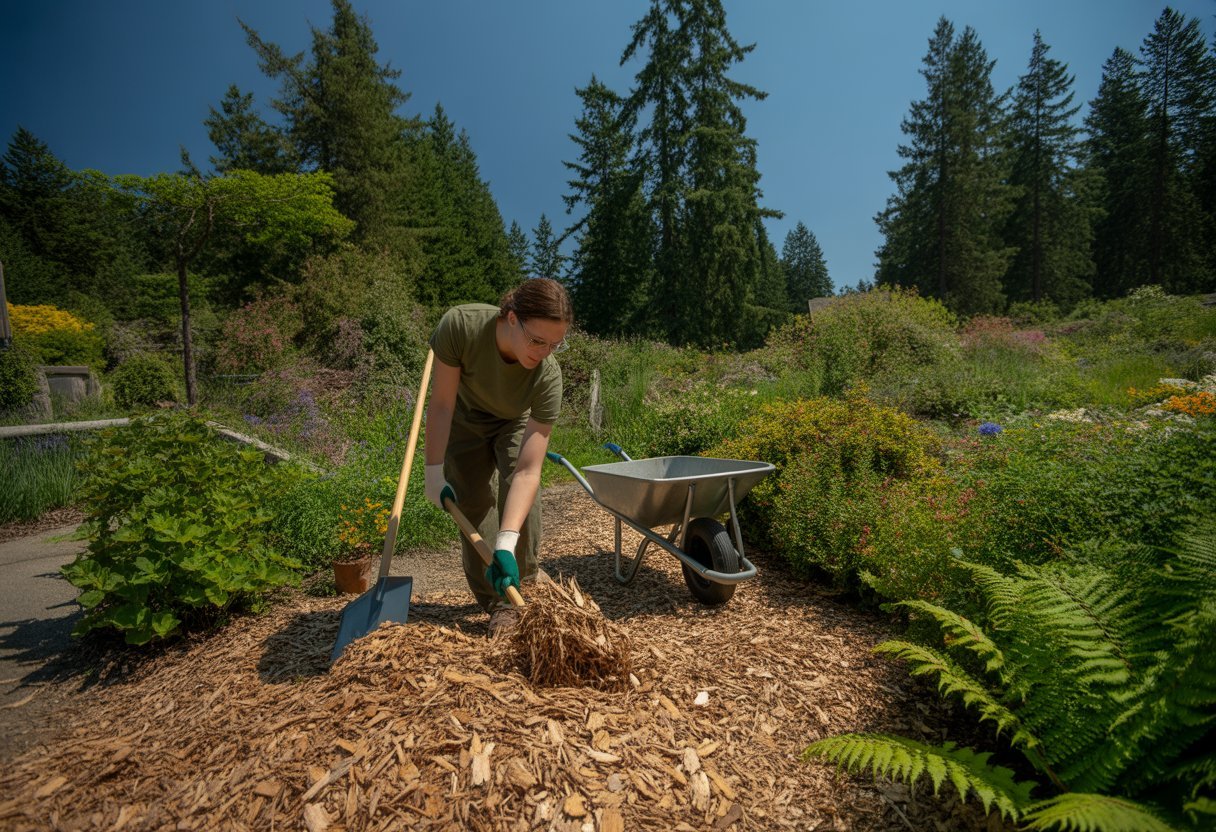
The best mulch for native gardens in Oregon is organic, locally sourced, and thick enough to hang onto moisture but not so thick it chokes the soil. That sweet spot lets native plants do their thing—no need for extra water or fertilizer most of the time.
If you know what Oregon natives need, mulching becomes a pretty easy way to keep things thriving. Picking the right mulch and timing it well? That can make or break your garden.
Benefits of Mulching Native Gardens in Oregon
Mulching native gardens in Oregon boosts soil health, cuts down on chores, and encourages more biodiversity.
It helps plants by keeping moisture in the ground, holding back weeds, and giving local wildlife a bit more to work with.
Soil Moisture Retention
Mulch acts like a shield, slowing down evaporation. That’s huge during Oregon’s dry summers, when native plants get thirsty.
When you keep soil moist, you don’t have to water as often, which is nice for both you and the plants.
Mulch also keeps roots from overheating or freezing out. Wood chips, bark, and composted leaves work well—they hold water and slowly break down, making your soil better over time.
Weed Suppression
Mulch blocks sunlight from hitting weed seeds, so you see fewer weeds popping up.
Less weeding means less work for you, and native plants don’t have to fight as hard for space.
A mulch layer about 3 to 4 inches thick seems to work best for keeping weeds down without smothering your natives.
Support for Pollinators and Wildlife
Mulched gardens become little havens for pollinators like bees and butterflies. Organic mulch brings in insects and microbes, which are food for all sorts of critters.
Healthy soil and lush native plants mean more nectar and shelter for pollinators. Even small animals—lizards, amphibians, ground-nesting birds—find cover in those mulch layers.
When you mulch thoughtfully, you help create a wildlife habitat and add real value to your patch of earth.
Selecting the Right Mulch for Oregon Native Gardens
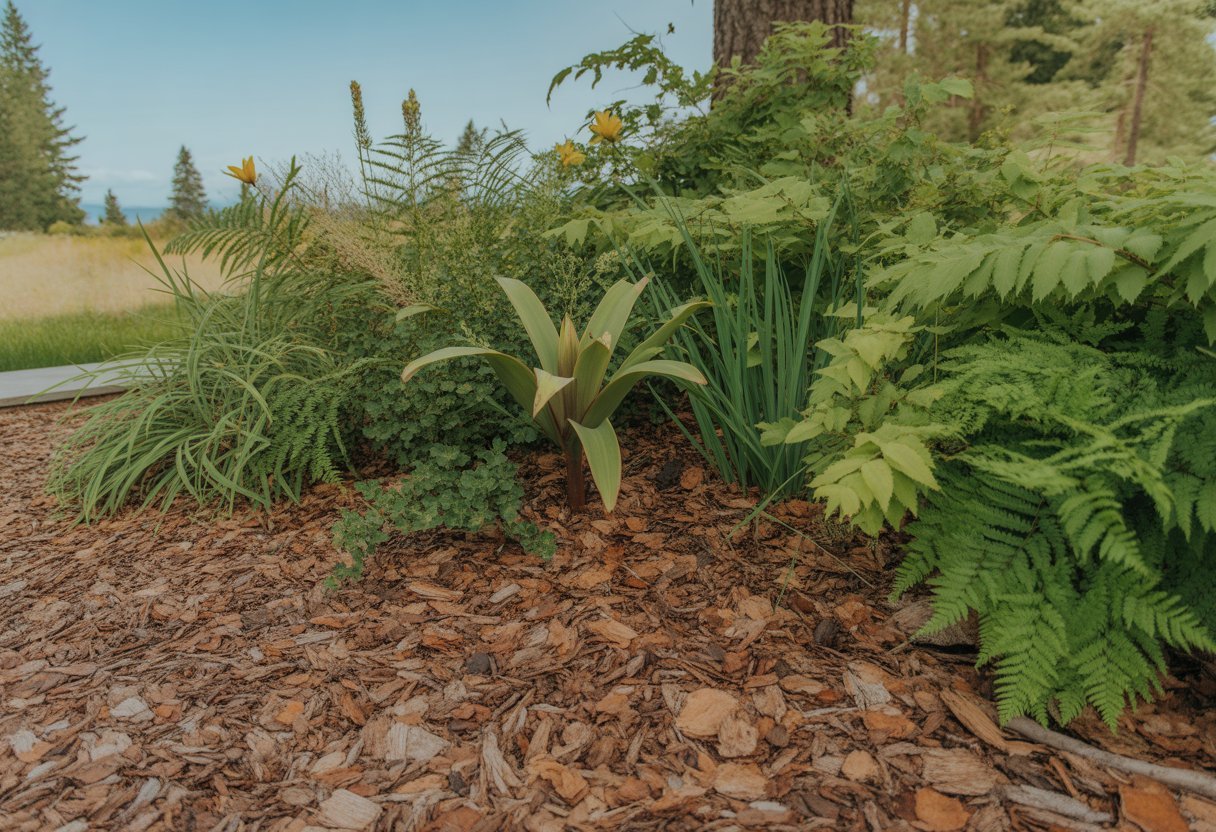
Picking the right mulch means weighing moisture needs, weed control, and soil health. Different mulches affect native plants and groundcover in different ways.
Some mulch types just fit certain plants or garden goals better.
Organic Mulch Options
Shredded bark, compost, and straw are go-to options for Oregon native gardens. They break down and feed the soil, which plants love.
Compost works great for natives like milkweed and nodding onion—it keeps soil microbes happy.
Shredded bark sticks around longer, making it a solid choice for ornamentals or naturescaping. Straw is lighter and can protect crops like tomatoes and onions, though you might need to top it up more often.
Organic mulches also attract good bugs and help hold in moisture, which really matters during dry spells.
Inorganic Mulch Considerations
Gravel, landscape fabric, and rubber mulch don’t break down, so they won’t improve your soil, but they do block weeds.
Gravel works for natives that like dry feet, such as lavender or certain raspberries. It even bounces sunlight back, helping with temperature swings.
Landscape fabric can boost weed control under organic mulch, but if you put it in wrong, it might stop water from soaking in.
Rubber mulch? Most folks skip it for native gardens because of chemical worries and poor soil interaction.
Choosing Mulch for Specific Native Plants
When you’re deciding, think about what your native plants actually want.
Milkweed likes organic mulch that mimics fallen leaves—compost or shredded bark keeps it happy and helps the bugs it supports.
Nodding onion and lavender prefer things drier, so gravel mulch keeps too much moisture away from the roots.
In veggie beds with tomatoes, onions, or raspberries, organic mulch cuts weeds and keeps soil temps steady while feeding your plants. Mixing compost with straw or bark gives you a nice balance of moisture and nutrients.
Best Practices for Mulching in Oregon Climates
Mulching in Oregon means paying attention to the weather, soil moisture, and what your native plants need.
If you get it right, you’ll save water, fight weeds, and help out birds and caterpillars—especially around Portland, where it’s wet in winter and dry in summer.
Mulching Techniques for Homeowners
Aim for a 2-4 inch layer of mulch to protect soil but still let plants breathe. Organic mulches like shredded bark, compost, or leaf litter break down slowly and improve soil over time.
Keep mulch an inch or two away from stems and trunks to avoid rot and pests.
Locally sourced mulch brings in native bugs and birds, adding to your garden’s ecosystem.
Laying down mulch mats or cardboard under organic mulch can help with weeds while still letting water through. Layering matters—too much holds too much moisture, too little dries out fast, and Oregon’s weather can flip on you.
Seasonal Timing and Application Rates
Spring and fall are the best times to mulch in Oregon.
Mulching in early spring locks in moisture for new growth, while a fall layer shields roots from cold and stops erosion.
During the dry summer, mulch keeps water from evaporating so quickly, which is a lifesaver for drought-adapted natives.
Top off your mulch every year or two to keep things covered but don’t pile it on—too much mulch can suffocate your soil.
For new plantings, start with about 2 inches. Once things are established, you can go up to 3 or 4 inches if needed.
Just don’t overdo it—roots need to breathe, and water’s got to get down there.
Avoiding Common Mulching Mistakes
People often pile mulch right up against plant stems. That’s a problem—it can trigger fungal diseases and draw in pests like slugs or rodents.
Mulch volcanoes? Yeah, those don’t help roots grow strong either.
If you use non-native or dyed mulches, you might harm soil health. These mulches can also drive away helpful insects and caterpillars that native plants need.
Synthetic or rubber mulch doesn’t belong in native gardens. It just doesn’t support the natural cycles happening in the soil.
When you over-mulch, you actually create a barrier that keeps water out instead of holding it in. That’s especially tricky with Oregon’s unpredictable moisture.
Check your mulch depth now and then. If it’s too much or too little, adjust it—balance really matters.